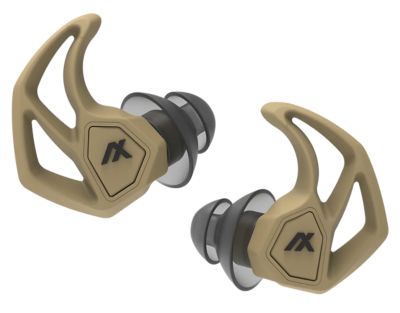
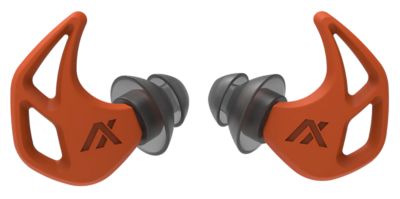
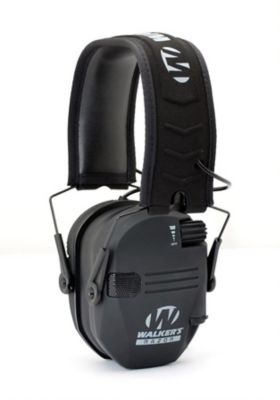
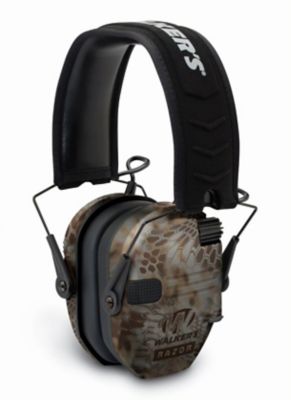
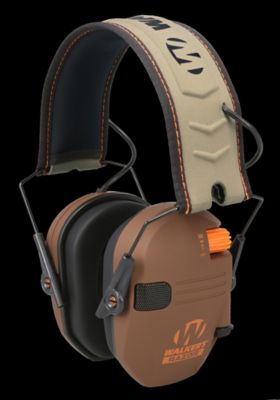
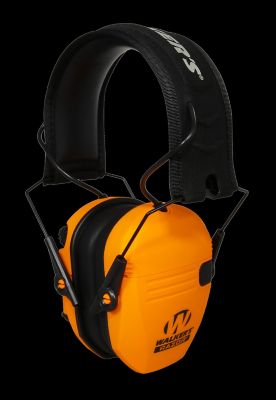
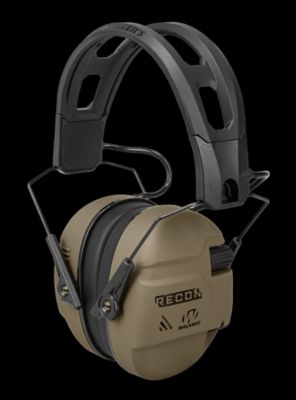
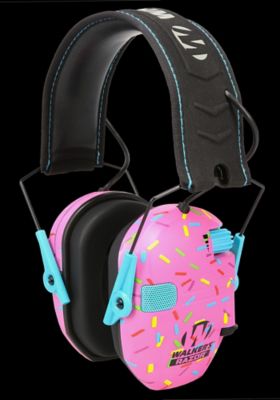
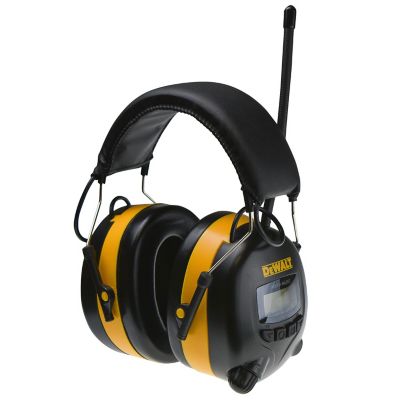
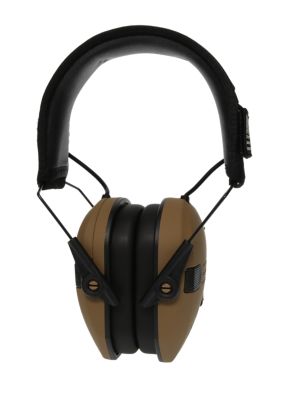
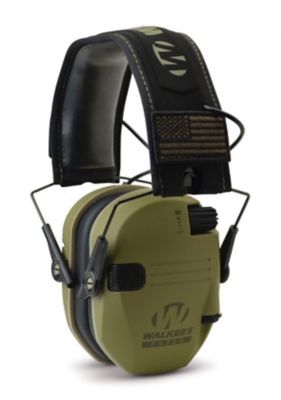
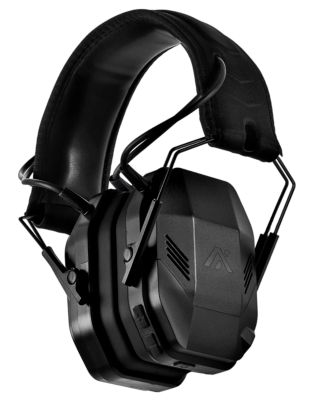
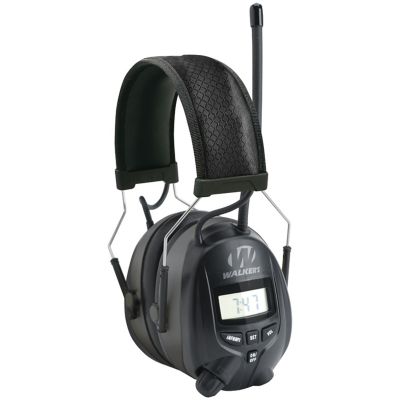
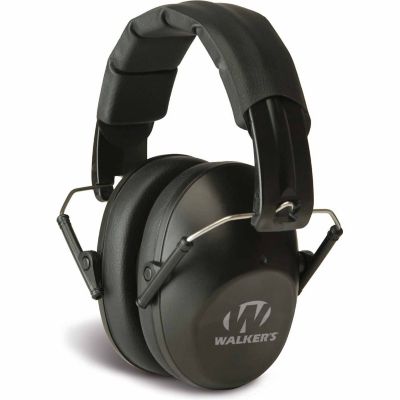
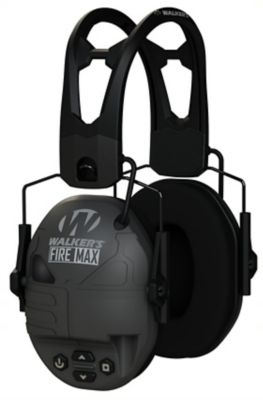
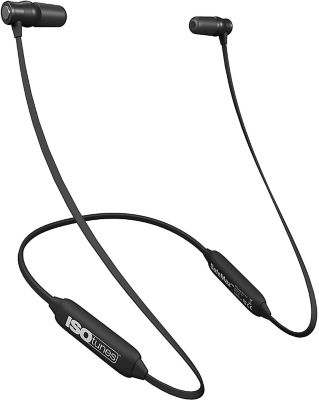
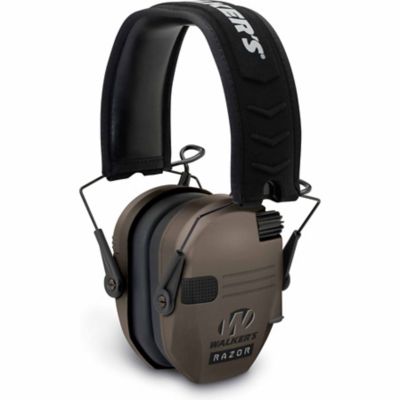
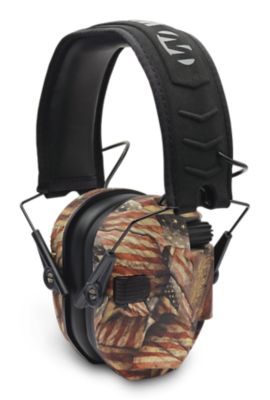
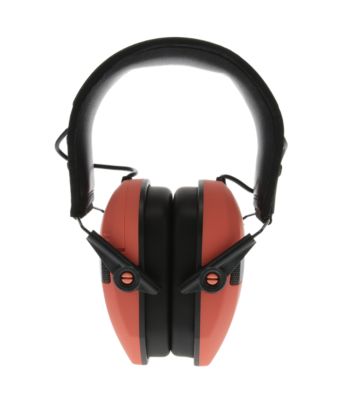
Hearing protection for workers helps reduce noise exposure around tractors, saws, grinders, compressors and other equipment that keeps a job moving. Whether the day means repairing implements in a farm shop, running a mower along fence lines or cutting lumber on a construction site, the right choice depends on the sound level, time spent near the noise and fit on the person wearing it. Earplugs fit inside the ear canal, earmuffs seal around the outer ear, and electronic hearing protectors may add communication or listening features alongside rated noise reduction. Each style has a place, but comfort alone does not show how much protection it provides. The Noise Reduction Rating, or NRR, is a laboratory-based rating expressed in decibels. It helps compare hearing protectors, but it is not a promise of the reduction every worker will receive on the job, and simply subtracting the printed rating from a workplace sound reading can give a misleading result. Fit, correct wear and the work environment all affect performance. Individual fit testing can help establish how much noise reduction a particular worker gets from a protector. NIOSH recommends limiting occupational noise exposure to 85 dBA averaged over an eight-hour workday, with shorter recommended exposure times as noise levels rise. A steady engine rumble and the sharp report of a pneumatic tool present different working conditions, so selection should follow an assessment of the actual exposure rather than a guess based on how loud something feels. Some environments call for earplugs and earmuffs together, although their ratings cannot simply be added. Hearing protection also belongs alongside quieter equipment, machine maintenance and other workplace noise controls, not in place of them. The goal is protection suited to the task and worn correctly whenever exposure calls for it.
Materials and fit make a real difference when hearing protection stays on through a full stretch of work. Many foam earplugs have a soft, compressible body that expands inside the ear canal, while some reusable plugs have flexible silicone or other elastomer flanges. Ear canal size varies, so one plug shape or size will not suit every worker. A plug that slips loose, feels painful or sits incorrectly may interfere with consistent wear and protection. Low-profile plugs can be practical beneath headgear or in close quarters, such as leaning into an equipment compartment, provided they fit properly and meet the task’s protection requirements. Earmuffs typically combine rigid outer cups, sound-absorbing material and soft sealing cushions, with a headband or mounting system that holds them in position. Cushion softness, cup depth, headband adjustment and overall weight all affect how they feel over several hours. Enough room around the ears helps prevent pinching, while an even seal matters more than a snug feeling alone. Safety glasses, hair and other equipment can interfere with that seal, so the full work setup deserves attention. For jobs that also call for head protection,
Ear Muffs for Hard Hats can bring hearing and head protection into the same setup when the helmet, attachments and earmuffs are approved for use together. Compatibility matters; a mounting connection that appears to fit is not enough to establish that the combination is suitable. Workers moving between quieter tasks and noisy equipment may appreciate earmuffs that are straightforward to put on and remove, while those wearing protection for longer stretches may prefer the lighter feel of well-fitting plugs. Neither style is automatically better for every job. A mechanic leaning beneath a hood, a saw operator at a cutting station and a crew member working around powered equipment may need different arrangements to keep protection comfortable and correctly positioned. Good fit also leaves room for the movements the job demands without repeatedly knocking the protector loose.
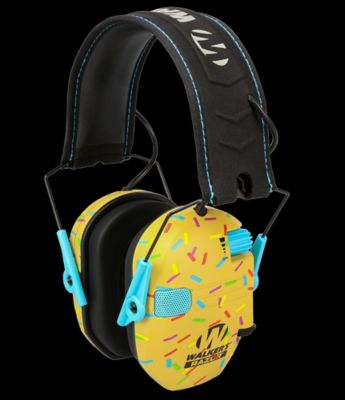
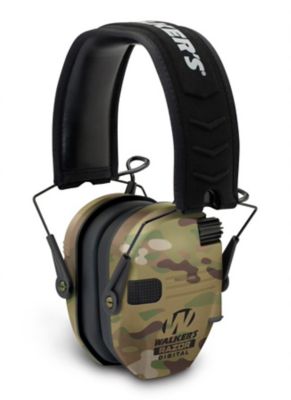
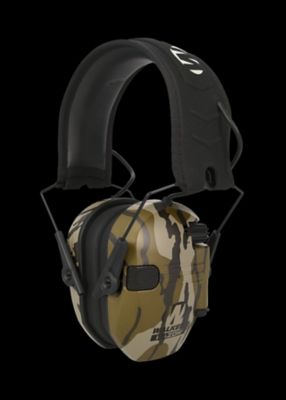
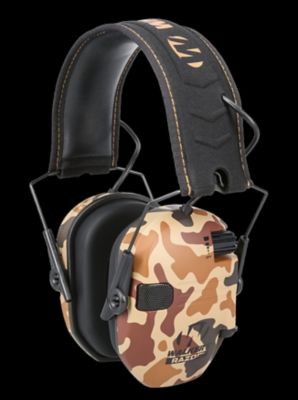
Electronic hearing protection adds another set of considerations, especially where workers need to communicate without repeatedly removing their protection. Some models offer level-dependent ambient listening, which uses microphones and electronics to bring outside sounds through the headset while controlling their output. Others provide Bluetooth connections for compatible devices, and some combine both functions. These features vary, so a connection for music or calls should not be mistaken for rated hearing protection, nor should ambient listening be treated as a guarantee that every warning, vehicle or coworker will be heard. The protector’s rating, operating instructions and workplace rules still govern its suitability. Audio volume should not mask important signals, and communication needs should be part of the selection from the start. Battery life, charging arrangements and the behavior of the protector when power runs out also matter during a long workday; passive protection and powered features depend on the design. Care is just as important for simpler earplugs and earmuffs. Disposable foam plugs need replacement according to their instructions, especially when dirty, damaged or no longer expanding as intended. Washable plugs require cleaning by the method their maker specifies and thorough drying before storage. Earmuff cushions can stiffen, crack or lose their shape, and damaged cups or a weakened headband can compromise the seal. Replaceable cushions and liners can help keep a serviceable pair in working condition when those parts are intended for that model. A clean case or storage spot keeps plugs away from pocket grit, sawdust and oily shop surfaces, while dry storage helps protect cushions and electronics between jobs. Shared equipment needs appropriate cleaning between wearers. For farm crews, shop hands, groundskeepers and construction workers, hearing protection that suits the task, works with other safety gear and receives regular care is easier to keep in the daily routine. That consistency matters every time an engine starts or a tool spins up.