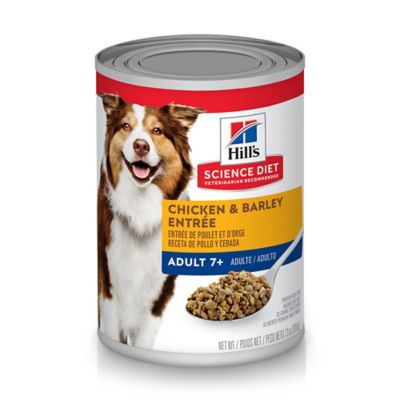
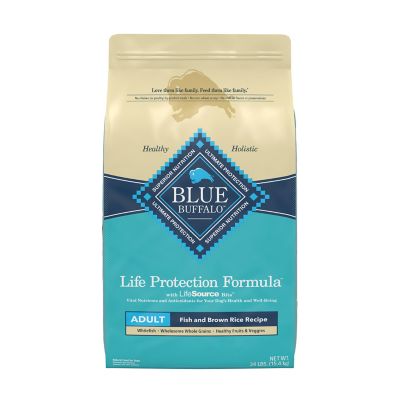
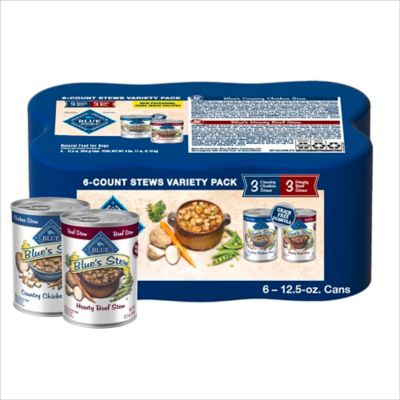
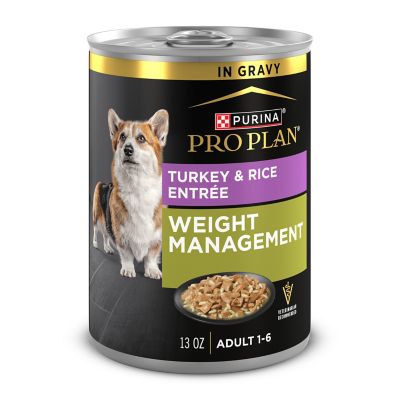
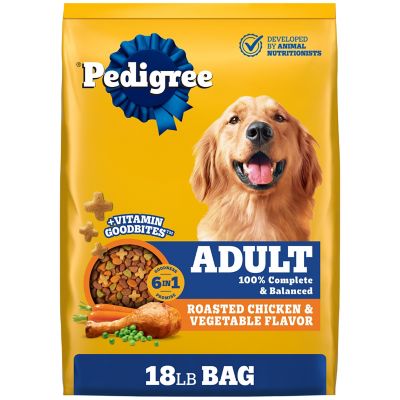
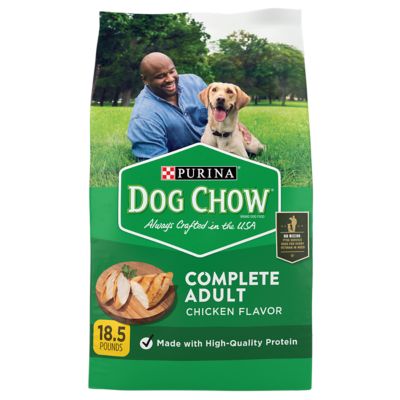
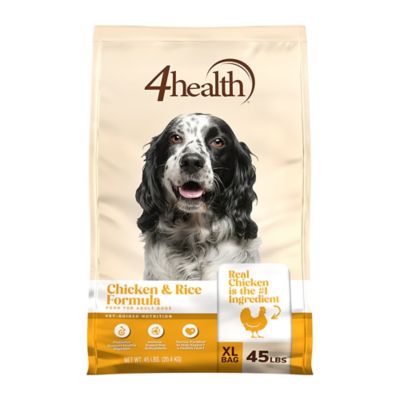
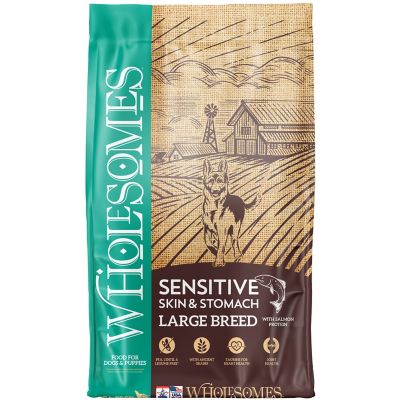
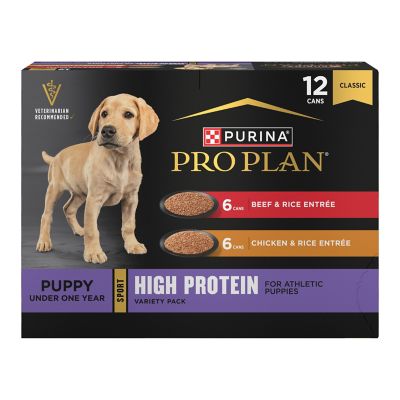
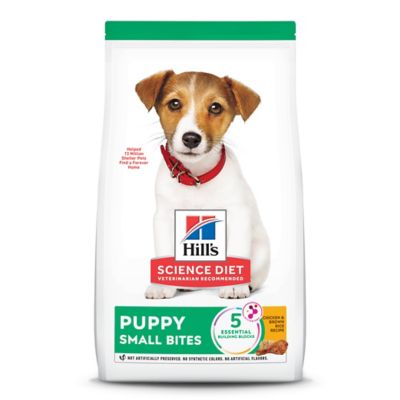
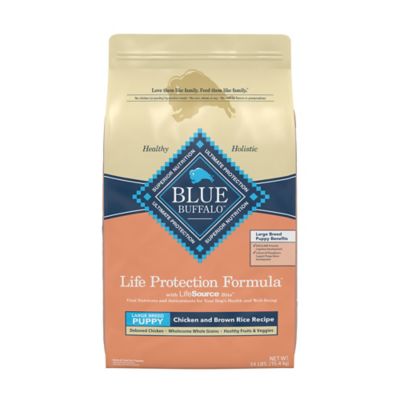
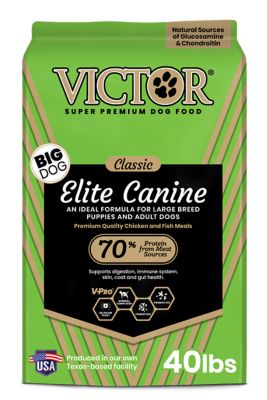
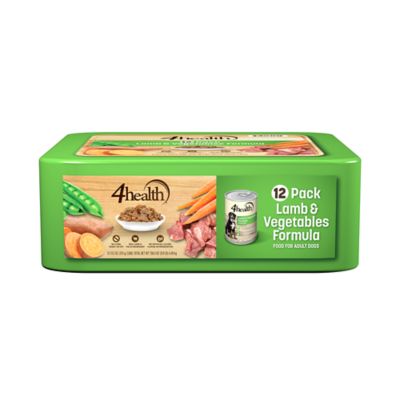
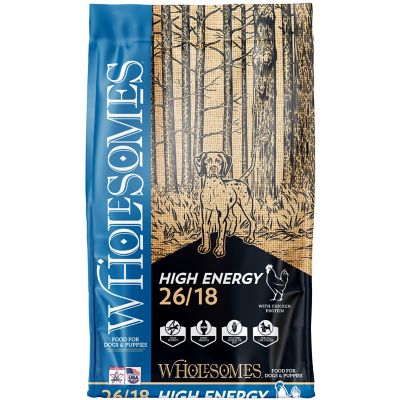
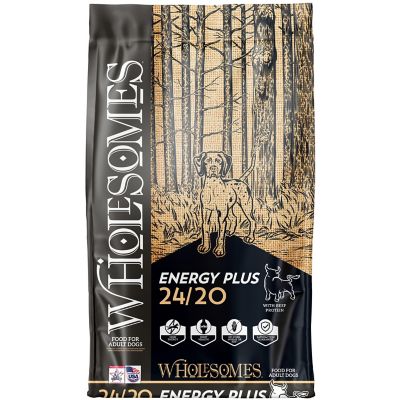
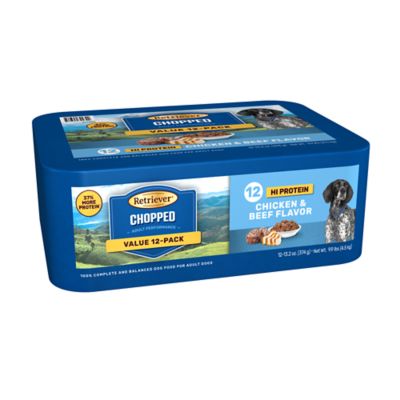
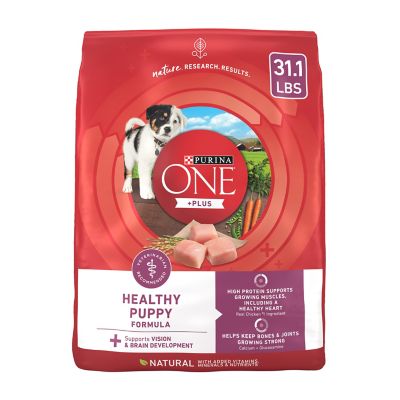
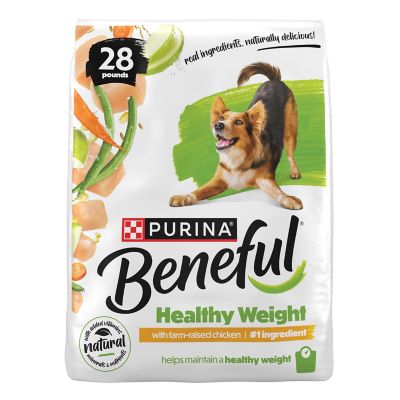
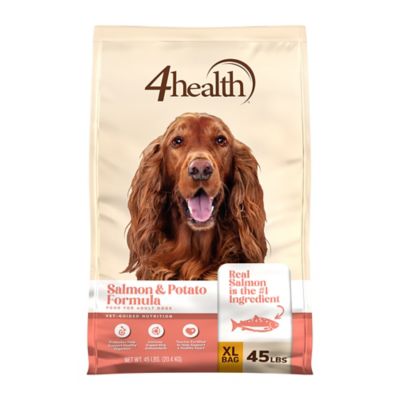
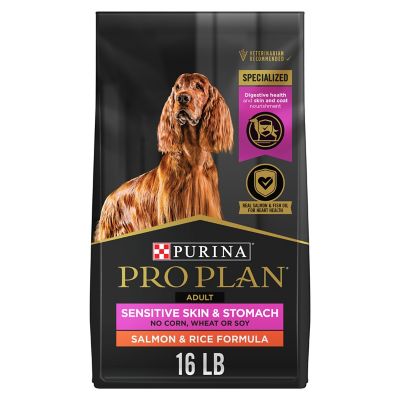
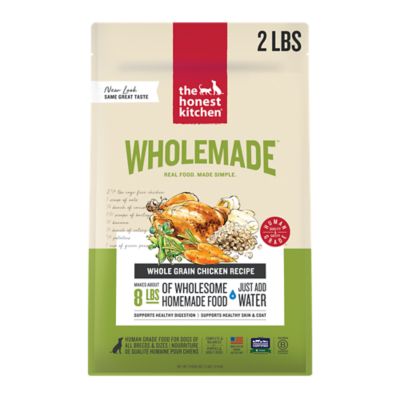
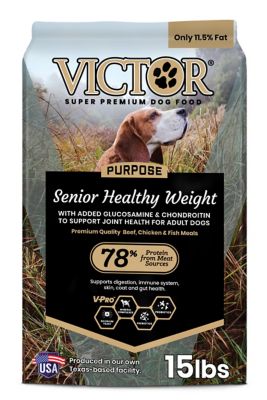
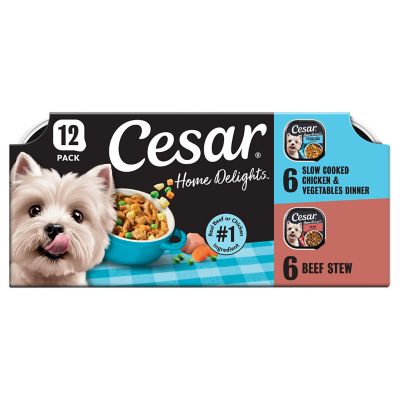
Finding healthy dog food starts with matching the recipe to the dog standing at your feet, whether that is a hard-working farm dog, a playful young pup, or a gray-muzzled companion who would rather nap by the woodstove. Begin with the life-stage and size information on the package. Puppies need food made for growth, while adult dogs need a balanced maintenance diet, and senior dogs may benefit from recipes designed with changing activity levels in mind. Large-breed puppies have different nutritional needs than small-breed puppies, so look for feeding guidance that fits your dog’s expected size. A healthy recipe should provide complete and balanced nutrition for the appropriate life stage, and the label should include a statement showing that it meets standards established by the Association of American Feed Control Officials, often called AAFCO. Ingredient lists can offer useful clues, too. Named animal proteins such as chicken, beef, turkey, lamb, or salmon are commonly listed near the beginning of a recipe and provide important amino acids. That does not mean every healthy food must be grain-free or that one ingredient automatically makes a food right for every dog. Whole grains such as brown rice, barley, and oats can be useful sources of energy and fiber for many dogs, while some dogs may need a different recipe because of a diagnosed allergy or sensitivity. Corn and wheat are not automatically harmful, either; the better approach is to consider the complete nutritional profile, your dog’s response, and advice from your veterinarian. If you prefer a simpler ingredient list, look for recipes made with recognizable ingredients and without artificial colors or unnecessary artificial preservatives. Keep in mind that “natural,” “organic,” and “human-grade” are label terms with specific meanings and do not replace checking for complete and balanced nutrition.
Your dog’s daily routine matters just as much as the front of the bag. A border collie moving livestock, a hound spending long days outdoors, and a couch-loving companion may all need different amounts of food even when they are the same age. Use the package feeding chart as a starting point, then adjust portions based on body condition, activity, and your veterinarian’s recommendations. You should be able to feel your dog’s ribs under a light layer of padding without seeing them sharply outlined, and a visible waist from above is generally a helpful sign. Measure meals instead of filling the bowl by guesswork, especially when the days get cooler and outdoor activity changes. Treats, table scraps, chews, and toppers all count toward daily calories, so keep them modest and account for them when planning meals. Fresh, clean water should always be available, particularly when feeding dry food or when your dog is active outside. When changing foods, mix the new recipe with the old over several days rather than making a sudden switch. A gradual transition can help reduce loose stools, gas, or a picky refusal at mealtime. Watch for ongoing itching, ear trouble, vomiting, diarrhea, changes in appetite, or unexplained weight loss, and contact a veterinarian if those signs appear. Dogs with kidney disease, diabetes, food allergies, pancreatitis, or other medical needs may require a therapeutic diet selected with professional guidance. For a dog with a sensitive stomach, a limited-ingredient recipe may be worth discussing with your veterinarian, but “limited ingredient” is not the same as a guaranteed allergy solution. Read the guaranteed analysis for protein, fat, fiber, and moisture, and compare foods on a dry-matter basis when making a close comparison, since canned and dry recipes contain very different amounts of water.
Healthy dog food can be a practical choice for families bringing home a new puppy, caring for an aging companion, or stocking up before a stretch of cold weather keeps everyone closer to home. It can also make a thoughtful gift for a friend who has recently adopted a dog, welcomed a rescue animal, or taken on the care of a working dog, provided you know the dog’s age, size, dietary needs, and current food. When gifting food, a gift card or a conversation about the dog’s usual recipe is often safer than choosing a bag by appearance, since sudden diet changes can upset a dog’s stomach and some pets have strict dietary restrictions. Households with several dogs may find it helpful to store food in a cool, dry place in the original bag, folded or sealed tightly inside an airtight container. Keep the lot number and expiration information handy, and wash storage containers between bags rather than pouring fresh food over old crumbs. Portioning meals in advance can make busy mornings easier, whether you are heading to the barn before daylight or settling in after a long day outdoors. For training and everyday rewards, use small portions and choose options that fit your dog’s overall diet; our selection of
Healthy Dog Treats can help you find additional reward ideas. The best food is one your dog eats willingly, digests comfortably, maintains a healthy weight on, and receives in the right amount for their individual needs. By comparing the life-stage statement, named protein sources, ingredient list, guaranteed analysis, feeding directions, and your dog’s own health history, you can make a steady, informed choice that supports bright eyes, a healthy coat, strong muscles, and plenty of good days together.