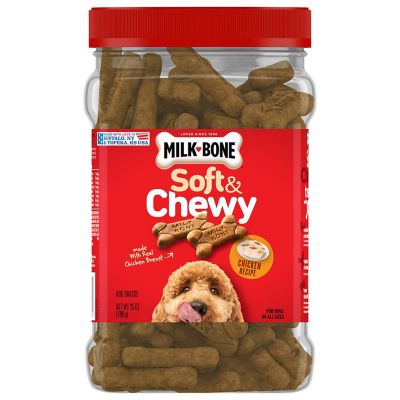
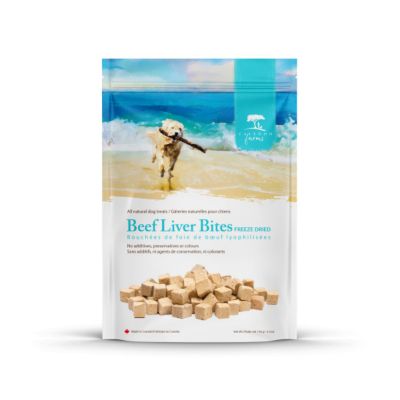
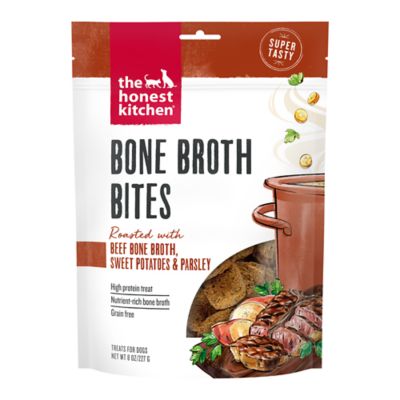
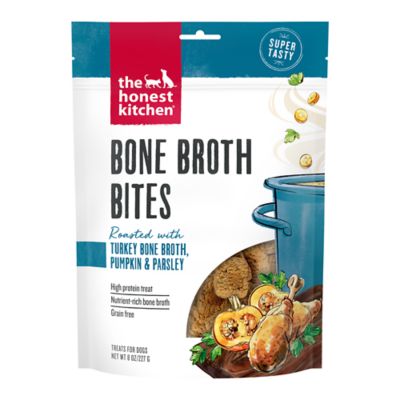
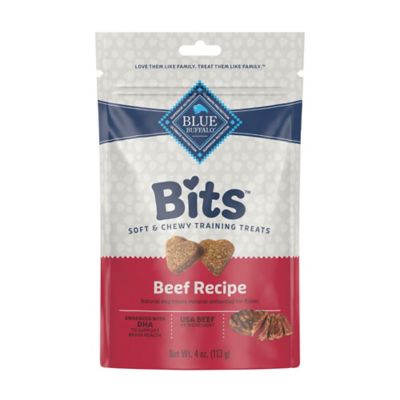
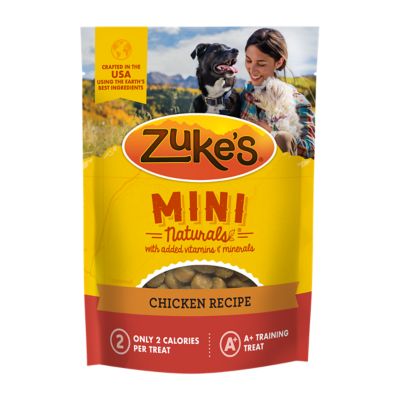
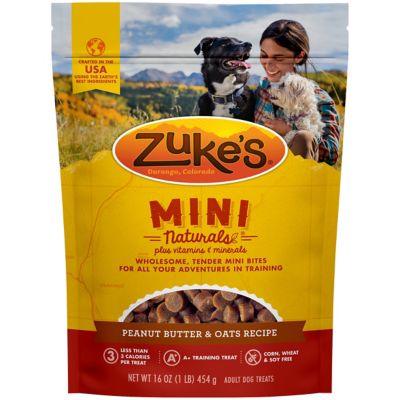
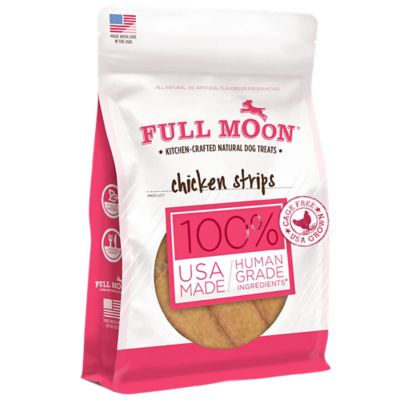
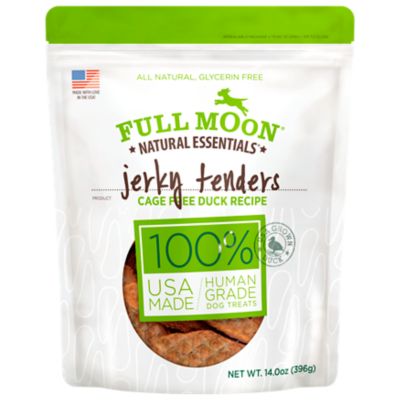
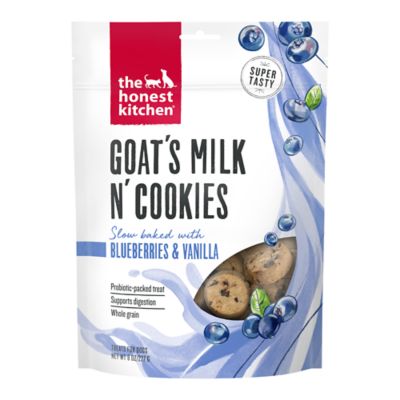
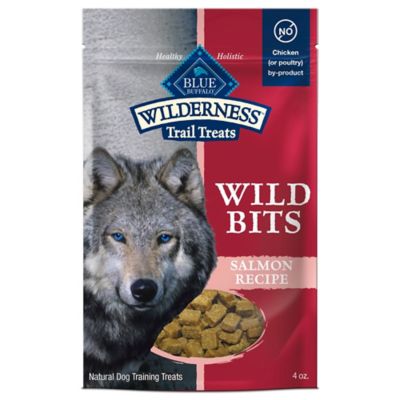
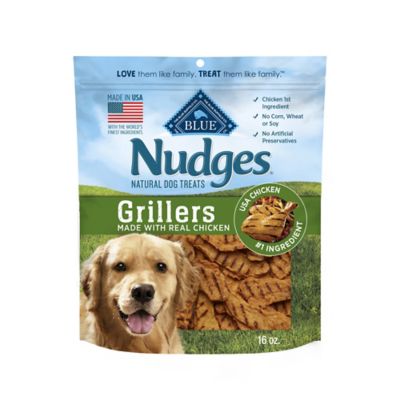
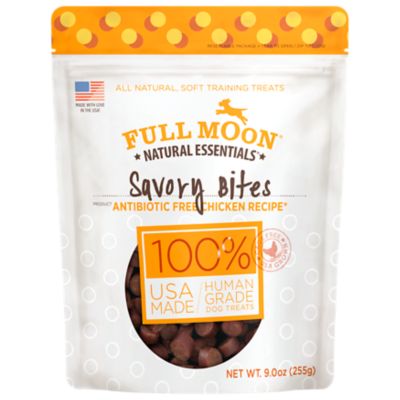
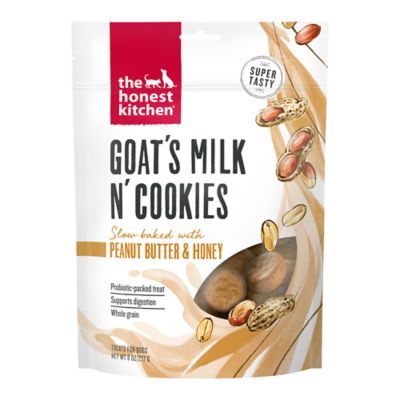
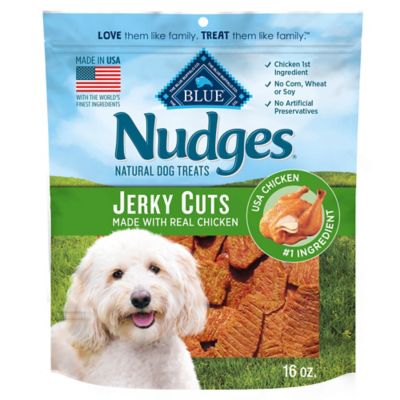
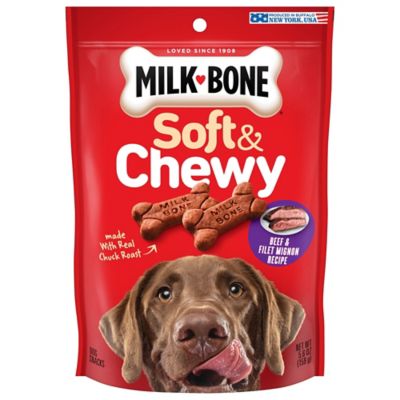
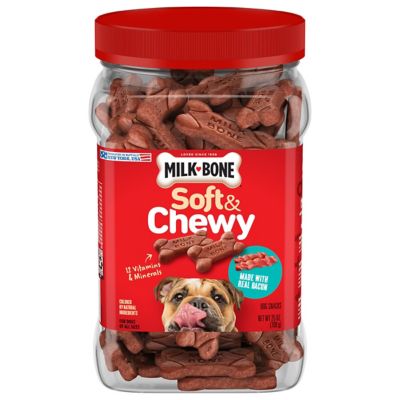
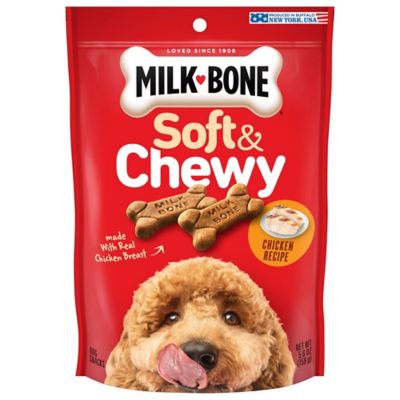
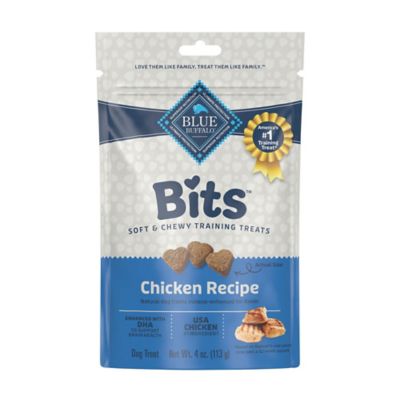
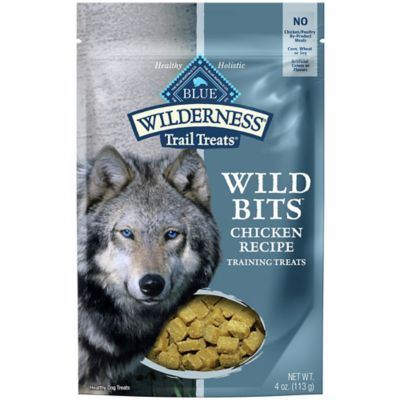
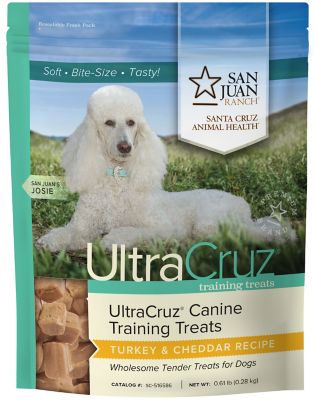
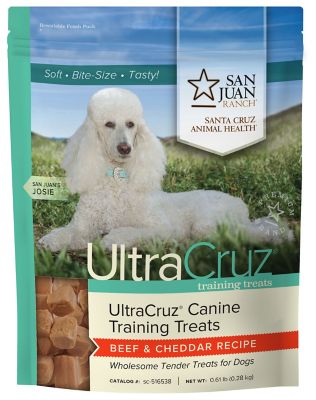
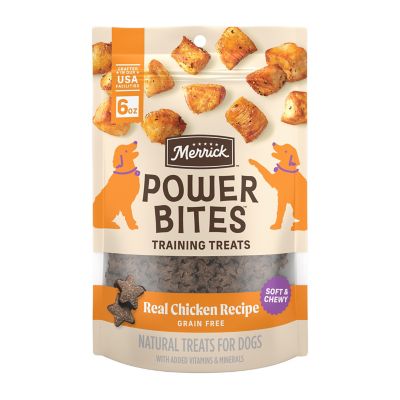
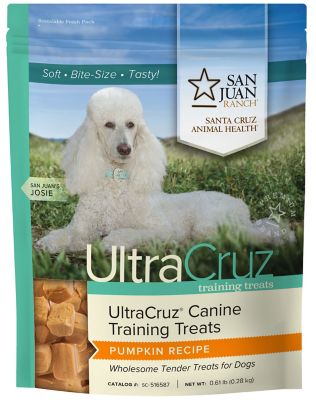
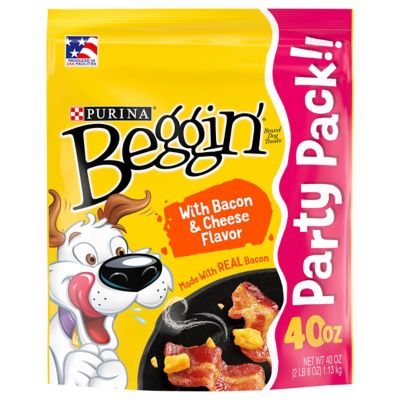
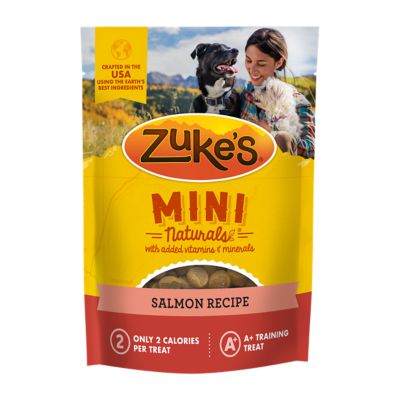
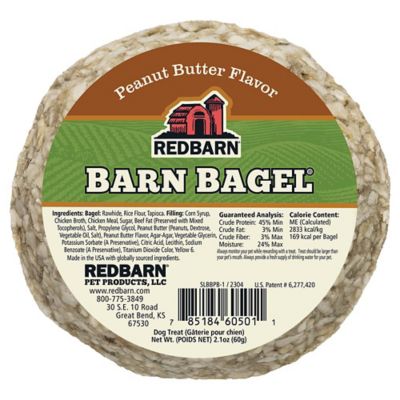
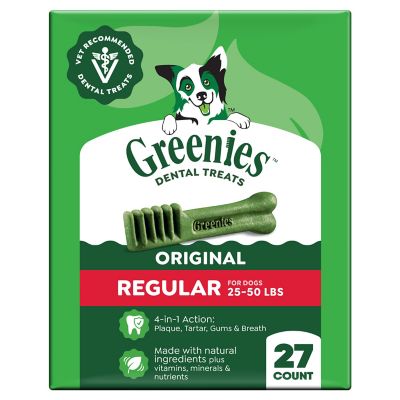
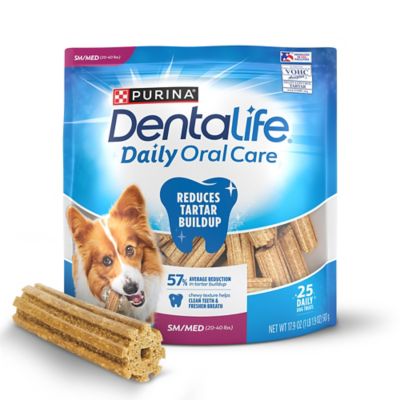
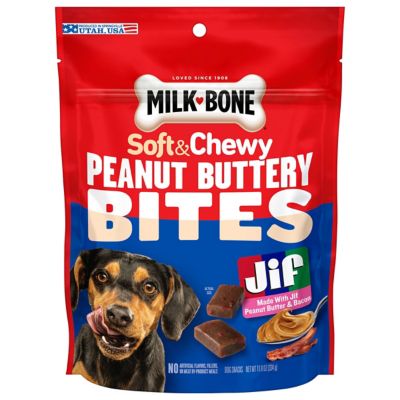
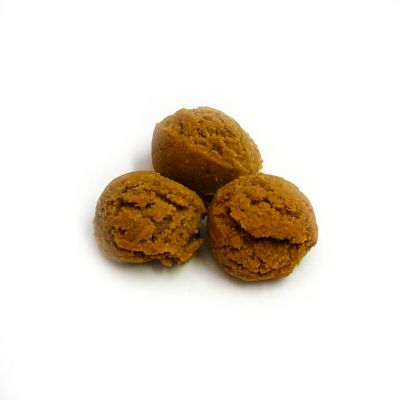
Healthy soft dog treats combine a tender bite with recipes and serving sizes that fit a dog's everyday feeding routine. Their appeal is straightforward: a little reward that smells inviting, breaks apart without much fuss and does not take a long chewing session to finish. For a dog practicing a calm sit by the back door or settling on a mat after chores, that quick bite helps keep the moment moving. Softness describes texture, though, not nutritional value, so the ingredient list, calorie count and feeding directions matter just as much as the feel of the treat. Meat-based recipes may feature chicken, beef, turkey, lamb or salmon, while other formulas combine animal proteins with ingredients such as oats, rice, pumpkin or sweet potato. An identified meat ingredient near the start of the list can help shoppers compare recipes, but ingredients appear in order of weight, and that detail alone does not establish how well a treat fits a particular dog. The best match also depends on the dog's regular food, appetite, body condition and any restrictions from a veterinarian. Limited-ingredient soft treats can make it easier to review what is in each bite, especially when a dog needs to avoid a known trigger. A shorter ingredient list is not a promise against stomach trouble, and grain-free recipes are not automatically better for digestion. Many dogs tolerate grains well; a suspected food allergy calls for veterinary guidance rather than guesswork with different bags. Recipes without added colors or flavors may suit certain preferences, while moisture-retaining ingredients and preservatives have practical roles in texture and shelf life. For shoppers comparing ingredient-focused options,
Natural Dog Treats offers another related category to explore. Whether the recipe is meat-forward or includes plant ingredients, the useful details are the same: a clear ingredient list, calories per treat, an appropriate portion and a flavor the dog enjoys.
Soft training treats work well for short, repeated rewards because many can be divided into smaller pieces without scattering crumbs across the floor. A dog learning to wait at a latched yard gate might earn several tiny bites during a brief practice session, while a dog that already knows the routine may only need an occasional reward. Giving the treat promptly after the desired behavior helps connect the reward with that action. Small portions let the practice continue without turning each successful sit into a snack break. Treat size should suit the dog's mouth and eating habits, not simply the picture on the package. A bite that seems small for a large farm companion can still be too big for a little dog, and dogs that gulp food need supervision regardless of texture. Puppy-appropriate recipes should match the age guidance on the label, with treats kept secondary to complete and balanced puppy food. Senior dogs and dogs with fewer teeth may find a tender texture easier to manage than a hard biscuit, but mouth pain, bleeding gums or a sudden reluctance to chew deserve veterinary attention. Soft treats do not clean teeth just because they are easy to eat, and they do not replace brushing or recommended dental care. They are not automatically easier to digest, either; the recipe and the individual dog's tolerance still matter. For most dogs, treats should provide no more than about 10% of daily calories, with the rest coming from complete and balanced food. For example, a dog with a 400-calorie daily allowance would have no more than about 40 calories for treats under that rule. That total includes training rewards, chews, table scraps and anything slipped over by another family member. Low-calorie soft treats and pieces that break neatly can help keep those extras in check. Dogs on weight-management plans or therapeutic diets may need a different limit or a veterinarian-approved reward. A shared household treat allowance helps keep an enthusiastic helper from doubling the day's portions.
The way soft dog treats hold their texture also matters in everyday use. Some have a moist, pliable feel, while others are firmer and chewy; both can fall within the soft-treat category. Resealable packaging helps protect that texture between sessions, whether the bag stays in a kitchen cabinet or comes along for practice in a fenced yard. Storage directions on the label take priority, including any instructions for refrigeration or how soon to finish the treats after opening. For shelf-stable recipes, a dry storage spot away from direct sunlight, dampness and household chemicals is generally a sensible choice. Closing the bag promptly limits exposure to air, which can dry out tender pieces and change how easily they break apart. When an airtight container is more convenient, keeping the original package preserves the ingredient list, feeding directions, date and lot information. Treat pouches benefit from regular cleaning, and leftover crumbs should come out before the next refill. A pouch is handy for a short session, but it is not a substitute for the storage conditions printed on the bag. Treats with visible mold, an unexpected odor or signs of spoilage should be discarded, even if the printed date has not passed. Keeping packages out of reach also matters: a dog that noses open a cupboard can eat far more than a sensible serving. When introducing a different recipe, small amounts make it easier to notice digestive upset or changes in appetite. Stop offering it and contact a veterinarian if concerning symptoms develop. Ingredients marketed for digestive, skin or joint support should be considered alongside the dog's regular diet and veterinary care, not as replacements for treatment. Soft treats can also make a thoughtful gift for a dog-owning neighbor or family member when the recipient's dietary restrictions are known and the package stays sealed. The right choice fits the dog as well as the routine: manageable bites, clear serving information, sensible storage and a reward worth paying attention to.