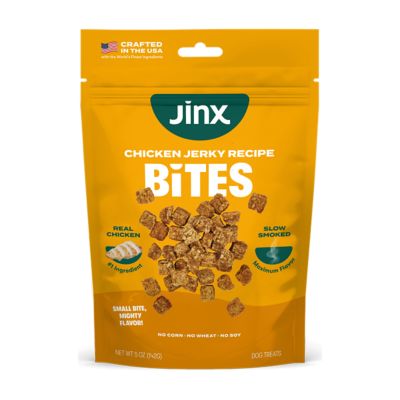
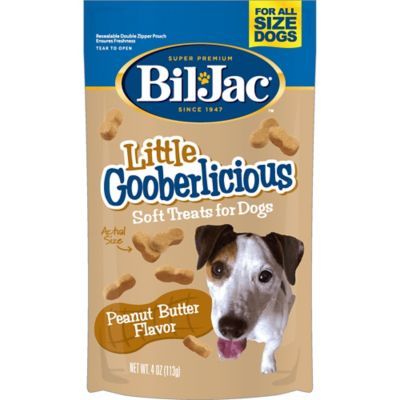
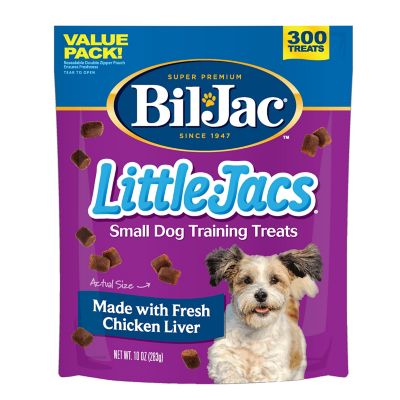
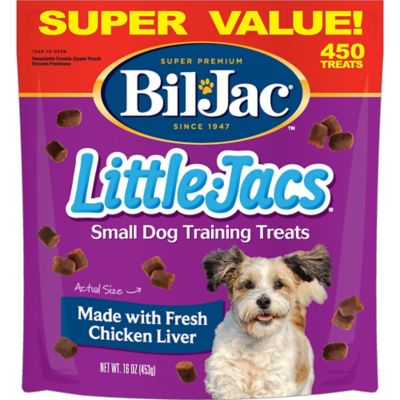
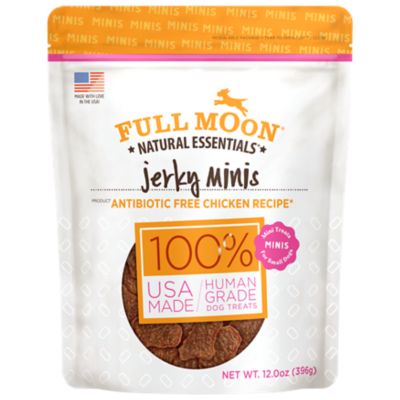
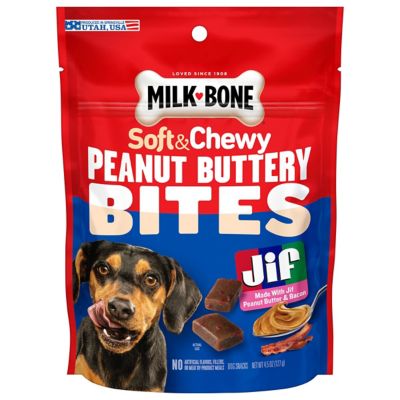
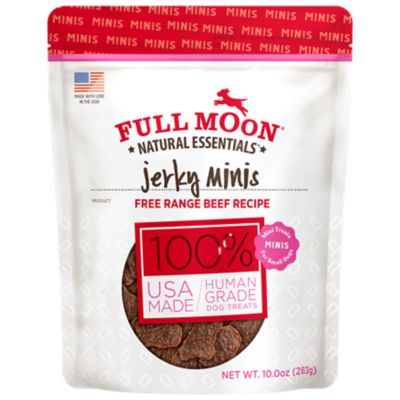
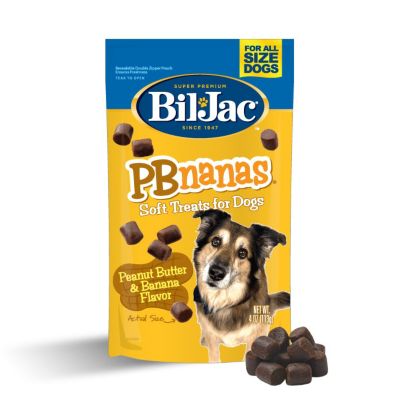
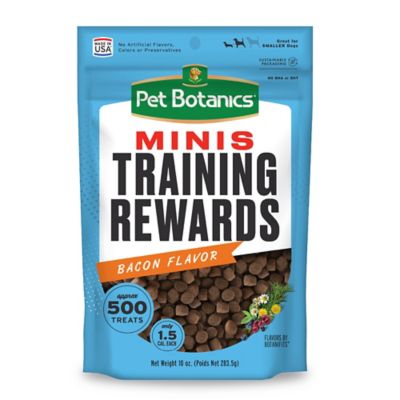
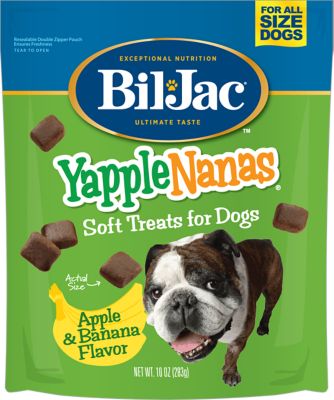
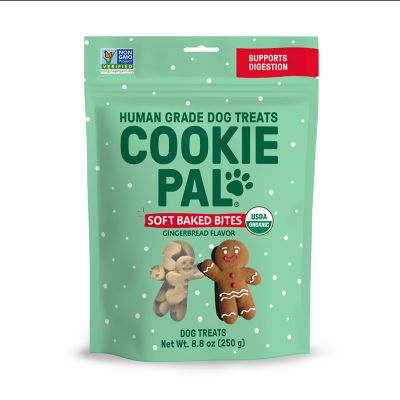
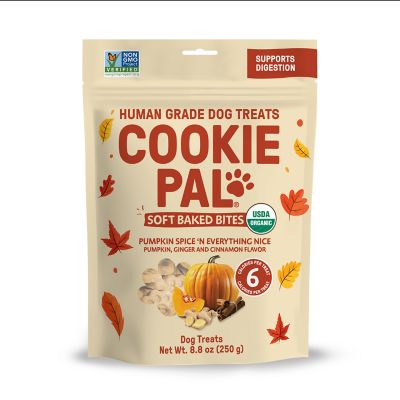
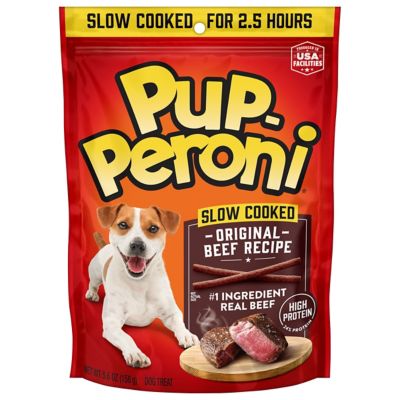
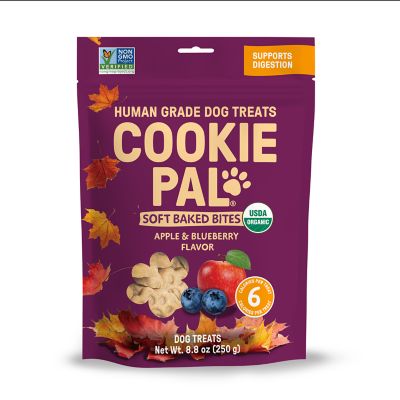
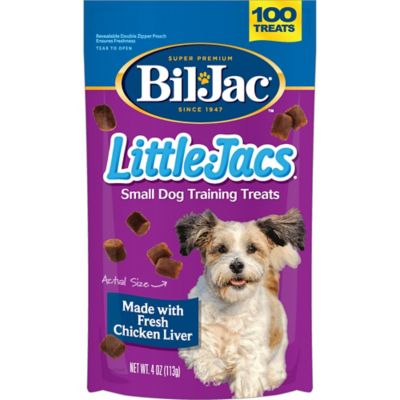
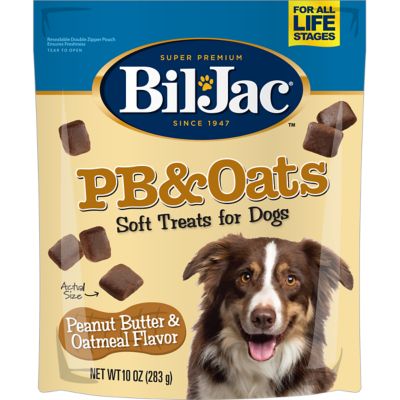
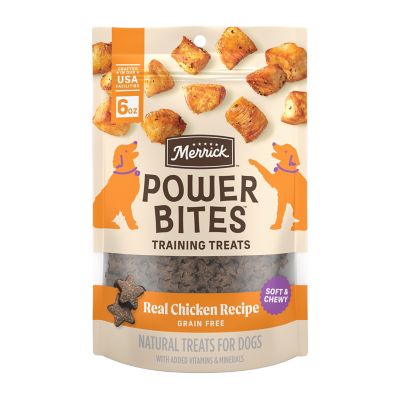
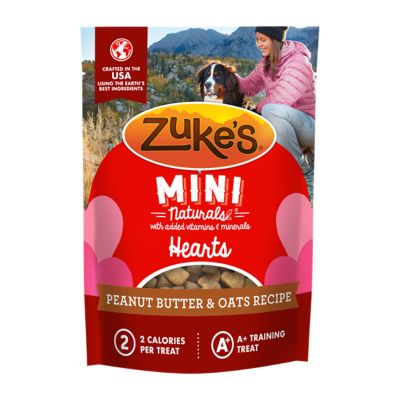
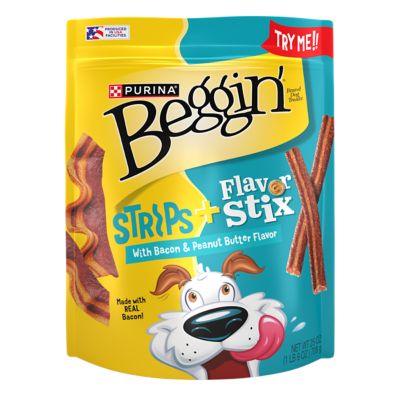
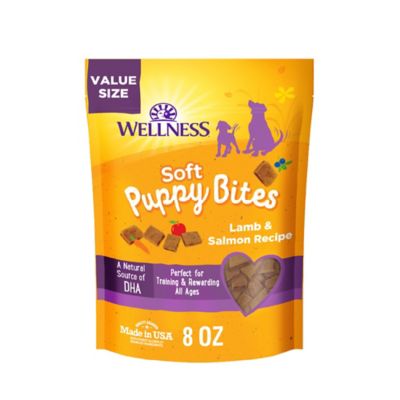
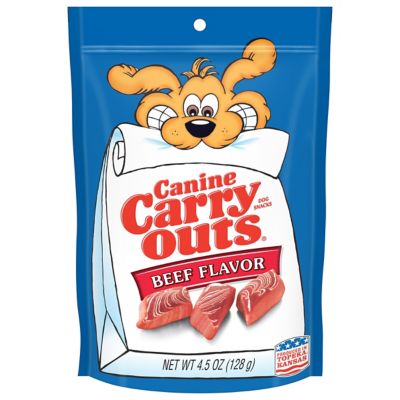
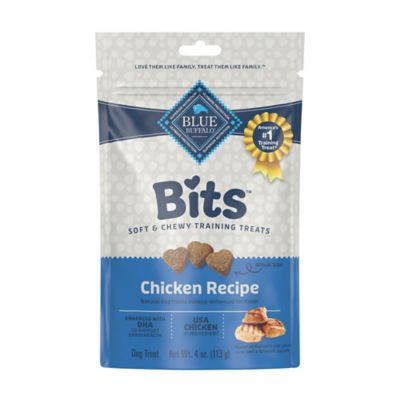
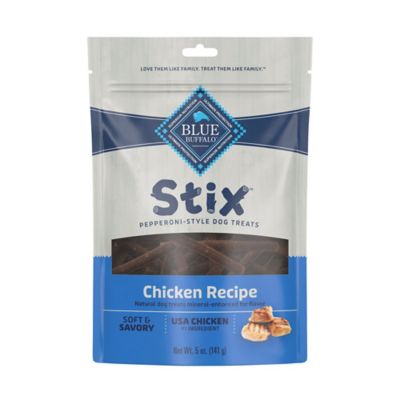
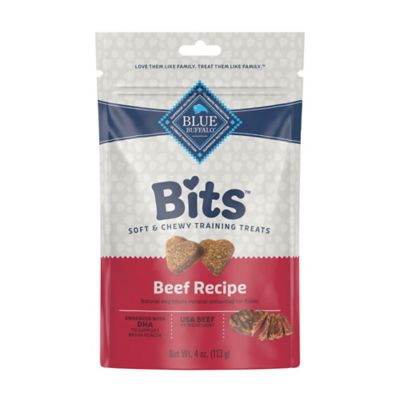
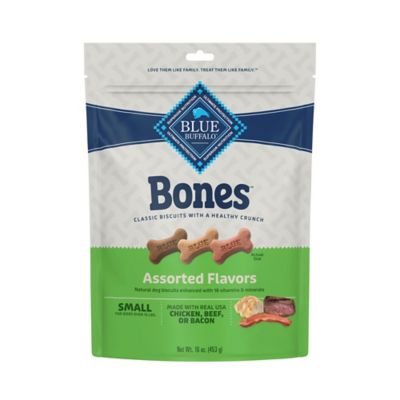
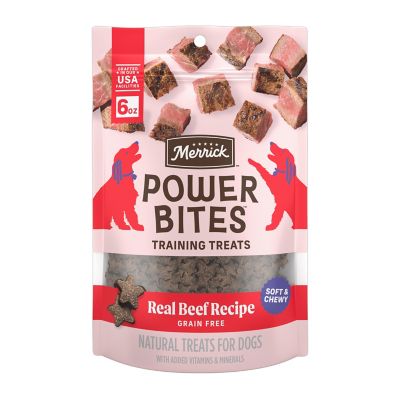
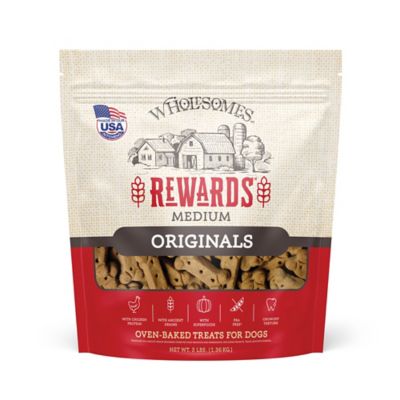
Soft dog treats for small dogs offer a tender texture and manageable bite size for training rewards, everyday praise, and a little something after a walk. The best fit is a treat a dog can comfortably take, chew, and swallow, with a portion small enough to keep rewards from crowding out meals. For a little dog, even a modest-looking treat can be a big mouthful, so size matters just as much as softness. Small pieces or treats that pull apart easily make it simpler to match each reward to the dog's mouth and daily calorie allowance. A soft square, nugget, or portion of a tender strip can work well, provided the texture suits the dog. Some dogs nibble carefully, while others gulp whatever lands in front of them. Watch how a dog handles a treat before making it part of the regular routine, and supervise snack time, especially when introducing a different shape or texture. Soft and chewy are not always the same thing: a treat may bend readily but still take considerable chewing, while another may crumble with light pressure. Check the package description, then pay attention to how readily the treat separates into smaller portions. Puppies need treats appropriate for their age and stage of development, along with pieces they can manage as they learn to take food gently. Older dogs may prefer a yielding texture, but a sudden reluctance to chew, dropped food, or a sore mouth calls for a veterinarian's attention rather than simply a softer snack. Small breed dogs of any age can enjoy tender rewards when the size, ingredients, and feeding directions suit their needs. Whether the reward comes after settling on a bed or returning when called from across the yard, a small, easy-to-eat bite lets the dog enjoy the moment without a long pause for chewing.
Ingredients and calorie content help separate a good everyday match from a treat that does not suit a particular dog. Soft treats may contain meat, fish, grains, starches, fats, and ingredients that help retain moisture. Chicken, beef, turkey, and salmon are familiar flavor choices, but a dog's preferences and food history matter more than how appealing a flavor sounds to a person. A dog with a diagnosed food allergy or a prescribed diet may need a narrower choice, and the veterinarian can help determine which treats fit that feeding plan. An ingredient list is also worth checking when switching between flavors, since the flavor named on the front does not necessarily identify every protein in the recipe. Tender texture alone does not tell much about calories, fat content, or suitability for a sensitive stomach. Read the feeding directions and look for calories per treat, sometimes listed as kcal, before deciding how many pieces belong in the day's routine. Treats should generally provide no more than about 10% of a dog's daily calories, and some dogs need a smaller allowance. For example, if a veterinarian recommends 200 calories per day, that usually leaves no more than 20 calories for treats. That is an illustration, not a feeding target for every small dog; age, body condition, activity, and health all affect individual needs. Breaking one treat into several rewards stretches the number of training moments, not the calorie allowance. Count the whole treat even when it becomes several tiny bites, and include snacks from everyone in the household. A feeding routine built around
dog food for small dogs should keep complete and balanced meals at the center, with treats as a small extra. Introduce a different treat gradually and watch for digestive changes. If vomiting, diarrhea, or itching develops, stop offering it and contact a veterinarian for advice. Soft rewards also do not replace toothbrushing, dental checkups, or treatment for painful teeth, even when they seem easier for a dog to chew.
For training, convenience often comes down to how a treat handles between the bag and the dog's mouth. A tender piece that divides neatly and leaves little residue is handy when practicing several short repetitions at the back door, beside the leash hook, or along a quiet stretch of driveway. Tiny rewards let a small dog get repeated practice without a full snack after every successful sit. Keep the reward ready, offer it promptly after the desired behavior, and give the dog time to finish swallowing before moving on. A stronger-smelling treat may hold a dog's attention around everyday distractions, though every dog has different preferences. A small treat pouch can keep rewards close without leaving loose food in a jacket pocket, and a measured portion helps everyone stay within the daily allowance. Set aside that portion before a training session rather than reaching into the main bag all day. At home, follow the package's storage directions, close the seal after each serving, and keep treats away from moisture and direct sunlight. Some recipes have different handling requirements after opening, so check the label rather than assuming every soft treat belongs in the refrigerator or cupboard. Keep the original packaging for the ingredient list, feeding directions, lot information, and date marking. Wash treat containers and pouches regularly, let them dry completely, and wash hands before and after handling treats. Discard pieces with mold, an unexpected smell, or another clear change in condition. Store the bag where an eager little nose cannot reach it; a dog that can squeeze under a gate may also find a way into a low cabinet. Soft treats can also make a thoughtful addition to a welcome-home gift for someone bringing home a small dog, provided the recipient knows the ingredients and can confirm they suit the dog. For daily use or occasional rewards, manageable portions, sensible storage, and attention to the dog's eating habits help keep treat time simple.