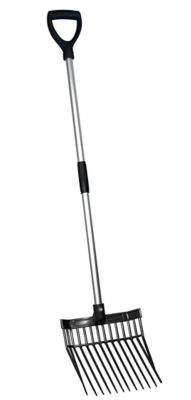
Hay storage supplies help keep a valuable feed investment clean, dry, and ready for the animals that depend on it. Whether you are putting away a few small square bales for a backyard flock or managing a year-round supply for horses, cattle, goats, or other livestock, the right setup can make daily chores easier and help preserve hay quality through changing weather. Good storage starts with the location. Indoor storage in a well-maintained barn, shed, or hay shelter offers the strongest protection from rain, snow, and sun, while outdoor storage can work well when bales are placed on high, sloped ground with dependable drainage. Avoid low spots where water collects, and keep hay away from areas where runoff, mud, or standing water can reach the stack. Bales should not sit directly on bare dirt, which can pull moisture into the bottom layer and invite spoilage. Raised supports, pallets, gravel, or another dry, stable base allow air to move underneath and help keep the stack off damp ground. For outdoor storage, breathable covers can help shield hay from precipitation while allowing trapped moisture to escape. Covers should be secured against wind, positioned so water sheds away from the bales, and kept from lying directly on the ground, where condensation can build up. A little planning around drainage and airflow goes a long way, especially when the same storage area needs to carry hay through warm, humid weather and the cooler months.
Before stacking hay, check that it is properly cured and dry. Hay should generally have a moisture level below 15% before it is stacked for storage; hay that is baled too wet can heat internally, lose feed value, develop mold, or create a serious fire hazard through spontaneous combustion. A moisture meter can be useful when hay feels warmer or heavier than expected, or when weather conditions made drying difficult. In the first four to six weeks after baling, take time to inspect stored hay regularly for unusual heat, a sweet or musty odor, visible mold, or signs of moisture. Internal temperatures that continue to rise call for immediate attention and professional fire-safety guidance. Leave room for air to circulate instead of pressing bales tightly against walls, ceilings, or one another. Outdoor rows should have roughly 3 to 4 feet between them when space allows, and indoor stacks should be arranged with access lanes so heat can escape and each area can be checked without climbing over unstable bales. Square and round bales have different handling needs, so choose storage supports, covers, tie-downs, and handling equipment that match the bale size and the way your property is set up. A solid, level stack is safer for people and animals, while a clean, organized storage area makes it easier to spot wet spots, torn coverings, rodent activity, or shifting bales before a small problem becomes a costly one. On a working farm, these details often save time during a cold morning chore run, when you want to grab dry, dependable feed without digging through a leaning or weather-damaged pile.
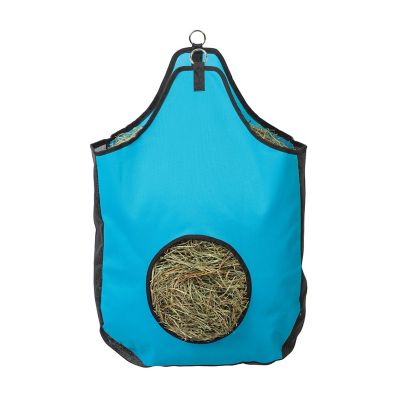
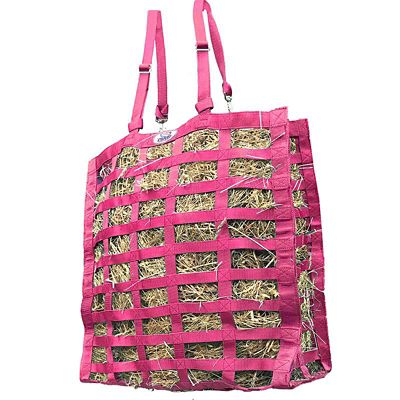
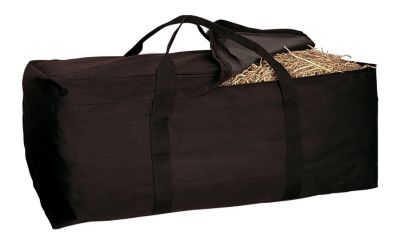
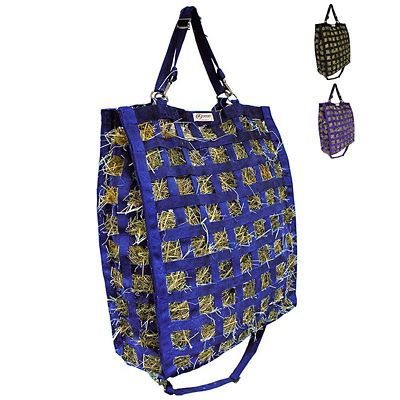
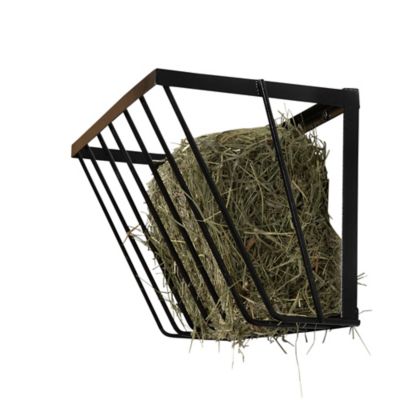
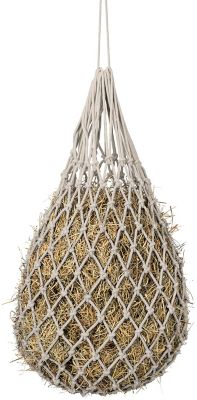
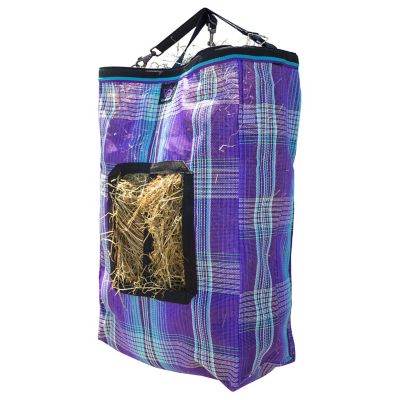
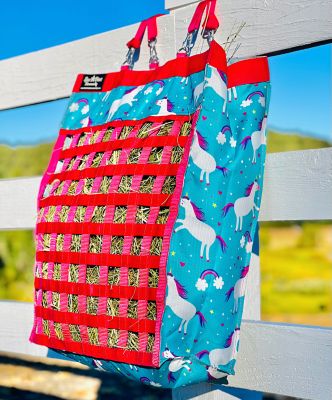
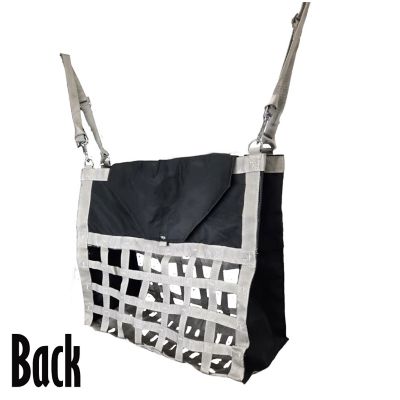
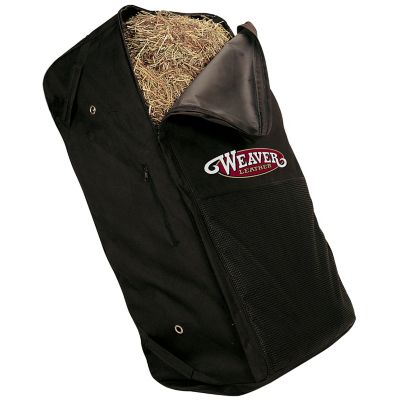
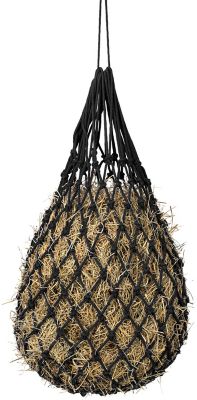
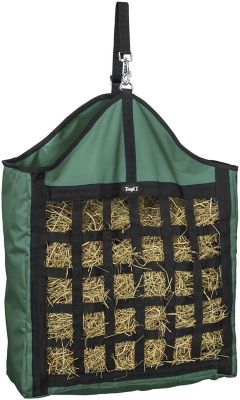
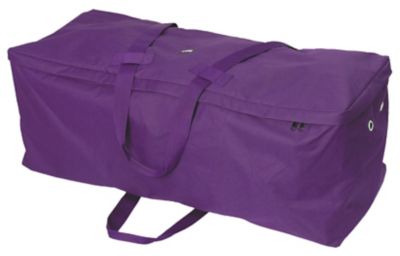
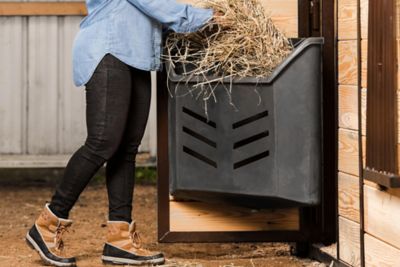
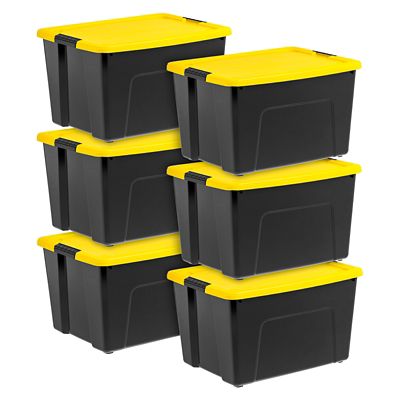
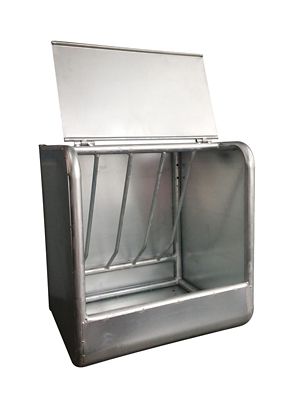
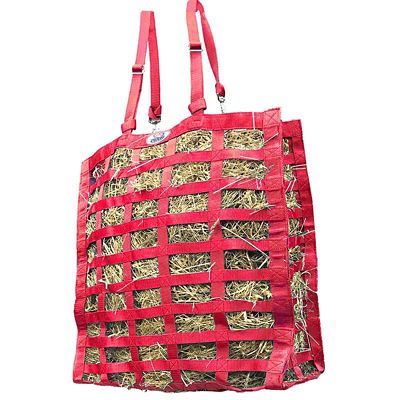
When comparing hay storage products, consider how much hay you keep on hand, whether it will be stored inside or outside, and how often it will be moved. Look for durable materials suited to repeated handling, secure fasteners that can stand up to wind, and dimensions that fit your bale size without leaving large gaps where rain or snow can reach the hay. Covers and supports should be easy to inspect and adjust, while storage accessories should help keep feed organized rather than create extra places for moisture, dust, or pests to collect. If hay is being portioned for daily feeding, smaller storage solutions can help keep flakes clean and protected in a barn aisle, tack room, or covered feeding area. A
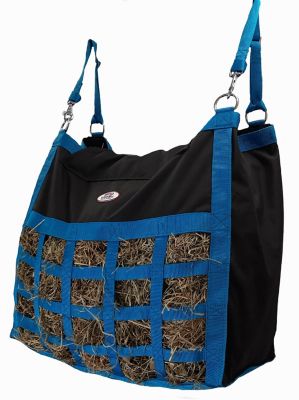
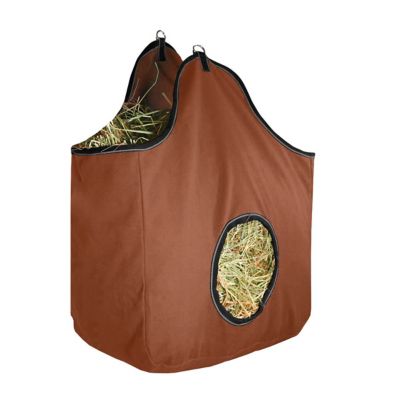
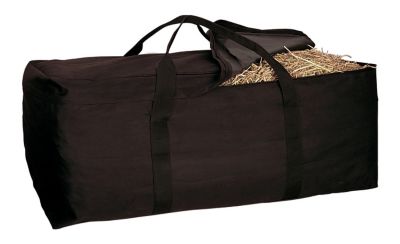
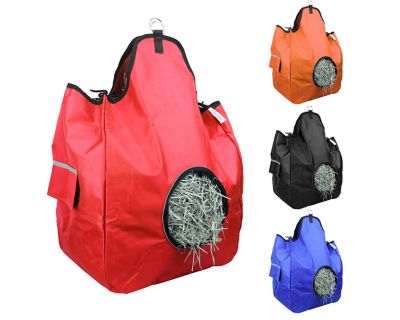
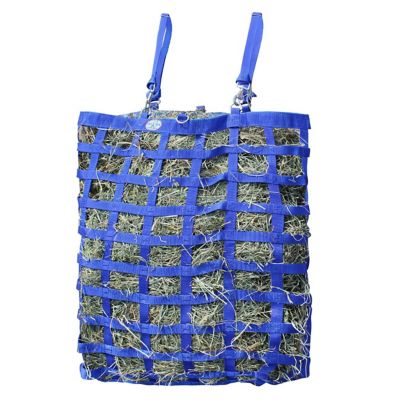
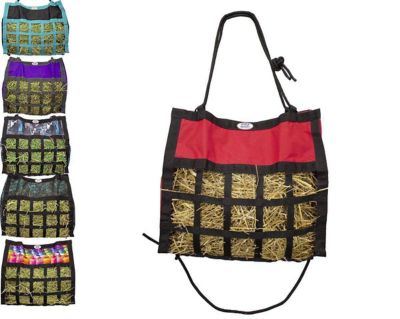
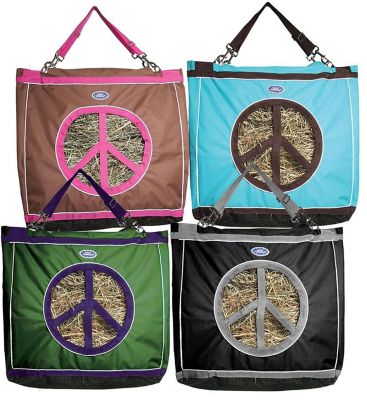
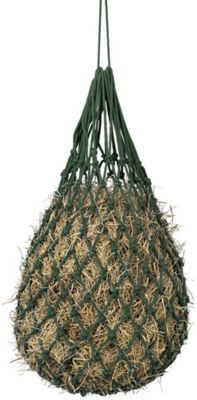
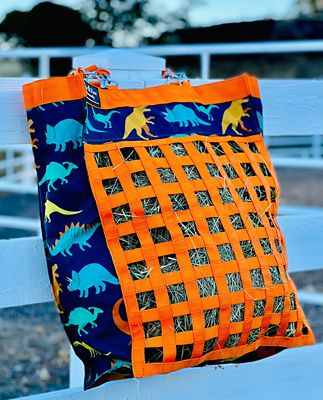
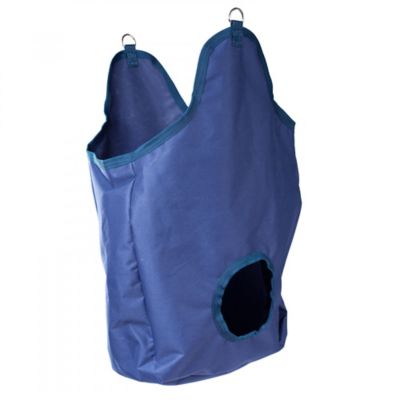
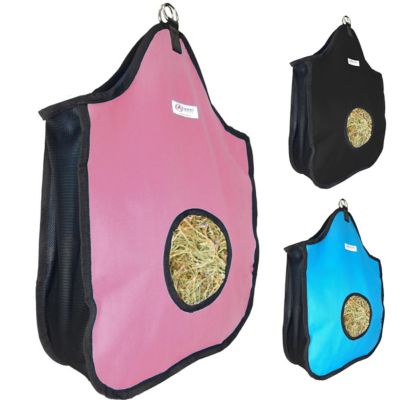
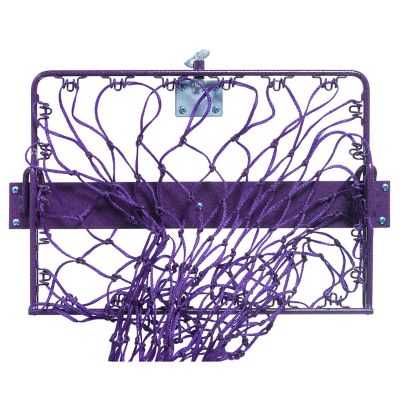
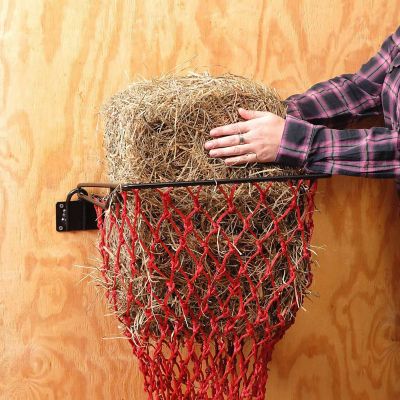
Hay Bags can also be handy for carrying or offering hay with less waste, whether it is used at home, in a trailer, or on the road. These practical supplies can be useful gifts for a new horse owner, a neighbor raising goats, or anyone setting up a first small livestock area, especially when paired with basic feed-handling and storage equipment. Keep older hay accessible and follow a first-in, first-out rotation so the oldest suitable feed gets used before newer bales. Labeling stacks by type or baling date can make that routine simple, and separating questionable hay from good hay helps protect the rest of the supply. With dry foundations, strong airflow, weather protection, and regular checks, hay storage products support cleaner feeding, less waste, and a safer, more dependable setup from the first bale through the last.