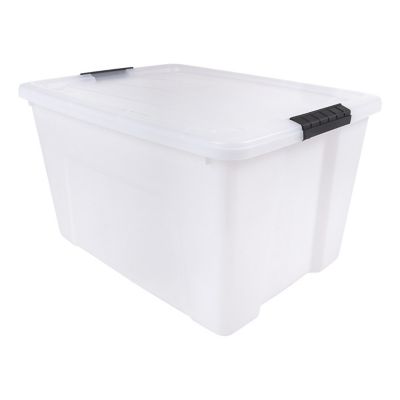
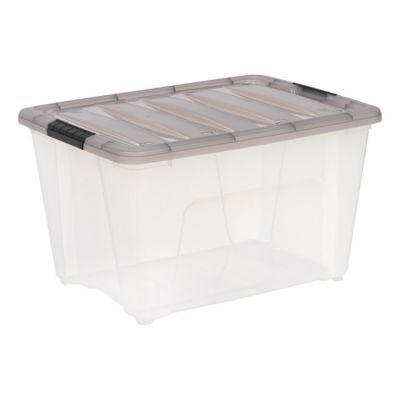
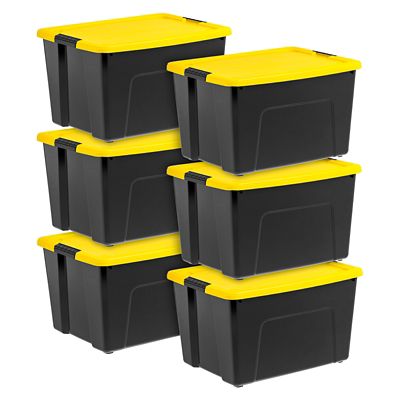
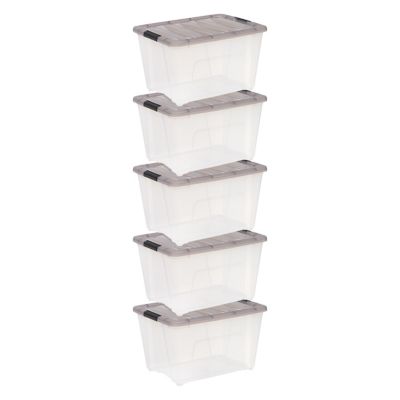
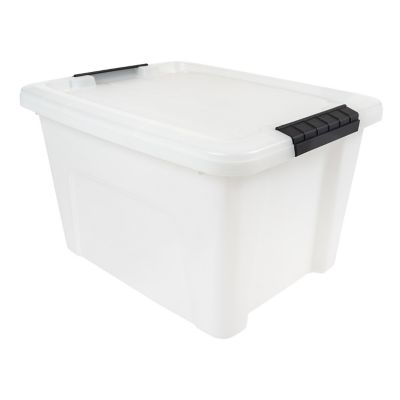
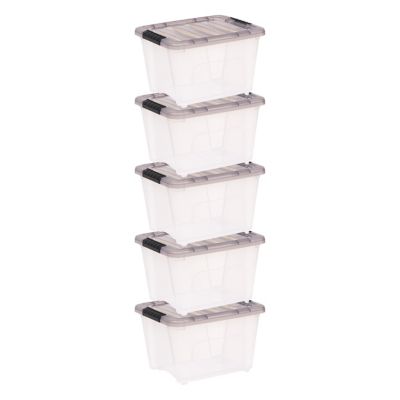
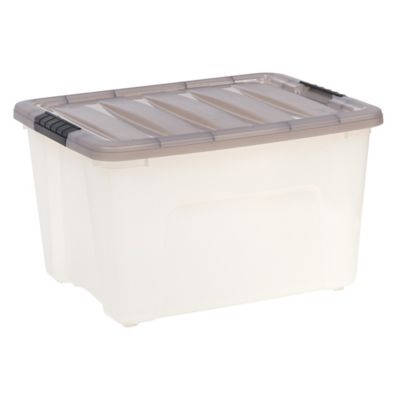
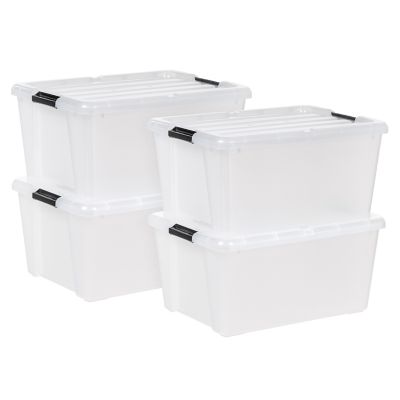
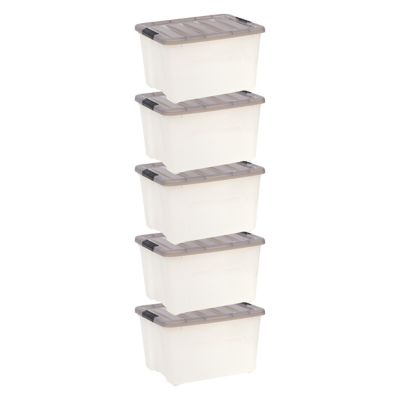
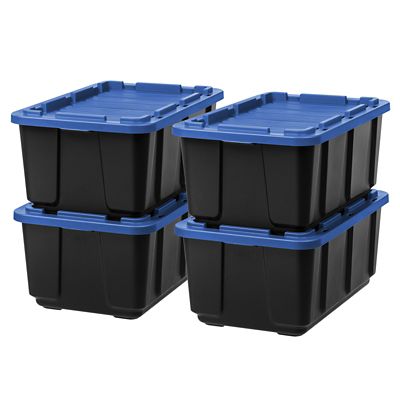
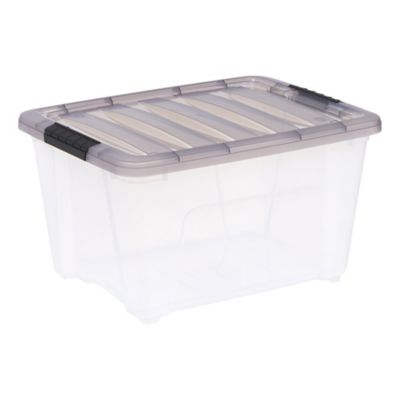
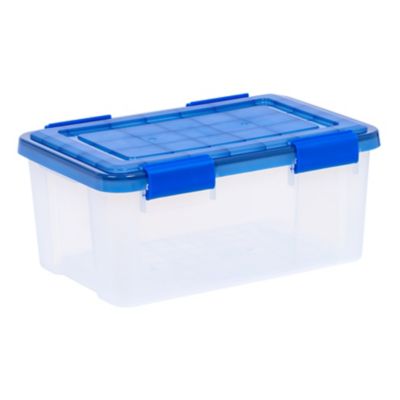
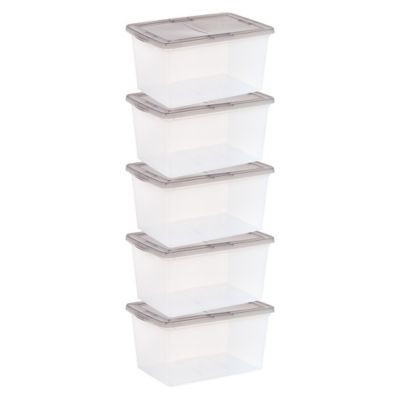
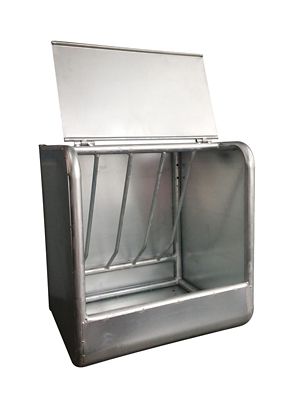
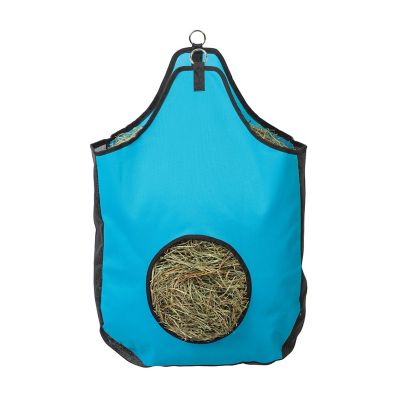
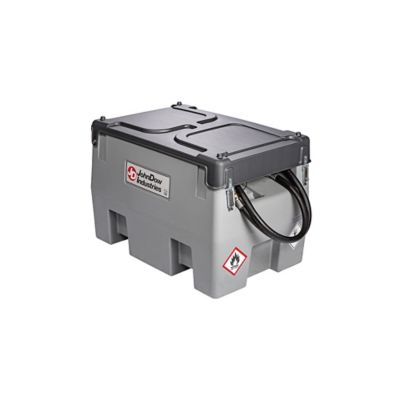
Farm storage bins help keep grain, livestock feed, seed, and other farm staples protected from rain, snow, pests, and the everyday dust and mess of the barn. For a small homestead, backyard flock, or family farm, a compact poly feed bin can make daily chores easier by keeping feed off the floor and close to the animals that need it. Larger operations may use heavy-duty bins or grain storage structures for bulk corn, wheat, soybeans, and other harvested crops. The right size depends on how much you buy, how quickly your animals or equipment use it, and how much room you have for delivery, filling, and cleanout. Smaller feed bins are commonly measured by pounds and may hold a few hundred pounds of feed, while large grain bins are often described by bushel capacity. As a general reference, one bushel of corn weighs about 56 pounds, wheat about 60 pounds, and soybeans about 60 pounds, though the actual weight can vary with moisture and crop conditions. That difference matters when planning both capacity and the strength of the surface beneath the bin. A bin filled with several hundred pounds of feed puts much more pressure on a floor than an empty container, so place it on a solid, level base that will not settle, crack, or collect standing water. On a working farm, storage is often part of the routine long before the first scoop is filled. During harvest, a clean, dependable bin gives you a place to hold grain safely instead of leaving bags exposed to damp air or a curious barn cat. During the cooler months, it can also help keep feed organized when wet ground and rough weather make frequent trips to a distant shed less convenient.
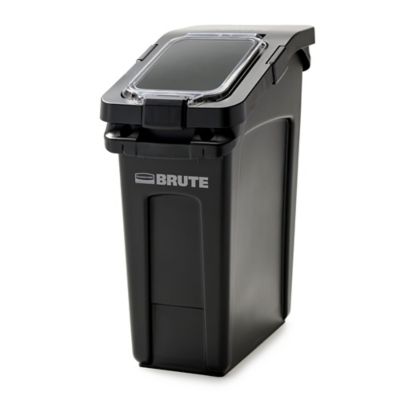
When choosing farm storage bins, start with the material, construction, and type of feed or grain you plan to store. Polyethylene bins are lightweight, corrosion resistant, and easy to wash, making them a practical choice for livestock feed, poultry feed, pet food, and other smaller-volume needs. Galvanized steel and other heavy-duty metal storage systems are built for greater capacity and are commonly used for bulk grain on farms and commercial operations. Smooth interior walls can help feed flow toward the outlet and leave fewer places for old grain to collect, while a secure lid or roof helps limit exposure to rain, snow, insects, birds, and rodents. Look for an opening that is easy to reach without climbing on an unsafe surface, and consider how you will scoop, auger, or dispense the contents once the bin is full. A low-access design can be handy for routine feeding, while larger bins may need a hopper, auger, chute, or other unloading setup. Ventilation is important for stored grain, especially when grain goes into storage with more moisture than expected. Warm grain can develop condensation as temperatures fall, and trapped moisture may lead to mold, caking, spoilage, or reduced quality. Keep stored material dry at the start, follow the storage recommendations for the specific crop or feed, and inspect the bin regularly for damp spots, unusual odors, bridging, or changes in texture. Do not mix fresh feed with old feed at the bottom of a container, where stale material can hide. Empty and sweep the bin between batches, remove spilled feed around the base, and check seals, fasteners, legs, and access points as part of regular upkeep. A clean, well-positioned bin can reduce waste and make it easier to see how much feed remains before an early-morning chore run turns into an emergency trip for supplies.
Farm storage bins are useful for livestock owners, horse keepers, poultry raisers, gardeners saving seed, and anyone who buys feed or grain in bulk. A horse owner may choose a dedicated storage container to keep pellets, sweet feed, or supplements dry and separate from other animals’ rations; browse
Feed Bins For Horses for storage needs specific to equine care. A poultry keeper may use a smaller bin beside the coop, while a cattle or dairy operation may need several larger containers arranged near the feed mixing area. On a homestead, separate bins can help prevent cross-contamination between livestock feed, wild bird seed, garden seed, and household pet food. They can also be a thoughtful, practical gift for someone starting a small farm, adding horses, raising chickens, or moving into a new barn—particularly when paired with feed scoops, measuring tools, or other chore essentials. Before buying, measure the available space from floor to ceiling and allow enough clearance to open the lid, remove the outlet, and clean around the container. Check the filled weight against the floor, platform, or trailer where the bin will sit, and think through how it will be delivered and moved into position. Larger on-farm grain bins may require professional planning, a prepared foundation, specialized handling equipment, and careful attention to fall prevention and grain entrapment safety. Never enter a grain bin without proper training, lockout procedures, ventilation, and an appropriate safety plan, and keep children away from storage areas and unloading equipment. Whether the need is a small feed container holding a few hundred pounds or a large structure measured in thousands of bushels, dependable storage protects valuable feed and harvests while keeping the barn, shed, and daily chores better organized.