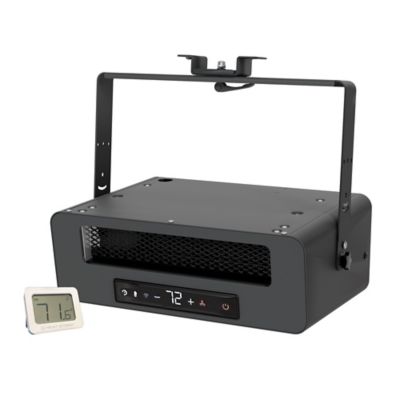
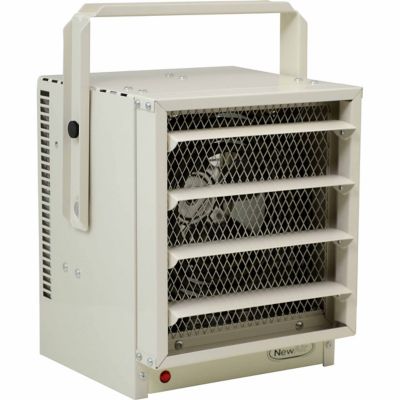
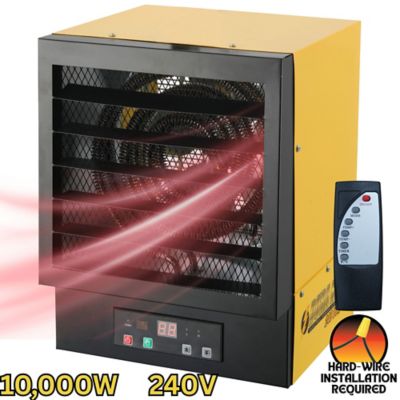
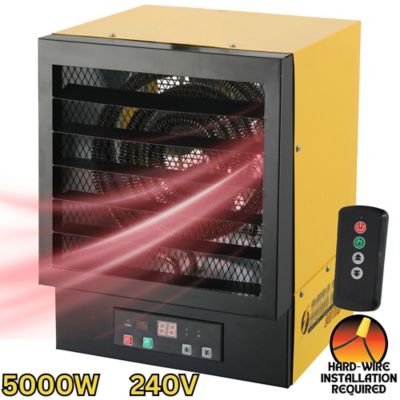
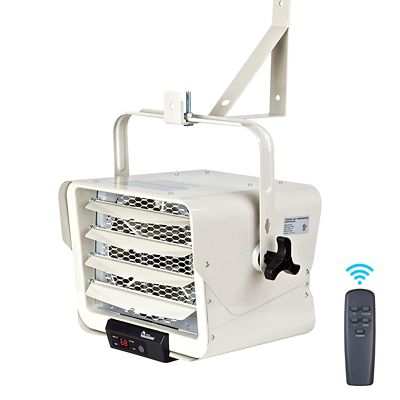
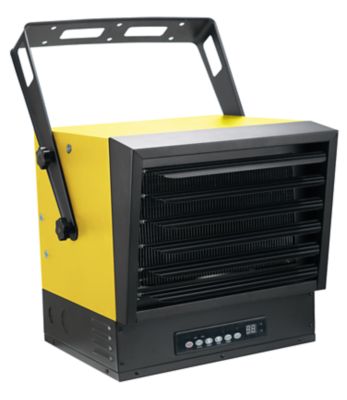
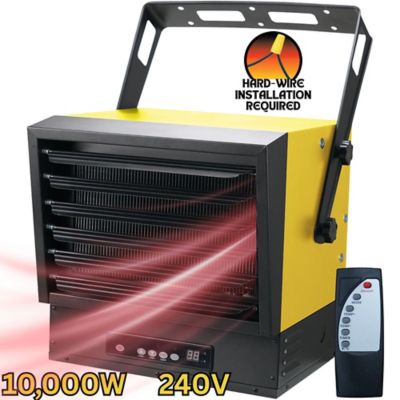
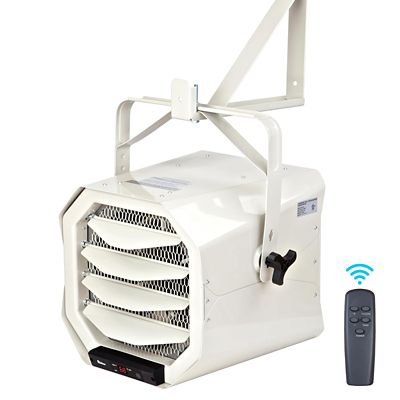
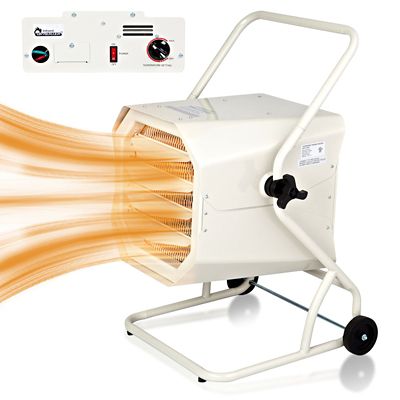
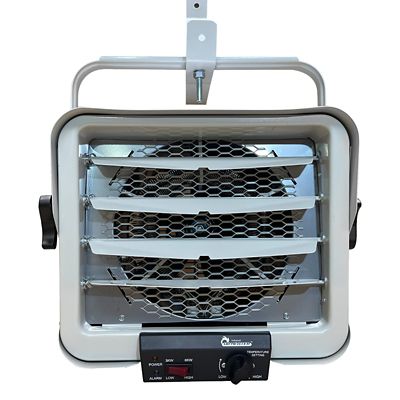
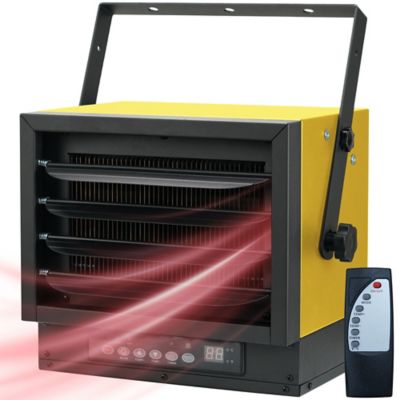
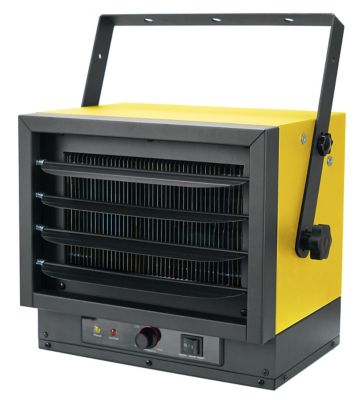
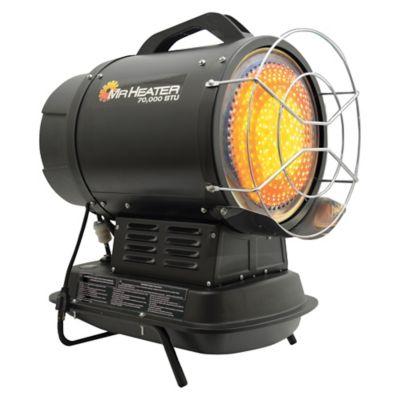
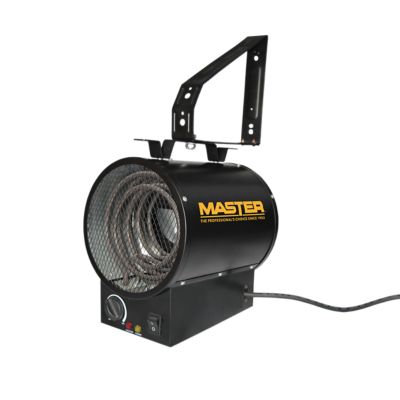
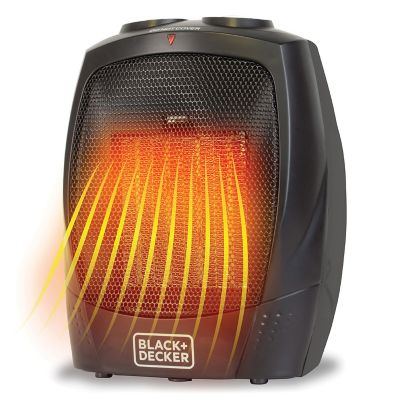
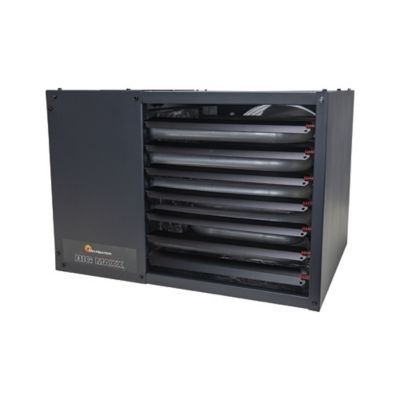
A hardwired 240V garage heater can make a cold workspace more comfortable without a portable unit taking up room beside the bench. Permanently connected to a suitable electrical circuit, these heaters suit garages and workshops where regular heating matters and floor space already has plenty of demands on it. For someone sharpening tools, sorting hardware, or spending an evening at a woodworking bench, steady warmth can make it easier to stay focused on the job. Many hardwired garage heaters mount overhead or along a wall, keeping the main work area clear while directing heat toward the space below. Fan-forced designs circulate heated air, helping spread warmth beyond the area directly in front of the cabinet. Placement still makes a difference: a heater aimed toward an open bay door will have a harder job than one positioned to move air through an enclosed work area. Choosing a size involves more than matching a square-foot number on the box. Ceiling height, insulation, window area, drafts, and how often the overhead door opens all affect the heat a garage needs. A finished, insulated two-car garage presents a different heating load than a tall shop with bare walls and gaps around the doors. Wattage describes electrical input, while BTU-per-hour ratings provide another way to compare heat output; neither replaces a look at the building itself. Higher ceilings also mean more air to warm, and heat collecting above the work area can leave the floor feeling cooler. When comparing
Garage Space Heaters, it helps to distinguish between taking the edge off a small project area and maintaining a comfortable temperature throughout an enclosed garage. That distinction keeps the choice tied to how the space actually functions, whether it holds a single workbench or several bays with room for equipment maintenance. A heater sized for the building and the intended work is a better fit than one chosen by cabinet size alone.
Construction and mounting details matter in a space where tools move around, doors roll overhead, and shelves tend to fill up. Steel cabinets and protective finishes are common features, offering a practical exterior for everyday garage conditions. Cabinet strength, mounting hardware, and a finish that resists corrosion all contribute to service life, though no heater belongs where it will be struck by equipment or exposed to moisture beyond its listed rating. A compact housing may fit neatly above a work area, but the bracket, permitted mounting height, and required clearance determine whether that location is suitable. Some brackets allow the cabinet to tilt or swivel within specified limits, and adjustable louvers can help direct the discharge toward open floor space rather than a shelf or wall. Those features are useful when the best mounting surface is not directly above the main work area. The fan also deserves attention. A garage heater moves air with a noticeable sound, so fan noise and airflow direction can matter in a shop where conversation or detailed bench work is part of the day. Controls vary by design, from a thermostat on the cabinet to a compatible wall-mounted control that is easier to reach. Adjustable heat settings can offer flexibility, while a fan-only setting, where provided, serves a different purpose than active heating. Thermostat compatibility is important because line-voltage and low-voltage controls are not interchangeable without the appropriate equipment. Hardwired 240V garage heaters also require an electrical setup matched to their rated load. A licensed electrician can assess circuit capacity, conductor size, overcurrent protection, grounding, and any required disconnect under local code. An existing 240V connection does not automatically mean a heater can share that circuit or connect to it as-is. Installation planning should account for the electrical service as well as the physical space, especially in an older outbuilding or a garage that already powers substantial equipment.
Day-to-day ownership is mostly about keeping the heater’s surroundings clear and giving its airflow room to do its job. A corner that looks open at installation can become crowded once lumber, storage totes, and hanging coats move in. Required clearances apply to the heater’s sides, top, intake, and discharge as specified by the manufacturer, not just the space directly beneath it. Shelves, garage-door tracks, open doors, and tall equipment all belong in that assessment. For dusty shops, maintenance access is another practical consideration. Dust buildup can restrict airflow and place extra strain on components, so the cabinet, intake, and accessible surfaces need cleaning according to the manufacturer’s directions, with electrical power disconnected before maintenance. Internal service is work for a qualified professional rather than a reason to reach through a grille. Electric resistance heaters do not burn fuel at the point of use, so they do not require a combustion exhaust vent; that does not make every garage environment suitable for them. Standard models are not intended for areas containing flammable vapors, combustible dust, or spray-finishing operations unless specifically listed for those conditions. Gasoline, solvents, and other flammable materials need storage and handling that follow their safety requirements and the heater’s instructions. Built-in overheat protection is an important safeguard, but it does not replace proper installation or unobstructed airflow. Running costs depend on wattage, thermostat setting, insulation, outdoor conditions, and operating time, so a larger unit is not automatically the better match. Sealing drafts and improving insulation can help the building hold heat rather than sending it straight through gaps around the door. For a garage that sees regular bench work or long repair sessions, the strongest fit is a heater with suitable output, accessible controls, and a mounting arrangement that stays clear as the shop fills up. Those everyday details help make permanent electric heat a practical part of the workspace rather than another obstacle to work around.