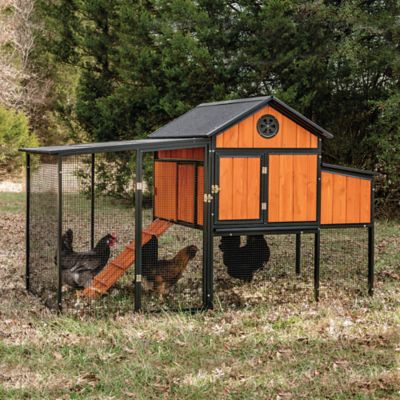
Hardware Cloth For Chicken Coops
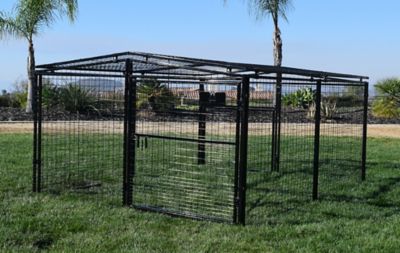
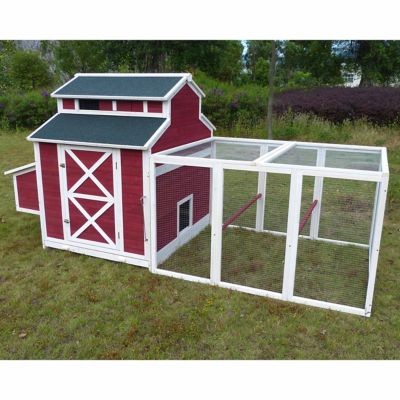
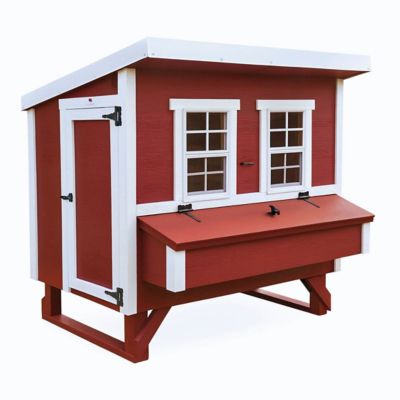
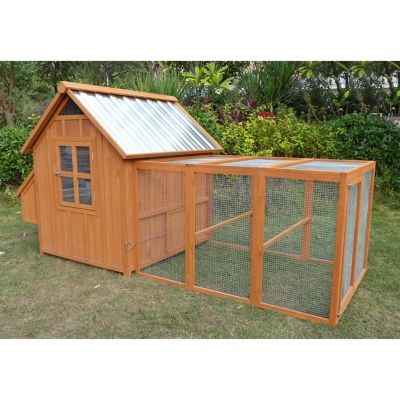
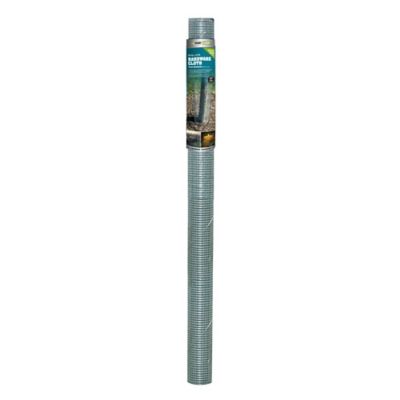
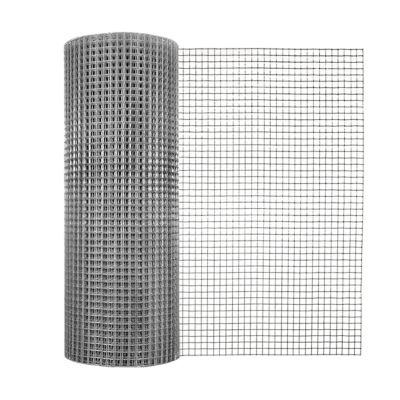
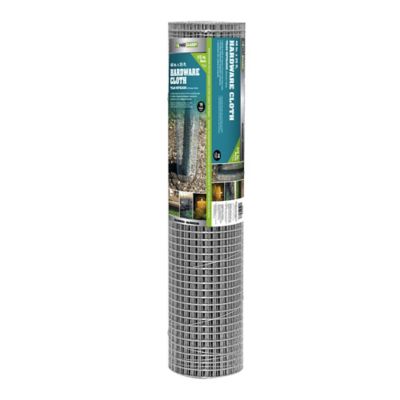
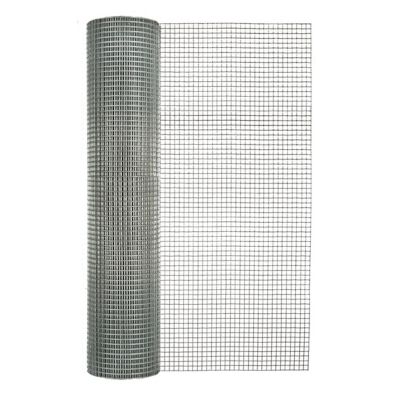
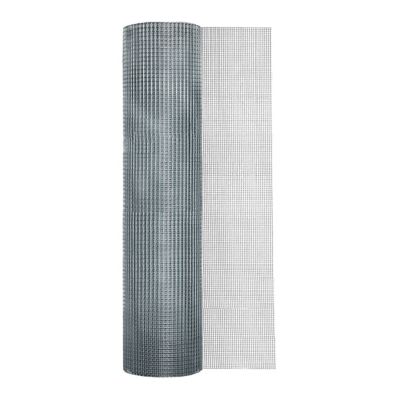
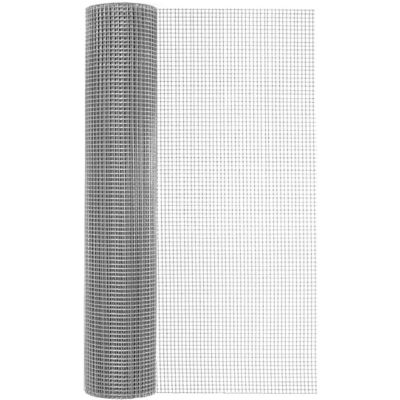
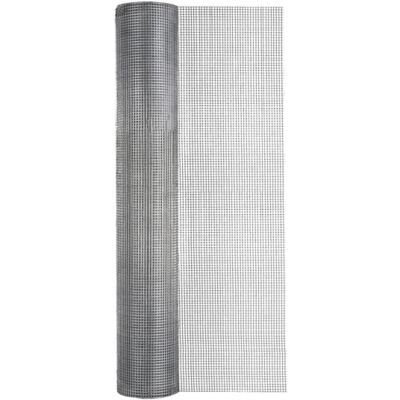
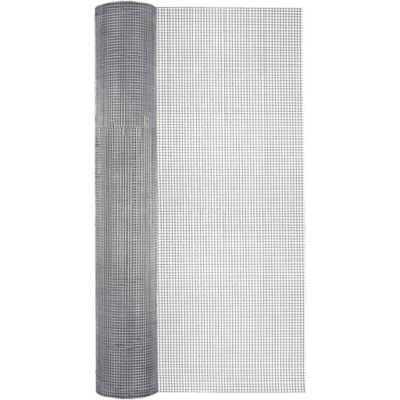
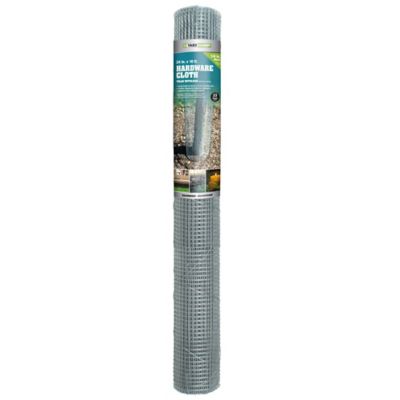
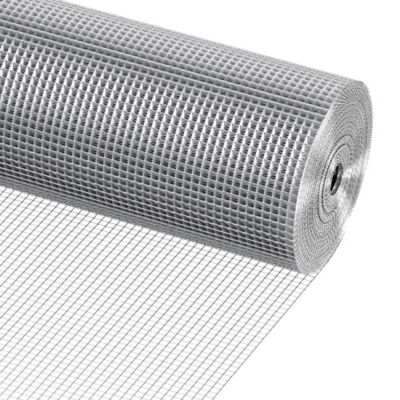
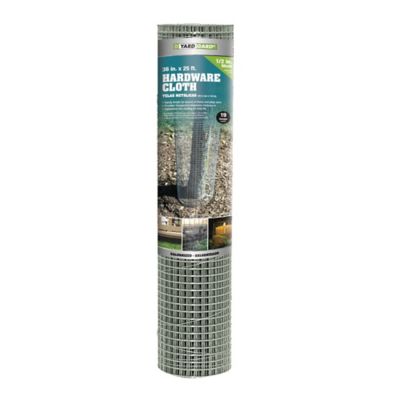
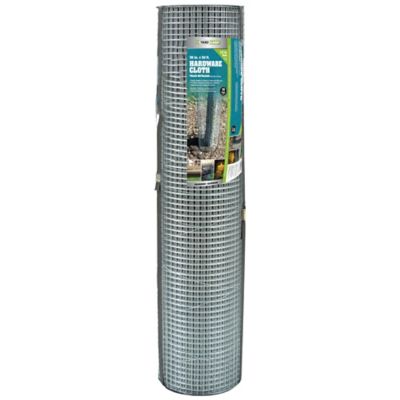
Keeping your flock safe and sound starts with the right supplies, and hardware cloth for chicken coops is a must-have for any backyard or farm setup. Whether you're building a new coop or fixing up an old one, sturdy hardware cloth helps keep unwanted critters out while letting your chickens enjoy plenty of fresh air. From small runs to larger set-ups, you'll find what you need to help protect your birds and give yourself a little more peace of mind.
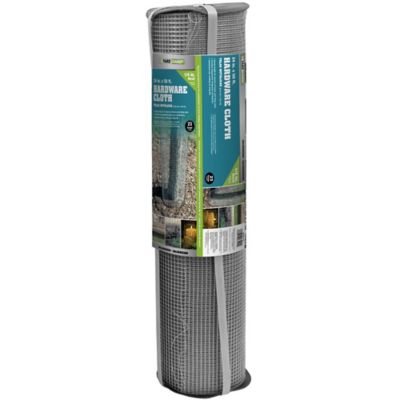
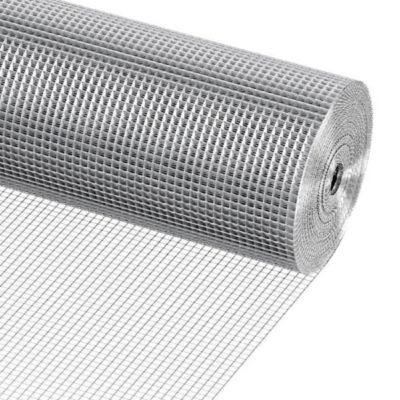
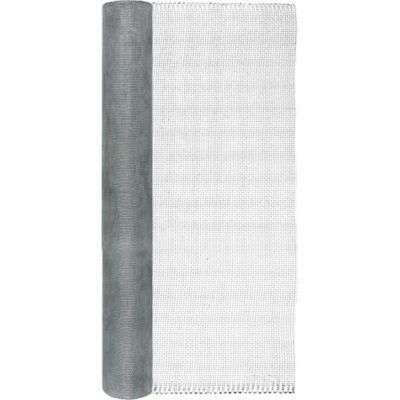
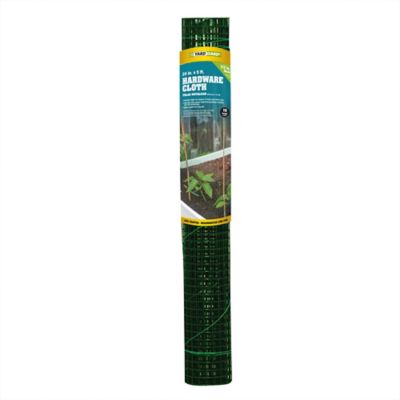
Best Of FAQ
What is hardware cloth and why do folks use it for chicken coops?
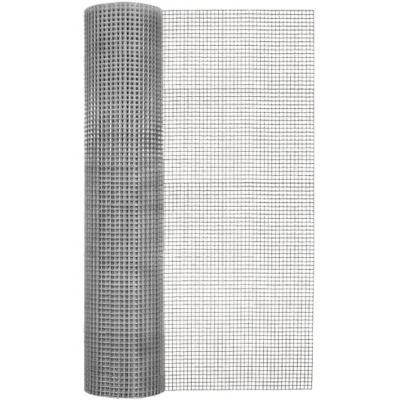
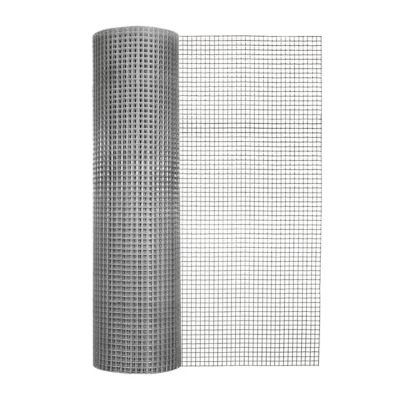
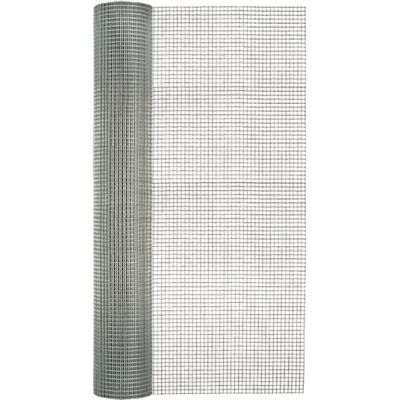
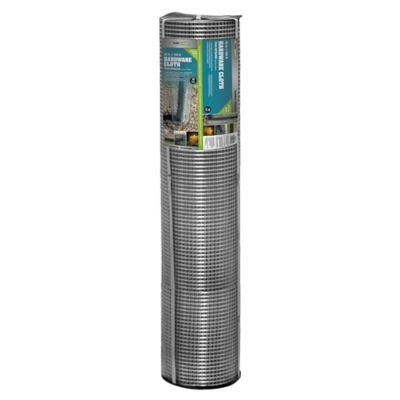
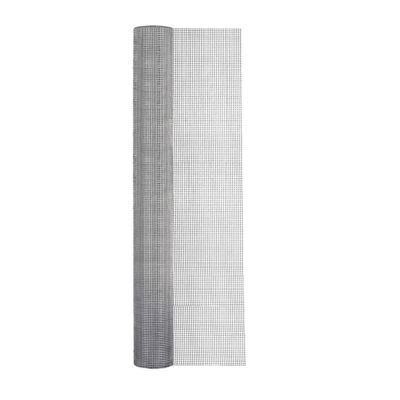
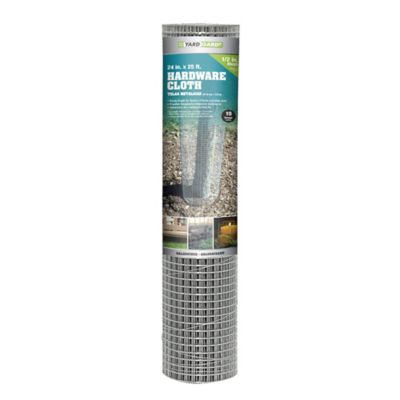
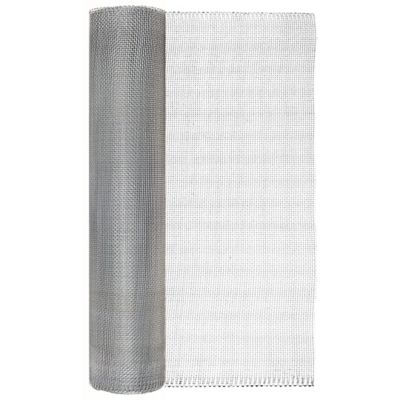
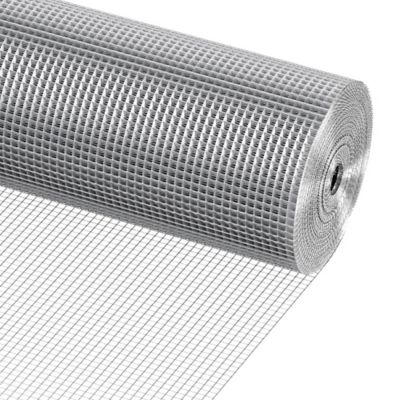
Hardware cloth is a sturdy wire mesh that’s great for keeping critters out of your chicken coop. It’s tougher than regular chicken wire, so it helps protect your flock from raccoons, weasels, and other unwanted visitors.
How do you attach hardware cloth to a chicken coop?
Most folks use staples, screws with washers, or fencing nails to secure hardware cloth to the frame of their coop. Just make sure it’s pulled tight and fastened down good so nothing can squeeze through.
Can hardware cloth work for other parts of the coop besides the run?
Yep! Hardware cloth works well on windows, vents, and even under the floor of your coop to keep digging critters out. It’s handy just about anywhere you need some extra protection.
Does hardware cloth rust if it gets wet?
Galvanized hardware cloth holds up pretty well against rain and weather. Over time, any metal can show a little wear, but galvanized options are made to last longer outdoors.
Is hardware cloth easy to cut and work with?
It takes a bit of elbow grease, but with a good pair of wire cutters or tin snips, you can cut hardware cloth to fit just about any space in your coop. Gloves help too—it can be sharp on the edges!
Best Sellers
-
"Sturdy, easy to assemble and I love the fact that you can buy extensions as wish"
-
"The instructions are mediocre at best and it’s flimsy and the doors have trouble closing now"
-
"Really love this chicken coup. It was delivered in great shape and instrcutions are easy to follow"
-
"Great hen house. Our girls love it. Took a few hours to put together"
-
"One of the best built chicken coops I’ve ever put together—and I’ve been through at least a dozen coops"