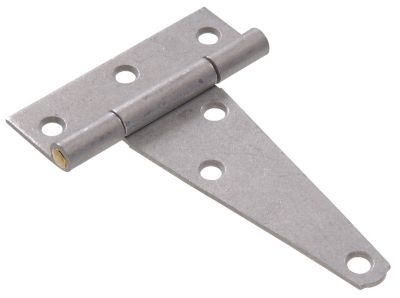
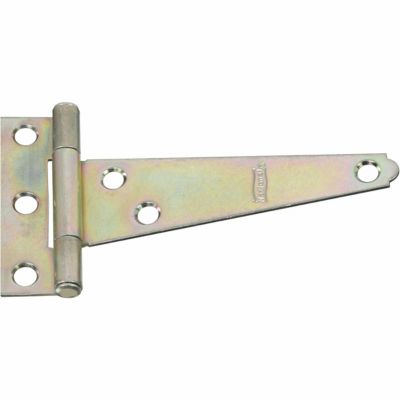
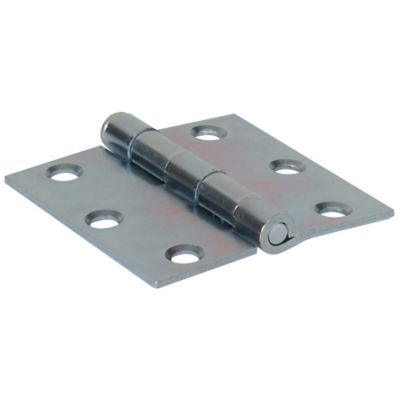
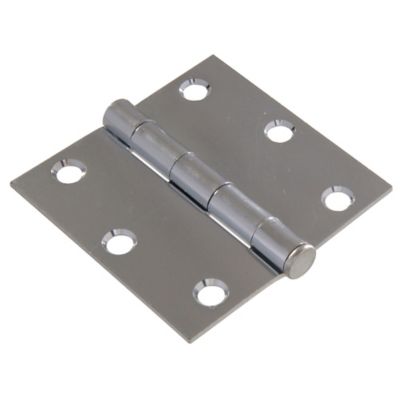
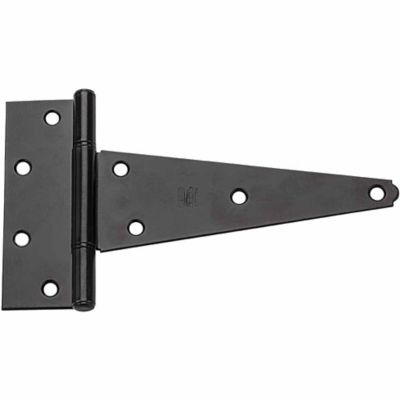
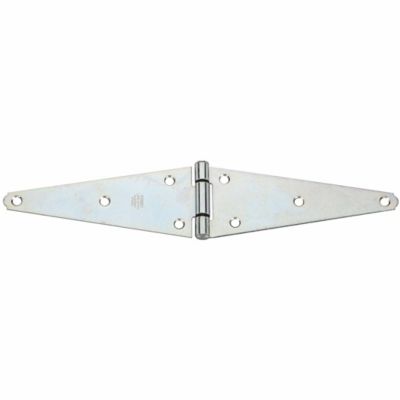
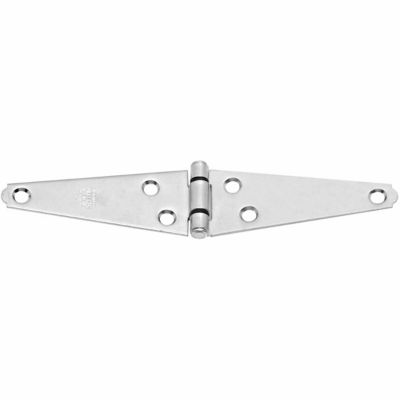
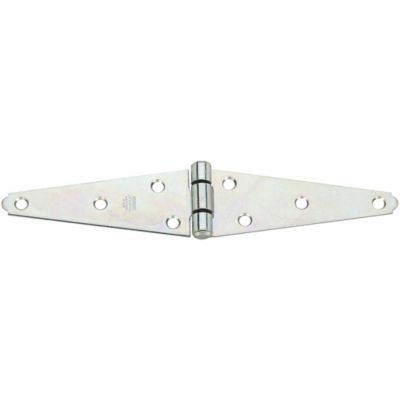
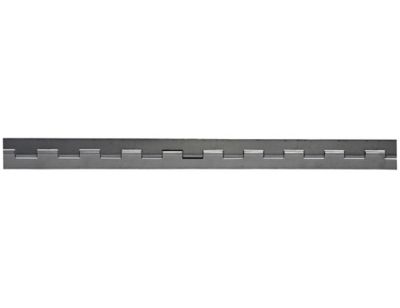
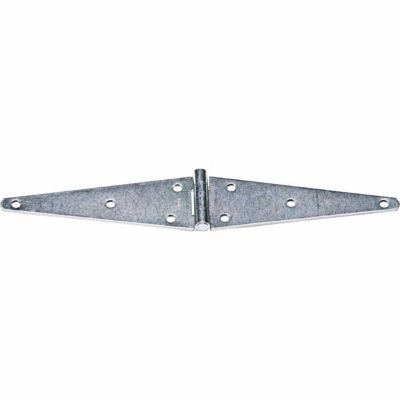
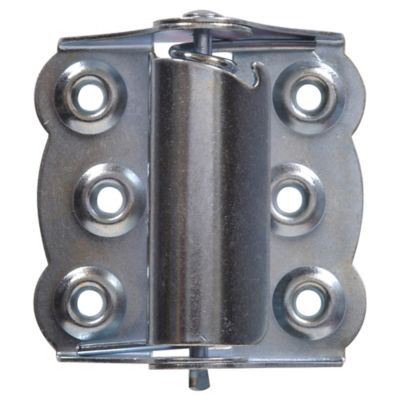
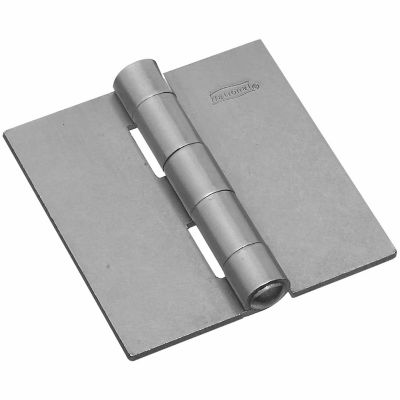
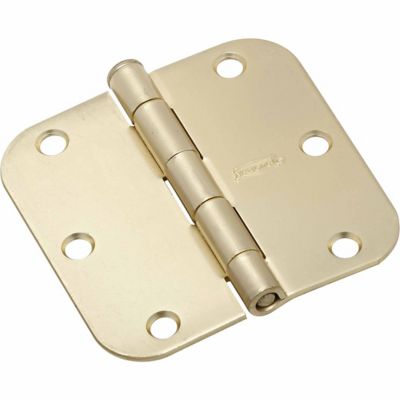
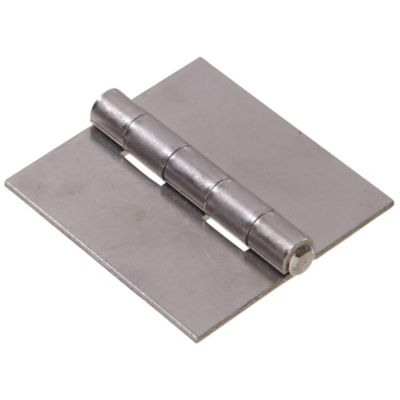
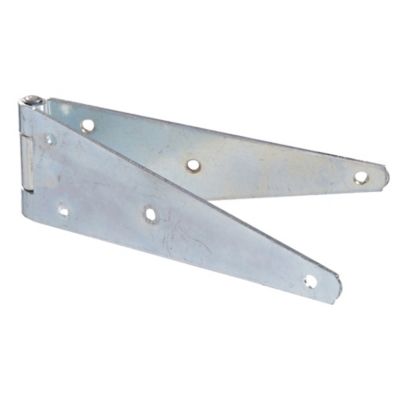
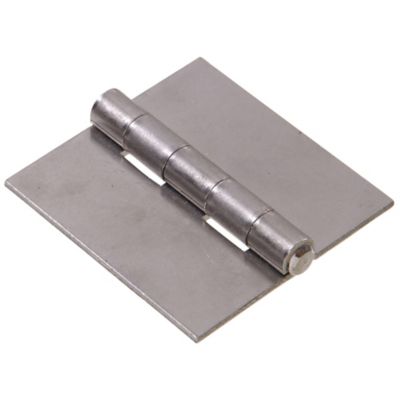
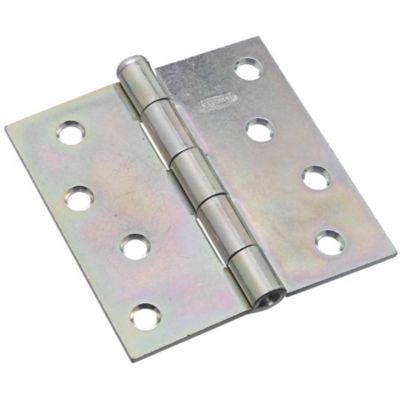
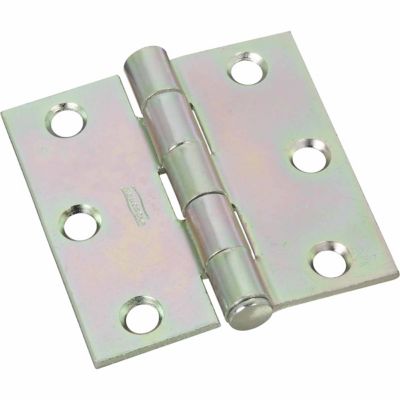
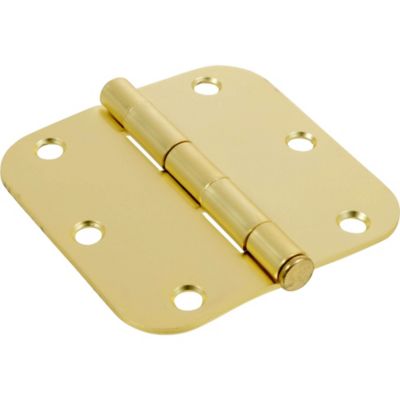
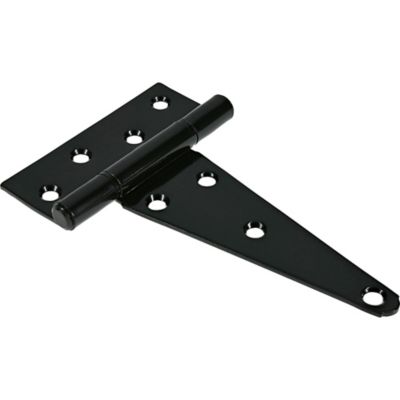
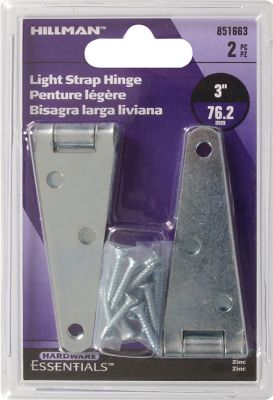
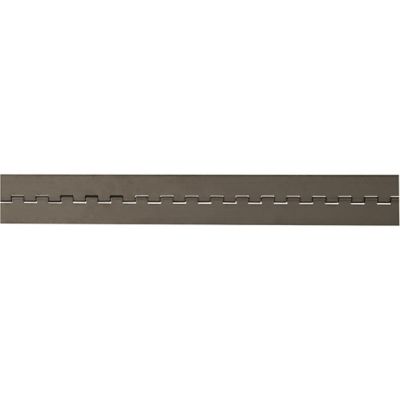
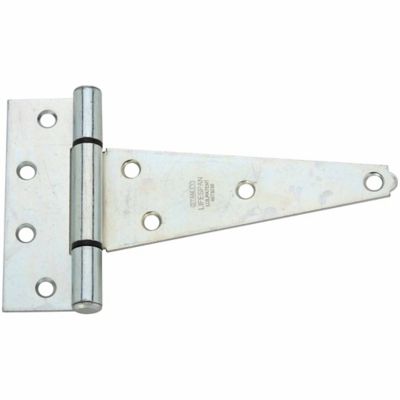
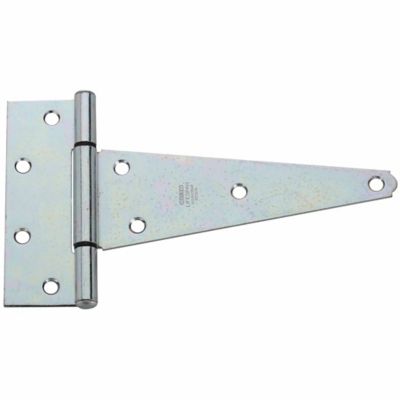
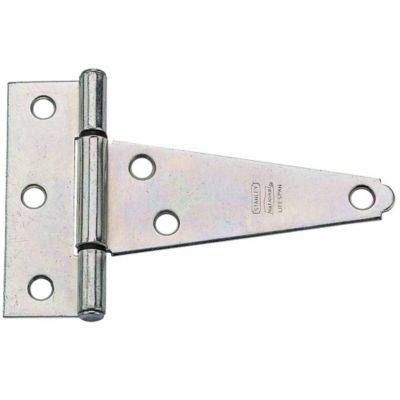
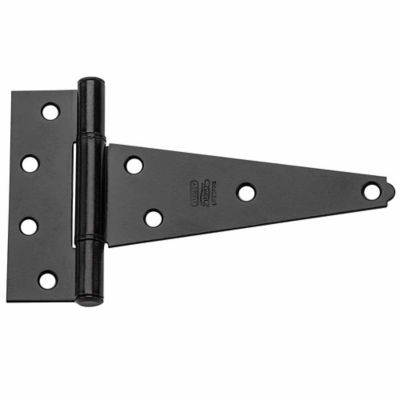
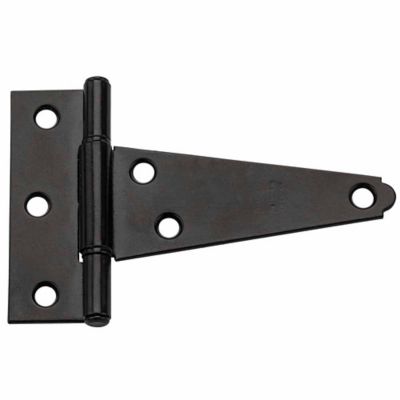
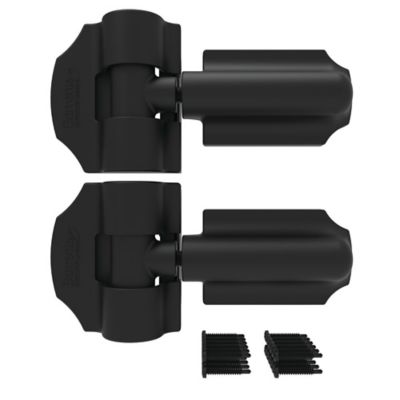
Hardware hinges are small parts that do a big job, whether they are carrying a solid entry door, helping a cabinet door sit neatly against its frame, or letting a wooden box open and close without a wobble. The right hinge creates a smooth pivot between two fixed surfaces and controls how far the moving piece can swing. That makes hinge selection worth a little thought before the screws go in. Start by identifying what you are working on and how the hinge will be mounted. Traditional butt hinges are a dependable choice for many interior doors, exterior doors, gates, cabinets, and furniture projects. Concealed hinges stay out of sight when a cabinet door is closed and are often adjustable for fine-tuning the fit. Semi-concealed styles leave part of the hinge visible and work well with face-frame cabinets, while piano or continuous hinges run along much of a door or lid to spread the load across a longer section. Surface-mount hinges are useful when you need a straightforward installation with the hinge attached to the outside of the door and frame; browse
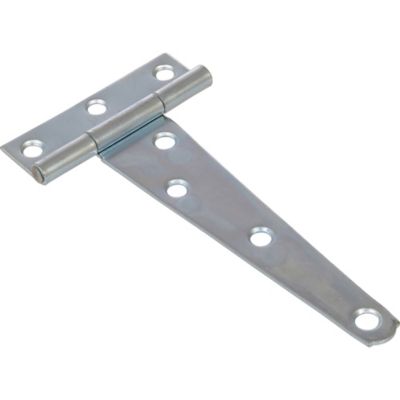
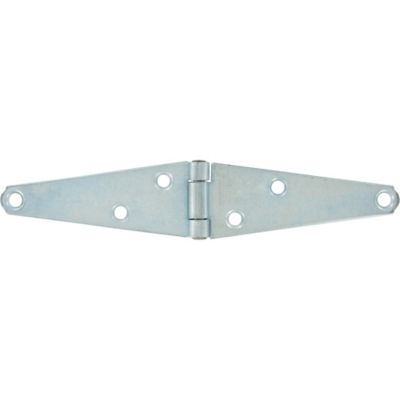
Surface Mount Hinges for options suited to that type of project. Hinge styles can also include strap, spring, offset, and specialty designs, each made for a particular opening, closing, or weight requirement. A hinge that looks right on the shelf may not be the best match if it cannot support the load or provide enough clearance, so take a few measurements and consider the full movement of the door before choosing.
Door and cabinet construction are just as important as hinge style. An inset door sits flush inside the opening, while an overlay door rests partly or fully over the face frame; these layouts call for different hinge configurations and hole positions. Measure the door’s height, width, thickness, and approximate weight, then account for the number of hinges needed to share that weight. Tall, heavy doors generally need more support than small cabinet fronts, and a wide door may put extra strain on the hinge side as it swings. For a replacement job, matching the old hinge’s length, width, corner shape, screw-hole spacing, and overall thickness can save time and help avoid filling and redrilling the frame. For a new build, hold the hinge in place and check that the knuckles clear the edge, trim, molding, and nearby hardware through the entire swing. Steel hinges offer a sturdy choice for everyday doors, while stainless steel can be a smart fit where moisture, mud, or changing temperatures are part of the setting. Brass, bronze, and aged finishes bring a warmer look to furniture, cabinets, barns, and traditional home interiors. A finish is more than decoration when a hinge will be exposed to damp air or handled often, so look for materials and coatings that fit the environment. Outdoor gates, tack-room doors, feed-storage cabinets, and shop projects may need hardware that stands up to dust, humidity, and repeated use, while a dry indoor furniture project may give you more freedom to focus on appearance. Keep the included or compatible screws in mind as well; fasteners should be long enough to hold firmly in the frame without breaking through the opposite side.
Hardware hinges come in handy for repairs, renovations, home building, woodworking, and the steady stream of practical projects that collect around a farm or rural property. A loose hinge on a mudroom door can let cold air sneak through and leave the door hanging crooked. A worn cabinet hinge can make a pantry door scrape the shelf, while a properly chosen continuous hinge can keep a heavy storage lid aligned after years of opening and closing. They are useful for chicken-coop doors, garden gates, tool chests, workbench cabinets, barn windows, shop doors, homemade furniture, and replacement work on older homes where the original hardware has finally worn out. During the cooler months, many folks turn their attention indoors to cabinet repairs, workshop projects, and small improvements that make daily chores easier, but hinges remain useful outdoors whenever conditions allow safe installation. Before mounting, inspect the wood or frame for splitting, rot, stripped holes, or loose joints; a new hinge cannot make a weak mounting surface dependable. Mark the screw holes carefully, predrill in solid wood when needed, and support a heavy door while fastening so its weight does not pull the hinge out of alignment. After installation, open and close the door slowly, check for rubbing, and tighten the screws evenly rather than forcing one side down. A drop of suitable lubricant may help on a squeaky metal pivot, though concealed cabinet hinges usually call for adjustment rather than oil. With the proper size, material, finish, and mounting style, a simple hinge can keep a door or lid moving true and dependable through everyday use.