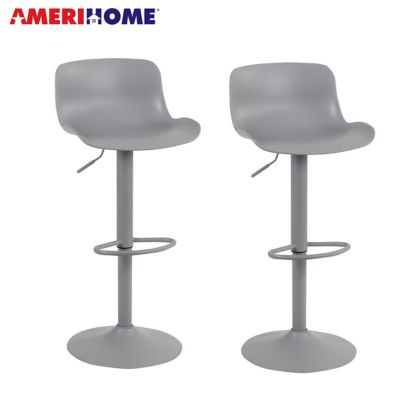
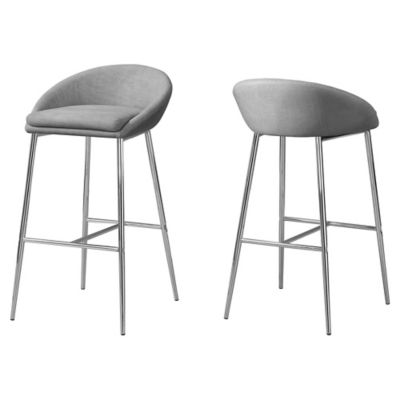
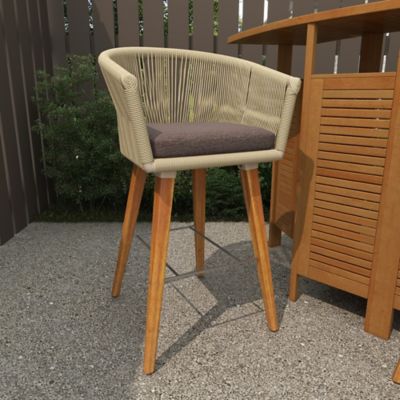
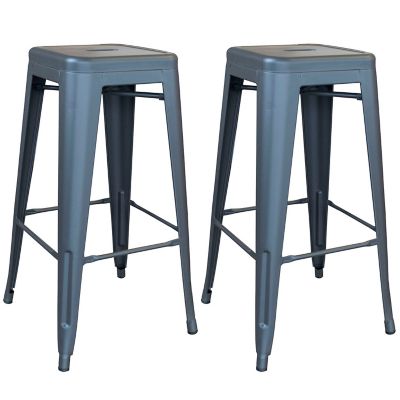
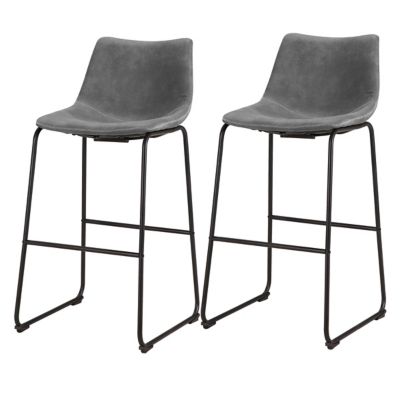
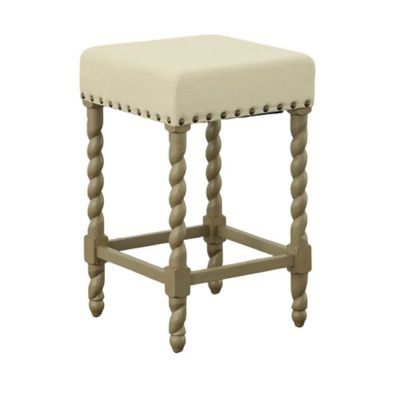
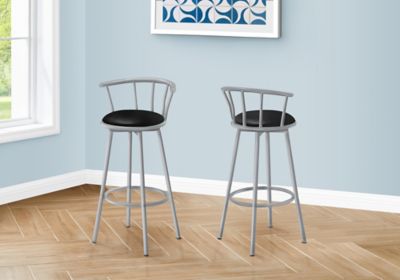
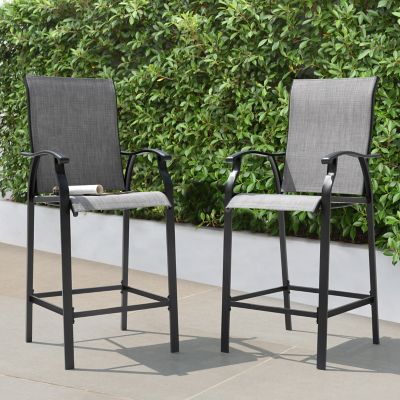
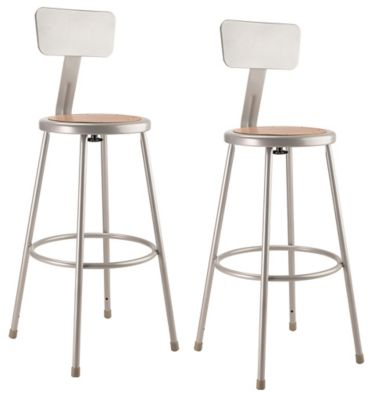
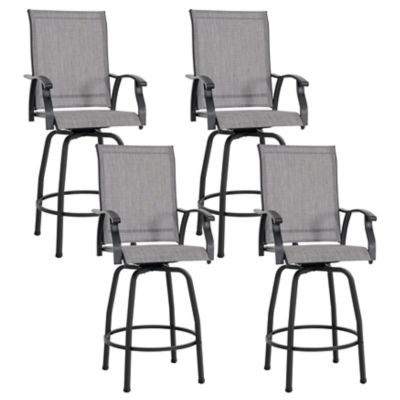
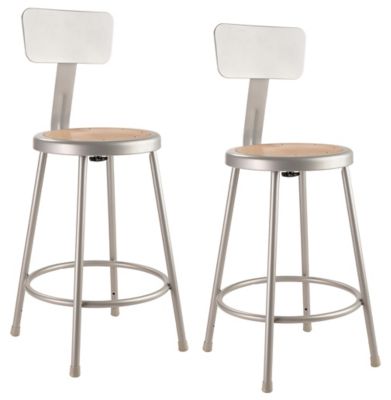
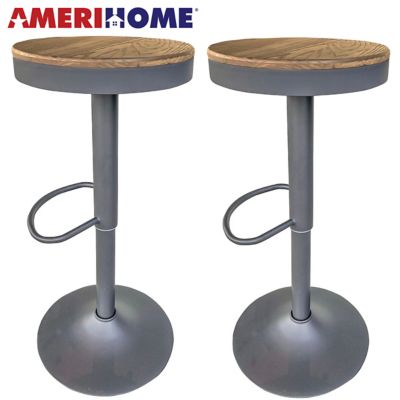
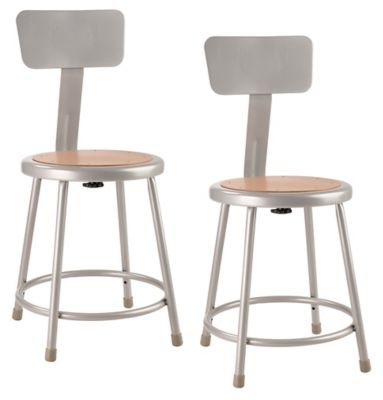
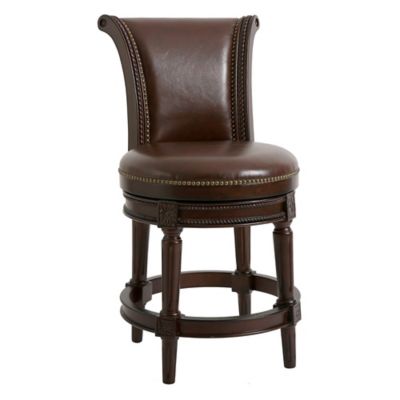
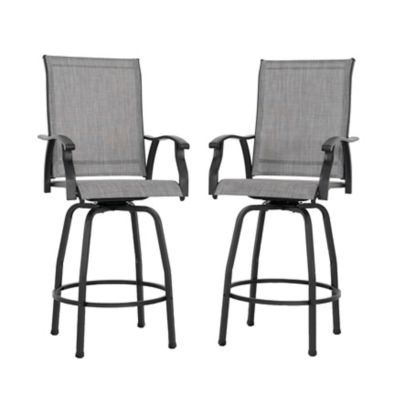
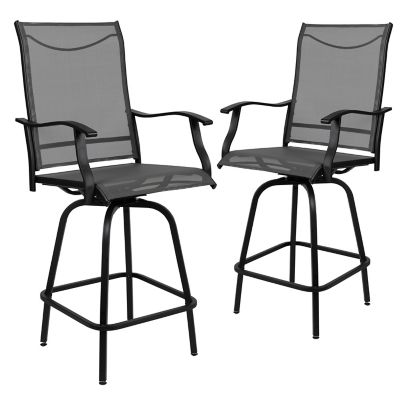
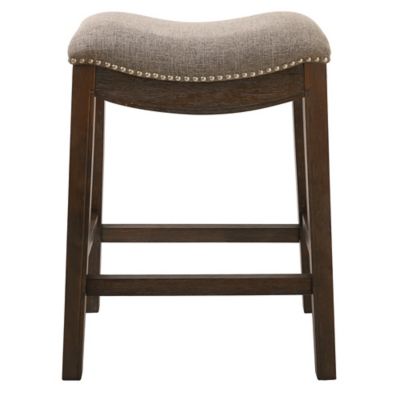
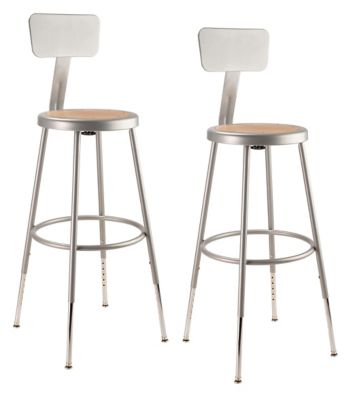
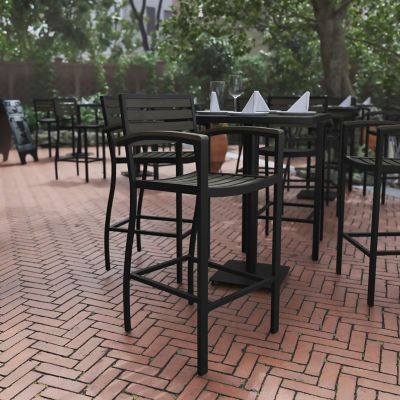
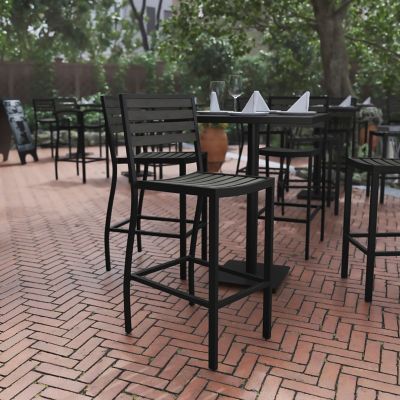
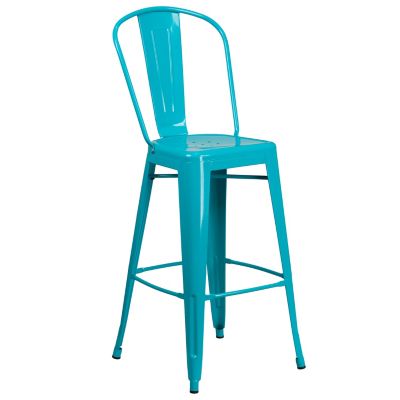
Gray modern bar stools bring clean lines and a go-with-anything color to kitchen islands, raised breakfast bars, and home gathering spaces. Their appeal comes from the balance of a simple shape and a shade that settles in beside wood, stone, painted cabinets, or metal fixtures without taking over the room. Light gray can keep a small kitchen feeling open, while charcoal adds contrast against pale countertops and white cabinetry. Warm gray, sometimes carrying a brown undertone, sits comfortably alongside oak floors and natural wood beams; cooler gray works well with crisp white surfaces and black or brushed-metal accents. That range makes gray seating a good fit for a country home with a freshly updated kitchen, a cabin with an open living area, or a farmhouse where the island handles everything from breakfast to sorting the mail. Modern styling does not have to mean stark or formal. A gently curved back, a woven fabric seat, or wood legs can soften the look while keeping the overall shape uncluttered. Gray upholstery paired with exposed metal leans toward an industrial feel, while tapered wood legs and a rounded seat bring a softer, mid-century influence. Simple backless silhouettes keep sightlines clear across an open room, letting the countertop and surrounding finishes stand out. Texture matters, too: a smooth gray seat looks different from a nubby charcoal fabric, even when the colors are close. In daylight, undertones and surface texture become easier to see, so the surrounding floors, cabinets, and lighting all play a part in how gray looks at home. For a room that needs a brighter contrast,
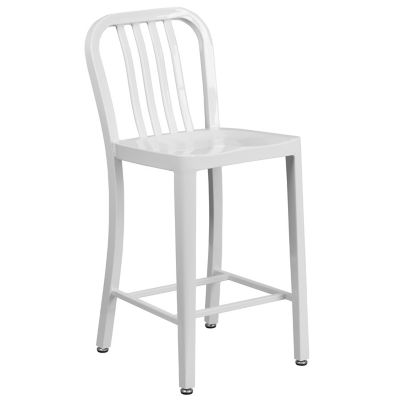
White Bar Stools With Backs offer another way to pair light-colored seating with back support. Whether the setting is a quiet coffee spot or a busy island where family gathers after chores, the best-looking stools feel like they belong with the rest of the room.
The fit of gray modern bar stools matters just as much as their finish, especially where folks sit down for a full meal rather than a quick cup of coffee. Seat height is the distance from the floor to the top of the seat, not the top of the backrest. Counter-height seating generally has a seat around 24 to 26 inches high for a surface about 36 inches tall, while bar-height seating commonly measures around 28 to 30 inches for a surface about 40 to 42 inches tall. A comfortable arrangement typically leaves about 10 to 12 inches between the seat and the underside of the counter or bar, with extra attention to any apron, drawer, or support that reduces knee room. Those proportions let someone settle in without feeling perched too high or reaching up toward a plate. Seat width and spacing matter when several people share the same stretch of countertop. Roughly 26 to 30 inches from the center of one stool to the next is a useful starting point, though wider seats, arms, and swivel movement may call for more space. There also needs to be enough room behind the seating for someone to walk past without squeezing between a stool and a wall. A backrest gives support during supper, homework, or a long conversation, while a backless stool can tuck farther beneath an overhang when space is tight. Low backs preserve an open look; taller backs provide more contact across the back but remain more visible from nearby rooms. Arms can add a comfortable resting place, provided they clear the counter when the stool slides in. Swivel seats make it easier to turn toward the kitchen or living area without dragging the base across the floor, though the seat needs clearance from cabinets and neighboring stools. Adjustable-height designs can accommodate different surfaces within their stated range, but their base size, adjustment mechanism, and weight rating still matter. A well-placed footrest gives feet somewhere to land, and a broad, properly assembled base helps seating feel steady during everyday use.
Materials shape how gray modern bar stools feel, how they wear, and how much attention they need between meals. Powder-coated steel brings a straightforward look that pairs well with black hardware and hardworking kitchen finishes, while wood frames add warmth beside painted cabinets or stone counters. Both depend on sound construction, secure joints, and care suited to the finish. Upholstered seats offer cushioning for lingering over breakfast or visiting during the cooler months, when more gathering happens indoors. Tightly woven fabric can give a room a softer feel, but crumbs and spills may need more attention than they would on a smooth, wipeable surface. Textured gray fabric can make small bits of lint or everyday marks less noticeable, yet color alone does not prevent staining. Faux leather often allows quick surface cleanup, though harsh cleaners and prolonged heat can damage some finishes. Genuine leather has its own care needs and can change in appearance over time. Velvet adds softness and a subtle shift in color as the light catches its pile, but it may show pressure marks or collect pet hair. In a kitchen where muddy boots stop at the door and breakfast still gets hurried, the care label is worth as much attention as the color. Prompt blotting, regular crumb removal, and cleaners approved for the seat material help keep seating ready for the next meal. Floor-safe glides can reduce scraping on wood or tile, and occasional checks of bolts and footrest connections help address looseness before it becomes a bigger concern. Weight limits and assembly directions belong in the decision as well, particularly for seating that will see frequent family gatherings. Stools intended for indoor use should stay out of damp porches and open-air entertaining areas unless their specifications allow those conditions. For a housewarming gift, matching the recipient’s counter height and room layout matters more than choosing a color alone. With the right proportions, supportive details, and manageable care needs, gray seating can handle a full breakfast, an evening card game, or a neighbor stopping by for coffee while keeping the room pulled together.