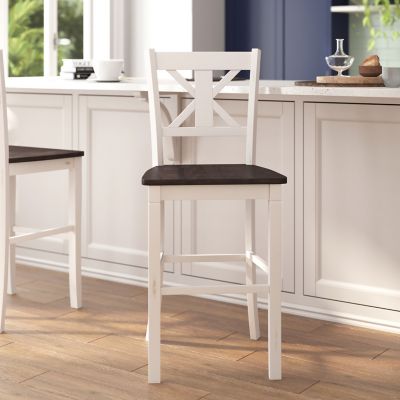
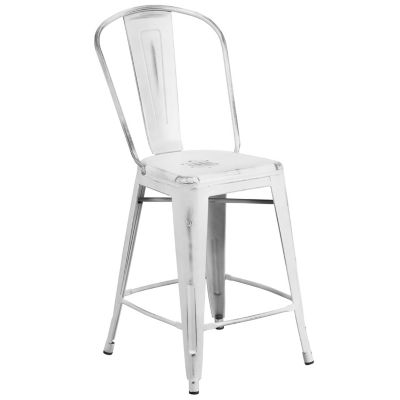
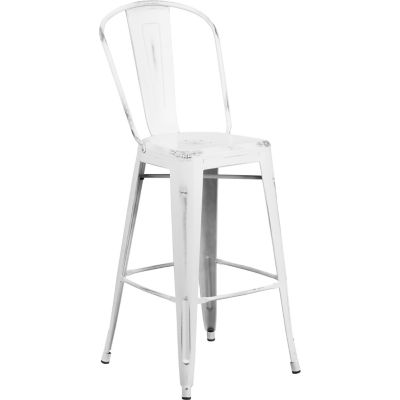
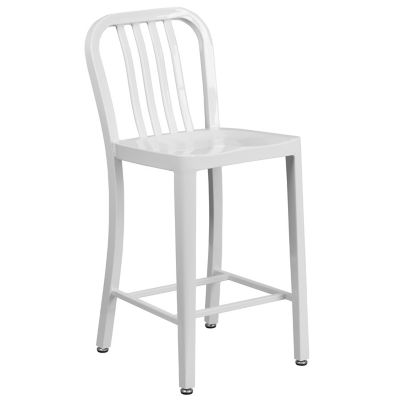
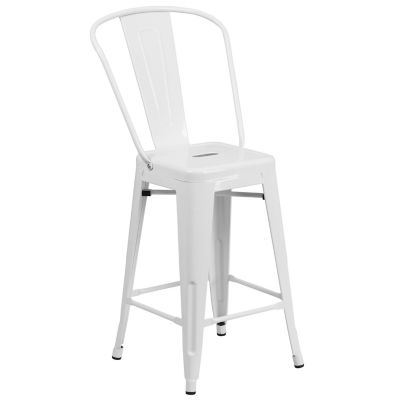
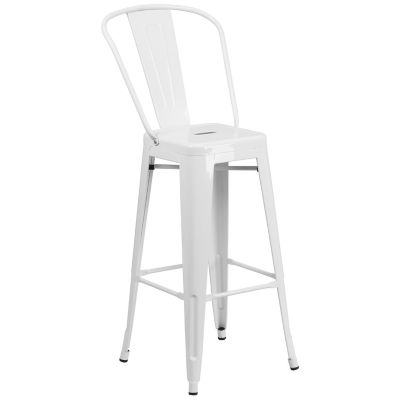
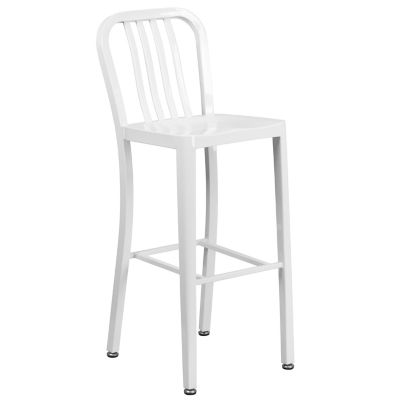
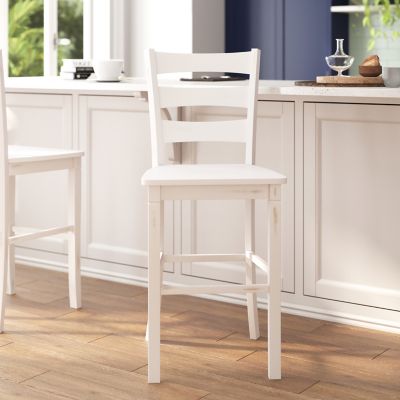
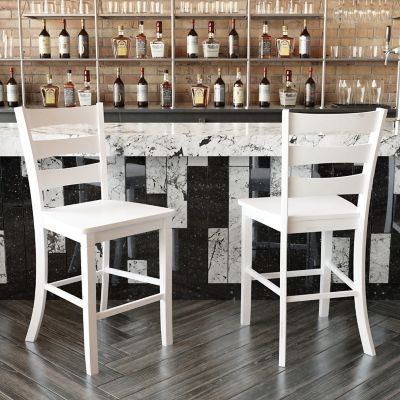
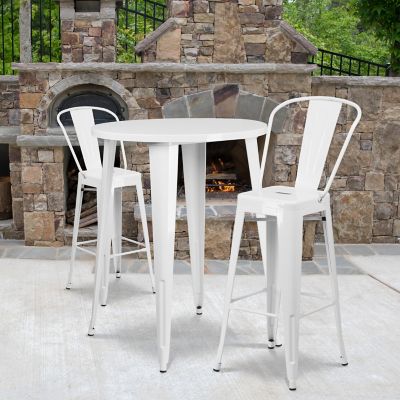
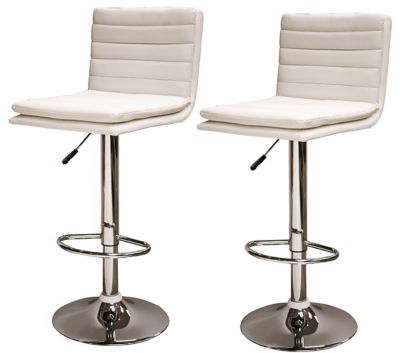
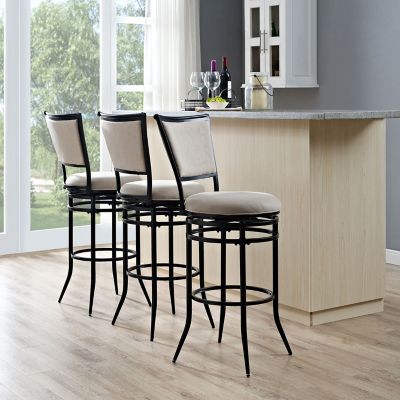
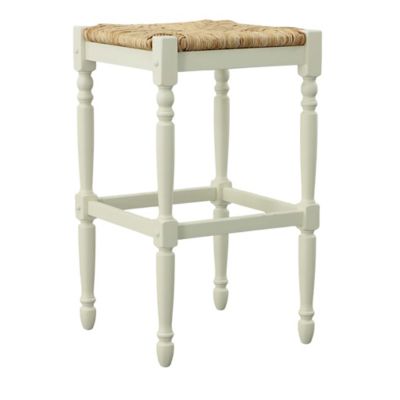
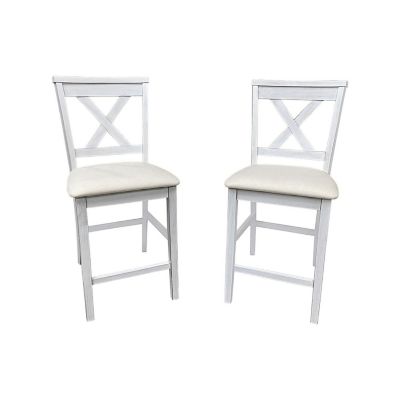
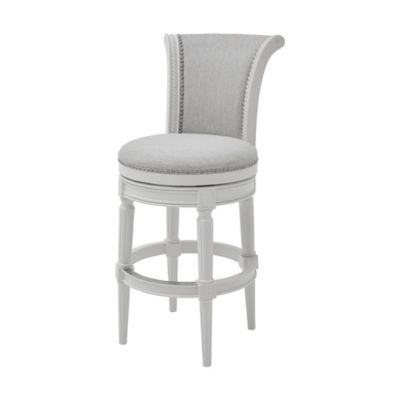
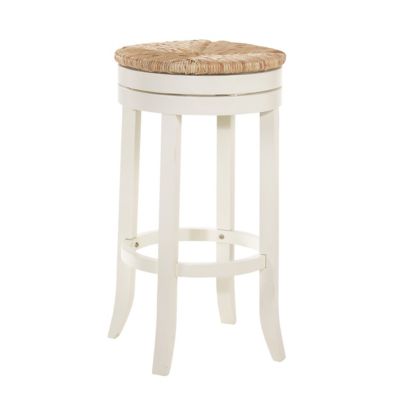
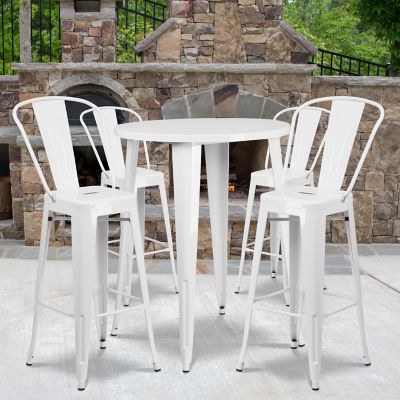
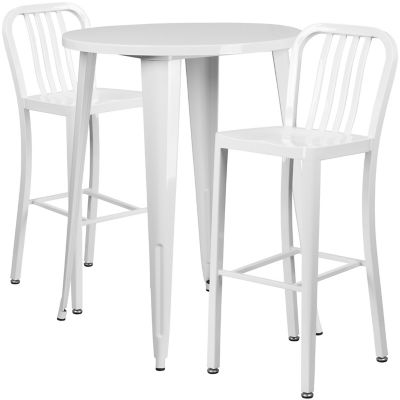
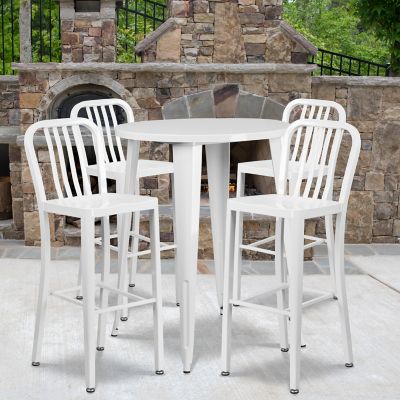
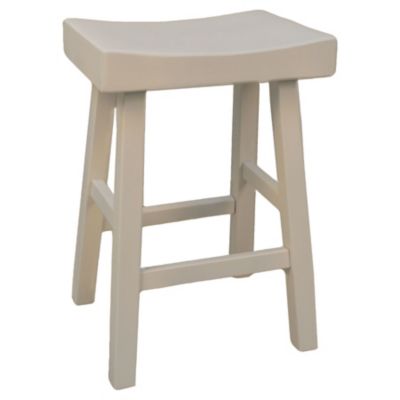
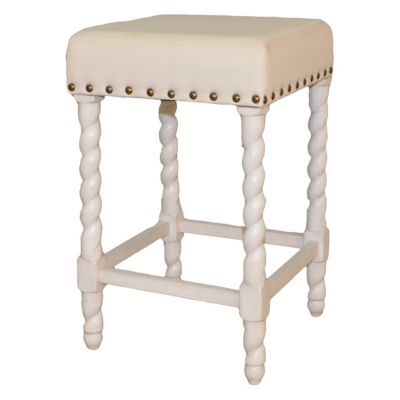
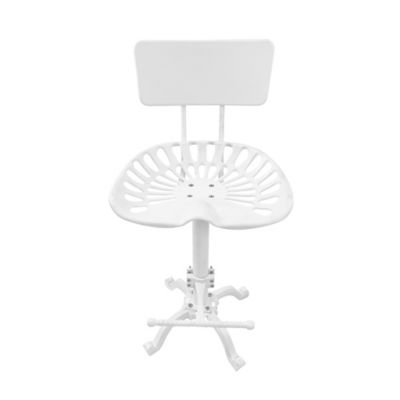
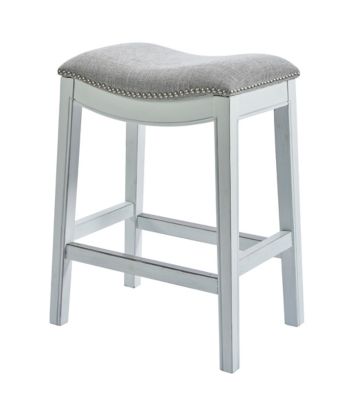
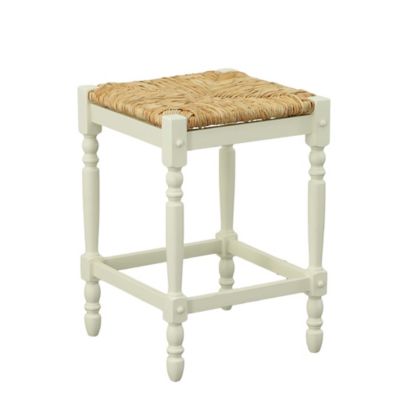
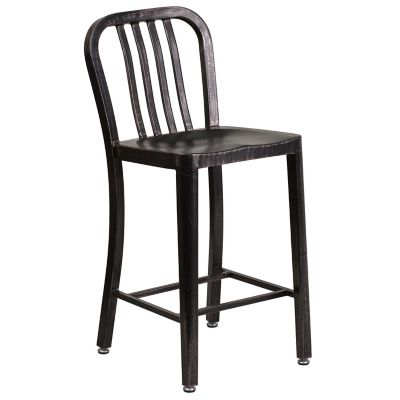
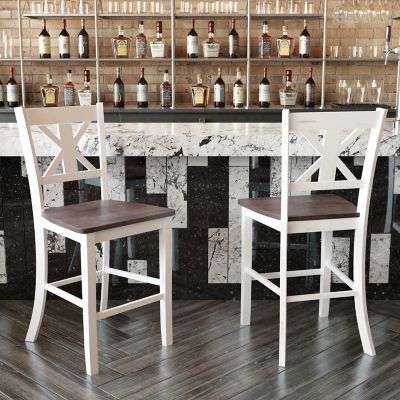
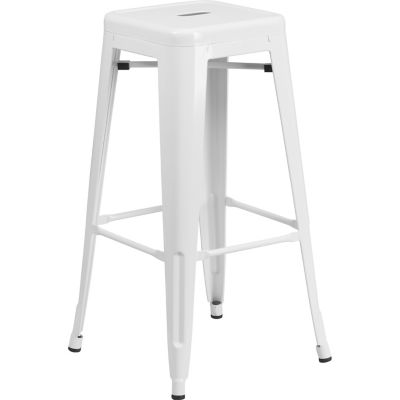
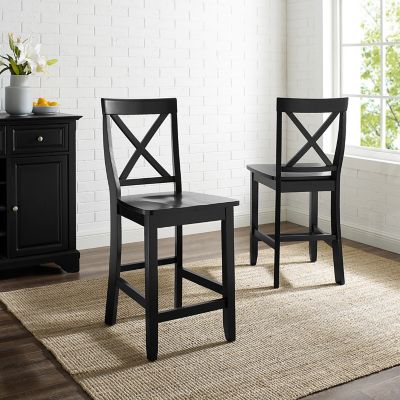
White bar stools with backs bring a bright, easygoing look to the places where folks gather, whether that’s a kitchen island, a breakfast counter or a raised bar beside the dining area. The white finish works alongside natural wood, painted cabinets, brick and simple metal fixtures without making the room feel busy. In a country kitchen, a row of white stools can soften the look of a dark countertop or let a well-worn wood island stand out. In a smaller space, their light color can help keep the seating area from feeling heavy, though the shape and size of each stool still matter. A slim frame with an open back has a different presence than a broad seat with a tall, upholstered back. Shades of white vary, too: a creamy finish tends to sit comfortably beside warm wood tones, while a brighter white creates more contrast against darker cabinets. Back styles give these stools much of their character. Straight slats have a straightforward feel, spindles lend a softer outline, and curved backs can make a seating area look less boxy. A lower back keeps sightlines open across the kitchen; a taller one offers a more noticeable resting place during a long conversation. That extra support makes sense for more than a quick bite before chores. These stools can provide a spot for catching up over coffee, sorting the mail, working on a recipe or keeping someone company while supper comes together. Where a farmhouse look is the goal,
Farmhouse Bar Stools With Backs offer another direction for seating that pairs naturally with wood surfaces and a relaxed kitchen setting. White seating can tie those elements together without requiring every finish in the room to match, leaving room for the mix of furniture and everyday belongings that makes a house feel lived in.
Fit matters as much as appearance, especially when stools will serve as everyday seating rather than an occasional perch. Counter-height and bar-height seats are not interchangeable, even when their frames look alike. A counter around 36 inches high generally pairs with a seat about 24 to 26 inches high, while a raised bar around 40 to 42 inches high often calls for a seat about 28 to 30 inches high. Those are starting points; the actual surface height, seat measurements and underside clearance determine how comfortably a stool fits. Around 10 to 12 inches between the seat and the underside of the counter often leaves room for legs, but an apron, drawer or thick countertop can reduce that space. Cushioned seats may also settle slightly when someone sits down. Seat width and spacing deserve the same attention. Roughly 6 inches between the edges of neighboring seats can help prevent crowded elbows, with additional room worthwhile for broad seats, arms or swiveling frames. A busy island also needs enough space behind the stools for someone to walk through while another person is seated. Arms can provide a welcome resting place, but they may stop a stool from sliding beneath the counter. A back that reaches well above the surface remains visible even when the seat is tucked in, which can affect the view across an open kitchen. For longer meals or a bit of paperwork, seat depth, back angle and footrest placement all influence comfort. A footrest gives feet somewhere to settle instead of leaving legs dangling. Swivel seating can make it easier to turn toward a conversation or step away from the counter, although nearby cabinets and neighboring stools need clearance for that movement. A stationary frame may suit a tight nook better. In a household with children, a stable base, secure joints and clear weight limits are important considerations, along with helping younger family members climb on and off safely rather than treating the stool as a step.
Materials and finishes shape how white bar stools with backs handle the daily rhythm of a home. Wood frames bring visible grain, familiar warmth and a solid furniture feel, with painted surfaces that may need occasional attention where shoes, belt buckles or the counter edge make contact. Metal frames can offer a slimmer profile, while their joints, protective finish and foot caps deserve a close look. Mixed-material stools combine those traits, such as a wood seat on a metal frame or a cushioned seat beneath a painted back. For a kitchen that sees pancake batter, spaghetti sauce and plenty of crumbs, smooth seats and open backs can be easier to wipe down than deeply textured fabric or tightly spaced details. Upholstery brings a softer place to sit, but the fabric’s cleaning requirements matter, particularly when snacks and drinks regularly land at the counter. Removable cushions or washable covers can simplify care when the design includes them. White finishes make some spills and scuffs noticeable, so prompt cleanup helps keep everyday marks from lingering. A soft cloth and a cleaner suited to the stated material are generally better starting points than abrasive pads or strong chemicals; the manufacturer’s care directions should settle the details. Seams, spindle joints and the space beneath a cushion can collect crumbs, while the footrest tends to receive the most contact from shoes. Checking fasteners from time to time and replacing worn floor protectors can help reduce wobbling and scratches underfoot. The floor surface matters, too, since tile, wood and softer flooring may call for different protective pads. For everyday household use, a balanced frame, sound connections and a finish suited to regular cleaning contribute to seating that holds up to repeated meals and gatherings. White stools can also make a thoughtful housewarming gift for someone setting up a kitchen, provided the counter height, available space and preferred style are already known. The best fit leaves room to sit comfortably, move around the kitchen and enjoy the counter as a natural gathering place.