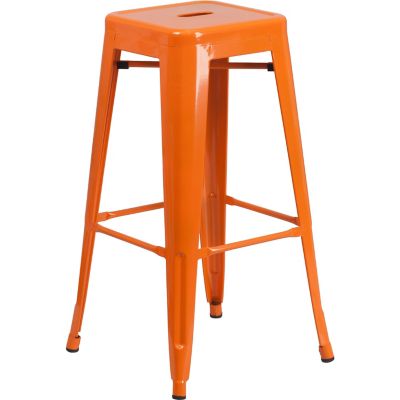
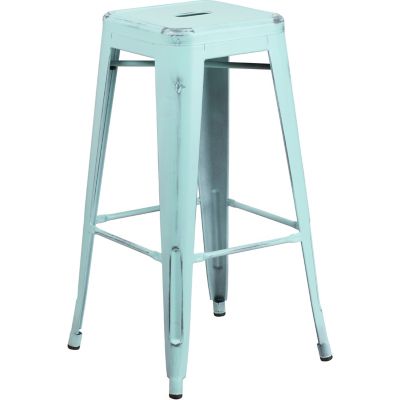
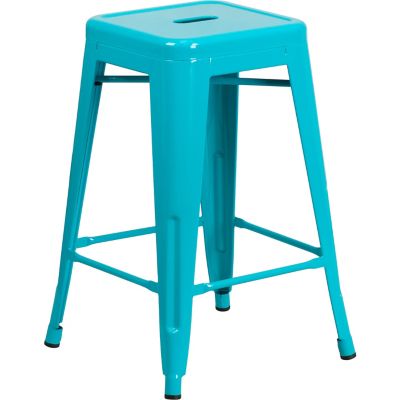
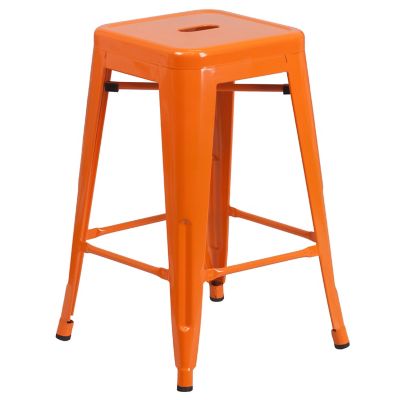
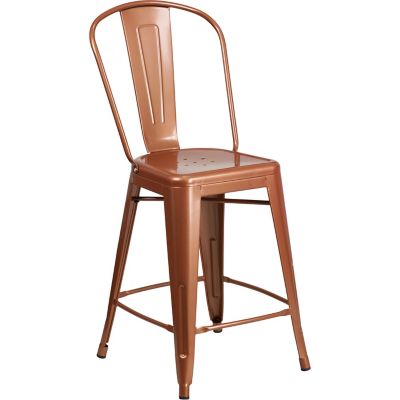
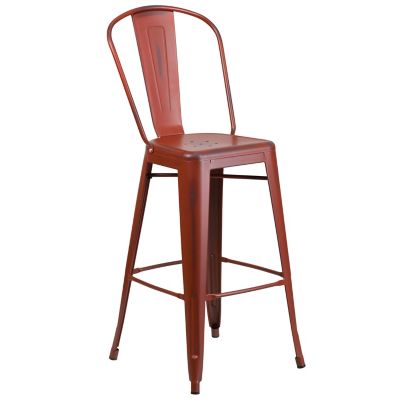
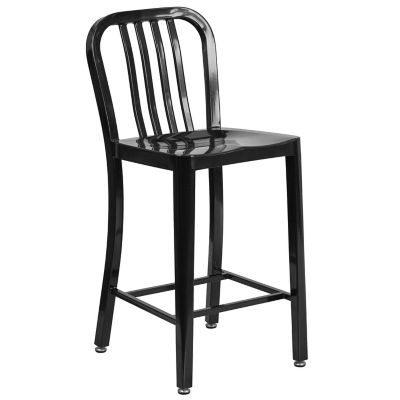
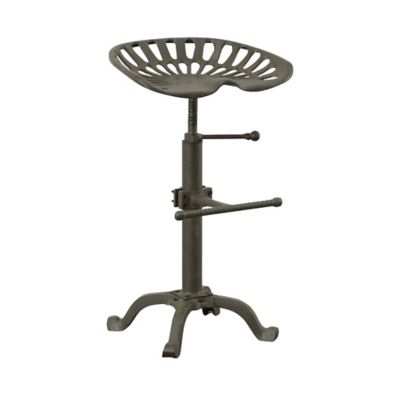
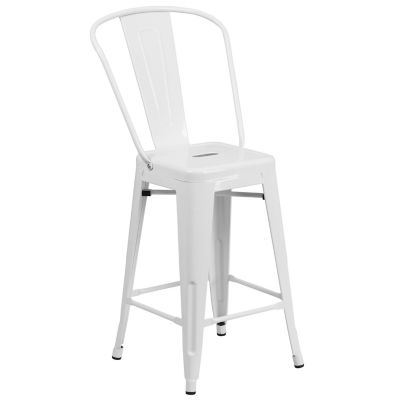
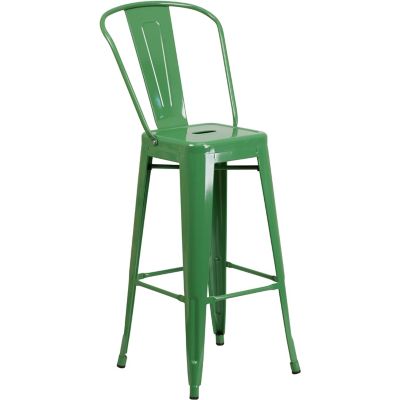
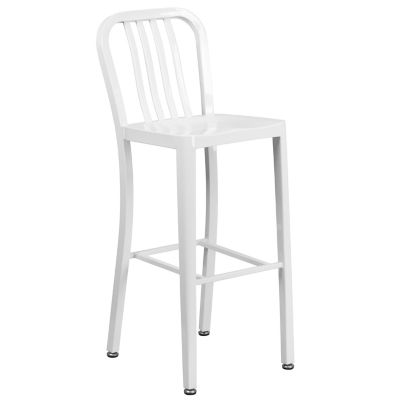
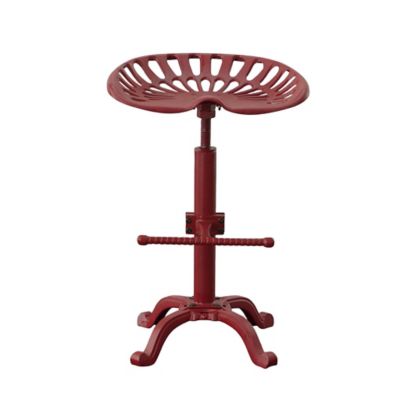
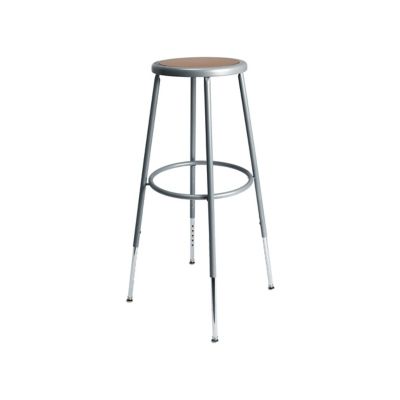
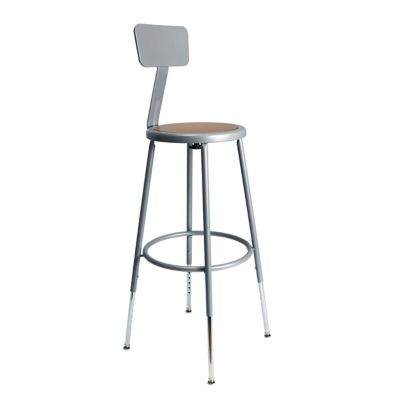
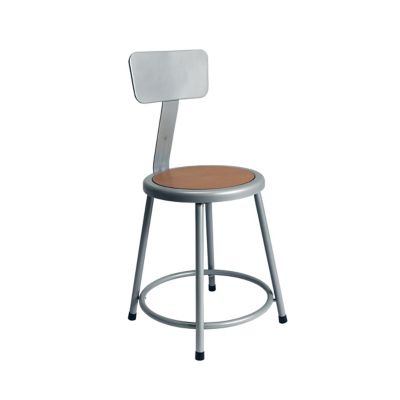
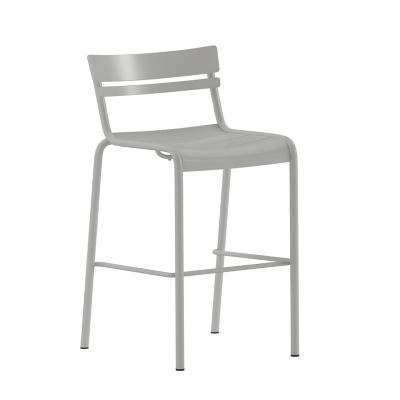
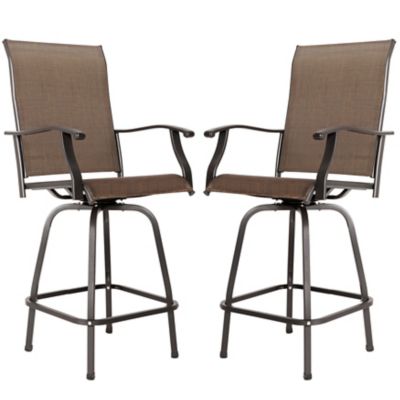
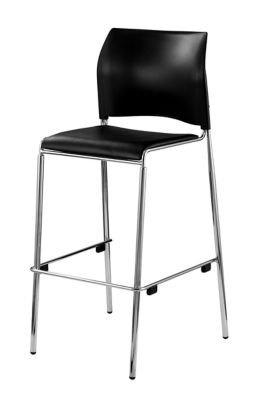
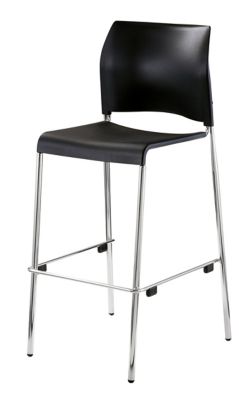
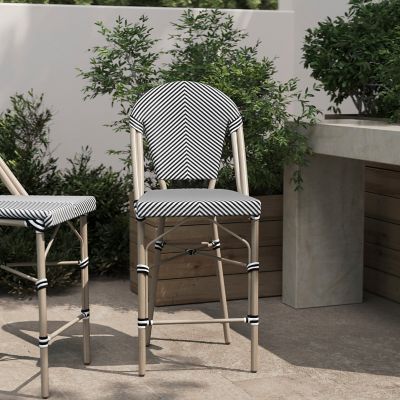
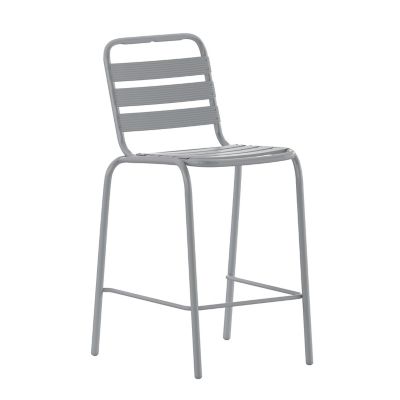
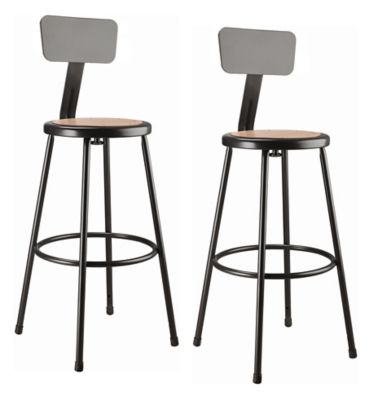
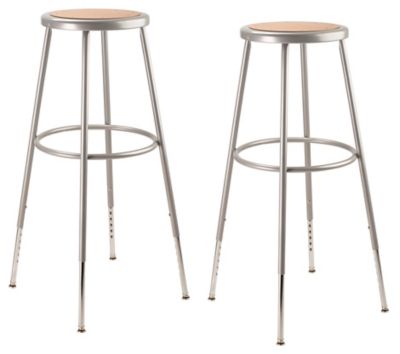
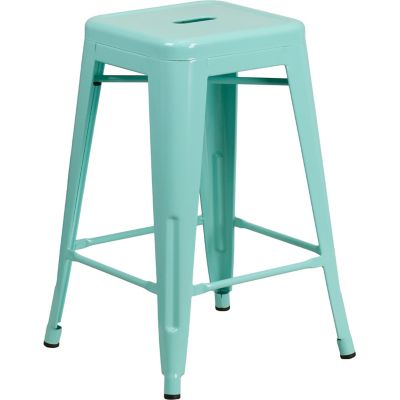
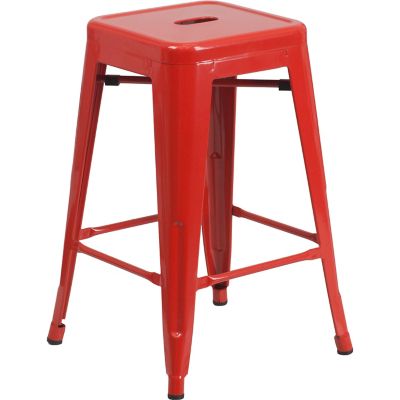
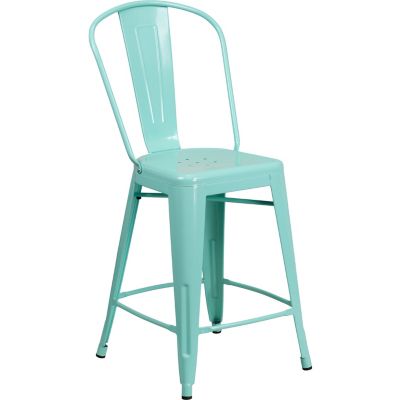
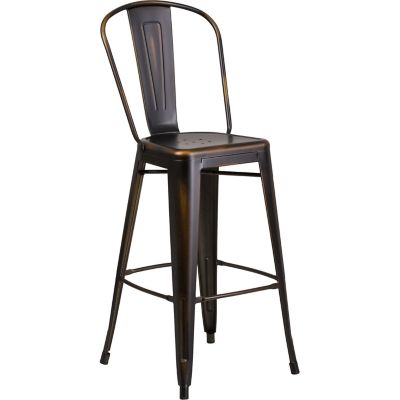
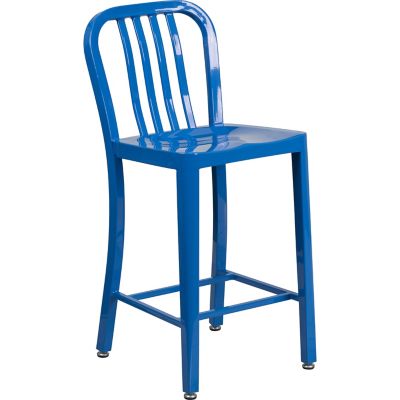
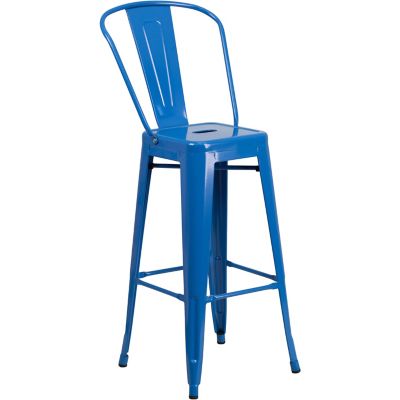
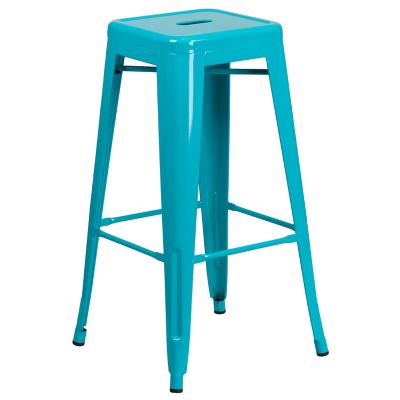
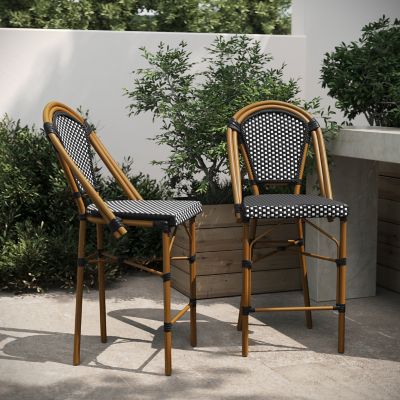
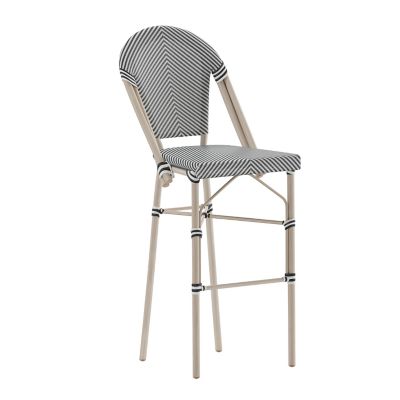
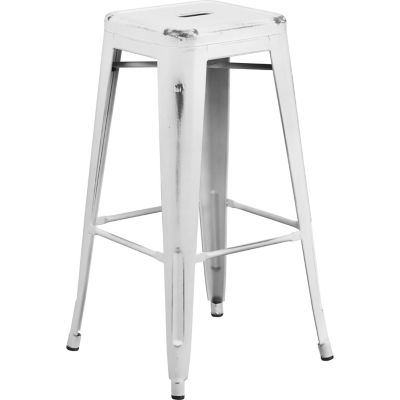
Contemporary metal bar stools bring clean lines and practical seating to kitchen islands, breakfast bars, and gathering spots where folks tend to pull up a seat. Their look comes from simple shapes, open frames, and finishes that let the metal stand on its own without a lot of extra trim. A slim black frame can sit comfortably beside oak cabinets in a farmhouse kitchen, while a brushed metal finish pairs well with stainless steel appliances and a concrete-look countertop. The overall effect depends as much on the seat and base as it does on the color. Straight legs feel straightforward and familiar, curved frames soften a room full of square edges, and sled bases give the seating area a continuous outline. Steel is common for stool frames because it provides strength in relatively narrow sections, although frame thickness, joints, and construction all affect how a stool holds up. Aluminum generally weighs less than steel, making it easier to move seating aside when sweeping beneath the counter. All-metal seats have a crisp, pared-back appearance, while wood seats bring visible grain and a warmer visual balance to the frame. Upholstered seats add cushioning and can make a long conversation over coffee more comfortable. Matte finishes tend to look understated, while polished surfaces catch more light and draw attention to the frame. Powder-coated metal has a bonded finish that helps protect the surface, but chips and scratches still deserve attention. Color can tie these different details together without making every piece of furniture match. Black, gray, and white fit into many kitchens, while
Blue Metal Bar Stools bring another color into the mix alongside natural wood, pale cabinets, or patterned tile. For a rural home with a mix of hardworking materials, contemporary seating offers a simple counterpoint to rough-sawn shelves, stone surfaces, and a substantial kitchen table. The stools can complement those familiar features without making the whole room feel formal.
Fit makes the difference between a stool that looks right beside a counter and one that feels right when someone sits down. Counter-height stools typically have seats about 24 to 26 inches from the floor and suit counters around 36 inches high. Bar-height stools generally have seats about 28 to 30 inches high and suit bars around 40 to 42 inches high. Those ranges are starting points rather than a promise of fit, since countertop thickness, support brackets, and aprons can reduce the space above a person's lap. Roughly 10 to 12 inches between the seat and the underside of the counter usually leaves comfortable legroom. Seat height is different from overall height, which includes the backrest, so both measurements matter when comparing silhouettes. Width deserves just as much attention, especially at an island that serves as the main breakfast spot. About 26 to 30 inches from the center of one seat to the next is a common starting allowance, with wider seats, arms, and swivel movement calling for more room. A clear path behind occupied stools keeps someone carrying a dinner plate from having to squeeze past. Backless metal bar stools have a compact appearance and often tuck beneath an overhang, provided the seat and base fit within that space. Low backs add some support without rising far above the counter, while taller backs suit people who prefer a more supported seat through a meal. Armrests can offer another place to settle in, but their height may prevent the stool from sliding fully underneath. Swivel seats make turning toward a conversation easier, though they need clearance from neighboring seats and cabinet edges. A footrest gives feet somewhere to land instead of leaving legs dangling. Its position matters alongside seat depth and width, particularly when several people of different heights share the same seating. Adjustable-height stools offer flexibility, but their stated height range, adjustment mechanism, and weight capacity still need to match the household and the counter.
Everyday comfort and care are worth considering alongside the clean-lined look. A contoured metal seat can feel different from a flat one, and a rounded front edge may be more comfortable behind the knees. A cushion adds softness, while the shape and angle of the backrest influence how naturally someone settles into the seat. For a kitchen where breakfast, homework, and supper all happen at the island, wipeable surfaces can make cleanup simpler. Upholstery brings another texture into the room, but fabric, leather, and synthetic coverings each have their own cleaning requirements. Manufacturer care directions are the best reference for the seat covering and frame finish. Many metal frames need only a soft cloth and a mild cleaning solution approved for that surface, followed by drying; abrasive pads and harsh cleaners can scratch or dull some finishes. Crumbs also collect around seat seams, footrest joints, and the places where wood meets metal. A little attention to those spots keeps routine cleanup manageable. Protective feet help limit scuffs on flooring, though they should suit the floor surface and stay free of trapped grit. Leveling feet can help a stool sit evenly on a slightly uneven floor when that feature is part of its design. Tight joints, sound welds, and securely attached seats contribute to stability, while loose fasteners should be addressed according to the assembly instructions. Weight capacity applies to the whole stool, not simply the metal frame, and a footrest is not a step for reaching upper cabinets. In a busy household, the right seating balances these practical details with the way people actually gather. A backless stool may suit a quick cup of coffee before chores, while a cushioned seat with a back may be a better match for lingering over a meal or sorting paperwork at the counter. Contemporary metal bar stools can also make a thoughtful housewarming gift when the recipient's counter measurements, seating needs, and preferred finish are known. With proportions that suit the space and surfaces that fit the daily routine, they give family and friends a comfortable place to pull in close.