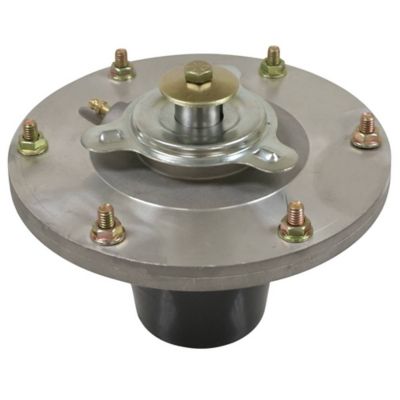
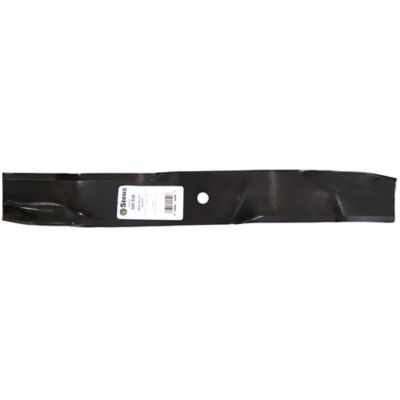
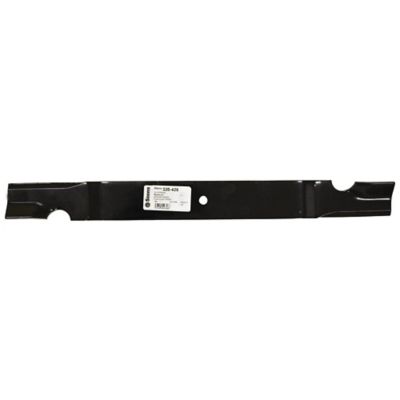
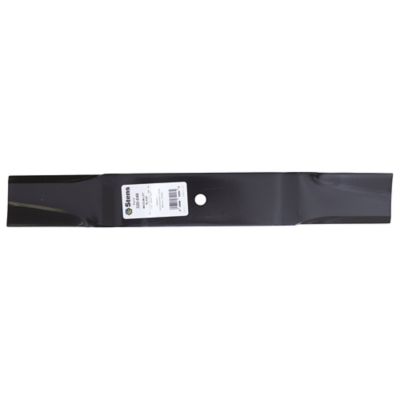
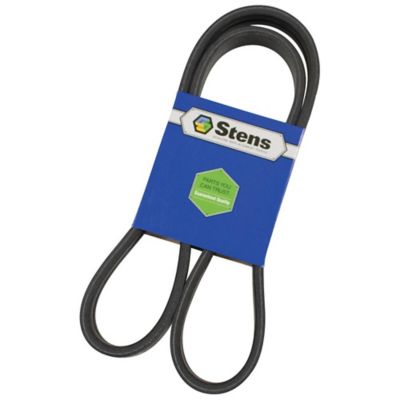
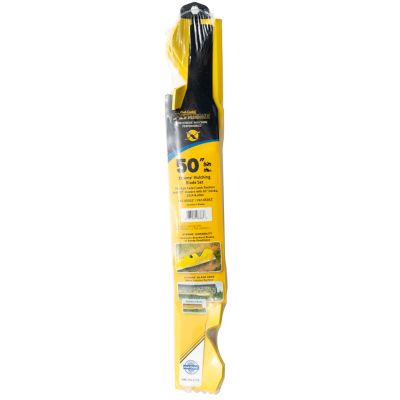
Keeping a mower ready for the stretch of grass around the house, the lane beside the barn or a full day of property work comes down to parts that match the machine and the job. Grasshopper mower parts cover the replacement and maintenance needs that come with regular mowing, from the cutting deck to the systems that keep the mower moving. A homeowner tending several acres may put fewer hours on a machine than a grounds crew, but both count on smooth operation, a consistent cut and equipment that starts when the grass needs attention. Fit matters more than a part’s general appearance. Mowers within the same equipment family can have different engines, deck widths, drive arrangements and attachment points, so the model number, serial number and original part reference are useful details when comparing replacement options. Engine service components may also depend on the engine manufacturer and model rather than the mower name alone. A belt that looks close in length or a blade with a similar outline may still have the wrong dimensions for the application. Mounting-hole size, blade offset, belt profile and connector style can all affect whether a replacement belongs on a particular machine. That makes clear compatibility information especially helpful for folks maintaining an older mower, caring for several machines or taking over equipment with an unfamiliar service history. The goal is a replacement that works with the mower’s original setup, not something that takes extra drilling, bending or guesswork to install. Around a rural property, mowing can mean open lawn one minute and careful passes along fence posts the next. Parts matched to the equipment help support the handling and cutting performance those changing spaces call for. Whether the mower handles a few hours between other chores or spends much of the day crossing broad stretches of turf, the right fit is the starting point for keeping routine work on track.
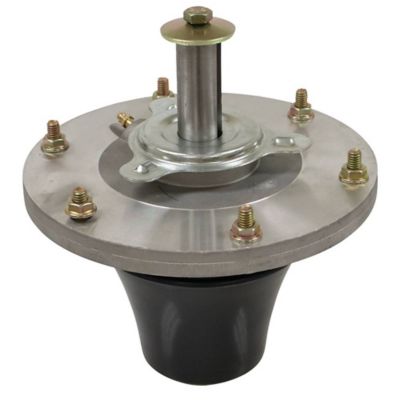
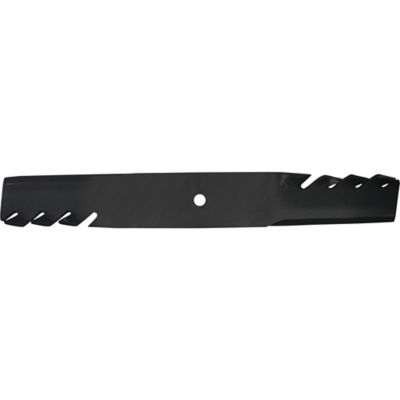
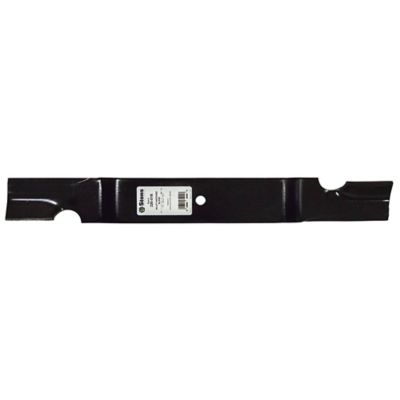
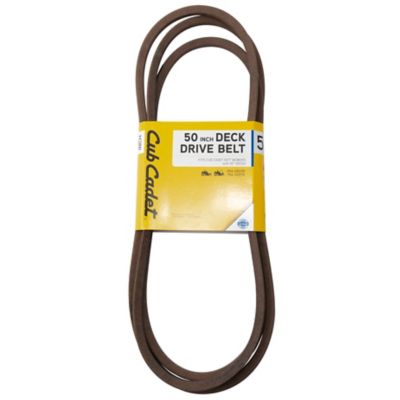
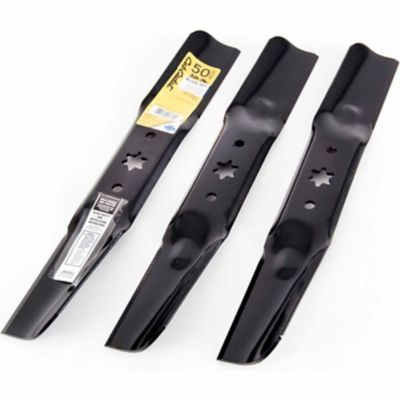
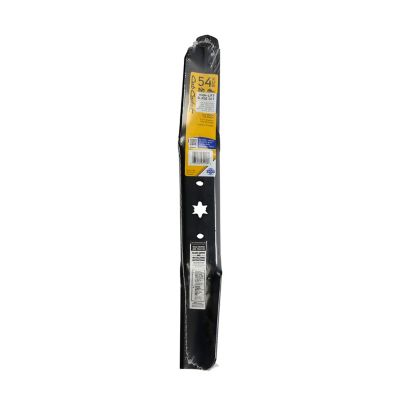
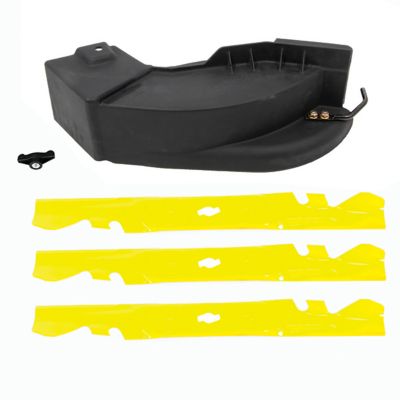
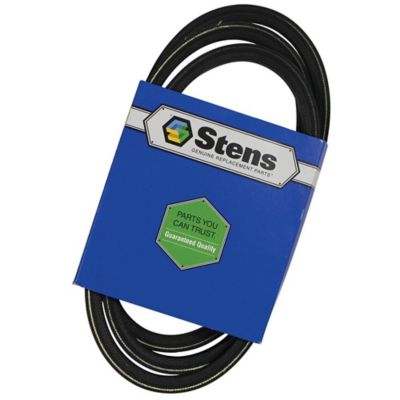
Materials and construction deserve a close look because different mower components face very different kinds of wear. Cutting components work close to soil, grass stems and airborne grit, while drive components deal with repeated movement, changing loads and heat. Steel cutting parts need the specified shape and dimensions for the deck, along with the strength and edge characteristics intended for mowing. A heavier-looking blade is not automatically a better match; its design must suit the deck and the mower manufacturer’s requirements. Lift and discharge characteristics also matter, especially where the mowing setup is intended to discharge, collect or mulch clippings. Reinforced belt construction helps carry working loads, but the correct belt length and cross section remain essential to proper tracking and tension. Bearings and spindle assemblies support rotating parts, and their mounting pattern, shaft dimensions and sealing arrangement need to match the application. Filters, seals and hoses have their own requirements, including fit, flow and compatibility with the fluids or operating conditions they encounter. These details make more sense out in the yard than they might on paper. Fine dust along a gravel drive puts extra demands on filtration, while thick growth at the edge of a pasture can place a heavier load on the cutting system. Uneven ground near tree roots or around an outbuilding can add vibration and make existing wear more noticeable. Replacement parts cannot turn a finish mower into equipment meant for clearing brush, and intended use should always stay within the machine’s limits. For folks who keep several properties tidy, service life is tied to both the part and the conditions it works in. Correct installation, proper adjustment and regular inspection can matter just as much as the material itself. A well-matched component gives the rest of the system a better chance to work as intended, without asking neighboring parts to compensate for the wrong size or configuration.
Ongoing care helps protect the time and effort that go into replacing mower parts. Grass packed beneath a deck can hold moisture against metal, debris around cooling areas can restrict airflow, and dirt near service points can find its way into places it does not belong. Cleaning and inspection should follow the equipment manual, with the engine off and the machine secured before any maintenance begins. Some bearings require lubrication at stated intervals, while others are sealed, so more grease is not always the answer. Belts benefit from proper alignment and tension, and cutting components need attention to balance as well as edge condition. A fresh replacement may not solve repeated wear if a bent bracket, damaged pulley or loose mounting point remains in the system. Unusual vibration, recurring belt trouble or an uneven cut can have several causes, making a closer inspection worthwhile before choosing a part. This is especially relevant for a mower that spends time on rough ground or works through long stretches of dry, dusty weather. As mowing slows during the cooler months, maintenance often shifts toward checking wear, cleaning away packed clippings and preparing the machine for longer breaks between jobs. Storage practices should follow the manufacturer’s recommendations, including any requirements for fuel, batteries and protection from moisture. Keeping a simple record of service dates, operating hours and replacement part numbers can take some of the guesswork out of the next maintenance task. For a farm household, that record may stay with the mower manual on a shop shelf; for a grounds crew, it can help keep several machines and their service needs straight. Properties with more than one mower make may also call for a separate look at
Hustler Mower Parts, with compatibility checked for each machine rather than assumed across equipment lines. From maintaining the grass around a workshop to keeping a long roadside frontage neat, mower upkeep is part of caring for the whole place. Replacement parts selected for fit, operating conditions and the work ahead help keep that care practical, season after season.