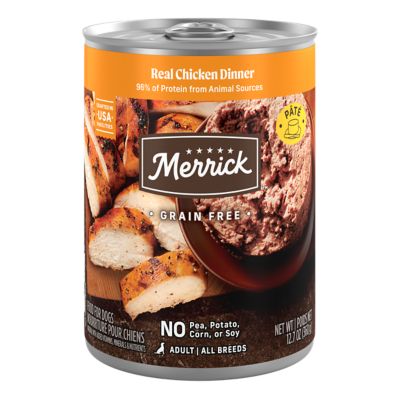
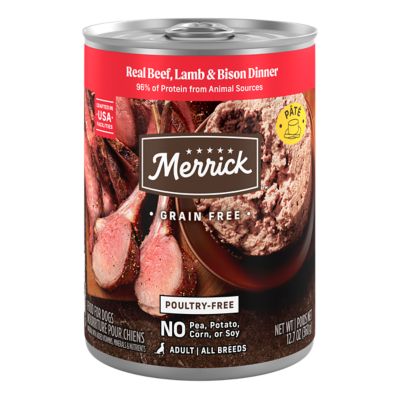
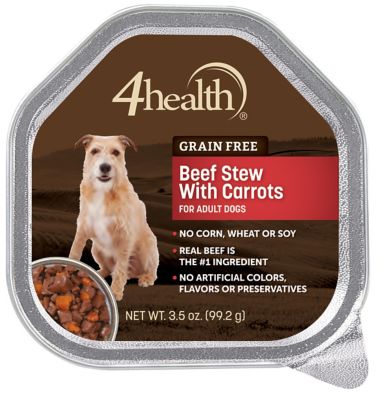
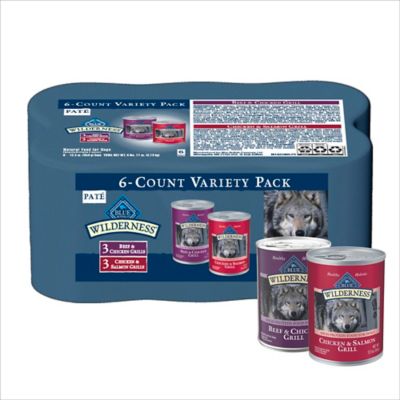
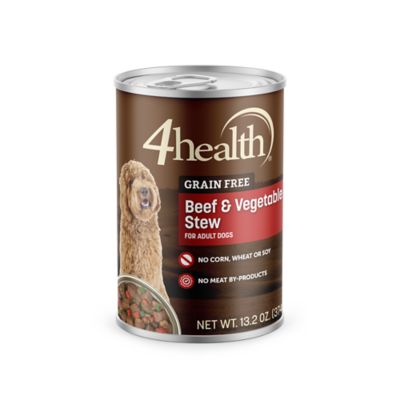
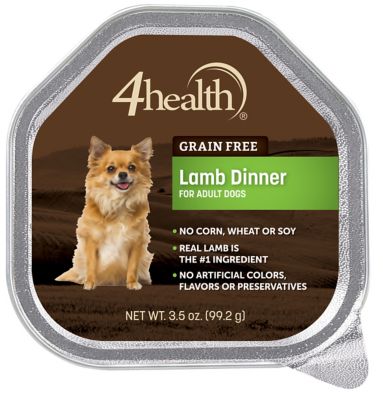
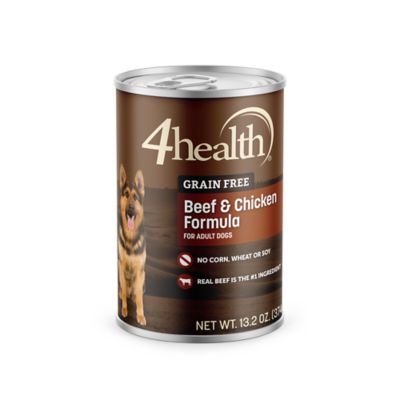
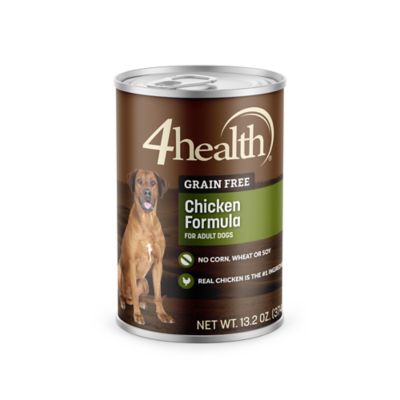
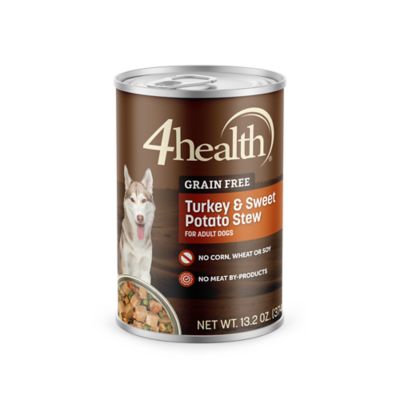
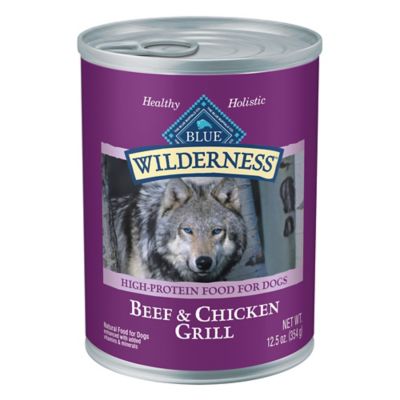
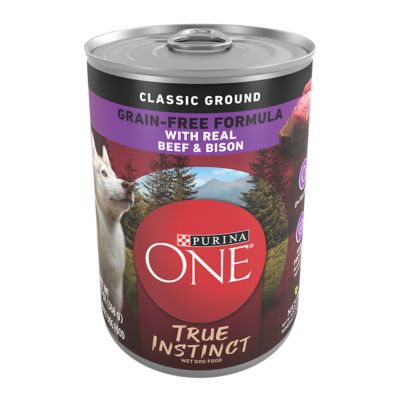
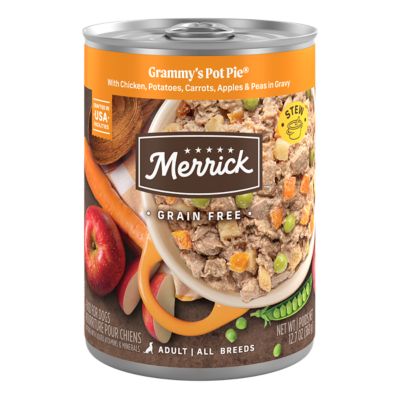
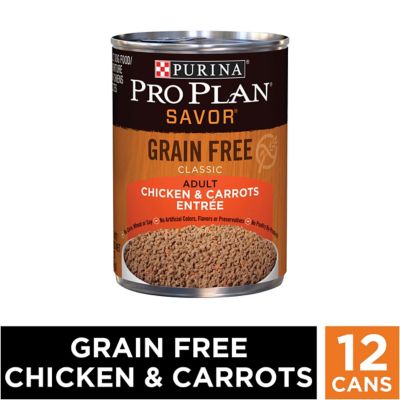
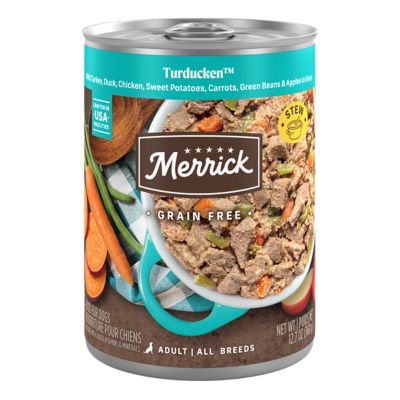
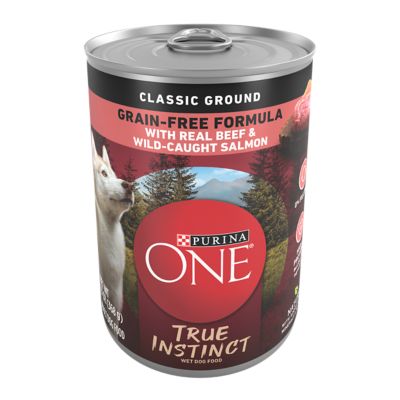
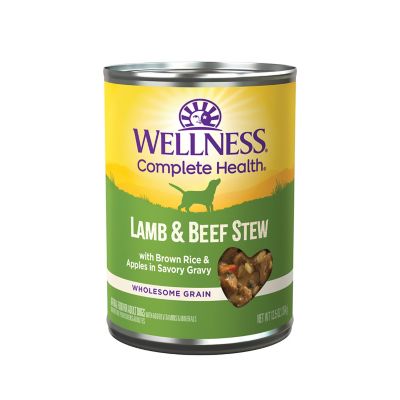
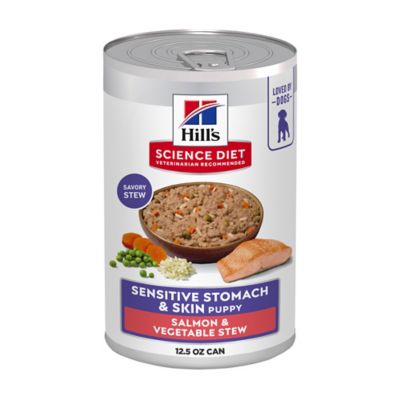
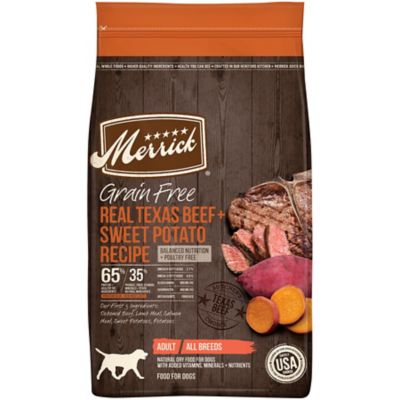
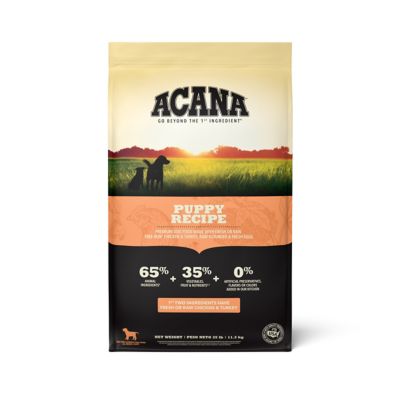
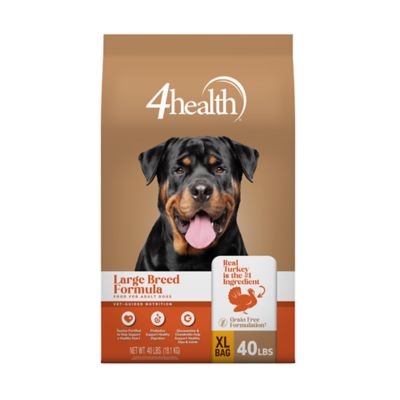
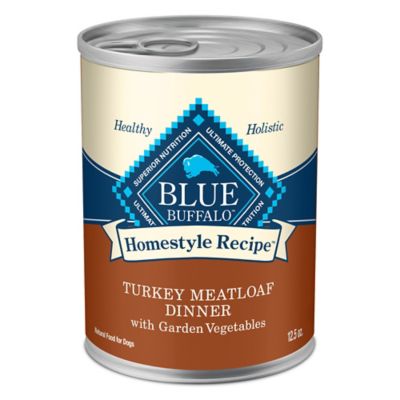
Grain free wet dog food can be a handy choice for pet parents who want a soft, moisture-rich meal made without common grains such as corn, wheat or rice. These recipes often use ingredients like beef, chicken, lamb, fish, potatoes, sweet potatoes, peas or other vegetables in place of grains, with the exact formula varying from one recipe to the next. Wet food has a tender texture and savory aroma that many dogs find appealing, making it useful for picky eaters, older dogs with worn teeth, dogs that have trouble chewing dry kibble, or pups that simply enjoy a little variety in their bowl. The extra moisture can also be helpful for dogs that do not drink much water on their own, although fresh, clean water should always be available. Some pet parents serve canned food as a complete meal, while others spoon a smaller amount over dry food as a topper. It can be especially welcome during the cooler months, when a hearty, soft meal feels right after a long day outdoors, a walk through fallen leaves or time spent riding along in the truck. Grain-free wet dog food may also be considered for dogs with a veterinarian-confirmed sensitivity to a particular grain ingredient, but grain-free does not automatically mean hypoallergenic, lower calorie or better for every dog. A dog can react to a protein, dairy ingredient, soy, an additive or another part of a recipe, and many dogs digest grains without any trouble at all. For that reason, a grain-free formula is best chosen for a clear nutritional or dietary reason rather than as a blanket upgrade. If your dog has recurring itching, ear trouble, vomiting, loose stools, weight changes or a poor appetite, talk with a veterinarian before changing food or trying an elimination diet. A professional can help identify possible triggers and point you toward a balanced option that fits your dog’s needs.
When comparing grain free wet dog food, start with the label and your dog’s life stage. Look for a statement showing that the food is complete and balanced for puppies, adult dogs, seniors or all life stages, depending on who will be eating it. Puppies need food formulated for growth, while adult and senior dogs may need different calorie levels or nutrient profiles. Size, activity level and body condition matter, too. A busy farm dog covering ground all day may need more energy than a house dog that spends most afternoons snoozing under the kitchen table, while a small dog may need only a portion of a larger dog’s serving. Check the calorie content, feeding directions and guaranteed analysis, then adjust portions based on your dog’s weight and condition rather than filling the bowl by habit. The ingredient list can help you compare recipes, but the first ingredient alone does not tell the whole story; a food’s complete nutrient profile, quality controls and life-stage statement are important parts of the picture. Dogs with known health concerns, including heart disease, pancreatitis, kidney problems or a history of food reactions, should have their diet reviewed with a veterinarian before starting a grain-free formula. Research has raised concerns about a possible connection between some grain-free diets and canine dilated cardiomyopathy, particularly with certain formulas that rely heavily on pulses or potatoes, so it is wise to discuss the decision with your vet and follow professional guidance. This does not mean every grain-free food causes a problem, but it does mean ingredient choices deserve a thoughtful look. For shoppers looking for a particular protein, browse related options such as
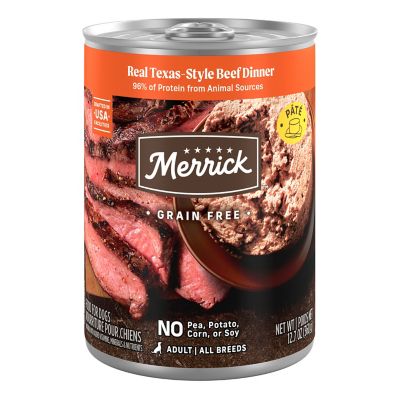
Grain Free Beef Dog Food to compare recipes while keeping your dog’s preferences and dietary needs in mind. Beef can be a satisfying choice for dogs that enjoy a rich, meaty flavor, but it should be avoided if your dog has a known beef sensitivity.
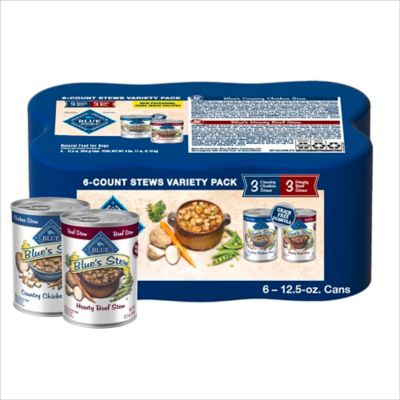
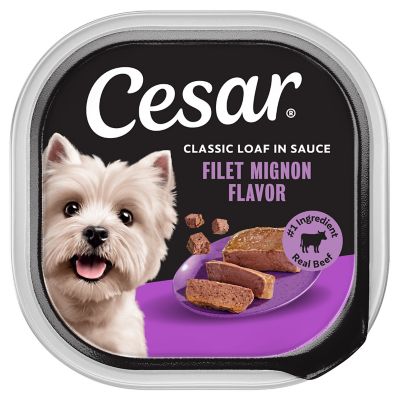
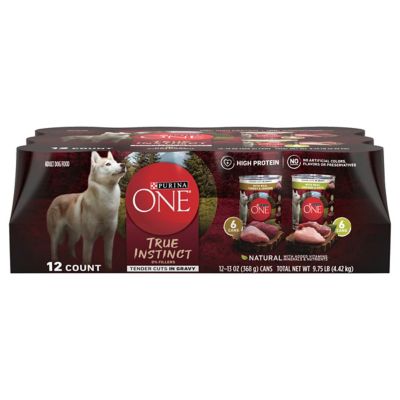
Wet food also brings a few everyday details worth planning for. Introduce a new recipe gradually over several days by mixing a small amount with the old food, then slowly increasing the new food as your dog adjusts. A sudden switch can lead to soft stools even when the food itself is a good fit. Once opened, cover unused food and refrigerate it, follow the package storage guidance and serve leftovers within the recommended time. Letting a refrigerated portion warm slightly before serving can make the aroma more inviting, though food should never sit out for long periods, especially in a warm kitchen, mudroom or vehicle. Individual cans, trays and multipacks can suit different households: smaller portions may help reduce waste for a little dog, while larger sizes or variety packs can make feeding several dogs easier and offer different flavors without buying every item separately. Keep an eye on total daily calories when wet food is used as a topper, and remember that treats, chews and table scraps count toward the day’s intake. Grain-free wet dog food can make a practical gift for a new puppy owner, a friend caring for an aging dog or a neighbor who is stocking up before a stretch of colder weather, especially when paired with storage covers or a dependable feeding routine. It is also useful for travel, boarding visits and recovery periods when a familiar soft meal may encourage a dog to eat. Whether your dog is a cattle-dog mix that comes home dusty from the pasture or a small companion curled up beside the woodstove, the right food should match their age, activity, health needs and taste preferences. Read the label carefully, make changes slowly and involve your veterinarian whenever a medical concern or special diet is part of the picture.