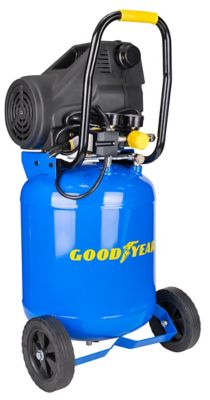
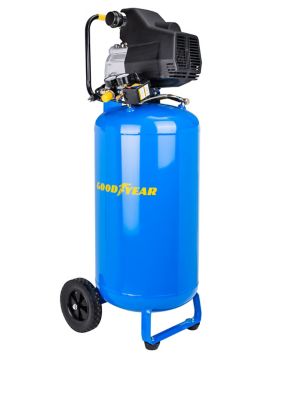
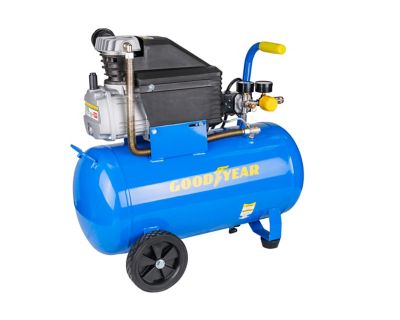
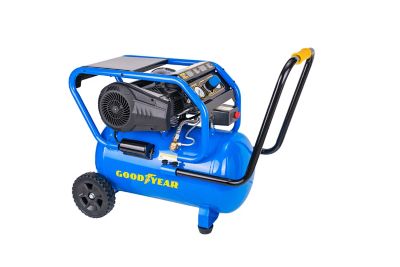
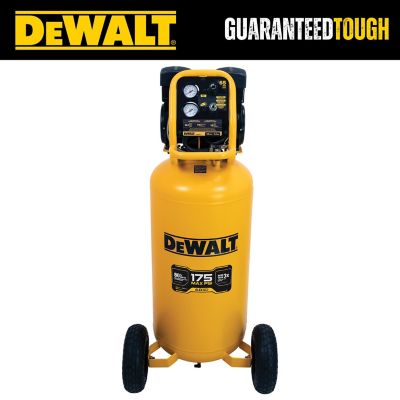
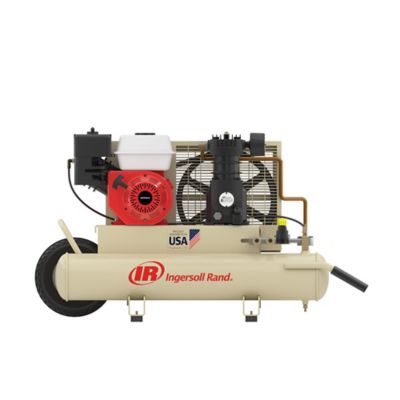
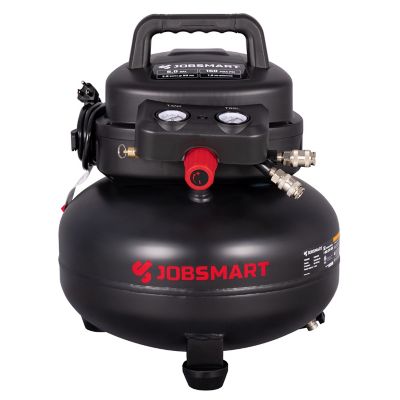
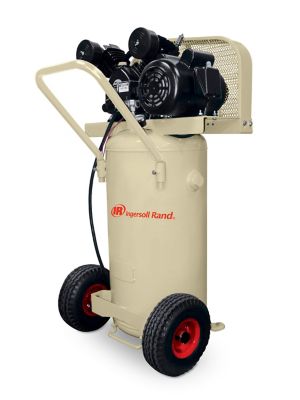
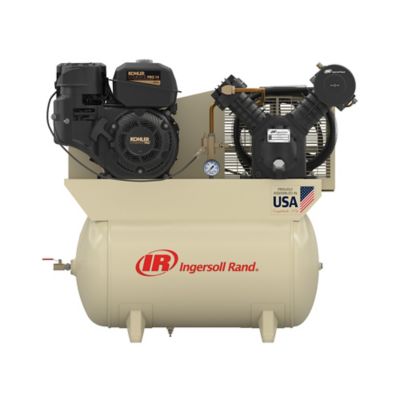
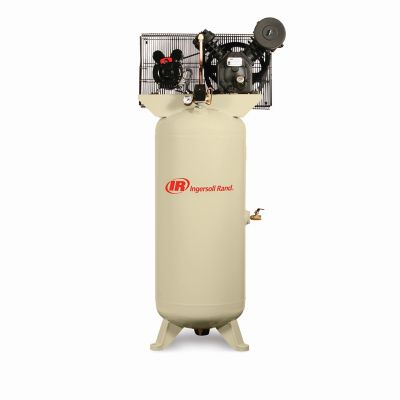
Air compressors put compressed air within reach for everyday jobs around the garage, barn, and home workshop, from topping off equipment tires to powering a finish nailer at the workbench. The right fit depends on the work: tire inflation and occasional fastening call for a different setup than a sander, spray gun, or impact wrench that draws more air. Three specifications tell much of the story: tank capacity, air pressure, and airflow. Tank capacity, measured in gallons, describes how much compressed air the tank can hold. Pressure, measured in pounds per square inch, or PSI, needs to meet the connected tool’s operating requirements. Airflow, commonly listed in standard cubic feet per minute, or SCFM, shows how much air the compressor delivers under stated conditions. Comparing airflow ratings at the same pressure gives a clearer picture than comparing maximum PSI alone. A high maximum pressure rating does not automatically mean a compressor can keep a demanding air tool running. A larger tank can support longer bursts before pressure drops, but the pump’s output determines how quickly that air supply recovers. For a homeowner hanging trim or a woodworker assembling cabinets, intermittent tool operation may leave enough time for the tank to refill between bursts. Someone working through several tires on a utility trailer or running an air-hungry shop tool may place more value on recovery time and airflow. Duty cycle matters here, too, because it describes the operating and rest periods the manufacturer allows. A compressor matched to those demands makes more sense than choosing by tank size alone. Even tire inflation deserves a close look at pressure requirements, since a wheelbarrow tire and a trailer tire can have very different needs. The recommended inflation pressure comes from the equipment or vehicle manufacturer, not from the compressor’s maximum rating. For shoppers comparing compressors, these differences help separate a convenient source of air for small chores from equipment intended to support longer stretches of pneumatic tool work.
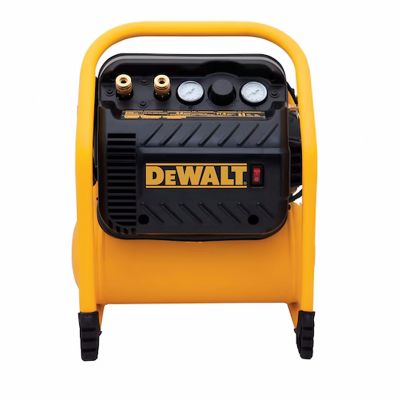
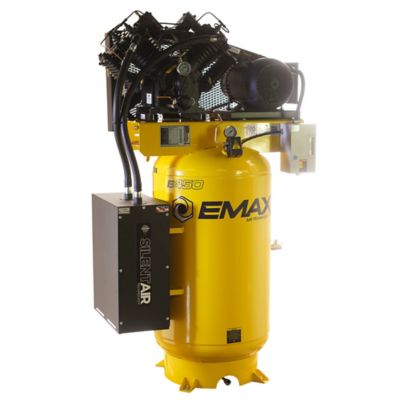
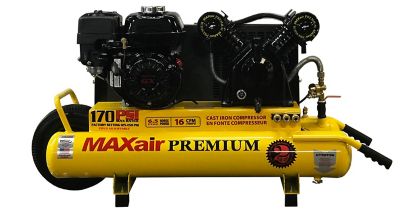
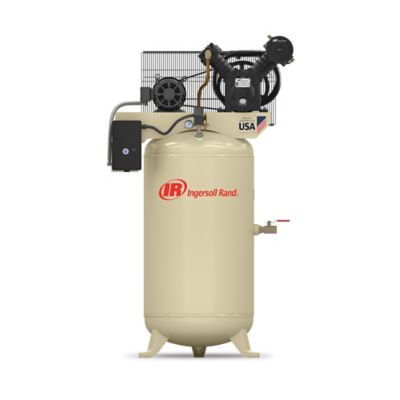
The way a compressor fits into the workspace matters almost as much as its air output. Compact tank layouts can make sense beside a workbench or in a garage where floor space is tight, while upright configurations place more of the tank’s capacity above a smaller footprint. A carrying handle helps with short moves, but total weight, balance, and the distance between the truck and the work area all affect how manageable a portable compressor feels. Wheels can take some of the strain out of moving a larger unit across a shop floor, though a gravel path or doorway threshold presents a different challenge than smooth concrete. Steel tanks, protective frames, sturdy handles, and guarded controls are construction details worth considering for equipment that may travel between a shed and a workshop. Rubber feet can help limit movement and vibration on a suitable level surface. Hose connections deserve the same attention as the tank and motor. The hose’s inside diameter and length affect airflow at the tool, especially on longer runs, and couplers need compatible connection profiles rather than merely a similar appearance. Pressure ratings for hoses, fittings, regulators, and attachments need to suit the system. A regulator lets the outlet pressure match the tool’s requirements, while readable gauges make it easier to check tank and working pressure at a glance. Electrical fit is another practical consideration: voltage, circuit requirements, and the manufacturer’s directions for extension cords should match the intended workspace. A suitable air hose can provide working reach without putting the compressor beside every task, provided its length and diameter support the tool’s demand. Sound ratings also help when a compressor will sit near the workbench, although ratings are most useful when the measurement conditions are comparable. For a shared garage or a small outbuilding, the location of the pump, access to the drain valve, and room around the equipment can make a noticeable difference in day-to-day convenience. Those details matter whenever the compressor comes out for another job.
Pump design and routine care shape the ownership experience long after the first project. Oil-free compressors do not require pump-oil changes, which can simplify maintenance for occasional inflation and fastening work, but they still need the inspections and service outlined in the owner’s manual. Oil-lubricated pumps require the specified lubricant and attention to oil level and change intervals. Neither design replaces the need to match airflow, duty cycle, and operating pressure to the job. Moisture collects inside an air tank as compressed air cools, so access to the tank drain is a practical feature rather than a minor detail. Draining at the manufacturer’s recommended intervals helps limit moisture buildup and internal corrosion. Exterior rust, damaged hoses, loose connections, and worn power cords also deserve attention before operation; a compromised pressure tank should come out of service rather than receive a makeshift patch or weld. Keeping intake filters maintained and ventilation openings clear supports normal operation, while storing hoses without sharp bends helps protect them between jobs. Some applications need additional air treatment: painting and certain pneumatic tools may call for moisture separation, filtration, or lubrication according to their instructions. Compressed air from a general-purpose shop compressor is not breathing air, and it should never be directed at skin or clothing. Eye protection and any hearing protection called for by the equipment belong alongside the hose and fittings. For a ranch owner keeping small equipment ready, a homeowner tackling trim work, or a woodworker setting up a garage shop, the most useful compressor is one that suits both the task and the space. A comparison with
Honda Air Compressors can broaden the search while keeping power source, portability, and tool demands at the center of the decision. Easy-to-reach controls, a manageable hose setup, sensible maintenance access, and enough airflow for the intended tools all contribute to equipment that earns its place beside the workbench.