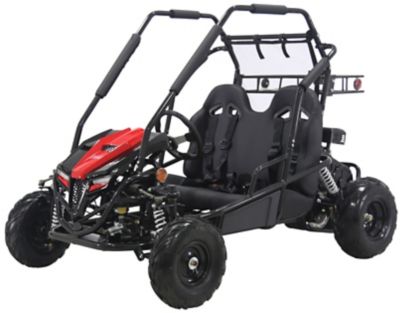
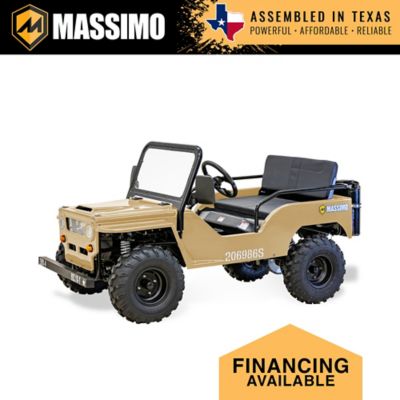
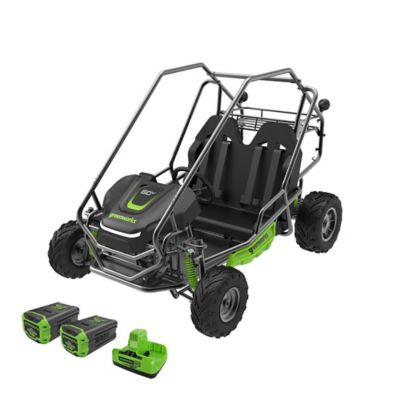
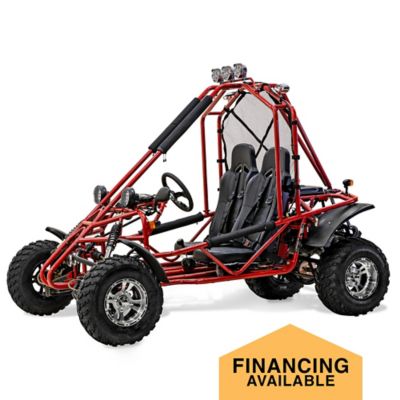
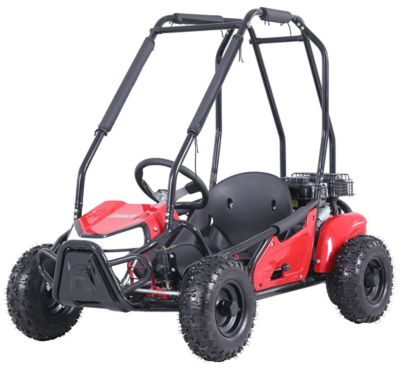
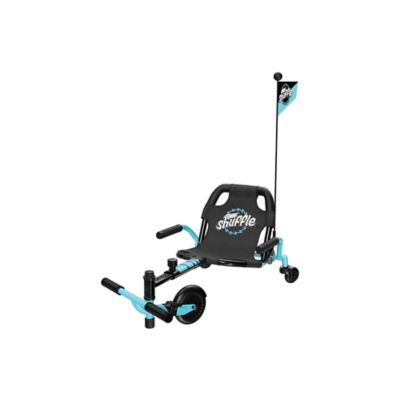
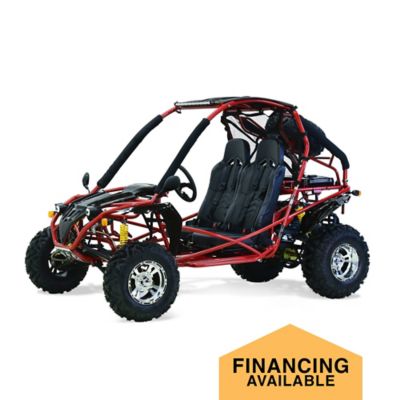
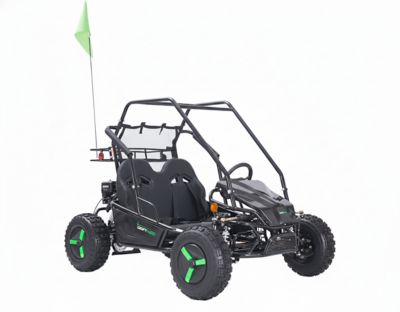
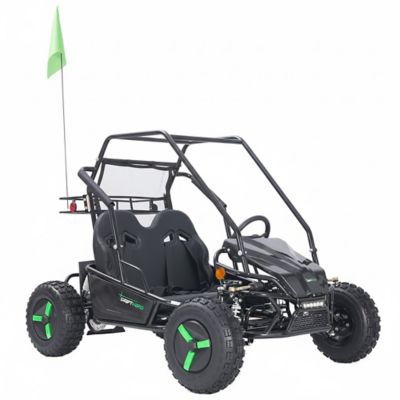
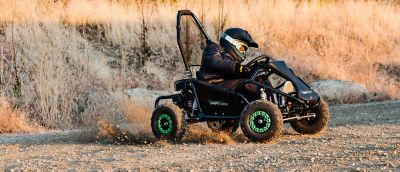
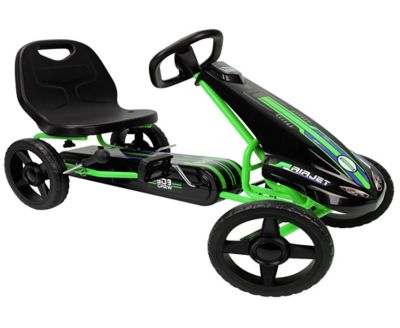
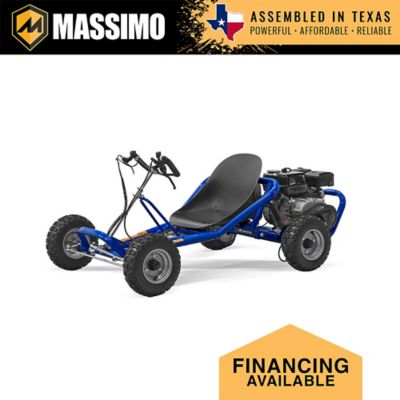
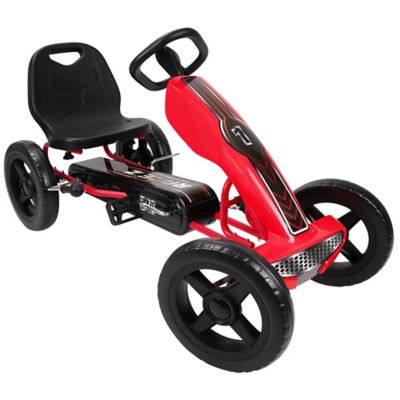
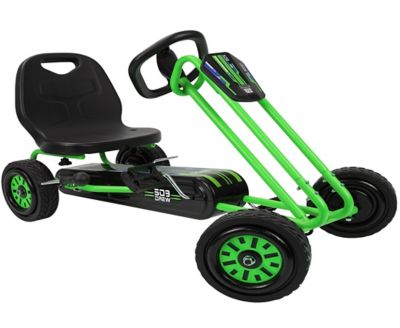
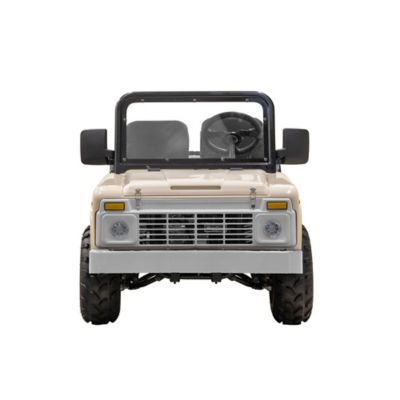
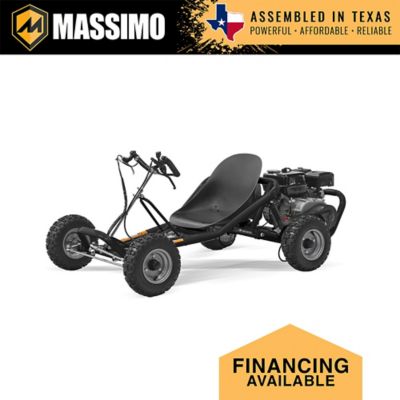
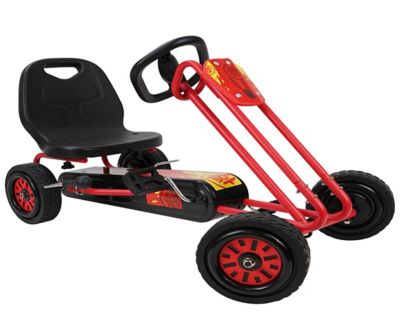
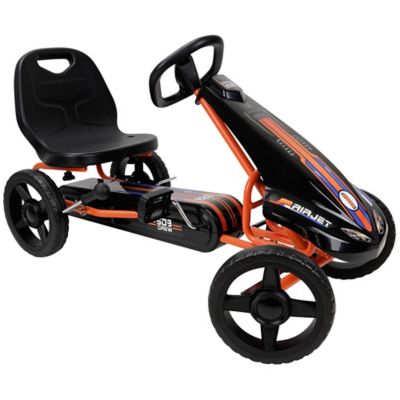
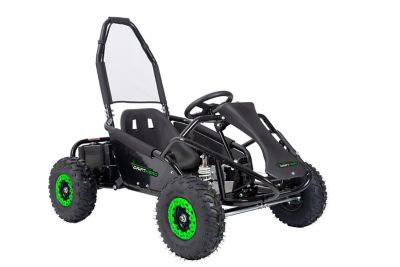
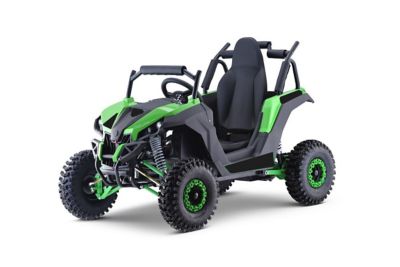
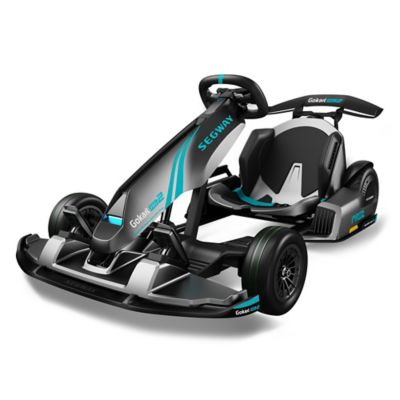
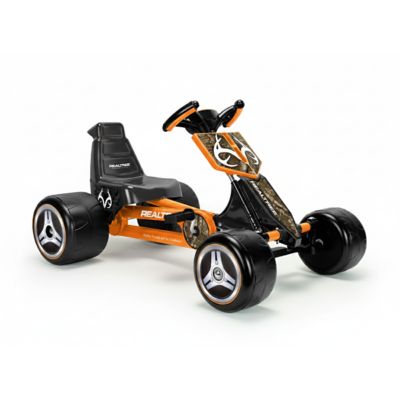
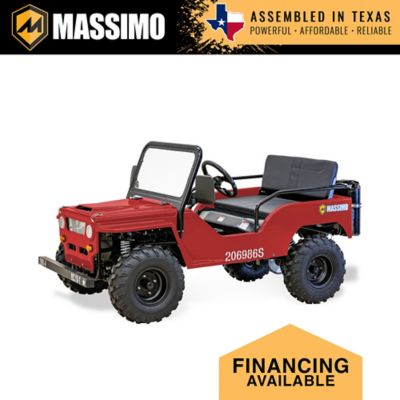
Go karts bring a different kind of fun to country living: a low seat, a steering wheel close at hand, and a stretch of approved riding ground where the next turn gets plenty of attention. They’re recreational vehicles, with designs that range from smaller machines for riders within the manufacturer’s age and size limits to larger setups intended for adults. The right match starts with the rider and the ground, not just the engine size or the top speed printed in the specifications. A compact kart may feel manageable on a smooth, designated course, while a model intended for off-road recreation may have more ground clearance, deeper tire tread, and suspension built to handle uneven surfaces within its limits. Neither design makes every patch of property a riding area. Livestock, equipment traffic, hidden holes, steep slopes, and public roads all call for clear boundaries. Gas-powered and electric go karts also offer different ownership experiences. Gas engines bring fuel handling, engine maintenance, and exhaust considerations, while electric designs bring battery charging, storage, and run-time considerations. Electric operation still calls for the same attention to speed, stopping distance, and rider readiness. Battery capacity, rider weight, terrain, and driving habits can all affect how long an electric kart runs between charges; engine design and riding conditions influence fuel consumption on gas models. For either type, the frame, drivetrain, brakes, and tires need to suit the intended riding surface and load. Steel frames are common, but frame material alone doesn’t tell the whole story. Construction, protective finishes, component layout, and the manufacturer’s operating limits all matter. A go kart that fits its rider and its riding area makes more sense than a larger machine chosen for speed alone, whether the plan is supervised recreation for a younger rider or a little seat time for an adult after the chores are done.
Fit shows up in small details once someone settles into the seat. The rider needs to reach the pedals through their full travel, hold the steering wheel comfortably, and operate the controls without stretching forward or shifting out of position. Knees need room, feet need to stay where they belong, and the seat should support a stable driving position. An adjustable seat or pedal arrangement can help accommodate different riders within the machine’s stated limits, but adjustment does not turn an adult-sized kart into a suitable choice for a child. Manufacturer age guidance, maximum rider weight, riding experience, and the ability to follow directions belong in the same conversation. Single-seat and two-seat layouts serve different situations, too. A passenger belongs only in a seat designed for one, with the restraint and weight limits specified for that seating position; an extra rider should never be squeezed onto the driver’s seat or frame. Seat belts or harnesses, side protection, and overhead structures vary by design, and none takes the place of sensible operation or protective riding gear. A properly fitted helmet rated for motorsports, eye protection, gloves, long pants, and over-the-ankle footwear help round out the riding setup. For younger riders, close adult supervision and clear riding boundaries are part of the activity, not optional extras. Speed controls, where included, may help adults manage a machine’s settings, but they don’t replace a suitable fit or the rider’s ability to steer and stop. Braking layout deserves attention as well, along with steering effort and how easily the rider can identify and reach each control. Suspension can soften some bumps, but it doesn’t make rough ground harmless. Likewise, knobby tires can provide traction on surfaces they’re designed for without making a kart suitable for every trail. Picture a rider approaching a bend: comfortable reach, a steady seating position, and room to stop matter much more than an impressive engine number.
Go kart ownership also includes the practical side of keeping a machine ready for its next outing. Dust and grit can work into moving parts, fasteners can loosen with vibration, and tires, brakes, chains, belts, and bearings need attention according to the owner’s manual. Accessible service points and clear maintenance instructions can make that work less of a chore. Gas-powered designs may require engine oil service, air-filter care, and attention to the fuel system, depending on their construction. Electric designs need the specified charger, sound electrical connections, and charging and storage practices that follow the battery manufacturer’s directions. Battery chemistry matters, so charging routines shouldn’t be borrowed from a different machine just because the plugs or cases look similar. Cleaning also depends on the design: blasting electrical components, bearings, or seals with a pressure washer can create problems that a gentler approach avoids. Painted or powder-coated metal surfaces benefit from keeping grit and buildup from sitting against the finish, while seat coverings and plastic panels need cleaners suited to their materials. A sheltered storage spot helps keep the kart out of the way of working equipment and protects it between rides. Space for charging or routine service is worth considering alongside the space needed to park it. For a gift, the surprise should never come at the expense of fit, age suitability, or permission to ride. The recipient needs an appropriate place to operate the kart, the necessary protective gear, and someone prepared to handle supervision or maintenance where required. It also helps to keep recreation separate from property work. For moving feed sacks, tools, or other supplies,
Cargo Carts serve a different purpose; a go kart’s seat, frame, or overhead structure shouldn’t become an improvised hauling rack. With rider fit, care requirements, and intended use in mind, go karts can have a clear place in a rural household: a machine for focused, hands-on recreation, with responsibilities that belong right alongside the fun.