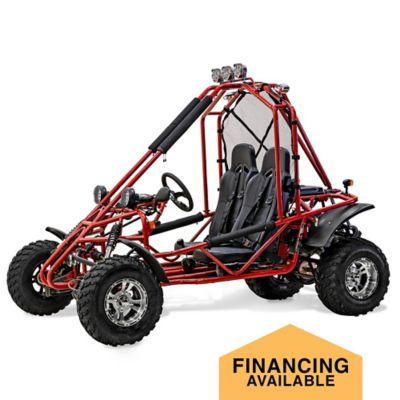
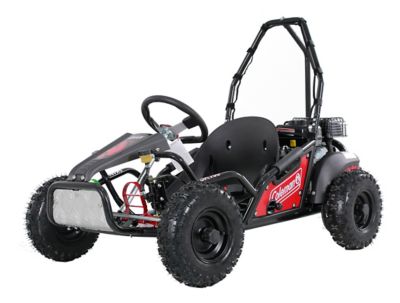
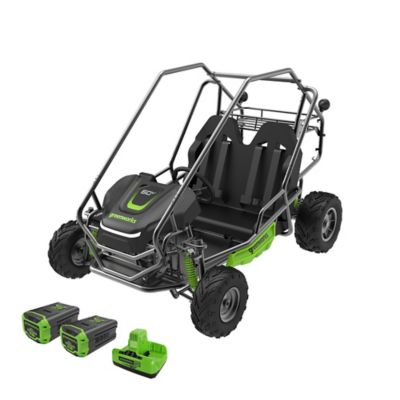
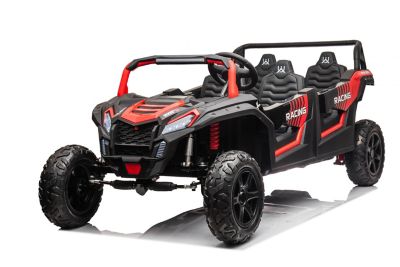
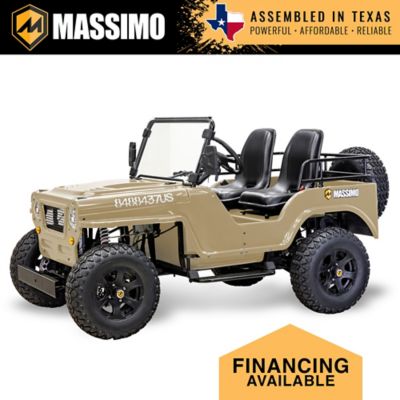
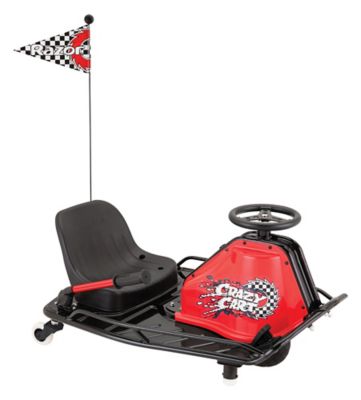
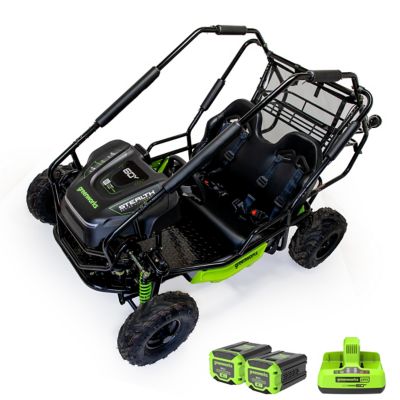
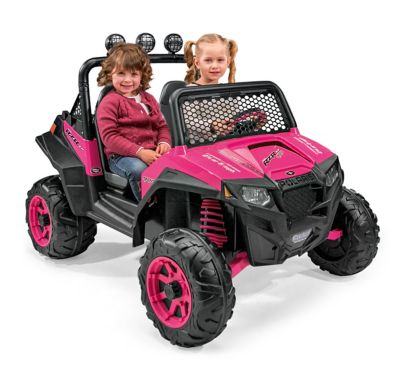
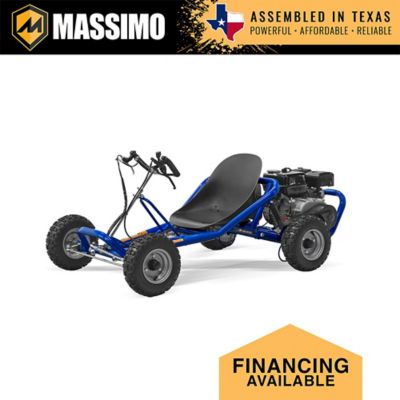
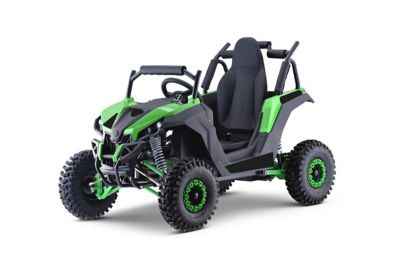
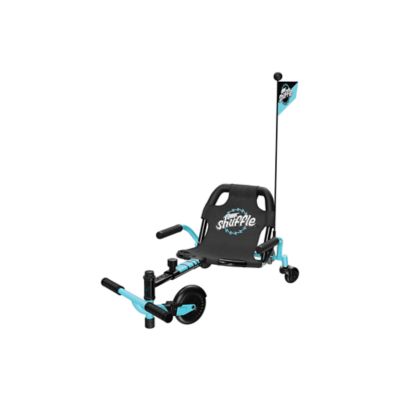
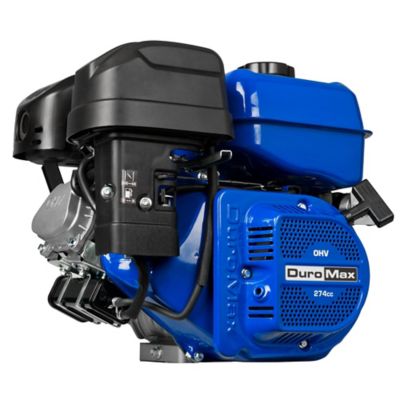
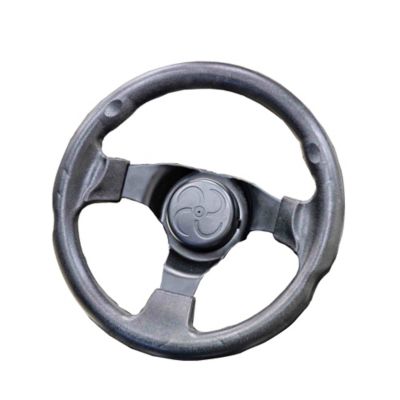
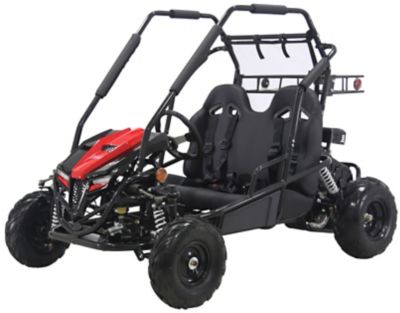
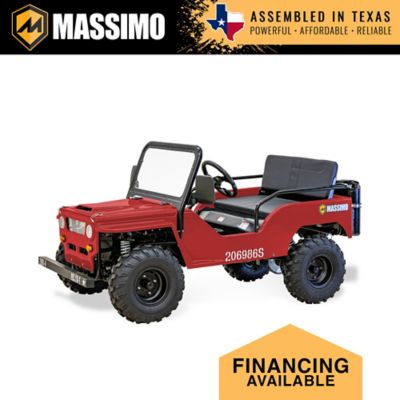
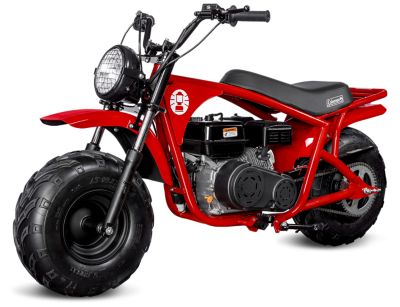
Outdoor go karts bring a little extra fun to time outside, whether the setting is a designated riding area on an acreage or a closed course away from traffic and farm work. Their low seating position, responsive steering and open-air feel make even a familiar stretch of ground seem different from behind the wheel. These recreational vehicles come in several configurations, with differences in power source, seating, tires and suspension that shape how they handle and who they suit. Gas-powered go karts have engine and fuel-system upkeep to account for, while electric go karts depend on battery capacity, charging time and suitable charging conditions. Neither power source tells the whole story about performance; vehicle weight, gearing, rider load and terrain all play a part. A compact kart intended for a younger rider serves a different purpose than an adult-sized model, and age recommendations matter just as much as physical fit. For families, that means looking beyond whether a child can climb into the seat. The driver needs to reach the pedals comfortably, operate the brake through its full travel and turn the steering wheel without stretching or losing a stable seated position. Manufacturer age limits, height guidance and weight capacity help establish that match, alongside the rider’s judgment and experience. A two-seat layout can make room for a passenger when the kart is designed for one, but every occupant needs a designated seat and properly fitted restraints. Outdoor go karts can also make a memorable gift for someone who enjoys motorsports and has an appropriate place to ride. The best match includes more than the vehicle itself: protective gear, storage space, maintenance needs and adult supervision for younger drivers are all part of ownership. On a rural property, a riding area separated from livestock, equipment lanes, ponds and public roads gives the activity its own space rather than mixing play with everyday chores.
Construction and fit make a noticeable difference once the wheels start rolling. Steel tubing is common in go kart frames, while body panels, floor areas and seating materials vary by design. Frame layout, ground clearance and the placement of exposed components help determine which surfaces a kart is built to handle. A low-clearance kart intended for smooth ground is not a stand-in for an off-road vehicle, even if the tires have an aggressive-looking tread. On models designed for uneven terrain, suspension can help manage bumps, but it does not make deep ruts, steep slopes or jumps appropriate. Tire tread, tire size and the manufacturer’s inflation recommendations affect traction and handling, especially where packed dirt gives way to loose gravel. Braking systems deserve equal attention, with controls that match the rider’s reach and stopping performance suited to the vehicle’s intended use. Seat shape, back support and adjustability also matter during an afternoon outdoors. A driver who sits comfortably with a slight bend in the knees has a better starting position than one squeezed against the steering wheel or reaching forward for every pedal movement. Restraints should fit as directed, and any protective frame or overhead structure should be evaluated according to the manufacturer’s description rather than appearance alone. No frame design takes the place of careful operation, a properly fitted motorsports helmet, eye protection and other recommended riding gear. For shoppers comparing performance-focused options,
Fast Go Karts offers a related category to explore, though speed should always fit the rider’s abilities, the vehicle’s limits and the riding area. For a beginner practicing starts, turns and controlled stops on level ground, predictable response matters more than a high top speed. Speed-limiting features, where included, may help support that learning period, but they never replace direct adult supervision. Clear sightlines and plenty of room to slow down are useful parts of the setting, especially when several family members take turns and each needs time to settle into the controls.
Day-to-day care helps an outdoor go kart stay ready for recreation and gives owners a chance to catch small problems before they interrupt a ride. Dust can collect around moving parts, grass can gather beneath the frame and mud can hide loose hardware or damage. Cleaning methods should follow the owner’s manual, particularly around bearings, electrical connections, brakes and engine components that may not tolerate a hard spray of water. Chains, belts, cables and fasteners each have their own inspection or service needs, depending on the design. Gas engines may need oil changes, air-filter service and fuel care, while electric models call for attention to the battery, charger and connections. Charging belongs in the location and temperature range specified by the manufacturer, with the correct charger and sound electrical equipment. Before a kart heads out, checking tire condition, steering movement, brake function and restraints is a practical routine, much like checking over other equipment before putting it to work. Cooler weather adds a few considerations without changing the basic appeal of an afternoon ride. Fallen leaves can conceal holes or slick ground, frost can reduce traction, and shorter daylight hours leave less time for a clear view of the route. Clothing should provide suitable coverage without loose scarves, dangling cords or other material that could catch in moving parts. Closed-toe footwear with a secure fit helps keep feet steady on the pedals. When riding is done, a sheltered storage spot protects the kart from ongoing exposure to rain and moisture; a compatible cover can offer added protection once the vehicle is cool and dry. Longer breaks call for the storage steps outlined in the manual, including any fuel or battery precautions. It also helps to keep service records and the owner’s manual together so maintenance intervals and operating limits are easy to find. With the right fit, a suitable riding space and steady attention to care, outdoor go karts give families and recreational riders a hands-on way to enjoy time outside, from learning smooth steering inputs to sharing a well-planned afternoon on a closed course.