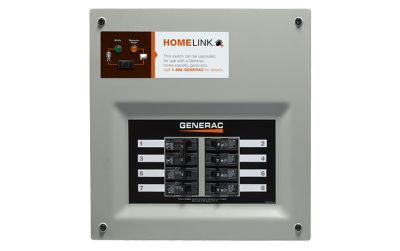
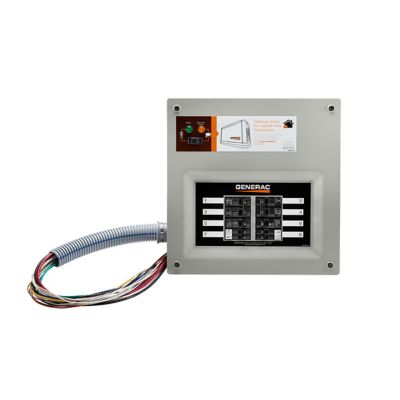
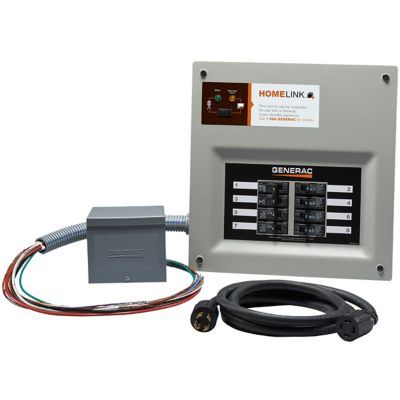
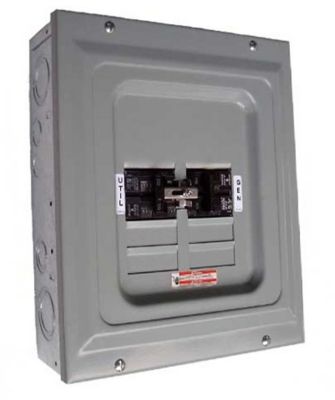
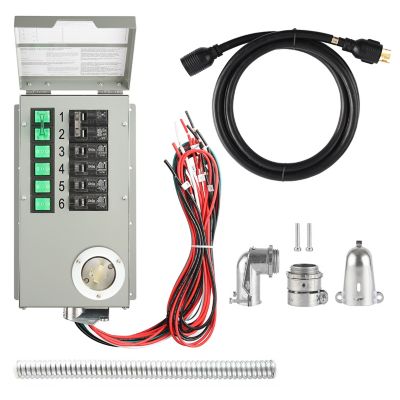
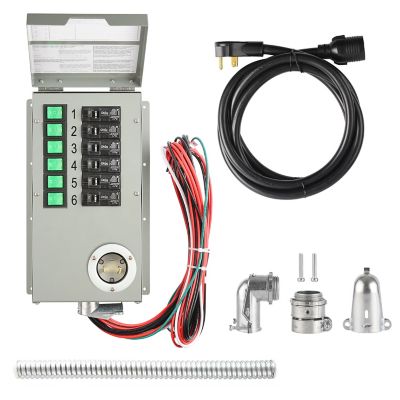
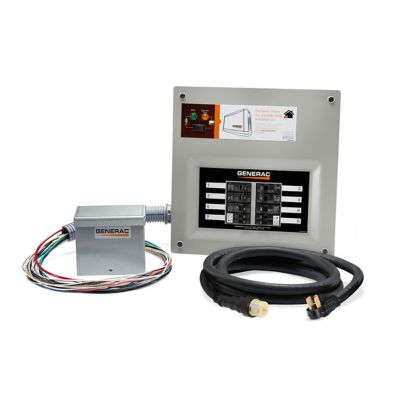
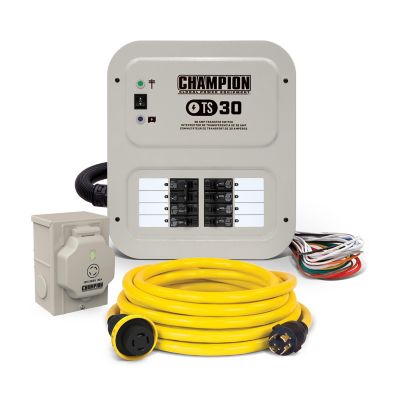
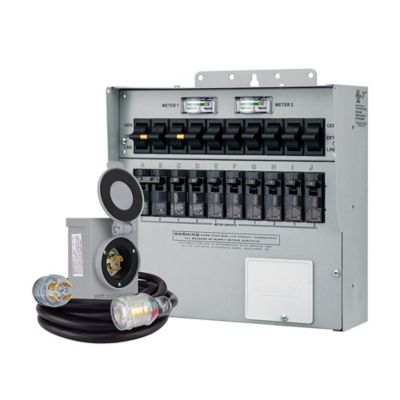
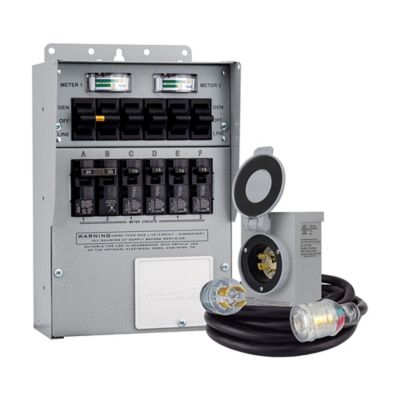
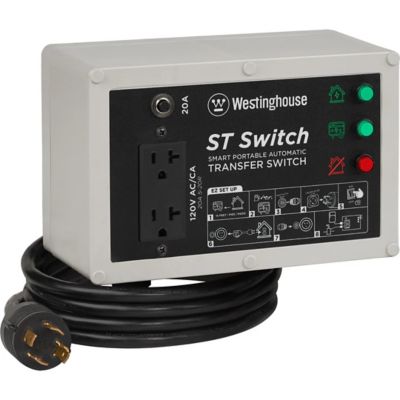
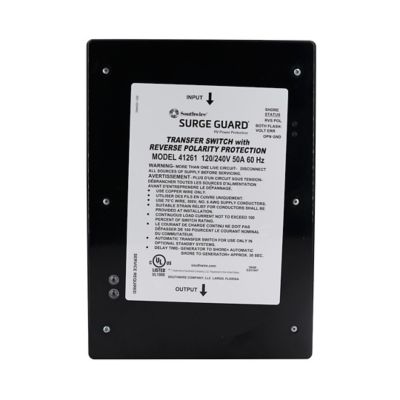
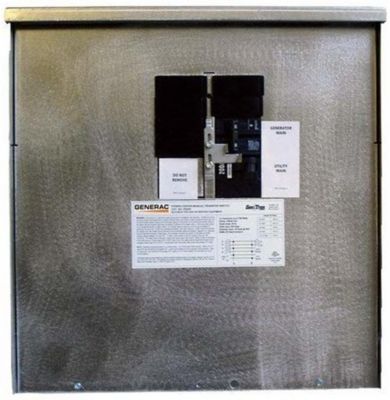
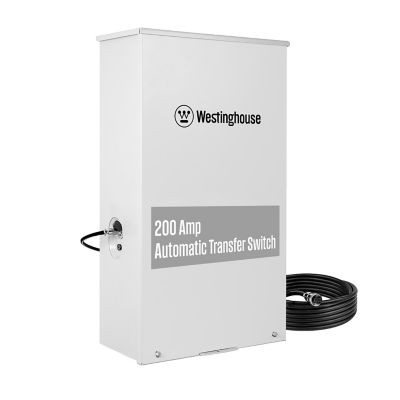
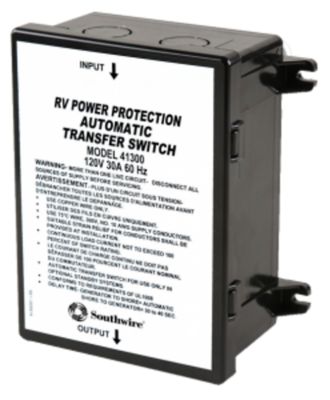
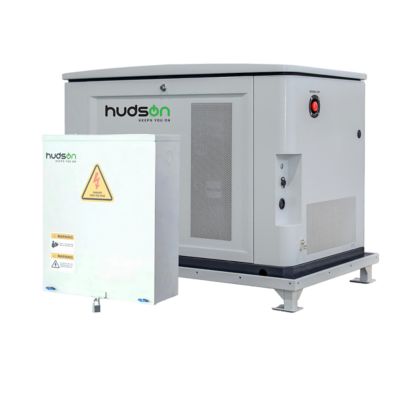
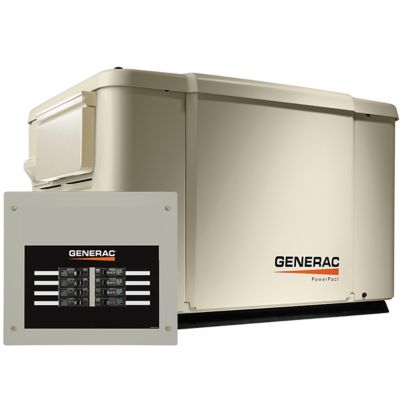
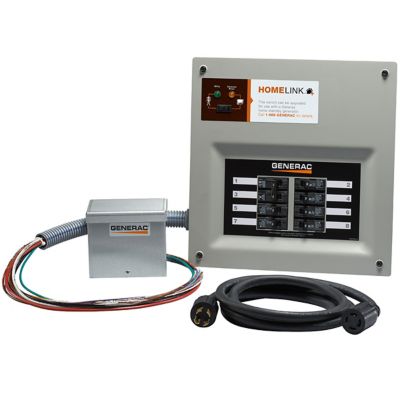
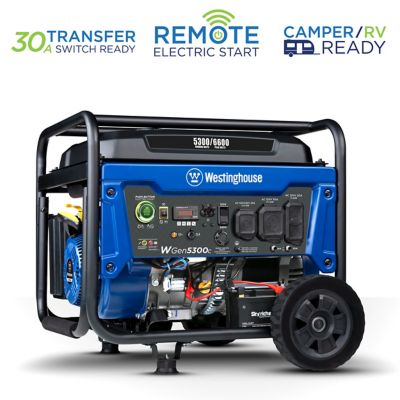
Generator switches, also called transfer switches, help connect a backup generator to selected parts of a home or other building while keeping utility power safely separated. During an outage, a properly installed transfer switch prevents dangerous backfeed, which is electricity traveling from a generator back through utility lines and putting lineworkers at risk. It also gives you a cleaner, more dependable way to run important equipment than routing several extension cords through a window, doorway, or crawl space. Depending on the setup, a switch may supply one essential load, such as a well pump, furnace, sump pump, refrigerator, or freezer, or it may serve several circuits through a dedicated panel. This makes generator switches useful on farms, rural properties, workshops, cabins, and homes where a short outage can affect livestock watering, food storage, heating, communications, or everyday chores. As storms roll through and the weather shifts from warm days to cooler nights, having a planned way to move from utility power to generator power can make an outage feel less like an emergency and more like a routine changeover. If you are still choosing a backup power source, take a look at
Powerhouse Generators to compare options before matching a switch to the equipment you intend to run.
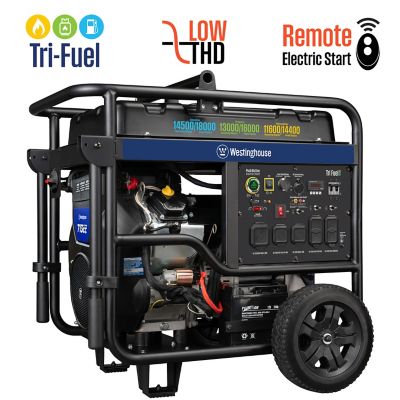
The main choice is between a manual transfer switch and an automatic transfer switch. A manual transfer switch requires someone to operate a lever, toggle, or set of controls after the utility power goes out. It is a practical choice for many portable-generator setups because it lets you decide which circuits receive power and when the generator is started. An automatic transfer switch senses a loss of utility power and changes over without someone standing at the electrical panel, which is commonly used with permanently installed standby generators. Generator switches also vary by capacity and circuit arrangement. A single-load switch can be suited to one critical appliance or piece of equipment, while a multi-circuit switch can direct generator power to several selected household circuits. Before purchasing, make a list of the loads that matter most during an outage and check their starting and running wattage. Motors on pumps, refrigerators, freezers, blowers, and shop equipment can draw extra power when they start, so the switch and generator both need to support that demand. Confirm the generator’s voltage, amperage, phase, connection style, and maximum output, then compare those details with the switch rating and your existing electrical panel. Some setups include a power inlet box and cord, while others require those parts to be selected separately. The generator switch should be compatible with the panel, the wiring method, and the circuits being supplied; a switch that is too small, incorrectly matched, or installed without proper overcurrent protection can create serious hazards.
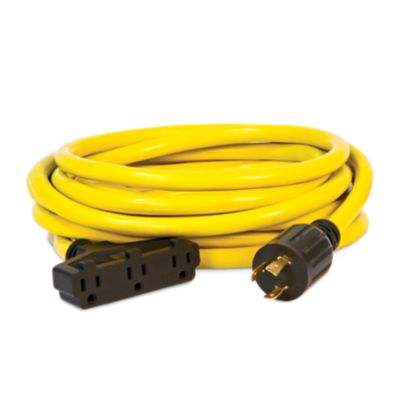
A transfer switch is not a substitute for safe generator operation or professional electrical work. Installation should follow local codes and the instructions for the specific equipment, and many homeowners will want a licensed electrician to inspect the panel, identify the circuits, install the inlet and wiring, and confirm that the system isolates utility power correctly. Never connect a portable generator directly to a wall outlet, and never use a homemade connection that could energize household wiring or outside power lines. Keep the generator outdoors in a dry, well-ventilated location away from doors, windows, and livestock areas where carbon monoxide could collect, and use heavy-duty cords and connections rated for the load. It is also worth labeling the selected circuits so anyone in the household can see what will stay powered and what must remain off. A simple plan might prioritize the refrigerator, well pump, furnace blower, internet equipment, and a few lights, while leaving high-draw items such as electric ranges, water heaters, clothes dryers, and large shop tools disconnected unless the generator and transfer equipment are designed for them. A generator switch can be a thoughtful, practical gift for a new homeowner, a family caring for animals, or anyone maintaining a rural property where an outage affects more than the lights. Keep the switch, generator, inlet, cords, and operating instructions together, test the system safely according to the manufacturer’s recommendations, and check it before the cooler months bring heavier wind, rain, ice, or snow. With the right match and a safe installation, generator switches help keep essential circuits working without the tangle of extension cords or the danger of backfeeding the grid.