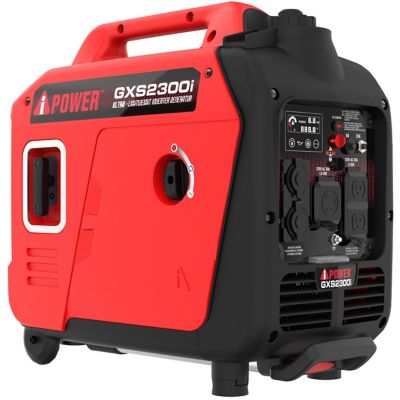
Two-stroke generators bring portable electrical power to places where an outlet is a long walk away, from a fence repair out past the barn to a campsite with no hookups. A two-stroke generator, also called a two-cycle generator, pairs a gasoline engine with an alternator to produce electricity. Its engine completes a power cycle in two piston strokes and typically runs on gasoline mixed with two-cycle oil, rather than drawing lubrication from a separate engine oil reservoir. That arrangement helps keep the machine compact and cuts out the separate crankcase oil changes associated with most four-stroke engines, though routine maintenance still matters. These generators generally suit smaller electrical loads rather than whole-house backup or equipment that needs substantial starting power. Some compact models fall around 900 to 1,000 running watts, with a higher short-term starting rating, but output varies by machine. Running watts describe the power a generator can supply continuously; starting watts describe the brief extra capacity available to get certain motors moving. That distinction matters when a small appliance, pump, or corded tool needs more electricity at startup than it does once running. A few work lights beside a repair project present a different load than a motor-driven tool, even when both plug into an ordinary household-style outlet. For shoppers comparing outlet configurations and electrical requirements,
120V Generators offer a related category to consider, though voltage alone does not establish whether a generator can handle a particular load. The generator’s rated wattage, receptacle type, and the equipment’s electrical requirements all need to line up. For a landowner, camper, or someone tackling occasional work away from permanent wiring, the appeal is straightforward: a small power source that can travel with the job. The best fit depends less on how many outlets sit on the control panel and more on what needs power at the same time.
Size, weight, and construction make a noticeable difference when a generator has to move from a storage shelf to a pickup bed and then out to a work area. Some small two-stroke generators weigh in the mid-to-upper 30-pound range before fuel, but carrying weight and dimensions should always come from the machine’s specifications. A well-positioned handle, balanced layout, and enough clearance for a gloved hand can make a compact unit easier to lift and carry. Steel frames or protective housings can help shield components from everyday bumps, while sturdy feet and vibration-isolating mounts help keep the unit settled on a firm, level surface. Materials and construction vary, so the frame, tank, handle attachment points, and access to service parts all deserve attention. For a generator headed to a remote repair spot, manageable weight may matter more than a larger tank; for longer stretches powering modest loads, fuel capacity and stated runtime may carry more weight in the decision. Runtime figures only tell the full story when the load is included. A rating of five hours at half load does not promise five hours with the generator operating near its continuous limit. Noise also deserves a close look, especially around neighboring campsites or shared work areas. Compare sound ratings at the stated distance and load, and check any site rules before bringing a gasoline generator along. Two-stroke operation does not automatically mean quiet operation, and a compact frame does not guarantee the electrical output needed for sensitive devices. Computers, entertainment equipment, and electronic controls may require tighter voltage regulation and lower total harmonic distortion than a basic generator provides. Inverter technology is a separate feature, not something implied by the engine’s stroke count. For occasional backup, a small two-stroke generator may support a selected appliance if both its running demand and startup surge fall within the generator’s ratings. Refrigerators, pumps, heaters, and larger shop equipment should never be assumed to fit simply because their plugs match an outlet.
Fuel handling and upkeep are part of owning a two-stroke generator, whether it heads out for regular chores or spends most of its time waiting for the next job. The required gasoline-to-oil ratio is specific to the engine. A 50:1 mixture is common in some two-cycle equipment, but it is not a universal specification for generators; the owner’s manual determines the correct ratio and oil type. Air-cooled engines may require oil formulated specifically for air-cooled two-cycle service, so oils intended for other applications are not automatically interchangeable. Proper measuring matters because the oil in the fuel supplies engine lubrication. A clearly marked, approved fuel container helps keep mixed fuel separate from straight gasoline intended for other equipment. Fresh fuel, the permitted ethanol content, and the manufacturer’s storage directions also matter, particularly when the generator sits between jobs. Accessible air filters, spark plugs, fuel shutoffs, and starter components can make routine care less of a chore. Where fitted, a spark arrestor needs maintenance too, and certain public lands or work areas may require one. Before transport, the engine should be cool, the fuel cap secure, and the generator fastened upright according to its instructions. During operation, every gasoline generator belongs outdoors, at least 20 feet from homes and other buildings, with exhaust directed away from doors, windows, and vents. A barn, garage, shed, tent, or partly enclosed porch is not a safe operating spot, even with doors open. Carbon monoxide has no color or smell, and working carbon monoxide alarms are an important safeguard in occupied buildings. Keep the unit protected from moisture without enclosing it or blocking ventilation, and shut it down and let it cool before refueling. Outdoor-rated extension cords must match the electrical load and cord length, with intact insulation and grounding where required. Powering building circuits calls for properly installed transfer equipment, never a connection through a wall outlet. With the right electrical match, sensible carrying features, and straightforward service access, a two-stroke generator can fill a practical role for small power needs beyond the reach of permanent wiring.