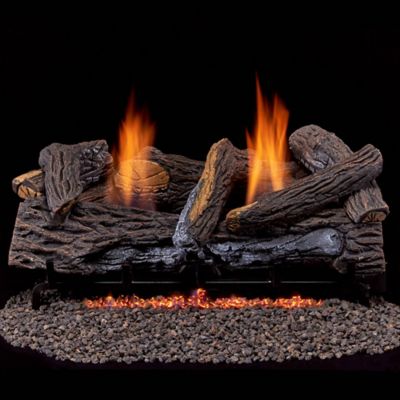
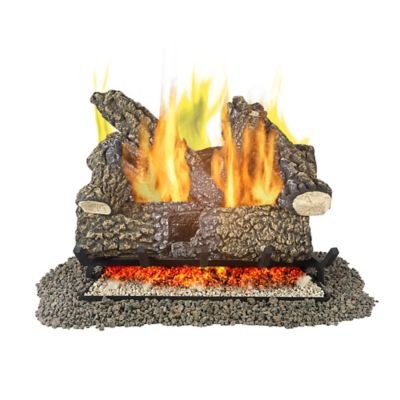
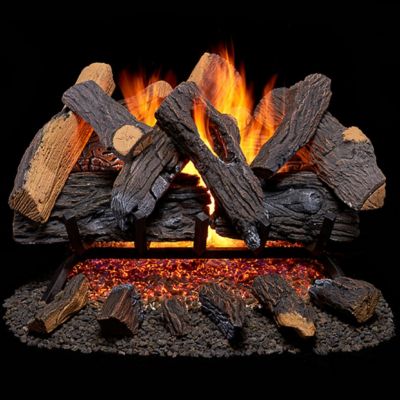
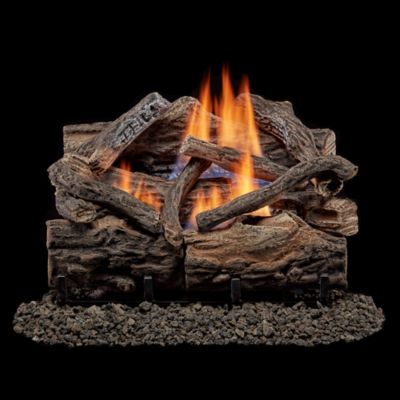
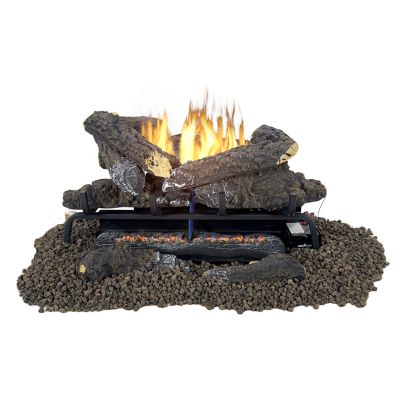
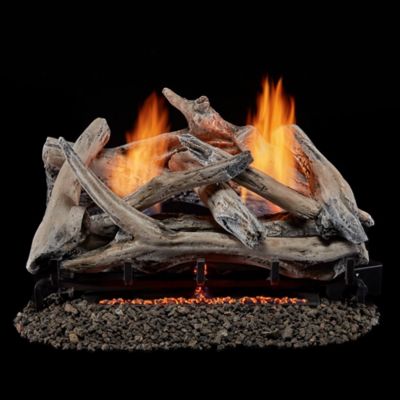
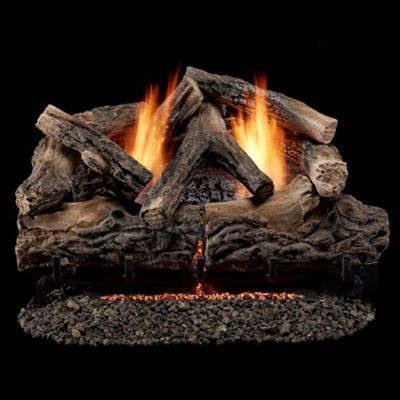
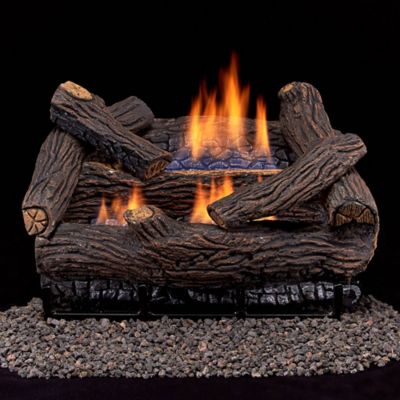
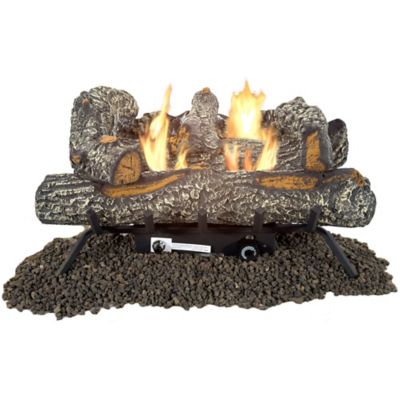
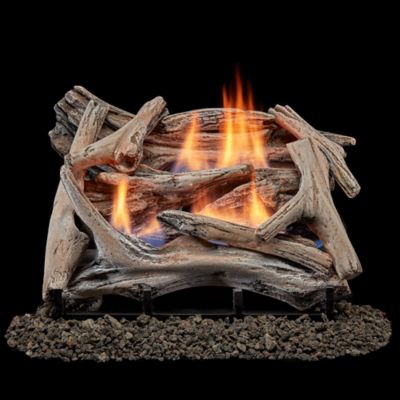
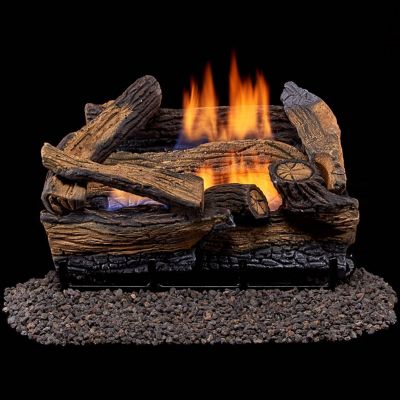
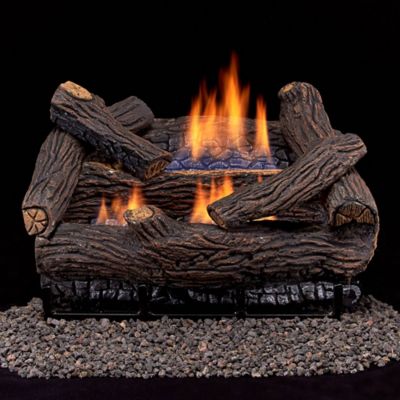
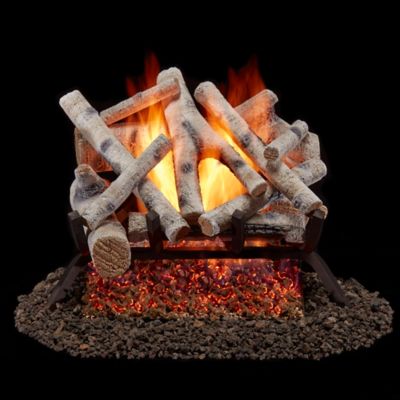
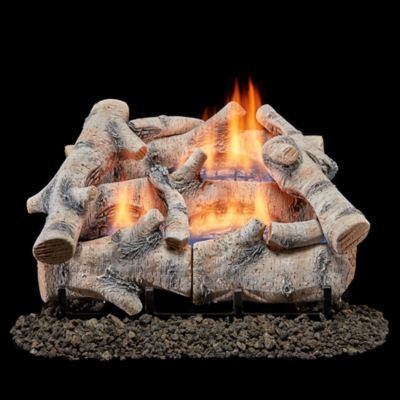
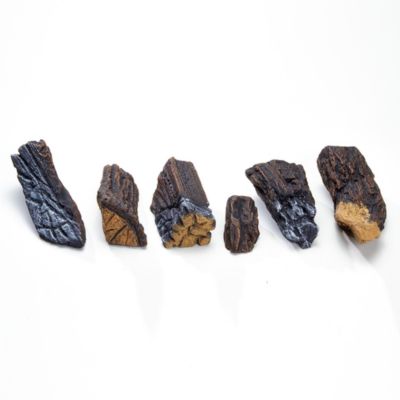
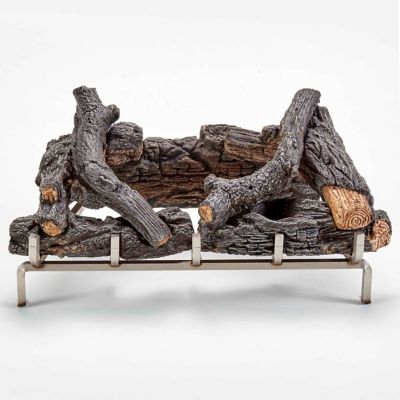
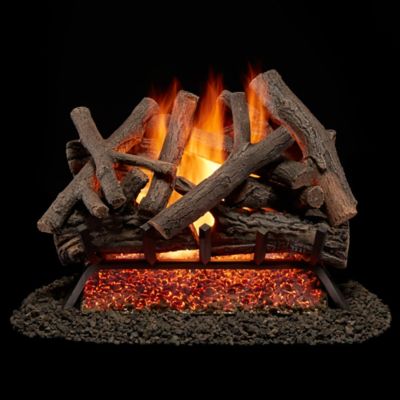
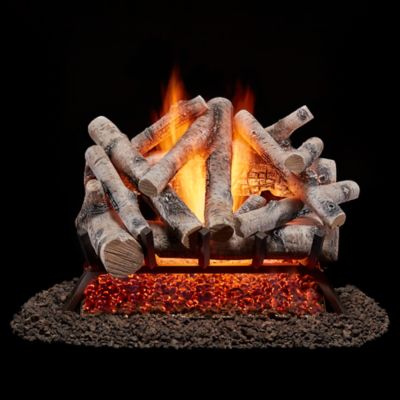
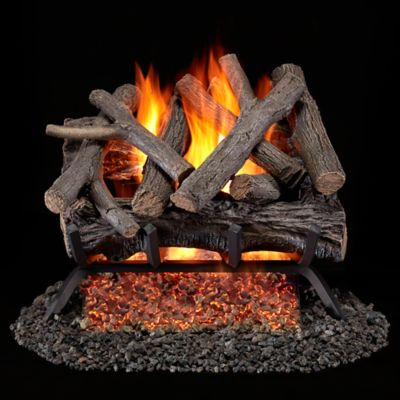
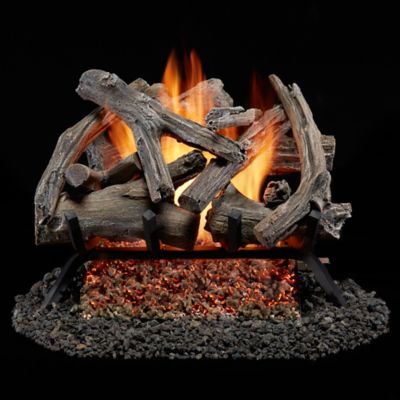
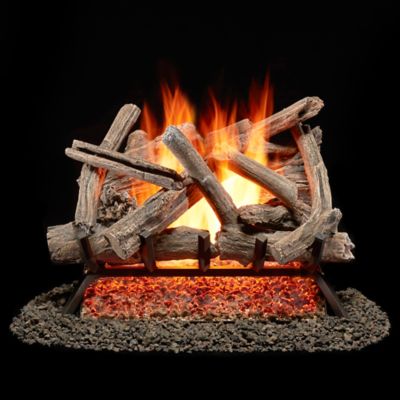
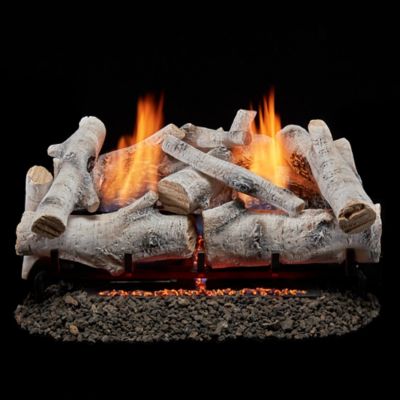
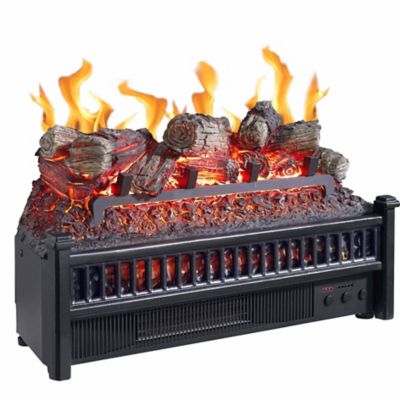
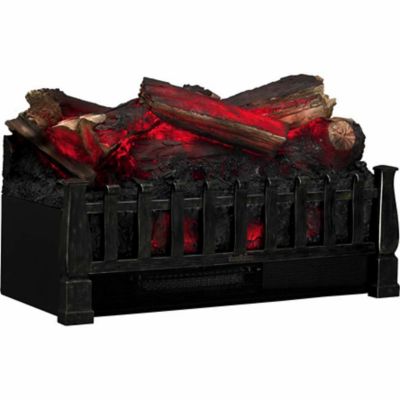
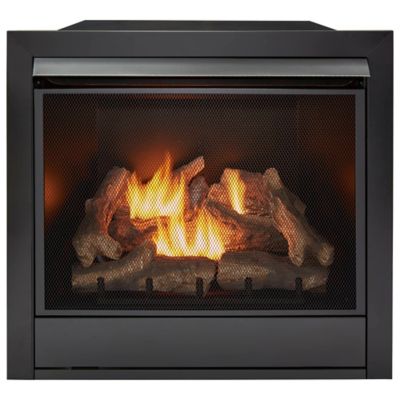
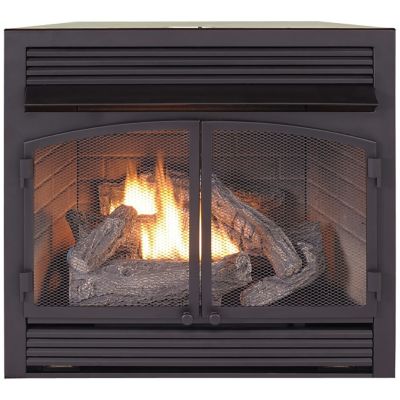
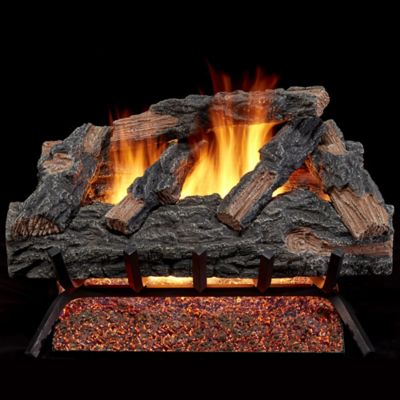
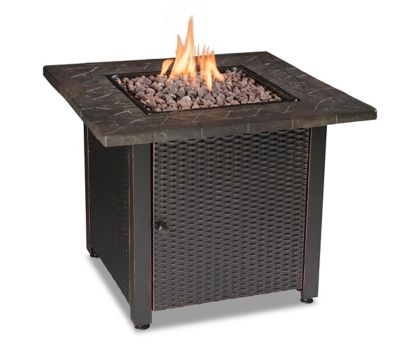
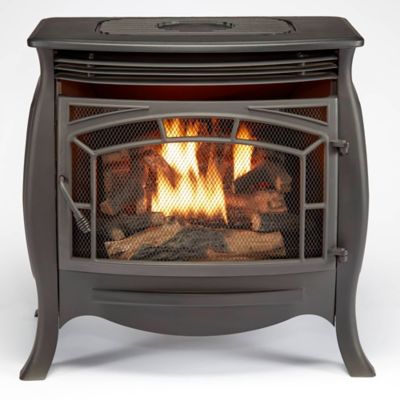
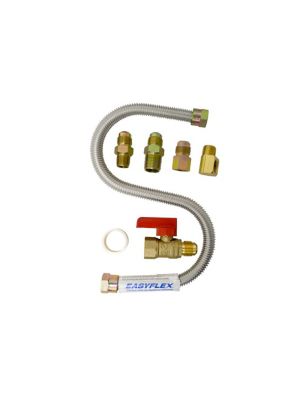
Gas log sets bring the look of a wood fire to a fireplace without the chopping, hauling, stacking and sweeping that come with firewood. A typical set includes realistic ceramic or refractory concrete logs, a metal burner grate and ember material arranged to create a steady, natural-looking flame pattern. They can be a good fit for homeowners who already have a gas fireplace and want to refresh its appearance, as well as for anyone planning a more convenient alternative to a traditional wood-burning setup. During the cooler months, a glowing fire can make a living room, cabin, hunting lodge or covered porch feel more welcoming, whether you are settling in after a long day outdoors or visiting with family over supper. Gas log sets are also a practical housewarming gift for someone who has recently moved into a home with a fireplace, though the right choice depends on the fireplace opening, gas connection and venting arrangement. For outdoor entertaining, a gas fire table can offer a different kind of gathering spot; browse
Gas Fire Tables for options made for open-air spaces. Indoors, gas logs are meant for approved fireplaces and should be selected with both appearance and installation requirements in mind.
The first decision is whether the fireplace uses a vented or vent-free, also called ventless, log set. Vented gas logs operate with the chimney flue open and are designed mainly to provide the look and atmosphere of a traditional fire. They generally produce taller, more open flames and allow more of the fireplace interior to remain visible, but much of the heat travels up the chimney rather than staying in the room. Vent-free gas logs operate with the damper closed, helping keep more warmth indoors and making them a choice for people who want supplemental heat as well as a fire-like display. Many vent-free systems include an oxygen depletion sensor that shuts off the gas if oxygen levels fall below a specified point, but that safety feature does not replace proper installation, ventilation requirements or regular inspection. Not every fireplace can use every type of set, and local building or fuel-gas codes may limit where vent-free units can be installed. Before shopping, identify whether the home uses natural gas or liquid propane, since a set made for one fuel may not work with the other without an approved conversion process. Check the fireplace owner’s manual or have a qualified gas professional confirm the fuel type, venting requirements and connection before installation. A licensed professional should handle gas-line work, burner connections and any conversion, while the homeowner can focus on choosing a log arrangement that suits the room. If there is any sign of a damaged gas line, unusual odor, soot buildup or an unreliable pilot, stop using the fireplace and have it inspected.
Accurate measurements are just as important as fuel and venting. Measure the front width of the firebox, the width at the back, the interior depth and the available height from the floor to the top of the opening. It is helpful to measure at more than one point because older masonry fireplaces are not always square, and a set that looks small in the store can fit very differently once it is placed inside the firebox. Leave the clearances required by the manufacturer around the logs, burner, sides and top of the opening; packing a larger set into a tight fireplace can lead to overheating, poor flame performance or an automatic safety shutdown. Pay attention to the ignition style, too. Match-light systems are simple and often require a long lighter, standing pilot systems offer convenient relighting, and electronic or remote-ready ignition can make it easier to start and adjust the fire from a chair. Choose controls that match how the fireplace will be used, especially if the fire is part of a daily evening routine or will be used by older family members. Once installed, keep decorations, firewood, furniture, curtains and other combustibles away from the opening, and never place ordinary candles or seasonal décor on or around the log set. Follow the operating instructions every time, keep the pilot and burner area free of dust and pet hair, and arrange ember material only as directed so it does not block burner ports. A professional inspection before the first use and periodic checks afterward can help catch wear, venting problems or connection issues early. With the right size, fuel and venting type, gas log sets can add a steady glow and comfortable gathering place to a home as the weather shifts from warm afternoons to crisp evenings.