Gas stoves put visible flame and responsive burner control at the center of everyday cooking, whether supper means a skillet of pork chops or a pot of beans that needs a slow simmer. A gas range combines a burner cooktop and an oven in one appliance, while a separate gas cooktop needs its own countertop opening and a separate oven for baking. Many full-size ranges are about 30 inches wide, with oven capacities around 5 cubic feet, but dimensions and cooking space vary. The right fit depends as much on the pans and meals a household prepares as it does on the kitchen layout. A broad grate surface can make room for a stockpot beside a frying pan, while a smaller burner gives a saucepan a spot away from the strongest flame. Burner output is measured in British thermal units, or BTUs; higher-output burners provide more heat input, while lower-output burners are intended for gentler cooking. A high BTU number alone does not tell the whole story, since pan size, burner design and low-flame control also matter. For someone stirring gravy while potatoes boil, having several useful burner sizes can matter more than having every burner deliver maximum heat. Continuous grates can make it easier to slide heavy cookware between burners without lifting it clear of the cooking surface. Some layouts also include a center burner or space for a griddle, though cookware still needs enough room to sit flat without crowding neighboring pans. In the oven, rack positions and usable interior dimensions help determine whether a roasting pan, baking sheet or pair of casserole dishes will fit comfortably. Convection, where offered, circulates hot air with a fan and may call for adjustments to familiar recipes. An oven window, interior light and easy-to-read controls are practical touches when biscuits need watching and several dishes are coming together at once.
Kitchen fit goes beyond the width printed in a listing. A freestanding gas range usually has finished sides and a rear control panel, while many slide-in designs place controls at the front for a different fit along the countertop. The appliance’s installation drawings settle the details, including required clearances, countertop height, cabinet openings and the location of utility connections. Depth deserves a close look because handles can project beyond cabinet fronts, and the oven door needs room to open without blocking a walkway or striking an island. A nearby drawer or dishwasher door should have space to swing open, too. In a smaller farmhouse kitchen, those few inches can make the difference between an easy supper routine and two people constantly stepping around each other. Fuel compatibility is just as important as physical fit. Natural gas and liquid propane require the correct appliance setup; a range prepared for one fuel cannot simply be connected to the other. Some gas stoves permit conversion with manufacturer-approved parts, while others do not. A qualified installer should handle gas connections and any permitted conversion, including checks for proper operation and leaks. Many all-gas ranges also need a grounded 120-volt electrical connection for ignition, lighting and electronic controls, but the appliance specifications determine the actual requirement. Access to electricity does not mean every feature will work during an outage, so operation without power should never be assumed. Proper ventilation belongs in the installation plan as well. An exhaust hood that vents outdoors helps remove cooking fumes and pollutants from combustion, and installation must follow the appliance instructions and local requirements. Carbon monoxide alarms add an important layer of protection, not a substitute for ventilation or correct installation. For ranges that require an anti-tip bracket, having it installed and engaged helps prevent the appliance from tipping forward. A gas stove is for cooking, never for heating a room.
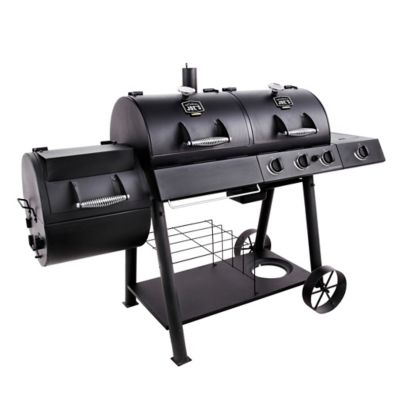
Materials and care affect how a gas stove handles the daily round of splatters, heavy pans and wipe-downs. Stainless steel brings a straightforward look that works with many kitchen finishes, though fingerprints and cleaning marks may show unless the surface is wiped with a suitable cleaner. Porcelain-enamel surfaces offer a smooth finish that generally cleans up well, but hard knocks and harsh abrasives can damage it. Cast-iron grates provide substantial support for cookware, while grate coatings and cleaning requirements vary by appliance. Removable grates and burner caps make it easier to reach spills, and sealed burners help limit food from dropping beneath the cooktop; they do not make the surface spillproof. A pot that boils over still needs attention once the appliance is off and cool. Burner openings should stay clear, and caps need to sit correctly after cleaning so the flame burns as intended. Care instructions matter here, since soaking, dishwasher cleaning or abrasive pads may not suit every part. Oven upkeep also differs among manual-clean, steam-clean and high-heat self-cleaning designs, where those options are offered. Heavy spills are worth addressing before repeated baking leaves them baked onto the oven floor. A lower compartment may be a broiler rather than a storage drawer, so its intended purpose matters before cookware goes inside. For busy households, straightforward controls, accessible surfaces and removable parts can make regular care less of a chore. Someone cooking from scratch most nights may value a steady simmer and roomy oven racks, while a household preparing large family meals may put more emphasis on burner spacing and room for several dishes. For a separate outdoor cooking spot,
Gas Grills offer another way to cook with flame, with equipment intended for outdoor use rather than an indoor kitchen. Indoors, a well-matched gas stove should suit the fuel connection, the kitchen footprint and the meals that actually land on the table, from a quick breakfast before chores to a sit-down supper with family.