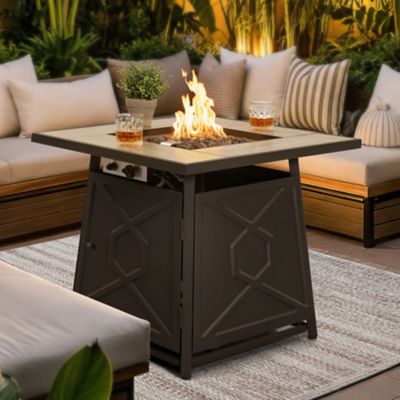
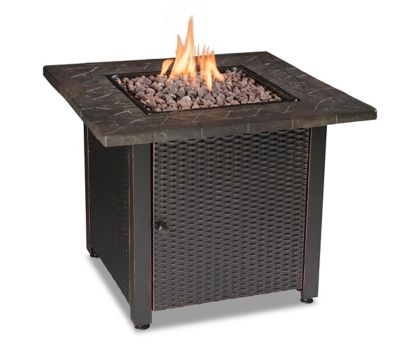
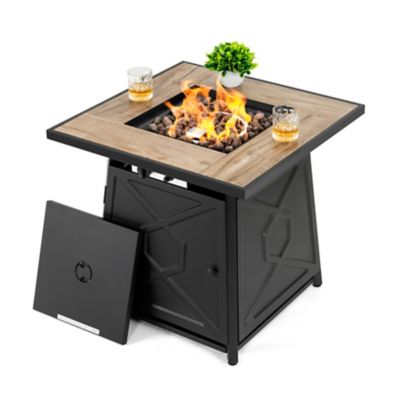
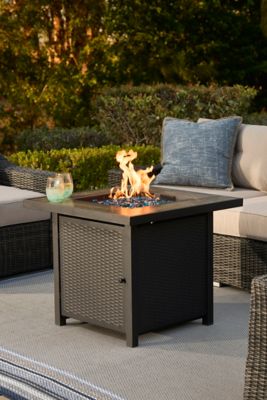
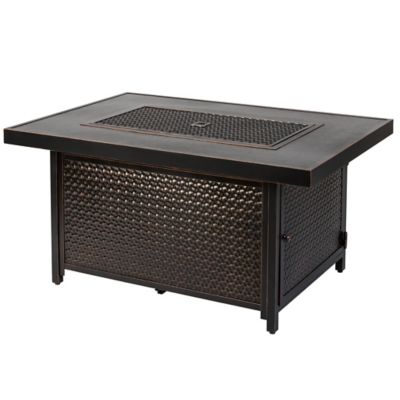
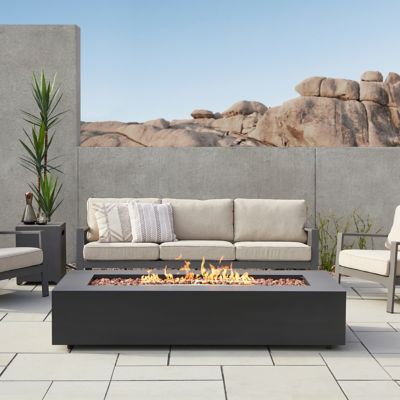
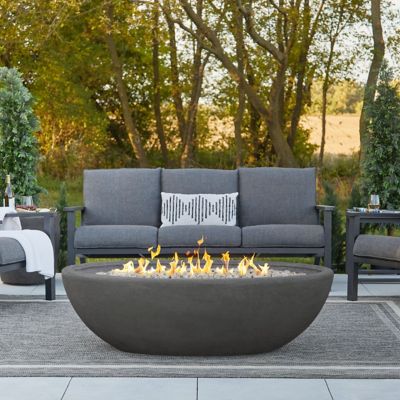
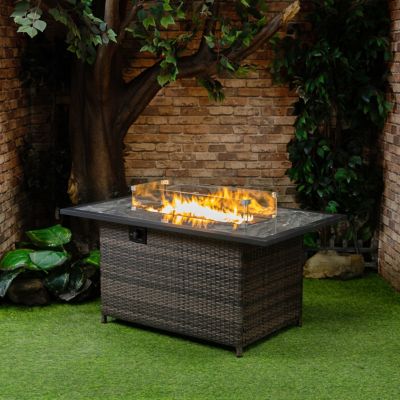
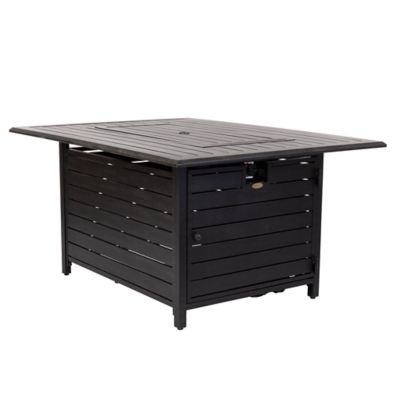
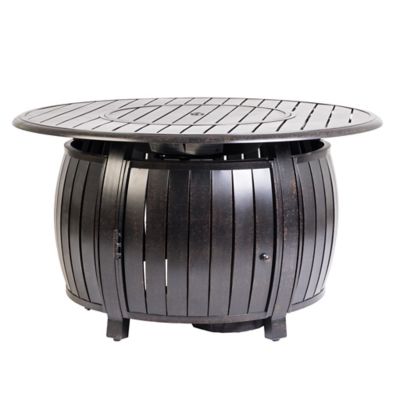
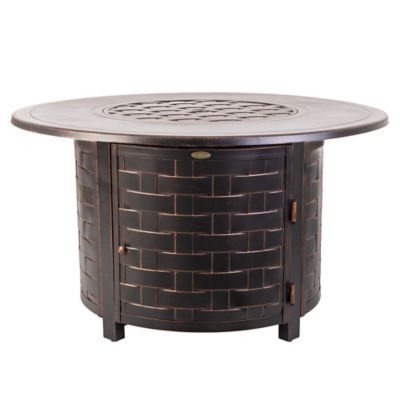
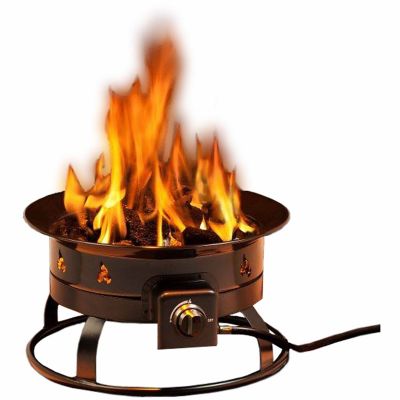
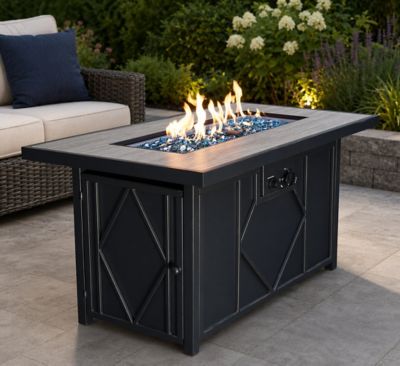
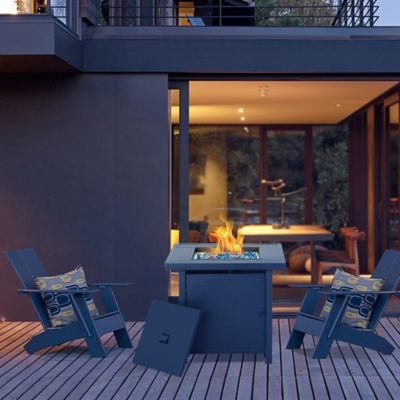
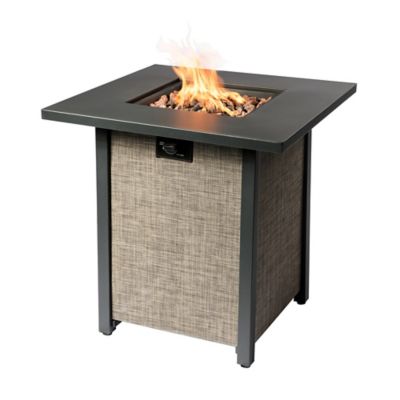
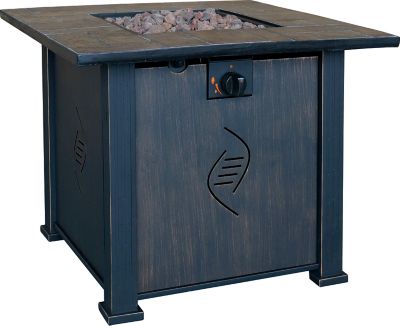
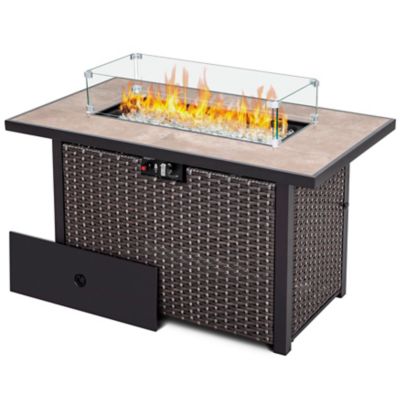
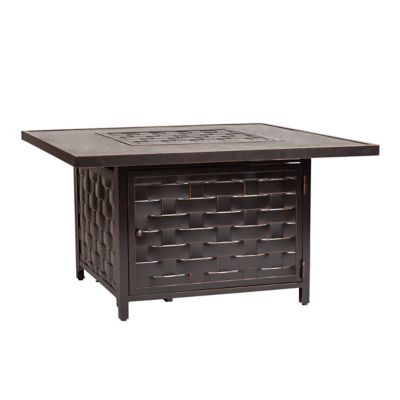
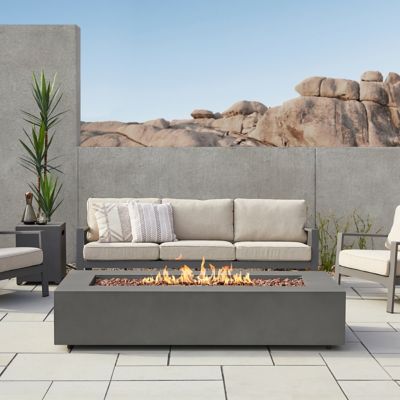
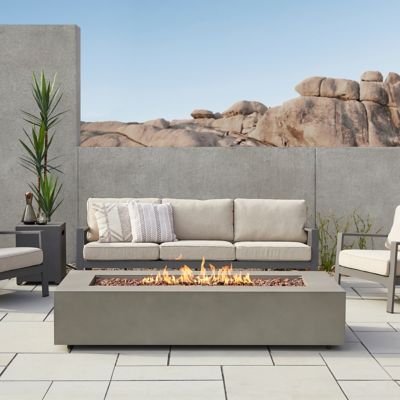
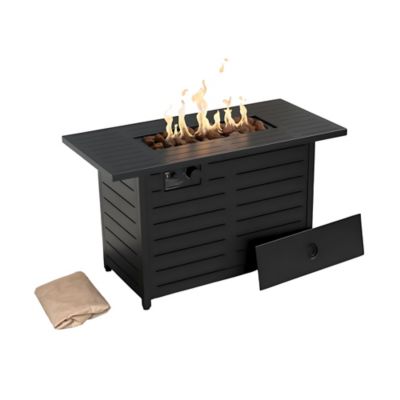
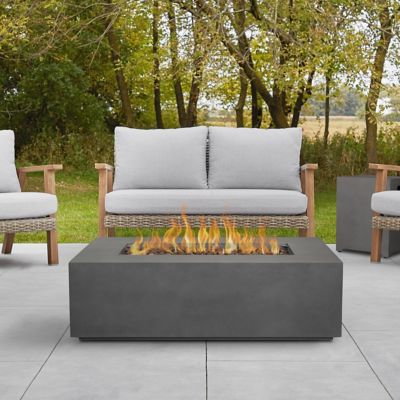
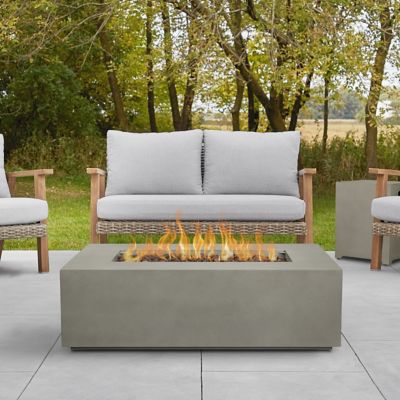
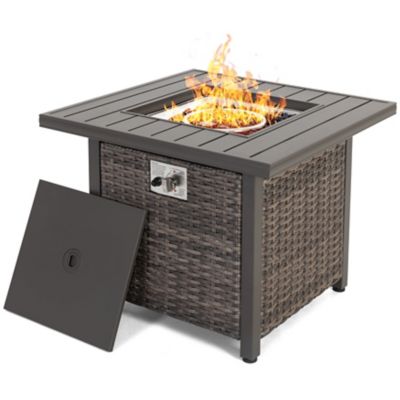
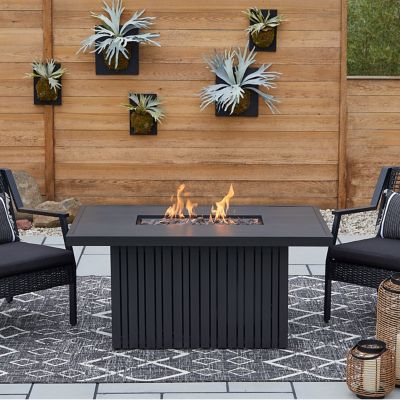
Gas fire tables bring together the easygoing comfort of a fire pit and the everyday usefulness of an outdoor table. Built for patios, porches, decks, and other open-air gathering spots, these tables use a gas burner to create a steady flame in the center while leaving room around the edge for drinks, serving trays, or a few plates. They make a handy centerpiece when friends come by, and they can warm up a quiet evening when you are sitting outside with a cup of coffee or watching the sunset from the back steps. Unlike a traditional wood fire, a gas fire table does not require firewood, kindling, or a wheelbarrow full of ashes. Many models start with a push-button electronic igniter and let you adjust the flame with a control knob, making it simple to set a low glow for conversation or turn up the heat when the air gets crisp. Standard outdoor gas fire tables often provide around 50,000 BTUs, though heat output varies by design and fuel system. Keep in mind that the flame is meant to add comfort, not replace a heater, and breezy conditions can carry warmth away. A burner lid is another useful feature to look for. Once the table has cooled completely and the gas supply is turned off, the lid can cover the burner area and create a more traditional flat tabletop for snacks, games, or a lantern. That dual-purpose design is especially useful on smaller patios where every square foot needs to earn its keep. For a similar look with a sturdy, modern feel, browse
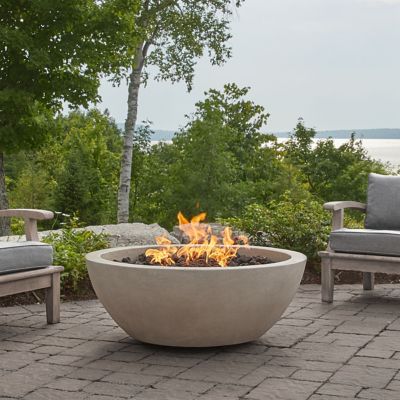
Concrete Fire Tables as another option for an outdoor gathering space.
Choosing the right gas fire table starts with the fuel type and the space where it will live. Liquid propane models typically use a standard 20-pound propane tank, often stored inside the table base behind a door or access panel. That hidden storage keeps the setup looking tidy while allowing the table to be moved when the tank is removed and handled safely. Check the product details to confirm the required tank size and whether a hose or regulator is included. Natural gas fire tables connect to a permanent gas line, so they are generally a better fit for a home with an existing outdoor connection and a dedicated spot for the table. Natural gas installation should be completed according to local codes by a qualified professional, while propane tanks should be filled, transported, and stored in line with the supplier’s safety instructions. Measure the patio before shopping, including the distance needed to walk around chairs and pull them away from the table. Round tables can soften a square seating area and make it easier for everyone to face the flame, while rectangular and square styles often work well beside a sofa or along the edge of a larger deck. Pay attention to overall height, too. A dining-height table suits meals and taller chairs, while a lower coffee-table height creates a relaxed setup for lounge seating. Construction materials commonly include weather-resistant cast aluminum, synthetic wicker, steel, tile, and fiber concrete. Look for a finish that fits the surroundings and can handle the moisture, sun, dirt, and temperature changes common in an outdoor setting. A glass wind guard can help keep the flame more consistent on exposed patios while adding a layer of separation between the fire and nearby hands, though it does not replace supervision or safe clearances. Decorative fire glass or lava rock may be included or sold separately, and these media can give the burner a finished appearance while allowing the flame to show through.
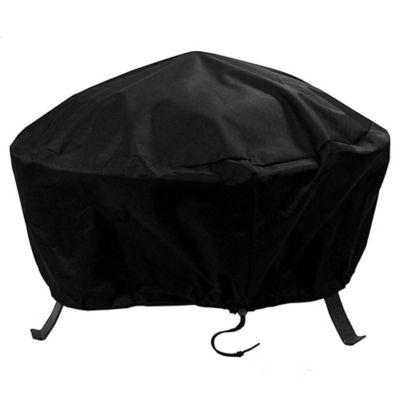
Gas fire tables are a practical choice for homeowners who like to stretch outdoor living into the cooler months, as well as anyone who enjoys an uncluttered gathering spot during warmer weather. They fit nicely into a backyard seating area, a covered-but-open porch, a cabin patio, or a camp-inspired entertaining space, provided the location meets the manufacturer’s requirements for outdoor use and ventilation. A table can be a thoughtful housewarming gift for someone settling into a new home, a useful present for parents who host family dinners, or a welcome addition for folks who would rather spend an evening outdoors than around the television. It is also a good choice for a backyard refresh when an old fire ring has become hard to maintain or when storing firewood is not practical. Before lighting any gas fire table, set it on a stable, level surface away from buildings, low branches, railings, siding, and anything that could catch fire. Follow the listed clearance requirements, keep children and pets away from the burner, and never leave the flame unattended. Do not use a gas fire table in an enclosed porch, garage, shed, tent, or other area where fumes can collect. The surface and burner can remain hot after the flame is turned off, so give the table plenty of time to cool before placing the burner lid over it or moving nearby items. Inspect the hose, connections, burner openings, and ignition system from time to time, and stop using the table if you notice a damaged part, an unusual smell, or a flame that does not burn as intended. When the table is cool and not in use, an all-weather cover helps keep rain, pollen, leaves, and debris from building up around the burner. With the proper fuel connection, a comfortable layout, and a little routine care, a gas fire table can become the spot where supper lingers, neighbors pull up a chair, and outdoor time lasts a little longer.