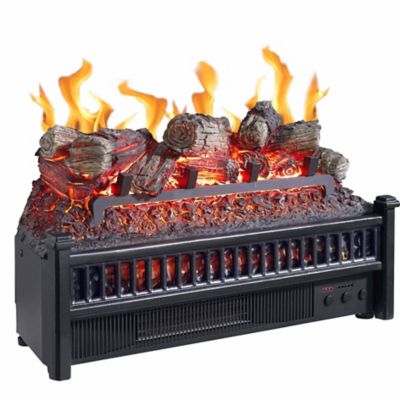
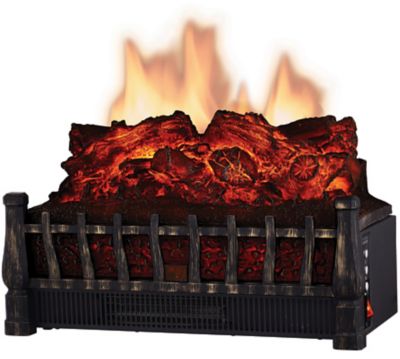
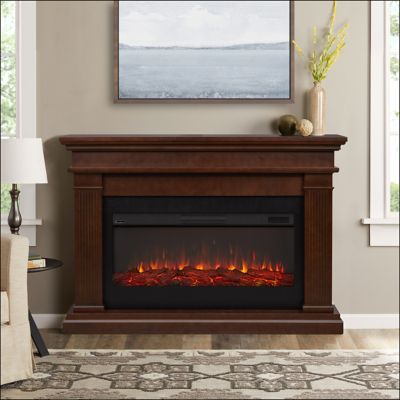
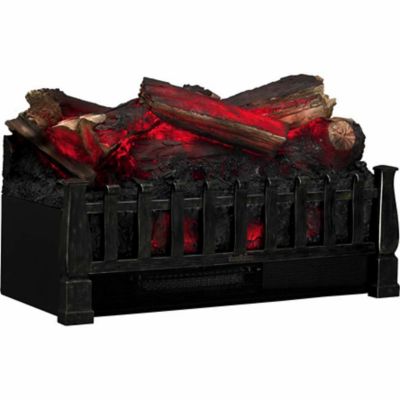
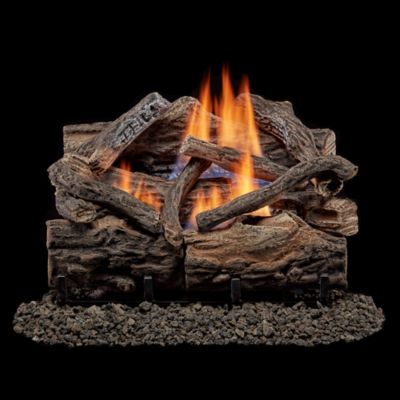
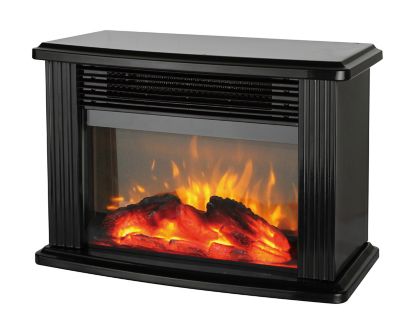
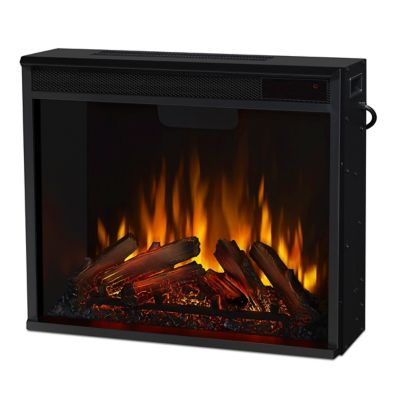
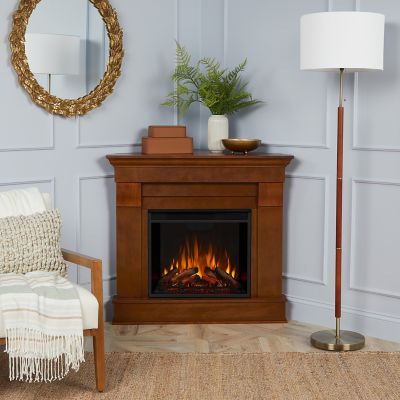
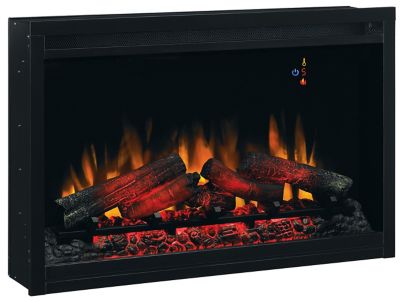
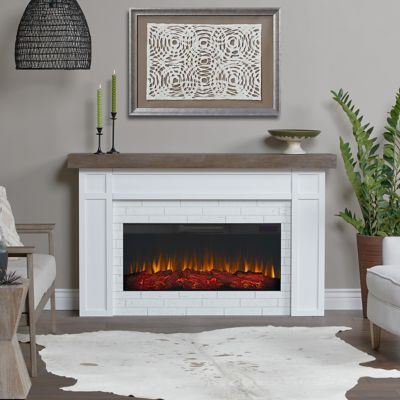
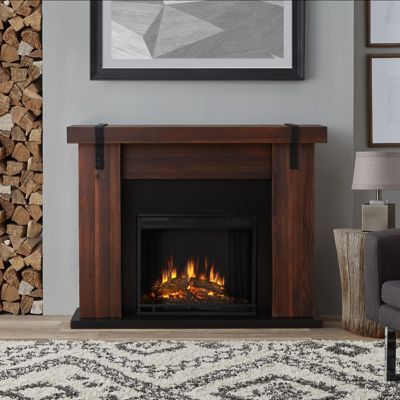
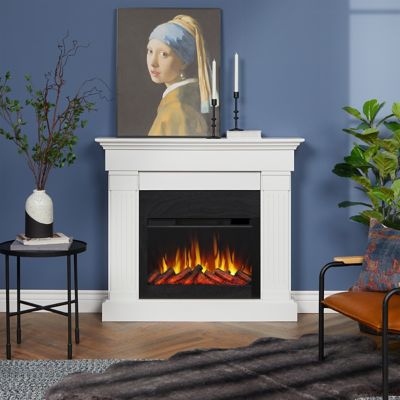
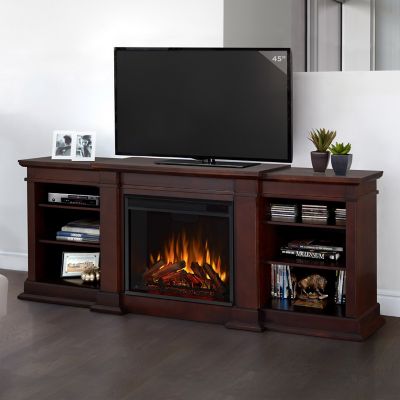
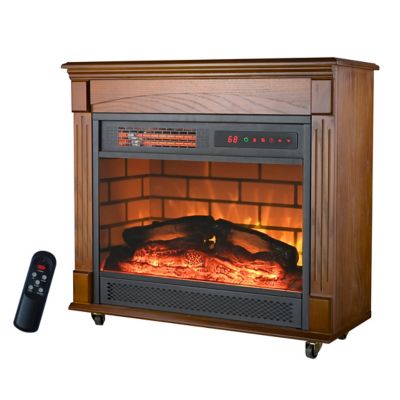
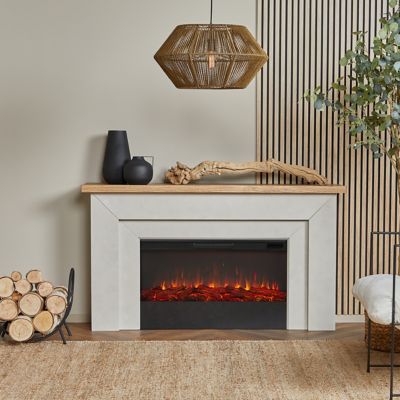
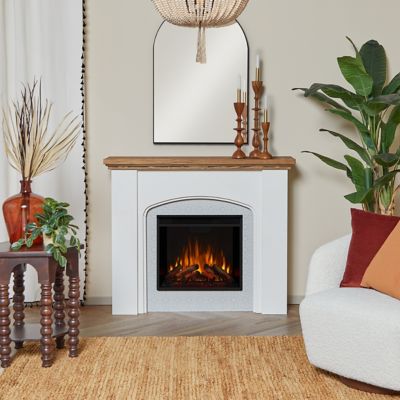
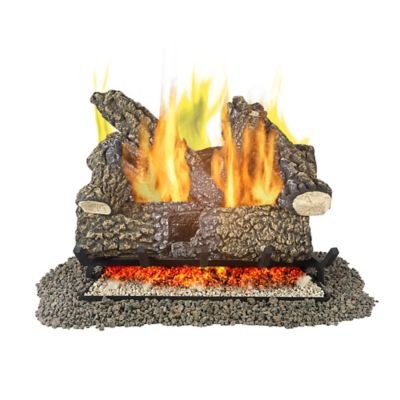
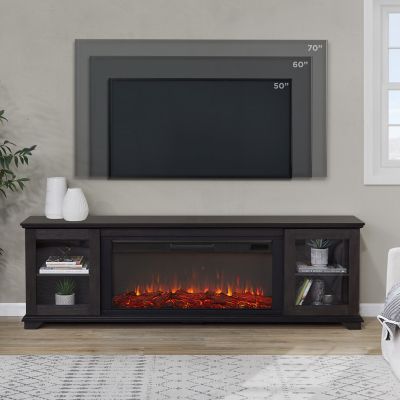
LED fireplace logs bring the look of a glowing wood fire into a room without burning firewood, tending embers, or carrying out a bucket of ash. These electric log sets combine molded logs with LED lighting to create the appearance of flickering flames, glowing coals, or both. Many plug into a standard 120-volt household outlet and sit inside a compatible existing fireplace opening, giving an idle hearth a welcoming glow during the cooler months. Some sets provide light effects only, while others include an electric heater for supplemental warmth. That difference matters in everyday use: a light-only set adds atmosphere to a living room that already stays comfortable, while a heater-equipped set can take the edge off a chilly sitting area when operated within its rated limits. On models with separate flame and heat controls, the fire effect can stay on without warming the room. The appeal is easy to picture after an afternoon repairing fence or putting the garden to bed—a softly lit hearth, a comfortable chair, and no extra trip outside for split wood. Depending on the design, molded resin or ceramic logs may have textured bark, darkened ends, and painted grain that resemble stacked hardwood. A metal grate or base can give the arrangement the familiar shape of a small wood fire. Some designs concentrate the light beneath and within the logs, while others project flame patterns onto the back of the fireplace or a supplied screen. The result depends partly on the room and the hearth itself; bright daylight can soften the effect, while a darker firebox can help the illuminated details stand out. LED fireplace log sets suit households that enjoy the appearance of a fire but would rather skip indoor wood storage and routine ash cleanup. They can also make a thoughtful household gift when the recipient’s fireplace measurements, electrical access, and preference for heat or light-only operation are already known.
A comfortable fit involves more than choosing logs that look right from across the room. Fireplace openings can narrow toward the back, and an arched front, raised hearth, screen, or existing grate can affect how an electric log set sits. The overall width, height, and depth of the unit need to fit the space while leaving every clearance specified by the manufacturer. Flame projection may also require room behind or above the logs, so the dimensions of the base alone do not tell the whole story. A compact arrangement can look at home in a smaller brick hearth, while a wider arrangement may better fill a broad stone opening without looking lost against the back wall. Sets supplied with their own grate generally have a planned log position and lighting angle; changing that arrangement or placing them on another grate may interfere with the effect or safe operation. The intended location matters just as much. An indoor electric log set is not automatically suitable for a porch, an outdoor fireplace, or a damp outbuilding, even if the space has an outlet. For models that include heat, the heater wattage, electrical requirements, and manufacturer’s room-size rating help establish what to expect. Actual comfort also depends on ceiling height, insulation, drafts, and how open the room is to the rest of the house. Supplemental fireplace heat is not a replacement for a home’s main heating system or protection against freezing pipes. Fan-forced designs circulate warmed air, and some heater-equipped sets feature infrared heating; the heating method and fan sound may matter in a quiet reading room or television area. Adjustable brightness, heat settings, thermostats, timers, and remote controls are features that vary by model rather than standard parts of every set. A remote can be handy beside a favorite chair, while controls on the unit remain important for anyone who prefers a straightforward setup. LED lighting generally draws much less electricity than the heating element, so running the flame effect alone is a different electrical load from operating the heater.
Day-to-day care is lighter than tending a wood fire, but electrical operation still deserves attention. Because LED logs do not burn fuel, their electric flame effects do not produce combustion smoke or ash and do not need a chimney to vent combustion gases. That does not mean any fireplace opening or electrical connection is ready without a closer look. A former wood-burning firebox needs to be clear of loose ash, soot, and debris before an electric set goes in, and any concerns about the surrounding fireplace or existing gas equipment belong with a qualified professional. Many plug-in sets require a grounded wall outlet, with heater-equipped models commonly calling for a direct connection rather than an extension cord or power strip. The appliance instructions determine the required outlet, circuit capacity, and cord placement. Cords need a route away from hot surfaces and foot traffic, not beneath a rug or pinched behind the unit. Although LED flame effects do not create an open flame, heater outlets and nearby surfaces can become hot. Children and pets still need space around an operating heater, and curtains, blankets, furniture, and other combustible materials must stay outside the listed clearances. Long service life depends partly on sound construction and sensible care: a stable base supports the log arrangement, intact wiring keeps the electrical connection protected, and clear air openings let a heater work as intended. Once the unit is unplugged and cool, gentle dusting with a soft cloth can help keep bark textures, light openings, and visible surfaces clear, following the maker’s cleaning directions. Water, spray cleaners, and abrasive scrubbing can harm finishes or electrical components. Indoor electric logs also serve a different purpose from fuel made for an outdoor gathering. For a fire pit where actual flames and combustion are intended,
Fire Logs For Fire Pits belongs to a separate category, with its own appliance compatibility and burning instructions. Electric logs stay focused on the hearth: a steady glow for a quiet evening, optional supplemental warmth, and the familiar look of stacked wood without the work of keeping a real fire going.