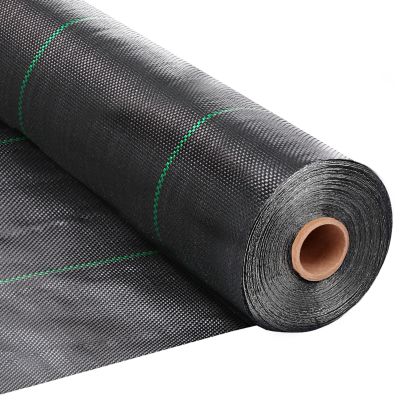
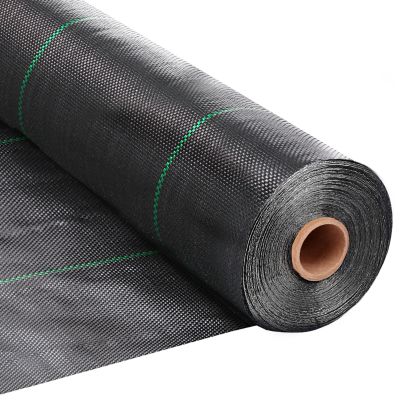
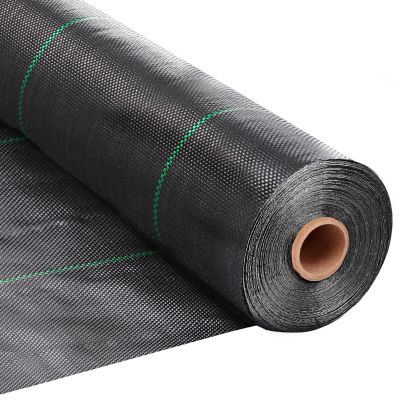
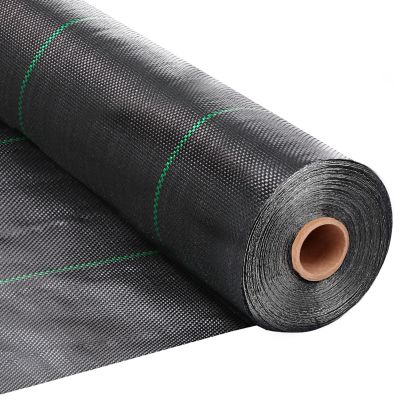
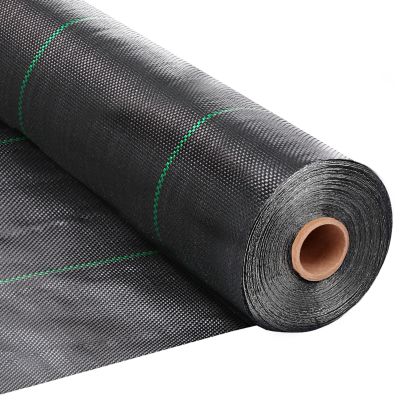
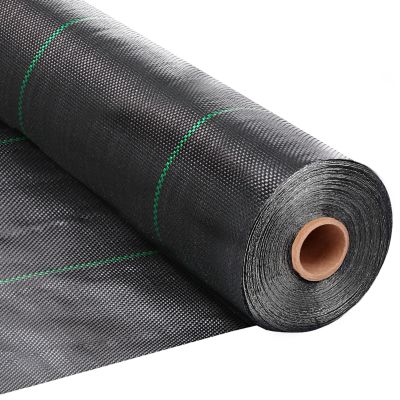
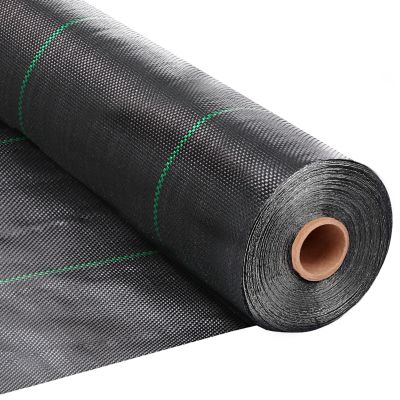
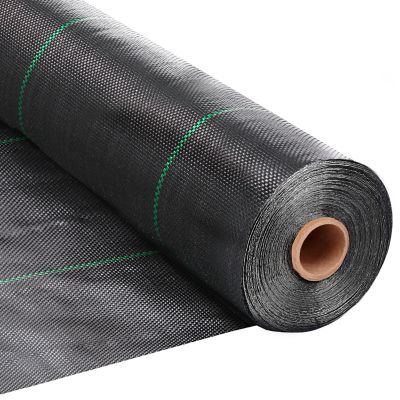
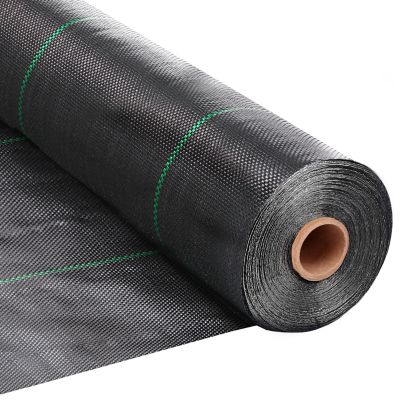
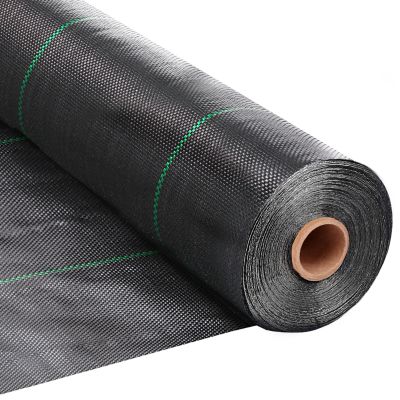
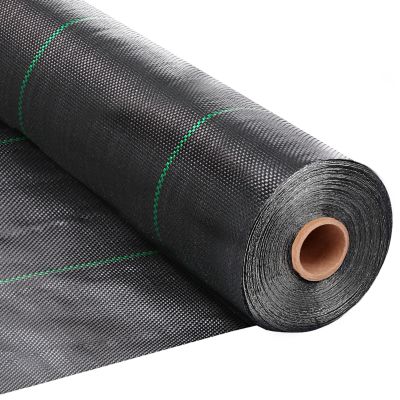
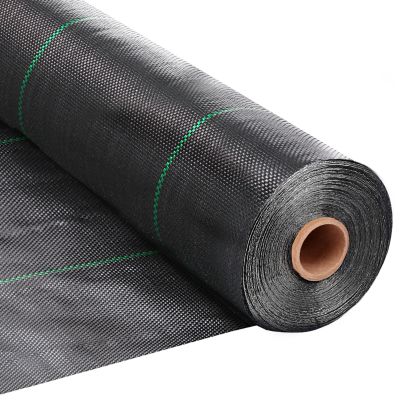
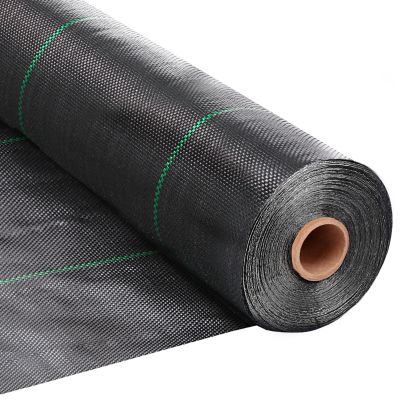
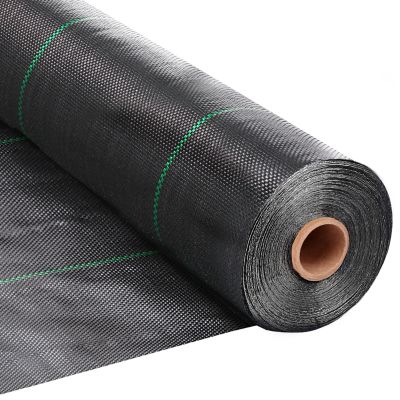
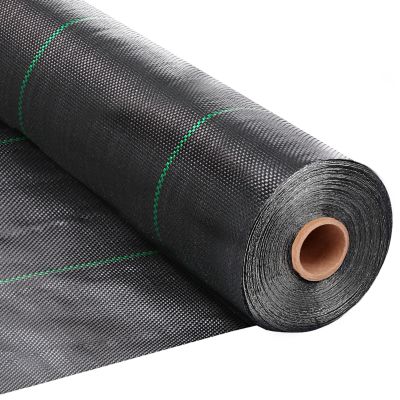
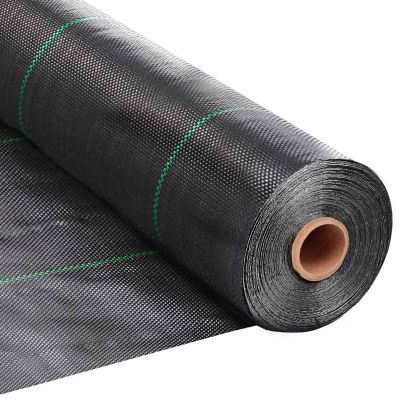
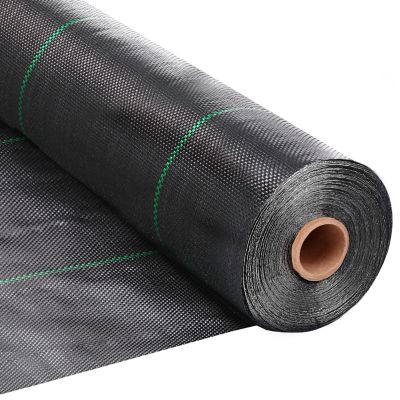
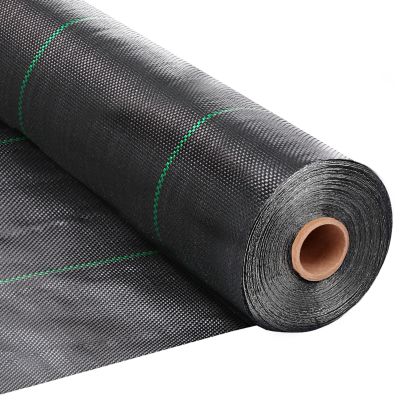
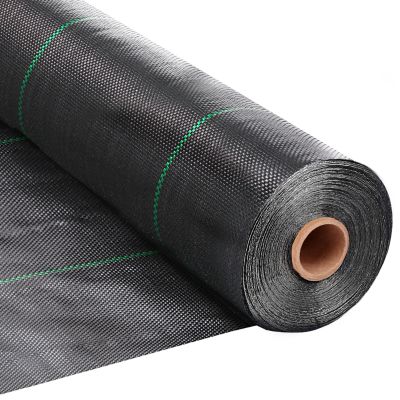
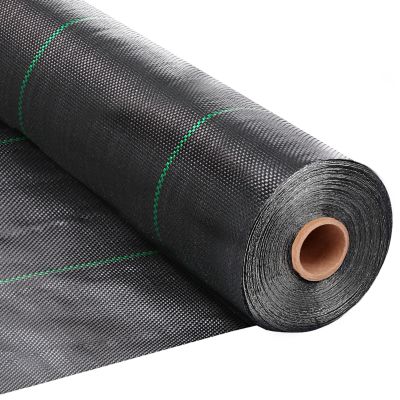
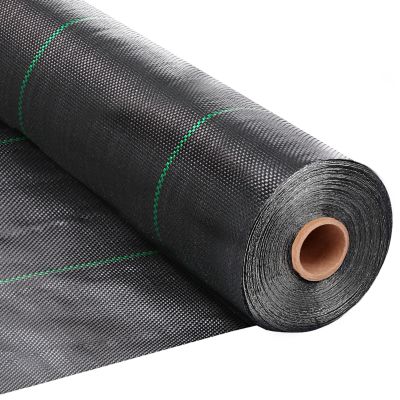
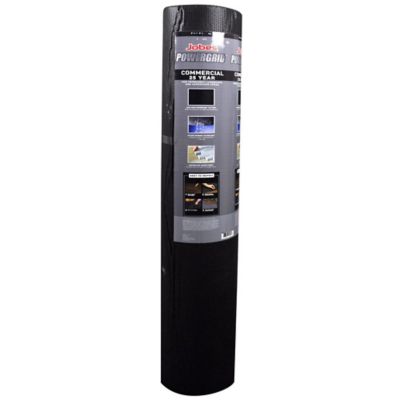
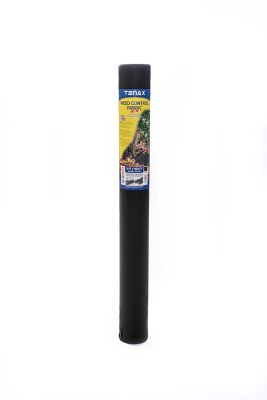
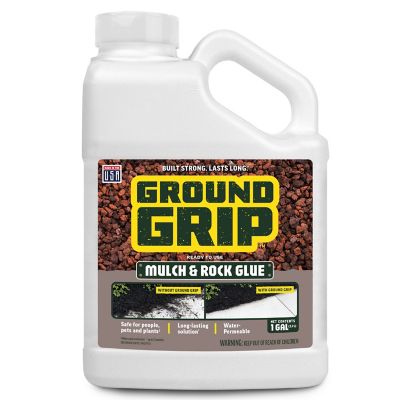
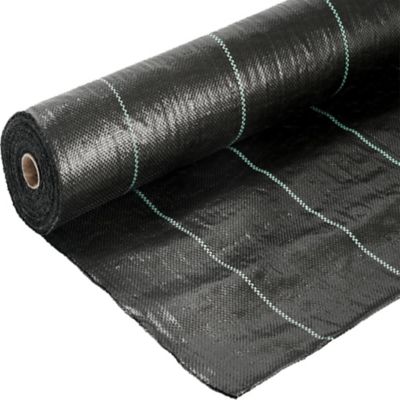
Keeping your garden or landscape beds tidy through the growing season and into the cooler months can be a challenge, especially when weeds seem to pop up overnight. Garden weed barriers are a tried-and-true way to help control those stubborn invaders, whether you’re tending a backyard vegetable patch, a row of perennials, or a gravel path leading out to the barn. Folks who spend their weekends outdoors know that weed barriers come in a few different forms, each with its own benefits. Woven polypropylene is a heavy-duty favorite for high-traffic areas and spots where you want long-lasting coverage. It’s tough enough to handle wheelbarrow traffic or kids’ boots, and it keeps the sun from reaching weed seeds while still letting rainwater and air through to the soil below. For those who are more environmentally minded or just want something that’ll break down naturally, biodegradable paper weed barriers are a solid pick. These paper-based options do a good job of suppressing weeds for a season and then decompose, so you don’t have to worry about pulling up plastic down the line. Some folks like to use these in flower beds or around new shrubs, especially when they’re refreshing plantings each year or want to add compost and amendments easily.
Garden weed barriers aren’t just for the serious gardener—anyone looking to keep their space neat without constant weeding can put them to good use. They make a thoughtful gift for new homeowners eager to spruce up their yard, or for that neighbor who’s always out in the flower beds. Even seasoned gardeners appreciate a little help keeping weeds at bay, especially when the days get hotter and time is better spent harvesting or relaxing on the porch. Weed barriers can be rolled out under mulch or gravel to keep walkways clear, or tucked around trees and shrubs to reduce the need for chemical sprays. If you’re working with annual vegetable rows, you might want to think twice about permanent barriers, since they can make it harder to turn the soil or add nutrients each season. But for perennial beds, berry patches, and around the edges of raised beds, they’re a real time-saver. Just remember, over time, mulch and leaves can break down on top of the fabric, creating a fresh seedbed for weeds—so it’s worth checking on your beds every so often and topping up the mulch as needed. For more options and ideas on keeping weeds in check, take a look at our selection of
Mulch Barriers to find the right fit for your property. Whether you’re gearing up for a busy summer in the garden or just want to make fall cleanup a little easier, a good weed barrier can make all the difference in keeping your outdoor spaces looking their best.