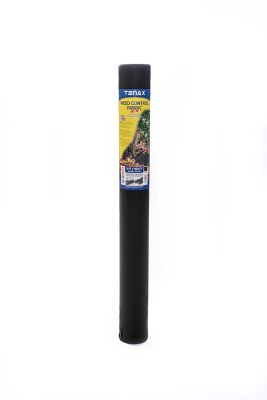
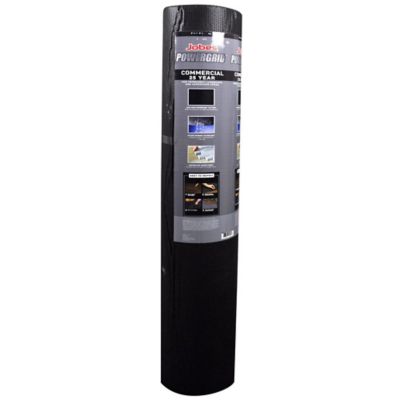
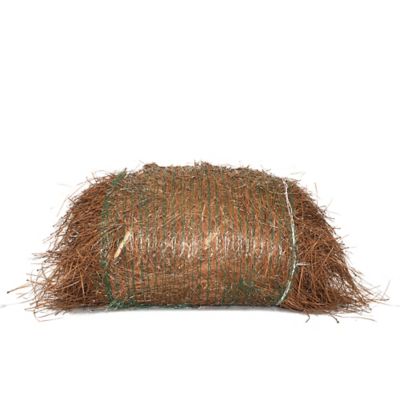
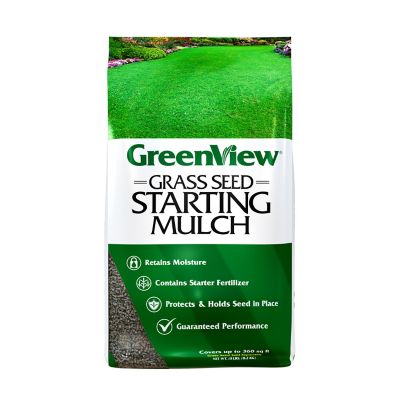
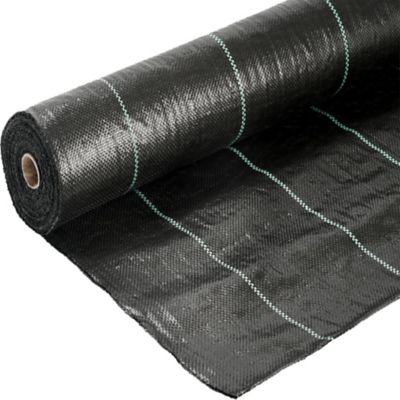
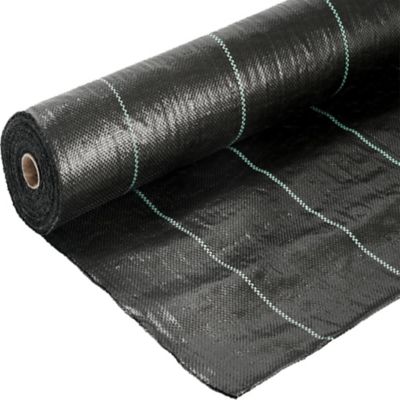
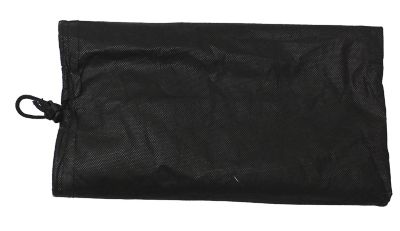
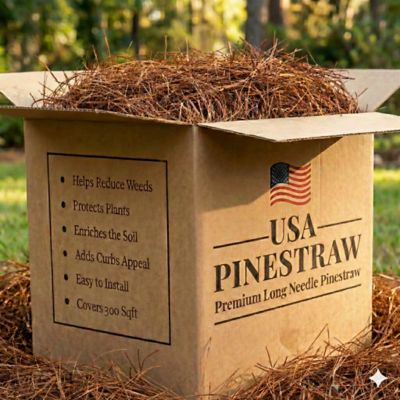
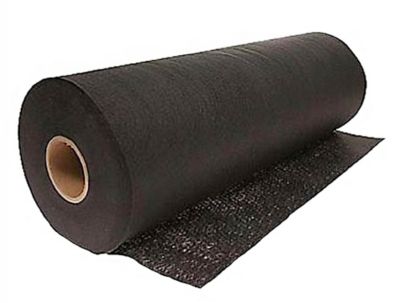
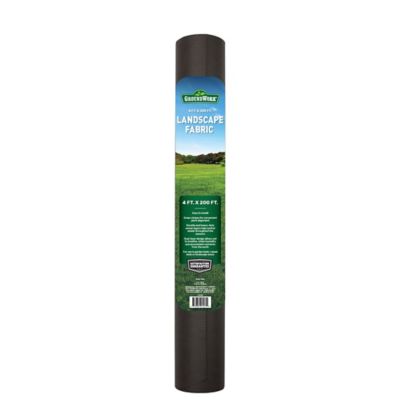
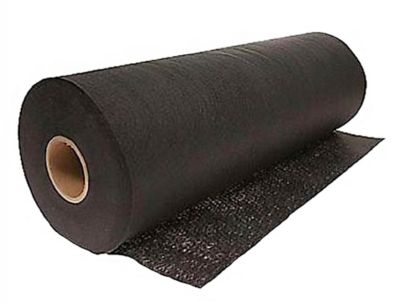
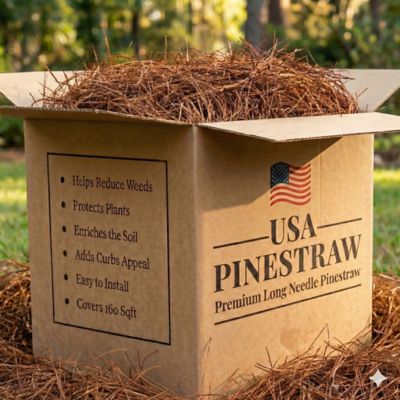
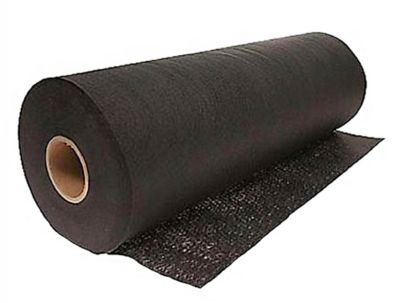
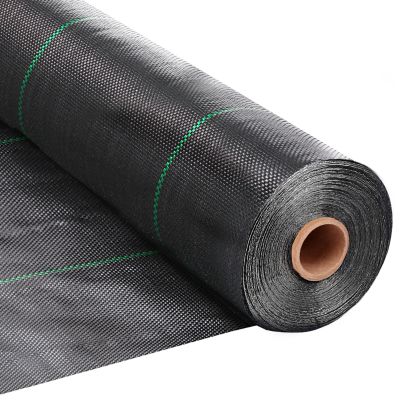
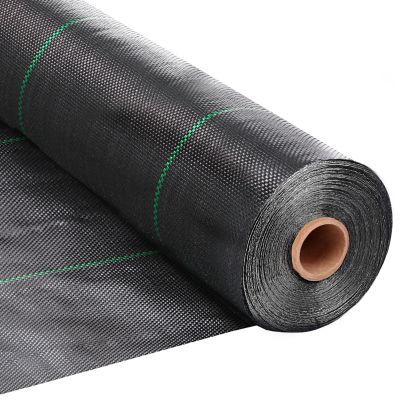
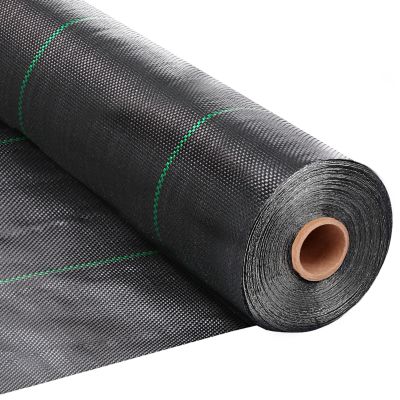
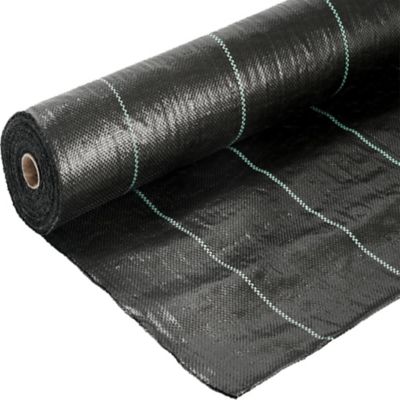
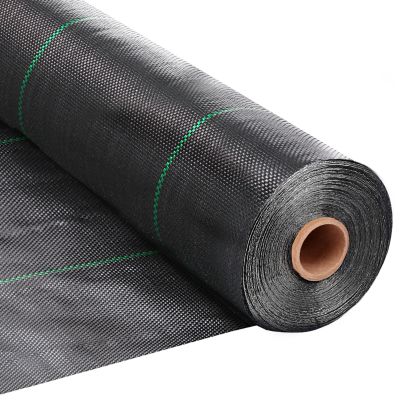
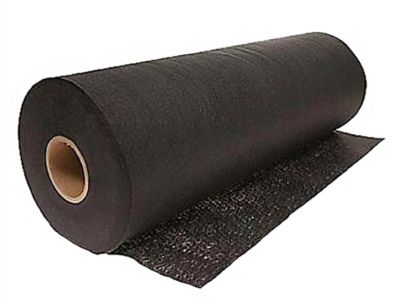
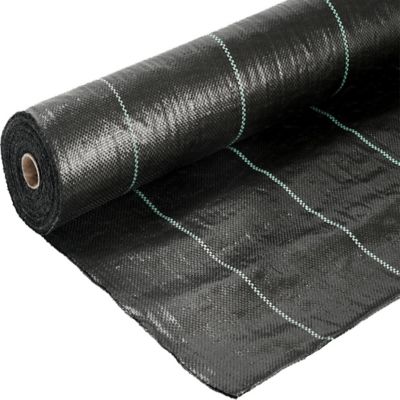
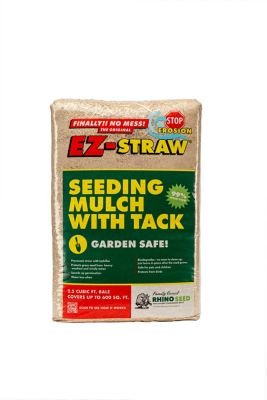
Mulch barriers help keep garden beds looking neat while making routine yard work a little easier. They generally serve one of two purposes: an underlayment placed on the soil to slow weeds from growing up through mulch, or an above-ground border that keeps loose mulch from spreading into the lawn, driveway, walkway or flower bed. Some options do both. Landscape fabric, for example, is a porous woven or nonwoven material that goes beneath mulch and allows air and water to reach the soil while helping suppress weeds. It works well around shrubs, trees and perennial beds where you want a cleaner surface without constantly pulling grass and weeds. Biodegradable layers such as flattened cardboard or several sheets of newspaper can also smother existing grass and weeds for a season before breaking down into the soil. These natural layers are useful when starting a new bed or refreshing an overgrown area, though they should be overlapped and covered well so they do not blow away or dry out at the edges. Rubber mulch mats can provide a more durable surface for paths, play areas and tight garden spaces, while also reducing weed growth beneath them. When choosing an underlayment, consider how long you want it to last, how much rain the area receives, whether the ground needs to drain freely, and whether you plan to replant or dig in that bed often. A barrier that works under a mature shrub bed may not be the best fit for a vegetable garden that gets turned over every season. Measure the area before shopping, allow extra material for overlaps and curves, and clear out large weeds, sticks and stones before installation. A smooth soil surface helps the material sit flat, and a layer of mulch or other ground cover helps hold it in place while giving the finished bed a natural, finished look.
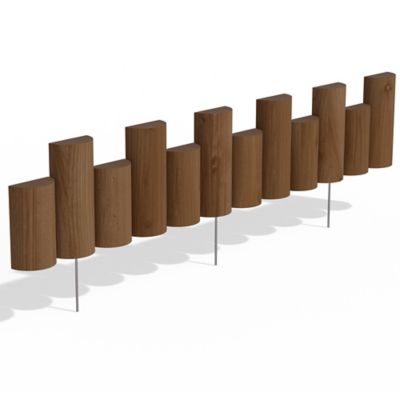
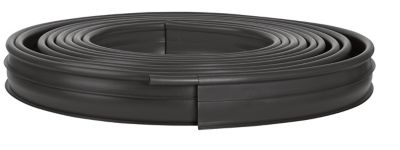
Above-ground mulch barriers, often called edging, create a clear line between planted areas and the places where people walk, mow or drive. Flexible plastic or rubber edging is handy for curved beds, winding paths and rounded tree rings, while rigid sections can make straight garden lines easier to maintain. Metal edging offers a slim profile and a crisp boundary, and it can be set deep enough to help stop grass roots from creeping into a bed. Brick, pavers and other heavy masonry pieces create a more substantial border that can match patios, retaining walls or the look of an older farmhouse garden. These heavier materials are less likely to shift when rain runs across a slope, but they usually require more preparation, including a shallow trench and a level base. For a simpler natural edge, a trench cut along the lawn line can create a two- to three-inch drop that helps catch loose mulch without adding synthetic material. This approach takes a little upkeep as grass grows back into the line, but it can blend beautifully into informal landscapes. The right choice depends on the shape of the bed, the type and depth of mulch, the amount of foot traffic, and how much edging you want visible. In areas with heavy rain or sloped ground, a taller or sturdier barrier can help keep mulch from washing downhill. Near a mower path, a low, clearly defined edge can reduce the need for trimming. For children’s play areas or paths, look for smooth surfaces and secure anchoring. Before setting any edging, mark the layout with a garden hose, rope or marking paint so you can see how curves and corners will look. Digging a narrow trench, checking the height as you go and securing sections with stakes can prevent wavy lines and gaps. Keep the top of the barrier at a sensible height so it contains mulch without becoming a trip hazard or making mowing difficult.
Mulch barriers are useful for homeowners, gardeners, property managers and anyone caring for a landscape through changing weather. During warmer, wetter stretches, a properly installed barrier can help keep mulch from floating into the yard and can reduce the time spent pulling fast-growing weeds. As the weather cools, it helps hold beds in shape while leaves, wind and regular foot traffic work across the landscape. A well-defined edge also makes it easier to spread fresh mulch evenly, protect tree trunks from accidental mower damage and keep soil from splashing onto siding or walkways during storms. For a new homeowner, a gardener setting up a first flower bed or a family member who enjoys improving the yard, mulch barrier materials can make a practical and thoughtful gift, especially when paired with basic hand tools or fresh planting supplies. Look for materials that suit the soil and the layout rather than choosing by appearance alone. Check the length, height, flexibility, anchoring method and installation requirements, and think about whether the barrier will be exposed to sunlight, freezing temperatures, pets or regular mowing. In beds that change often, easy-to-remove materials may be more convenient than permanent borders. In established beds, durable edging can save time year after year. Combining an underground weed-suppressing layer with a visible border is often the most complete approach: the underlayment helps limit growth from below, while the edging keeps mulch contained from the sides. For more ways to define and finish a planted area, browse
Mulch Borders. With careful measuring, solid placement and the right material for the job, mulch barriers can give flower beds, trees, walkways and garden paths a tidy appearance that holds up through everyday chores and the changing seasons.