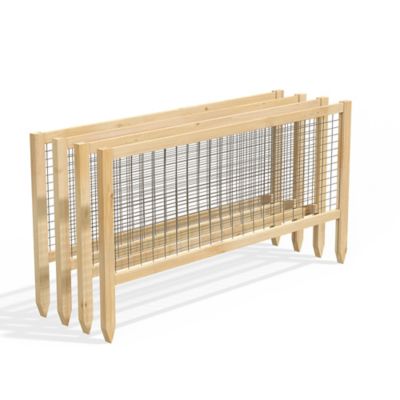
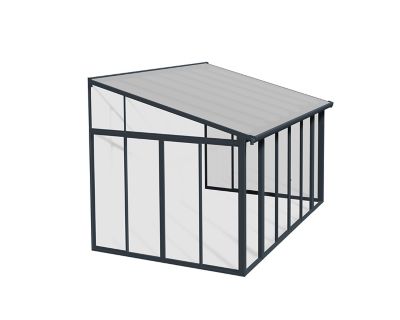
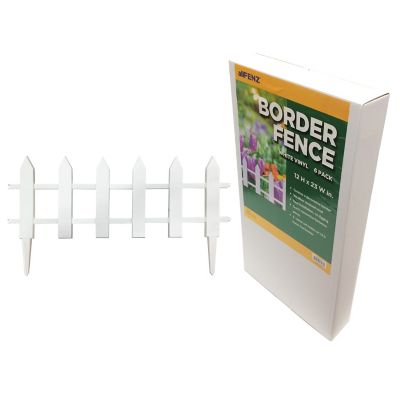
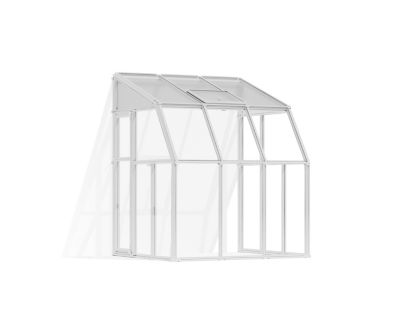
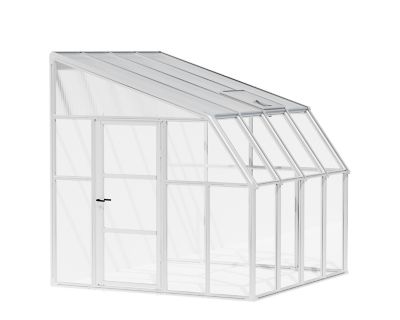
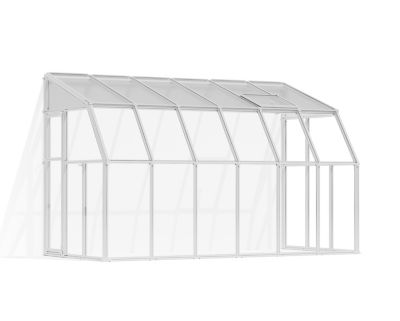
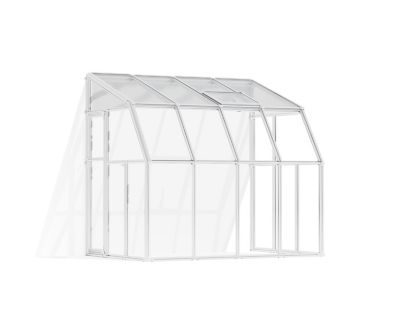
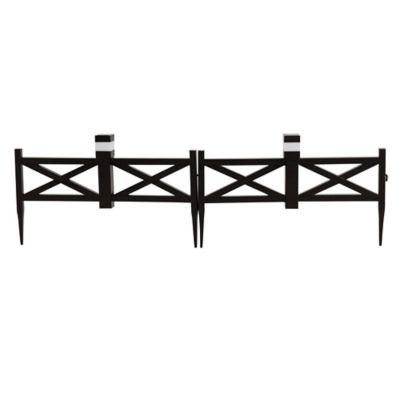
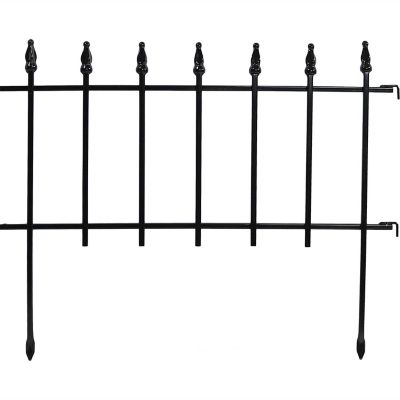
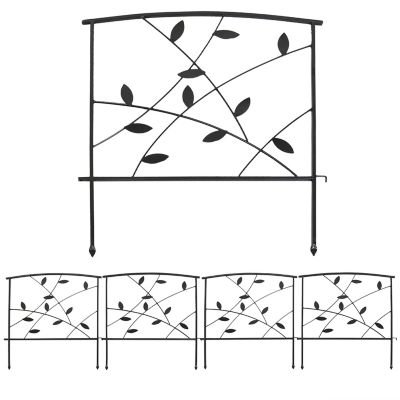
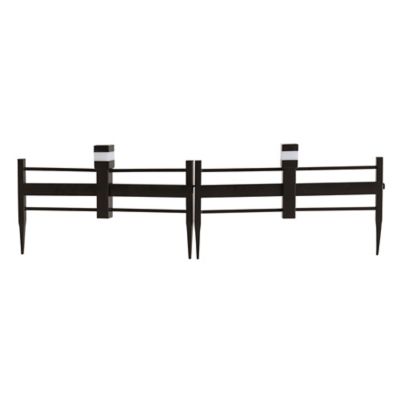
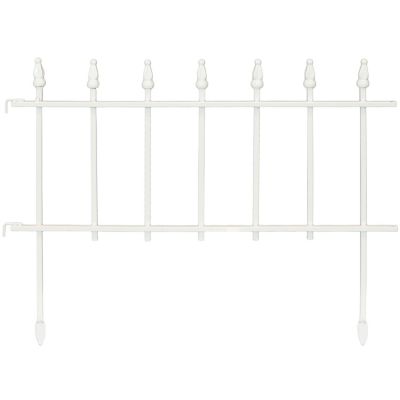
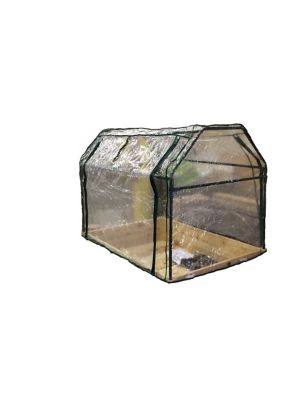
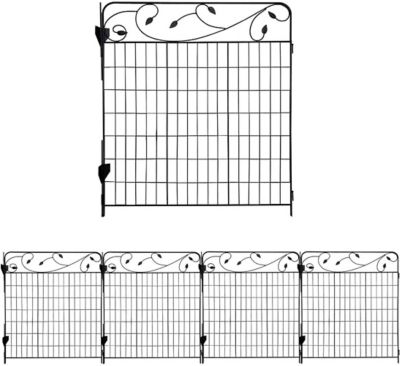
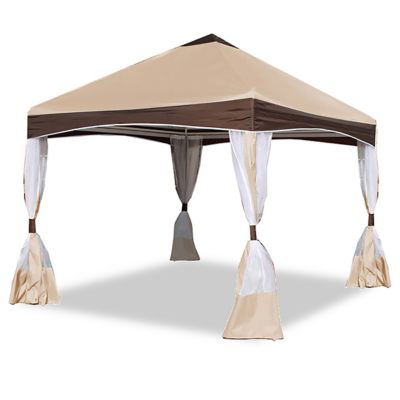
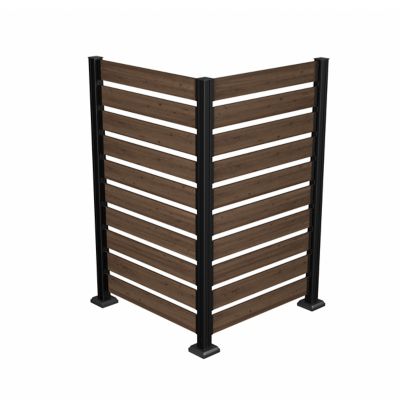
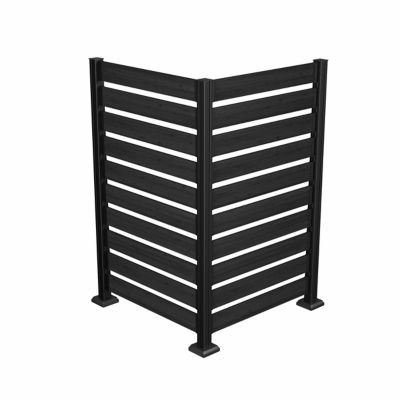
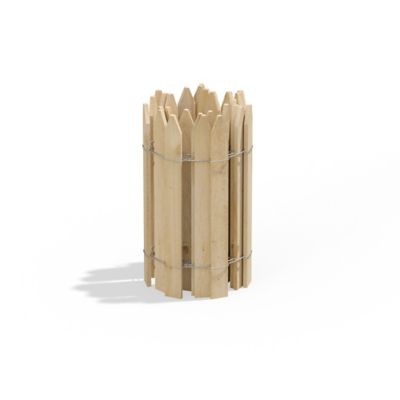
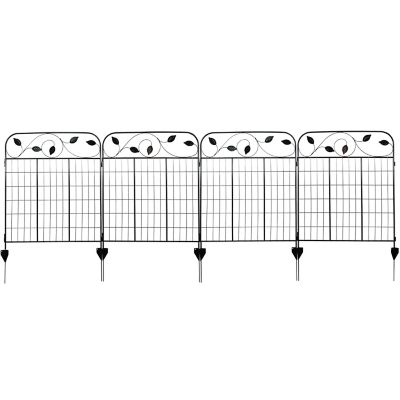
Garden enclosures help turn a patch of soil into a more dependable growing space, especially when rabbits nibble seedlings, deer browse the tops of plants, or birds help themselves to berries before they are ripe. The right setup can be as simple as a low cover over one raised bed or as roomy as a walk-in frame that protects several rows at once. When looking through garden enclosure ideas, start by thinking about what needs protection and how often you will need to reach the plants. A short lid or hinged cage works well for lettuce, herbs, strawberries and other low-growing crops, while a taller enclosure gives tomatoes, climbing beans, cucumbers and flowers room to grow without pressing against the covering. Hoop tunnels are handy for covering longer beds, and they can be paired with mesh, netting or a breathable row cover depending on the pests and weather in your area. A freestanding garden cage may suit a large backyard plot, community garden space or homestead where harvesting, watering and weeding happen often. For more ideas and ready-to-use options, explore
Garden Cages. The best enclosure is one that fits the garden you actually tend, not just the garden you picture on paper. Measure the length, width and height of the growing area, allow room for mature plants, and leave enough space to kneel, carry a basket or run a hose without constantly bumping the frame.
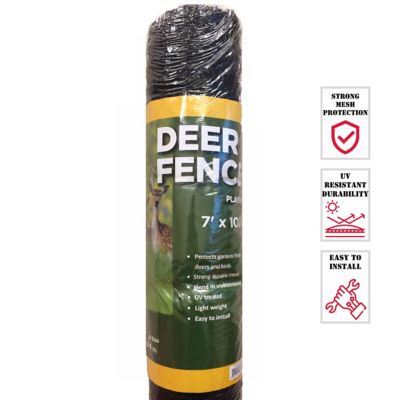
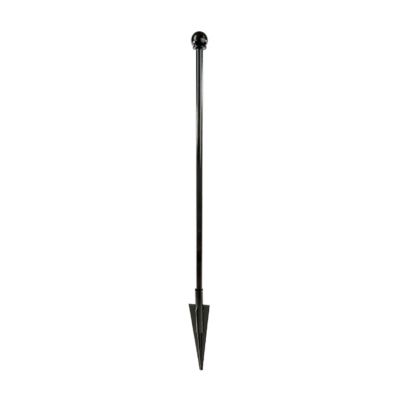
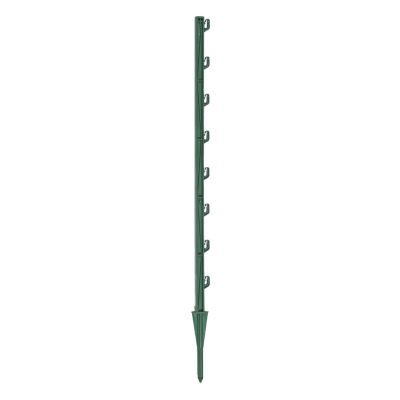
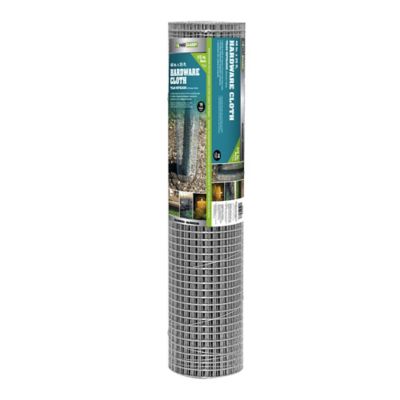
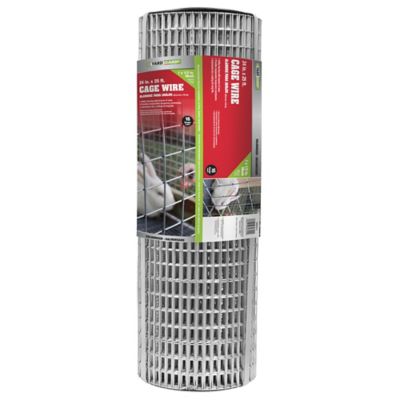
Choosing the covering is just as important as choosing the shape. Fine mesh or bird netting can help protect fruit and tender greens from flying visitors while allowing sunlight and air to move through. A sturdier wire mesh is a better choice when rabbits, squirrels or other determined nibblers are the main concern. If deer are part of the trouble, a taller enclosure and a secure top edge may be needed, since a low barrier is easy for them to step over. Burrowing pests call for extra attention at ground level. Burying the bottom edge of the mesh several inches into the soil, bending it outward below the surface, or adding a layer of small-opening hardware cloth beneath a raised bed can make it much harder for voles, gophers and other diggers to get underneath. Check the opening size before buying, since a mesh that stops deer may still let small rabbits or birds pass through. Frames made from wood can bring a warm, homemade look to a backyard garden, while metal frames are often a practical fit for repeated seasonal use. PVC hoops are light and easy to move, making them useful for temporary protection or changing garden layouts. Look for sturdy connections, weather-resistant materials and edges that will not snag clothing or tear the covering. In windy country, anchoring matters just as much as the frame itself. Ground stakes, clamps, tie-downs and secure fasteners help keep an enclosure in place when summer storms roll across the field or strong gusts arrive during the cooler months.
Easy access will make the difference between an enclosure that gets used and one that becomes a chore. Hinged lids, roll-up sides, wide doors and removable panels all give you a way to water, weed, inspect leaves and gather produce without taking the whole structure apart. Place the opening where it will not be blocked by a fence, shed or row of mature plants, and make sure the latch is simple to operate with muddy hands. If children help in the garden, a low enclosure with safe, smooth edges can give them a manageable place to pick peas or check on seedlings. Garden enclosures also make thoughtful gifts for new homeowners, backyard growers, grandparents who enjoy raising vegetables, or anyone setting up a pollinator and cutting-flower space. Pairing a frame or cage with basic garden supplies can help a new gardener protect the work that goes into preparing soil and planting seeds. During the warmer part of the growing season, mesh coverings can reduce damage from hungry pests without blocking needed light, while sturdier structures can keep plants protected as growth slows and gardens face cooler nights. Keep an eye on the plants as they grow, since vines may need support and coverings may need to be raised for airflow. Remove standing leaves and debris from the top after heavy rain, check for gaps along the ground, and inspect fasteners from time to time. With a good fit, solid anchoring and convenient access, a garden enclosure can blend into the landscape while quietly doing its job from the first tender sprout through the final harvest.