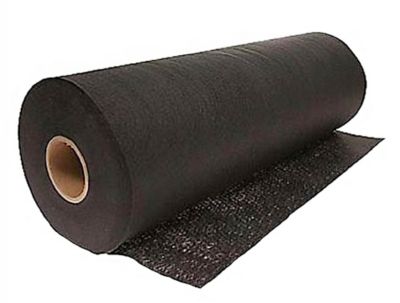
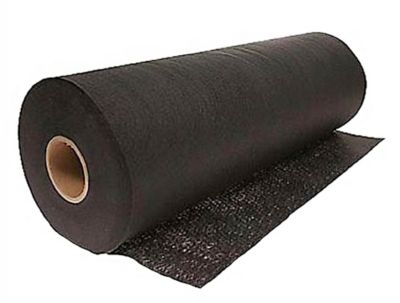
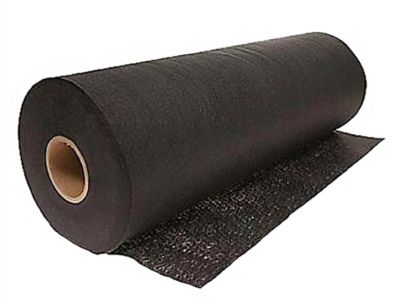
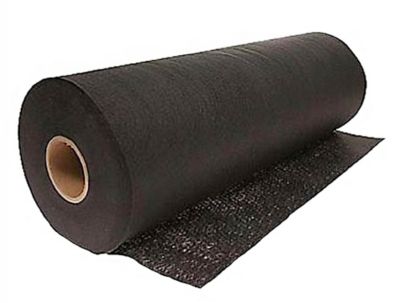
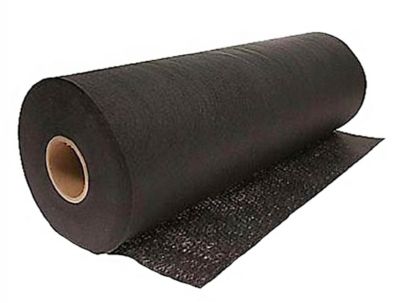
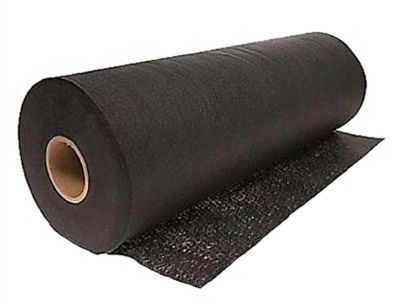
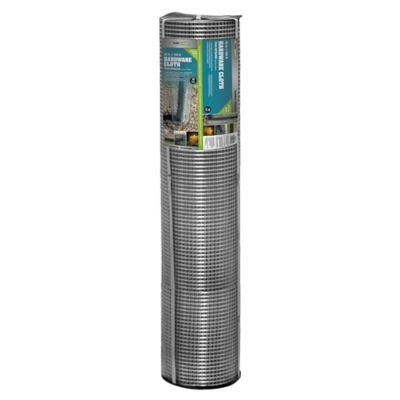
Landscaping mesh, also called landscape fabric or a weed barrier, is a practical material for gardeners, homeowners, landscapers and anyone working to keep outdoor spaces neat with less day-to-day maintenance. It is commonly laid over prepared soil and covered with mulch, decorative stone, gravel or another ground covering. The mesh helps block sunlight from reaching weed seeds while allowing air and water to move through to the soil below. It can also help keep loose soil from washing away, separate gravel from muddy ground and give paths, planting beds and hardscaped areas a cleaner, more finished look. For a country driveway, a small backyard garden, a sloped flower bed or a larger property with several planting areas, the right landscaping mesh can save plenty of time spent pulling weeds and raking displaced stone. It is especially handy around shrubs, trees and perennial beds where digging and repeated herbicide use may be less desirable. Some folks use it when refreshing an older garden, while others put it down as part of a new walkway, rock garden or drainage project. It can even be a useful housewarming gift for someone settling into a home with a big yard, though a roll is usually best chosen after measuring the space. Landscaping mesh is not a replacement for clearing weeds or preparing the soil, but it can be a dependable part of a broader plan for keeping outdoor areas in good shape through changing weather and growing seasons.
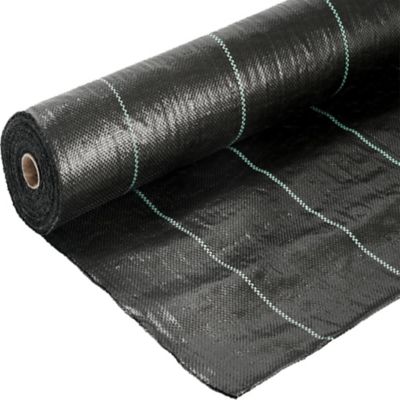
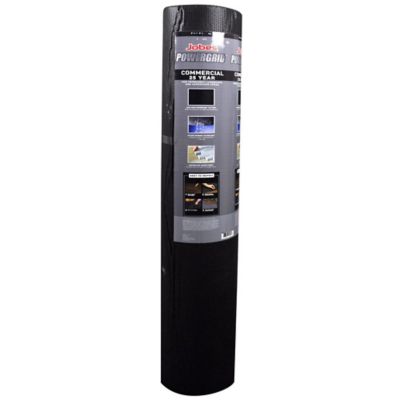
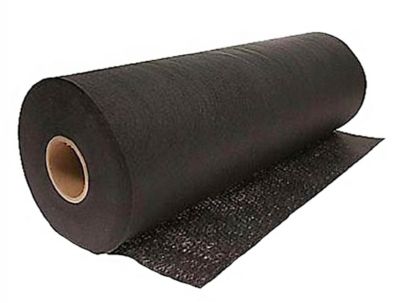
The material and construction matter because different areas call for different levels of strength and drainage. Woven landscaping mesh is made with tightly arranged plastic strands and is generally strong, durable and resistant to tearing, making it a good fit beneath gravel, rocks, mulch and paths that receive regular foot traffic. Non-woven mesh has a felt-like texture and a more open, porous structure, so it is often considered for drainage applications, sloped ground and areas where water needs to pass through readily. Lightweight perforated or spunbonded material can work well for simple flower beds and temporary projects, especially when the ground covering above it is not especially heavy. When comparing options, look at the size of the area, the type and depth of covering, the amount of foot traffic and the condition of the soil. A steep bank, a driveway edge and a sheltered flower bed do not all put the same demands on the fabric. Check the roll dimensions before buying and allow extra material for overlaps, curved edges, cuts around plants and mistakes. At least 6 inches of overlap between adjoining sections helps close off gaps where weeds can find their way through. It is also worth considering how the mesh will be secured, since wind, animals, rain and freeze-and-thaw movement can lift loose edges. For projects that call for a sturdier barrier or boundary rather than an underlayment, take a look at
Steel Mesh Fences as a separate solution for enclosing areas or managing space around a property.
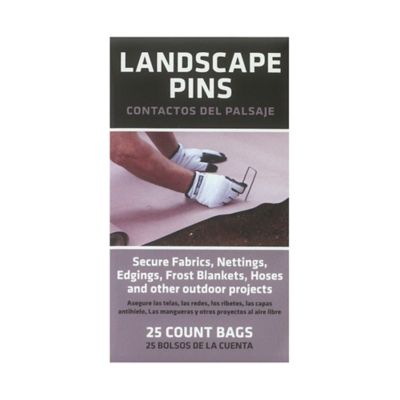
A solid installation starts with careful ground preparation. Remove existing weeds, roots, grass and sharp stones, then smooth the soil so the mesh can sit flat instead of bridging over bumps or tearing against rough spots. Lay out the material with enough room to reach the edges of the bed, trimming it with sturdy scissors or a utility knife as needed. Around an established shrub or plant, cut a small slit or an X-shaped opening rather than making a wide circle; a snug opening leaves fewer spaces for weeds to emerge. Join sections with generous overlaps, and secure the edges, seams and openings with U-shaped landscape pins or heavy-duty staples placed every few feet and closer together where the ground is loose or the area is exposed to wind. Once the mesh is pinned down, cover it with the chosen mulch, bark, gravel or stone. A layer of covering protects the material from sunlight, helps hold it in place and makes the area look more natural. Keep an eye on the surface during the cooler months and after heavy rain, especially on slopes or along paths, and tuck down any edges that begin to show. Weeds can still sprout in soil that collects on top of the fabric, so occasional sweeping, hand-pulling and light maintenance remain part of the job. With the right material, careful overlaps and a clean installation, landscaping mesh can help a garden bed stay tidy, a gravel area remain more stable and a hardworking yard require less fuss as the weather shifts.