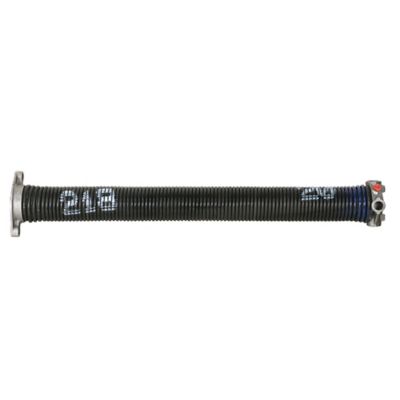
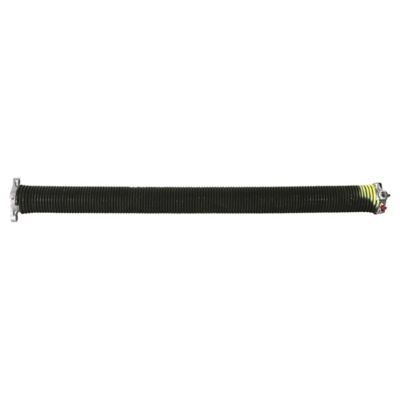
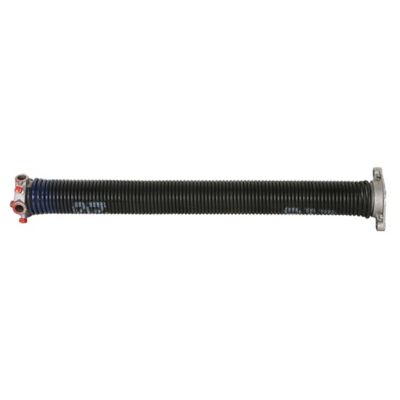
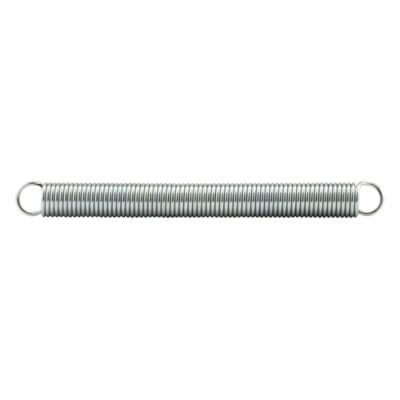
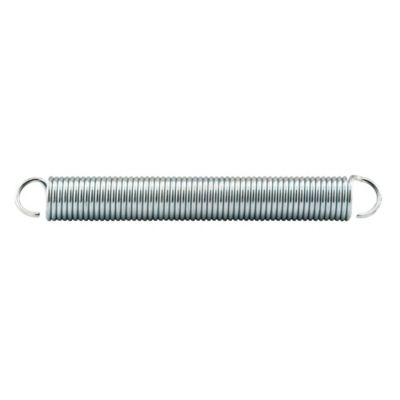
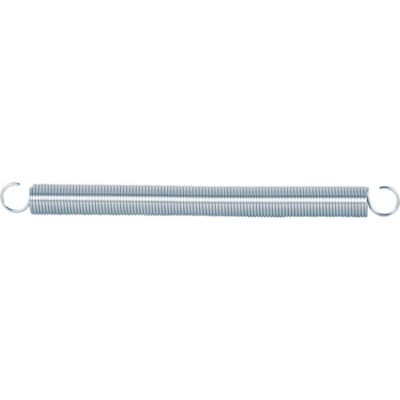
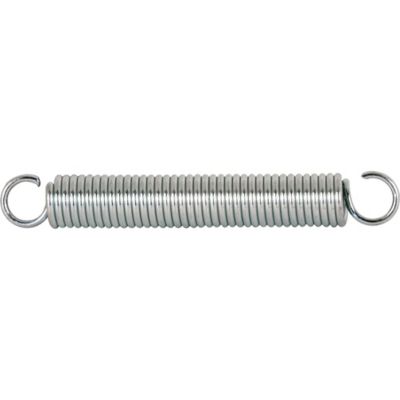
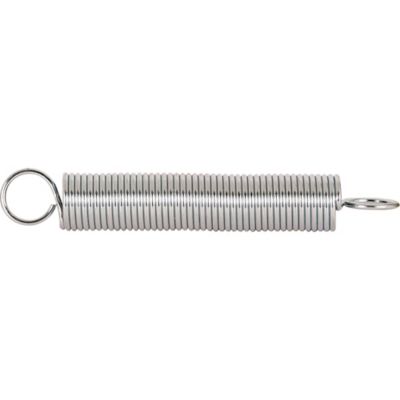
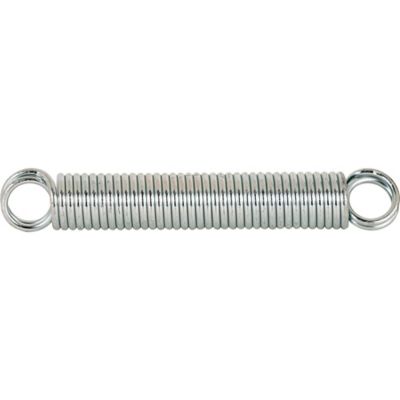
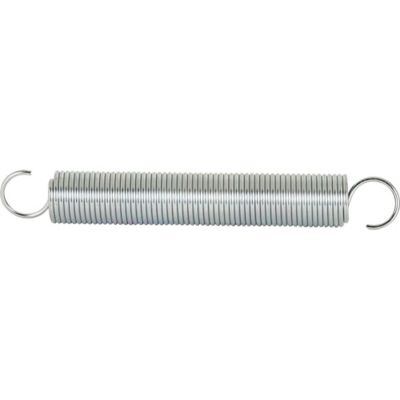
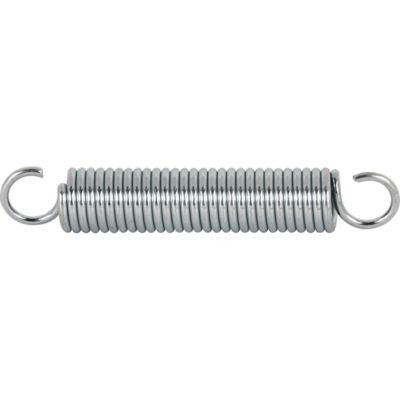
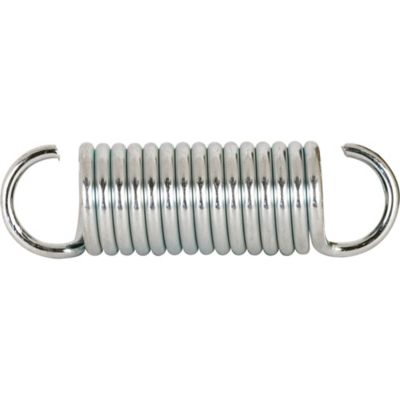
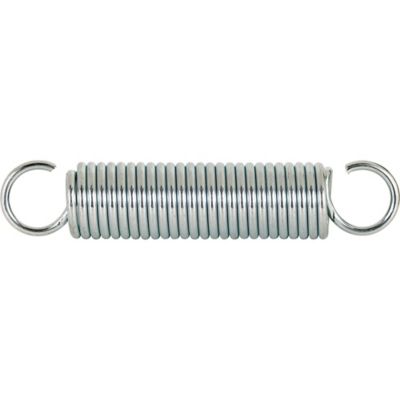
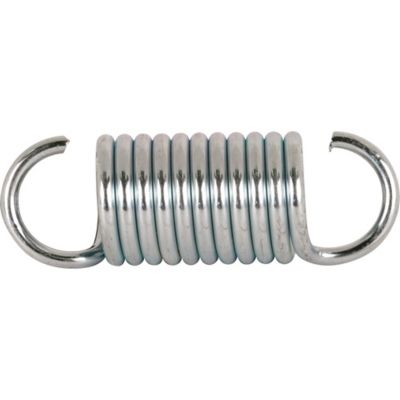
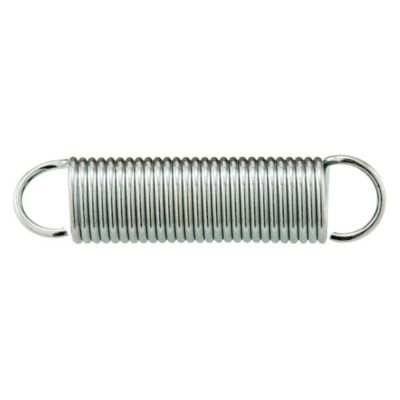
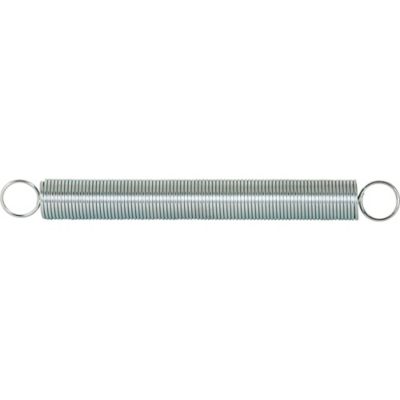
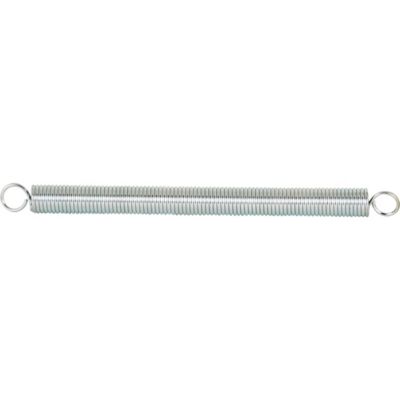
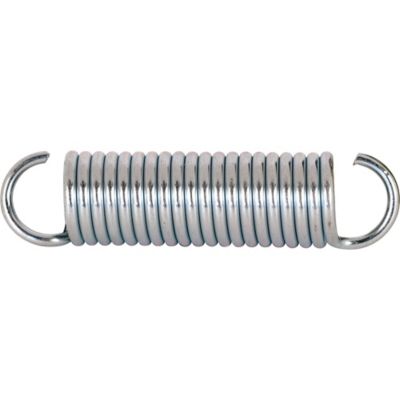
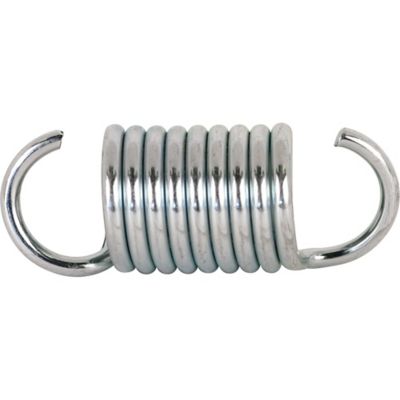
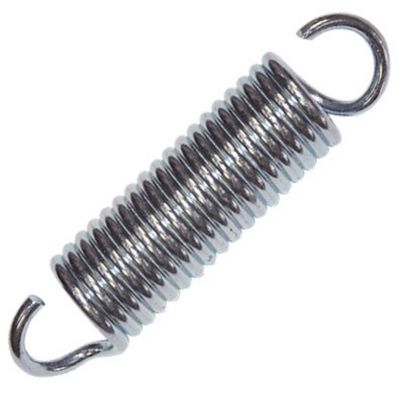
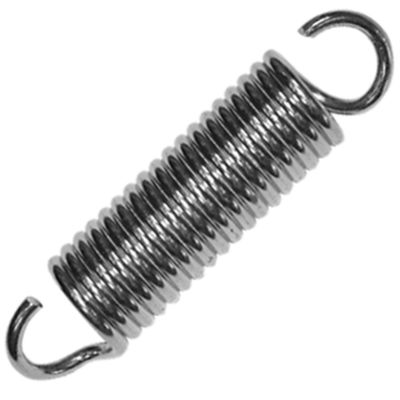
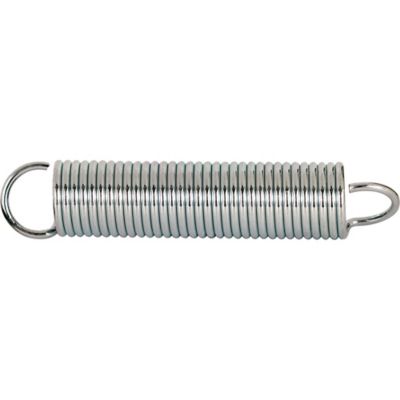
Garage door extension springs are a practical part of many residential garage door systems, especially on doors that use horizontal tracks with a spring running alongside each upper track. These springs stretch as the door closes and contract as it opens, helping offset the door’s weight so it can be lifted by hand or by an opener. When the springs are worn, mismatched, or broken, a door may feel unusually heavy, hang crooked, move roughly, or place extra strain on the opener and other hardware. Extension springs are generally used as a matched pair, with one on each side of the door, and the pair should be selected to support the door’s total weight. A spring rated for a single side is not meant to carry the entire door by itself. Before choosing replacements, pay attention to the door’s weight, height, track arrangement, spring length, inside diameter, wire size, end style, and the way the existing springs are installed. Many extension springs use color coding or other markings to indicate their lifting capacity, but those markings can fade over time, so it’s smart to compare several measurements and check the door manufacturer’s information when available. A seven-foot door and an eight-foot door may require different spring dimensions, even when the doors look similar from the outside. If you’re gathering supplies for a barn, detached garage, workshop, rental property, or country home, the
Garage Door Hardware selection can help you round up related parts for a sound, dependable setup.
Choosing the right capacity is the most important part of shopping for garage door extension springs. The total door weight—not just the visible door panel—determines the lifting load. Insulation, windows, decorative overlays, hinges, rollers, and other hardware all add weight, and two springs work together to balance that load. As a general example, a pair intended for an 80-pound door should be matched to an 80-pound door overall, with each side carrying roughly half the load. Never choose a stronger pair simply because it seems like extra insurance; overpowered springs can make the door rise too quickly, fail to close properly, or create an unsafe imbalance. Likewise, springs with too little capacity may leave the door heavy and hard on the opener. Extension springs are commonly rated for a certain number of open-and-close cycles, often around 10,000 under normal conditions, though actual service life depends on door weight, frequency of use, moisture, dirt, temperature swings, and the condition of the rollers and tracks. A garage used several times a day can wear through springs sooner than a seldom-used storage building. During the warmer and cooler stretches of the year, pay attention to changes in door movement, unusual stretching or snapping sounds, gaps in the coils, rust, and cables that look frayed or loose. Replacing both springs at the same time helps keep the door balanced from side to side and avoids pairing a fresh spring with one that has already spent years under load. It’s also worth checking that the tracks are straight, the rollers turn freely, and the hinges are secure before putting new springs into service. A new spring cannot correct a bent track or a door that is dragging against the frame.
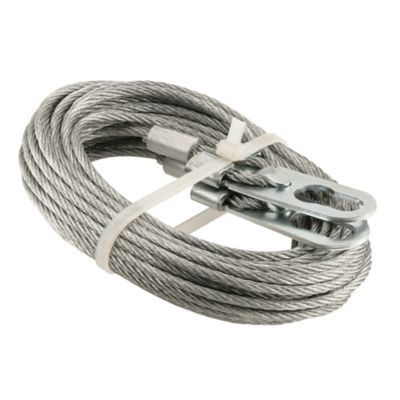
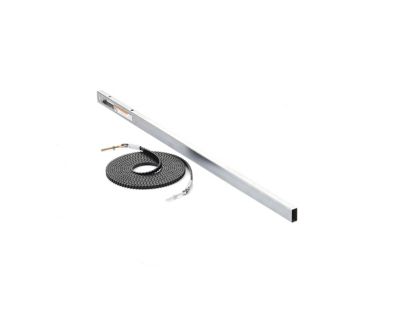
Garage door extension springs store a great deal of energy, so installation and inspection deserve the same care you would give any other loaded mechanical part around the farm or shop. A broken spring can whip or separate from its mounting points, and a door that is not properly supported can fall with surprising force. Safety containment cables should run through the center of extension springs and be anchored securely so that a spring is restrained if it breaks. Keep people, pets, vehicles, and stored equipment clear of the work area, and do not operate the door until the springs, cables, pulleys, tracks, and fasteners have been checked. Because spring tension and door weight vary, homeowners who are not familiar with garage door systems should have a qualified garage door technician handle measurement, removal, and installation. If a trained person is identifying the replacement, the door’s weight can be confirmed with the door safely disconnected from the opener and fully supported according to the manufacturer’s procedure; the correct pair should then match that total weight and the door’s height and hardware layout. Extension springs are useful parts to keep in mind for maintenance planning, particularly for homeowners preparing a garage before periods of heavy use, property managers caring for several buildings, and anyone restoring an older outbuilding. They are not usually a gift in the traditional sense, but a carefully chosen pair can be a thoughtful, practical addition to a new homeowner’s repair supplies or a well-stocked workshop. With the right rating, matching pair, proper containment cables, and professional installation when needed, replacement springs can help a garage door open more smoothly, stay balanced, and serve reliably through changing weather.