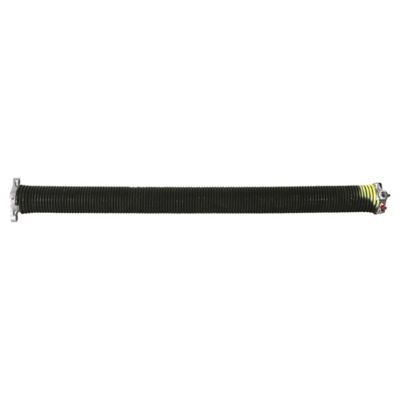
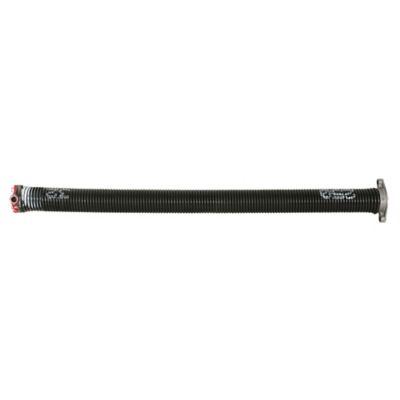
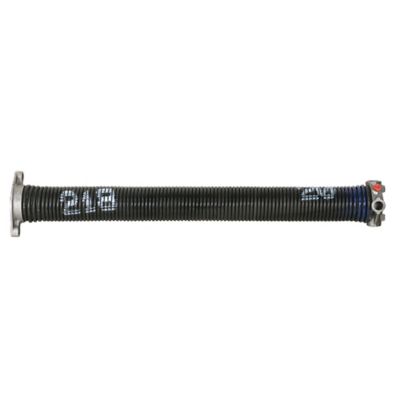
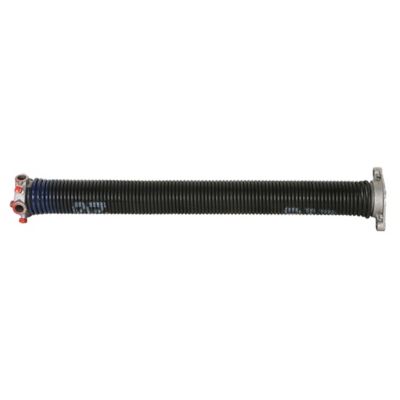
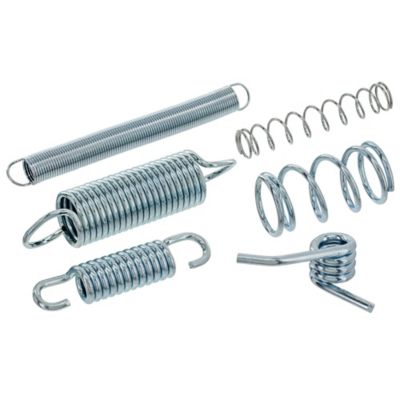
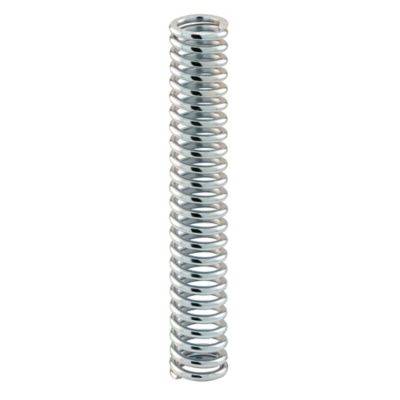
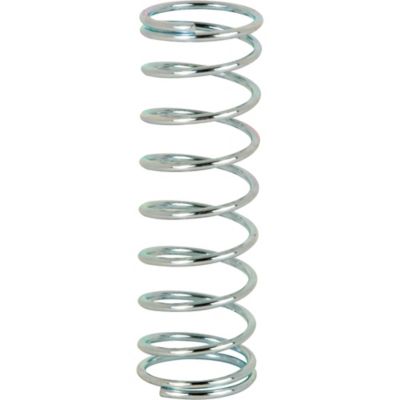
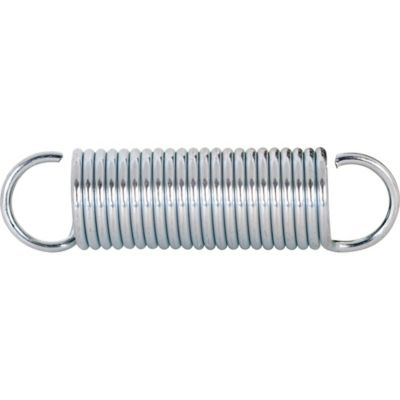
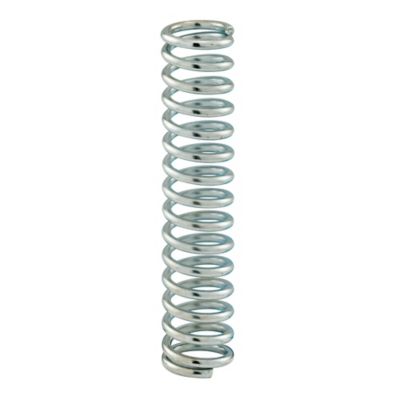
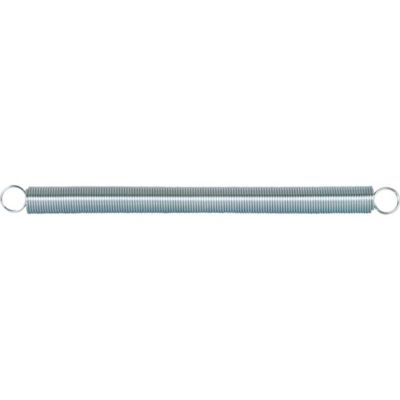
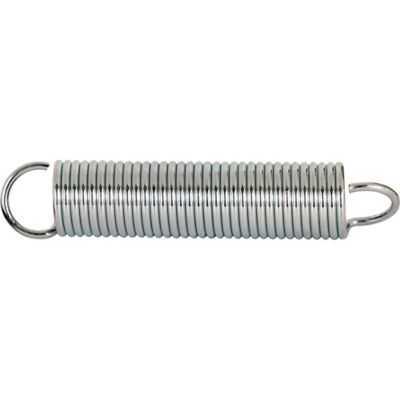
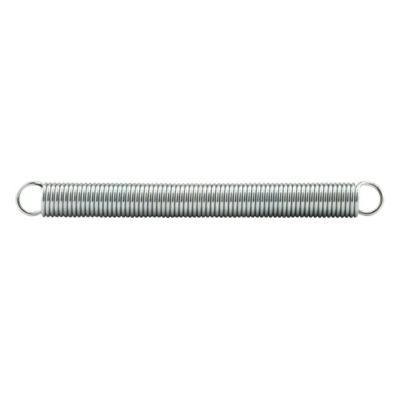
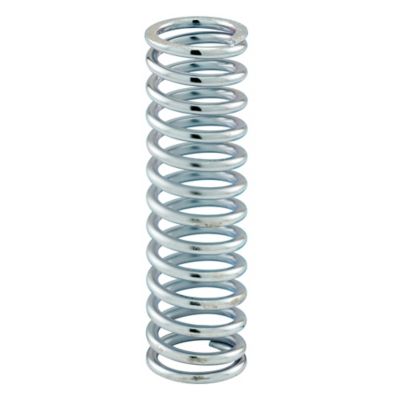
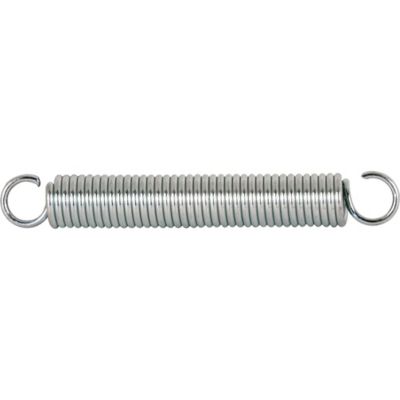
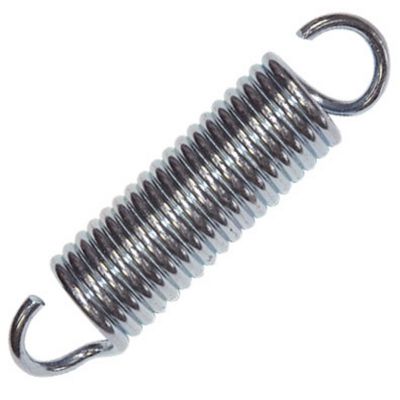
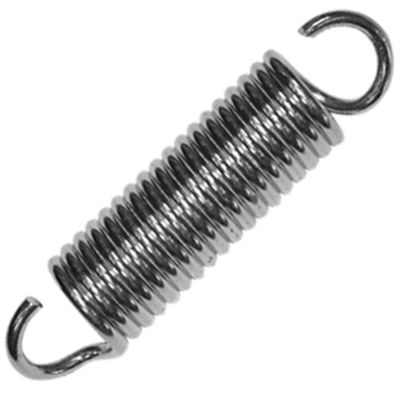
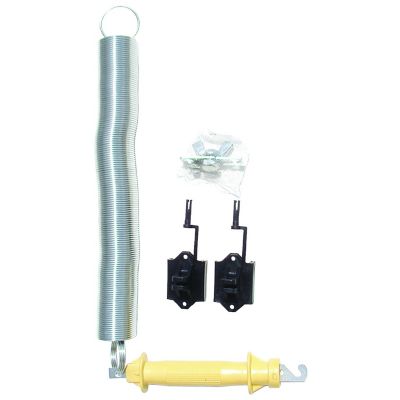
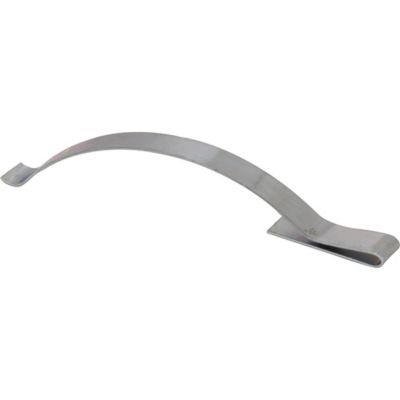
Replacement springs for garage doors counterbalance the door’s weight, helping it rise and lower with controlled movement instead of leaving the opener to carry the load alone. That matters whether the door opens onto a family garage, a farm shop or a detached building where tools and equipment come and go throughout the day. The two main spring types are torsion springs and extension springs, and each works with a different lifting arrangement. Torsion springs typically sit on a shaft above the door opening. They store energy by twisting as the door closes and release that energy as it opens. Extension springs generally run beside the horizontal tracks, stretching when the door closes and contracting as it rises. These designs are not direct substitutes for one another; the replacement needs to suit the door’s existing lift system unless a qualified technician is making a planned conversion. Most garage door springs are made from high-strength steel wire, with treatments or finishes that vary by design. Oil-tempered steel and galvanized steel are common options, but the finish alone does not determine how long a spring will serve. Correct sizing, operating conditions, door balance and the number of opening-and-closing cycles all matter. One cycle means one complete opening and closing of the door. Many residential springs carry ratings around 10,000 cycles, while higher-cycle designs may offer a longer rated service life. A rating is a comparison point, not a promise of a certain number of years. A garage door that opens for chores, vehicle trips and equipment access several times a day puts more cycles on its springs than a door opened only occasionally. For a busy household or working property, matching the spring to both the door and its daily workload is more useful than choosing by appearance alone. Springs that look much alike can have different lifting characteristics, even when their overall size seems close.
Fit starts with the door’s weight and the specifications of its spring system, not simply whether the door serves a single-car or two-car opening. Doors of the same width can weigh very different amounts because of their construction, insulation, glass and added hardware. A solid wood door and a lightweight steel door need different counterbalancing support, even if both fit the same opening. For torsion spring replacements, the important specifications include wire diameter, inside diameter, spring body length, winding direction and the lifting requirements of the complete assembly. For extension spring replacements, door weight rating, unstretched length, required stretch, end configuration and door height can all affect the match. End fittings and attachment styles matter because the spring must connect properly to the surrounding hardware. Color markings can help identify some spring characteristics, but paint alone is not enough to establish compatibility. Manufacturer specifications and a technician’s assessment give a firmer basis for selection than a visual comparison. A longer spring is not automatically a stronger spring, and thicker wire does not automatically make a better replacement. The dimensions work together to determine how the spring behaves through the door’s travel. Installing a spring with the wrong lifting characteristics can leave a door too heavy, make it rise unexpectedly or place extra strain on the opener and other components. Adding insulation, replacing door sections or changing other weight-bearing features can also change the spring requirements. On a two-spring system, a technician may recommend replacing both springs together when they have similar service histories, since the remaining spring has often completed the same number of cycles. The pair still needs to be selected as a matched lifting system rather than as two unrelated parts. Properly selected replacement springs support balanced travel, but they cannot make up for bent tracks, binding rollers, damaged cables or worn bearings. Those conditions deserve attention as part of the same repair assessment.
Springs are part of a larger system of
Garage Door Hardware, working alongside cables, drums or pulleys, brackets, bearings, hinges and rollers. On extension spring systems, properly installed containment cables help restrain a spring if it breaks, though they do not remove the hazards of stored tension. Both torsion and extension springs can cause serious injury if they release unexpectedly. Have a trained garage door technician handle spring identification, replacement, tension adjustments and balancing rather than treating the job like an ordinary hardware swap. A loud bang followed by a door that will not lift, a visible separation in a spring or a door that suddenly travels unevenly can signal a spring or lifting-system problem. Stop operating the door and keep people, pets and vehicles clear until it has been assessed. Repeatedly running the opener against a failed spring can damage the drive system, and pulling the emergency release on an open door with a failed spring can allow the door to fall. For ongoing care, follow the door and spring manufacturer’s maintenance directions, including any specified lubricant and inspection schedule. Some spring designs call for lubrication, while others have different care requirements, so a single treatment does not suit every assembly. Corrosion, damaged coils and wear at connection points are reasons for professional evaluation, not spots to patch or reshape. A surface coating may help limit corrosion, but it does not eliminate metal fatigue or replace regular checks. Around a farm shop, sawdust, grinding debris and other buildup can also make it harder to spot developing trouble. Keeping the surrounding area clear gives a technician room to inspect the full lifting system. For homeowners, property caretakers and folks managing outbuildings, the goal is straightforward: a door that stays properly balanced and moves as intended whenever access is needed. Replacement garage door springs chosen for the correct specifications, paired with sound hardware and professional installation, help support that everyday operation without asking the opener to do a job meant for the springs.