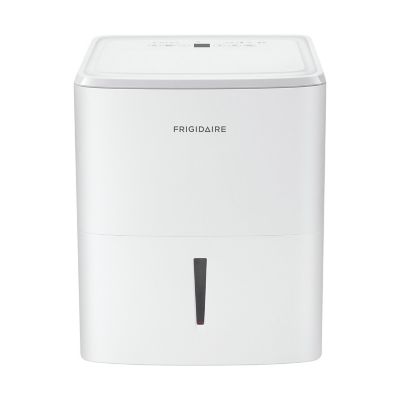
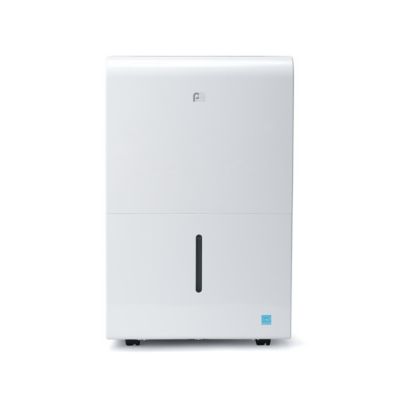
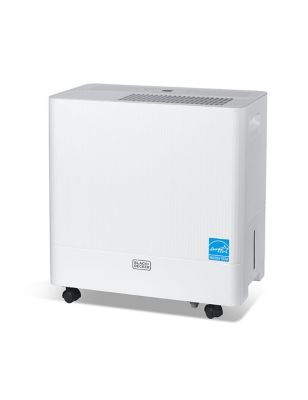
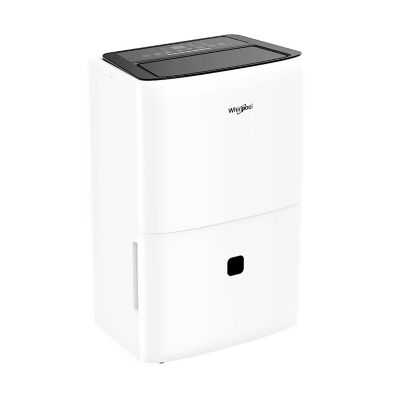
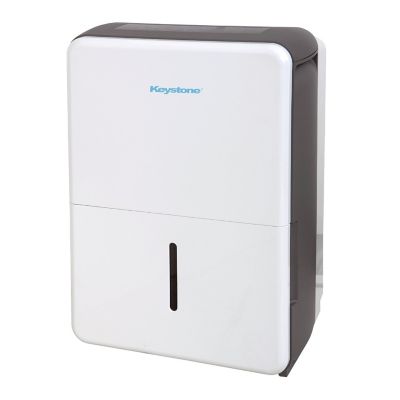
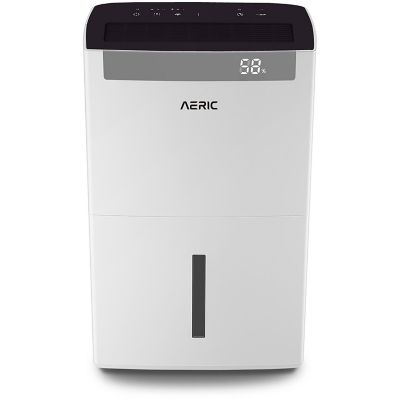
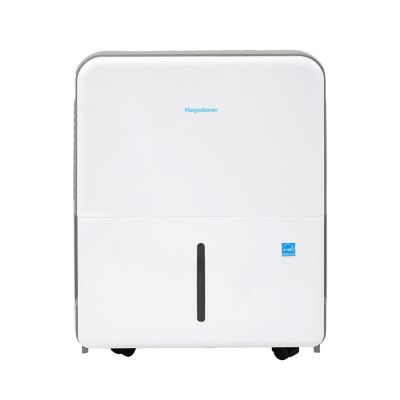
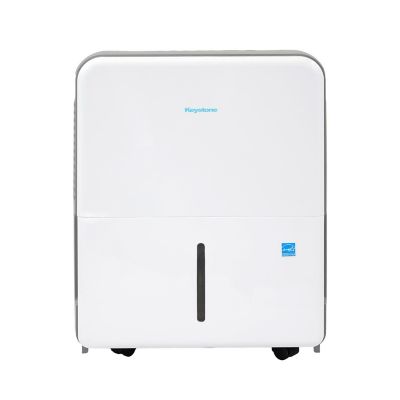
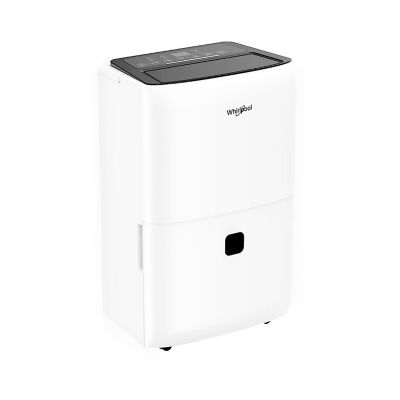
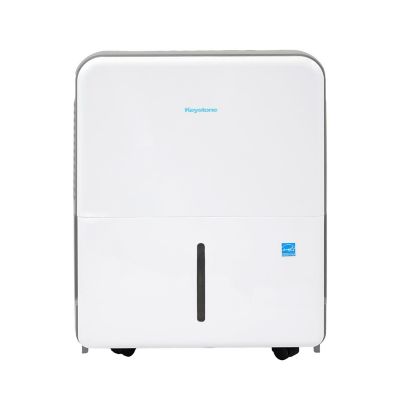
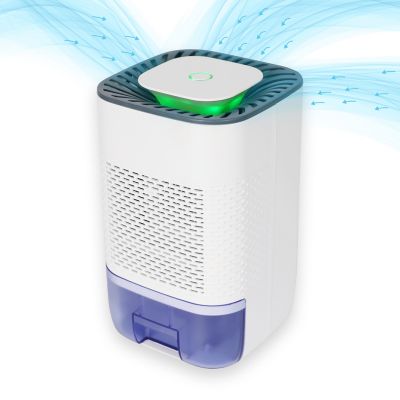
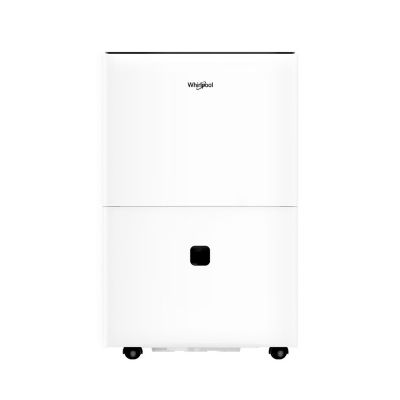
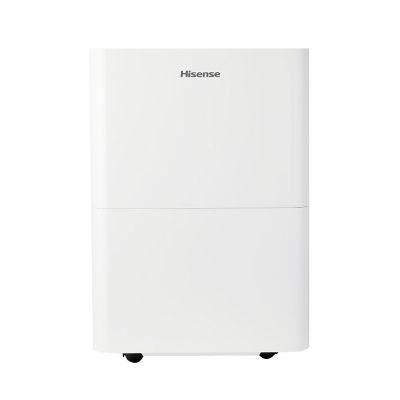
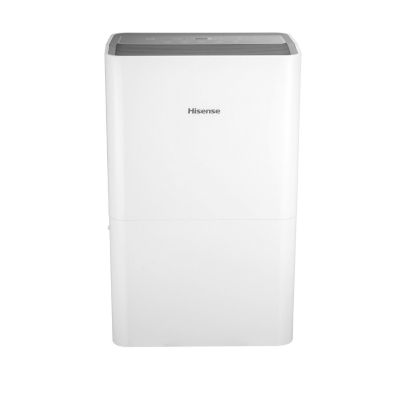
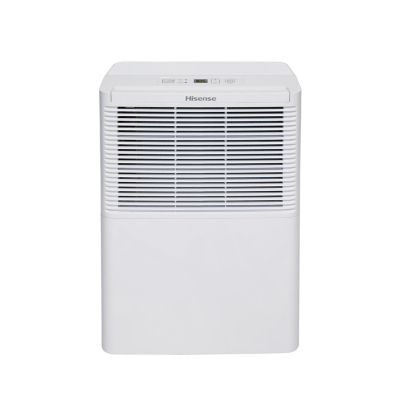
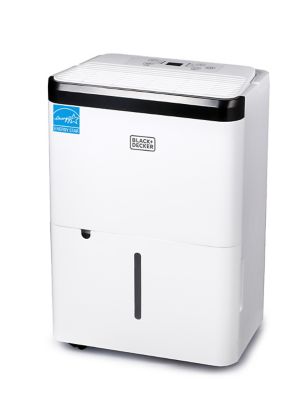
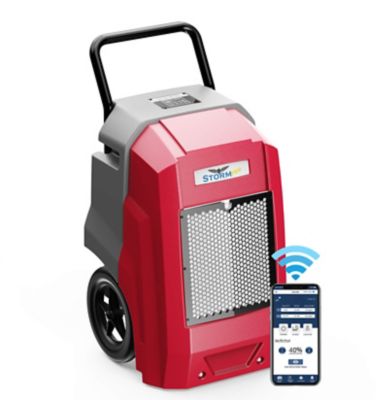
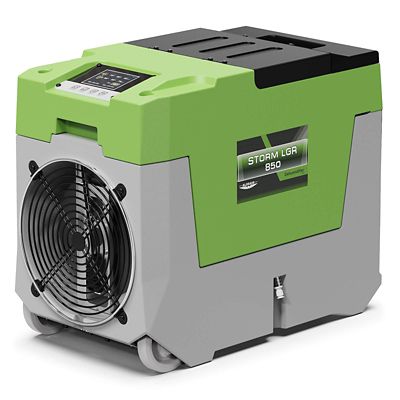
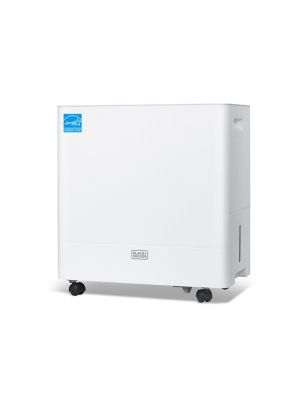
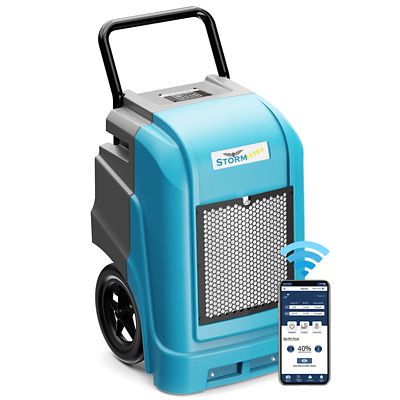
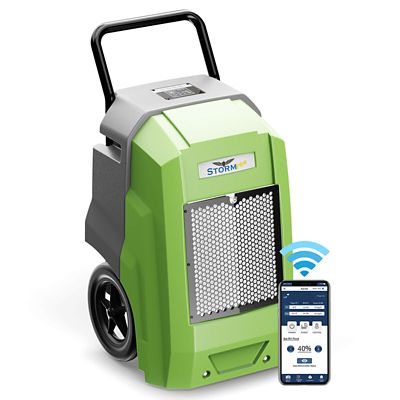
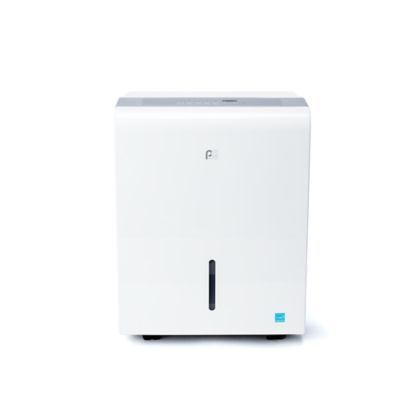
Basement dehumidifiers pull excess moisture from the air, helping make downstairs rooms less clammy and better suited for storage, laundry, hobbies, and everyday living. That matters when cardboard boxes feel soft, towels never seem fully dry, or the air around a workbench carries a musty smell. Concrete floors, masonry walls, and below-ground locations can create moisture challenges even in a basement that looks dry at first glance. A dehumidifier collects airborne water in a tank or sends it through a drain connection, giving homeowners a way to manage humidity without constantly hauling storage bins upstairs. For a large, open basement with persistent dampness, a 50-pint compressor dehumidifier is often a sensible capacity to consider. That rating describes how much water the unit can remove over 24 hours under specified test conditions; it does not describe the size of its collection bucket. Actual moisture removal depends on the room’s conditions, airflow, and how much moisture keeps entering the space. Smaller basements with modest dampness may need less capacity, while larger or especially wet spaces may call for more. Square-footage claims are helpful starting points, but they work best alongside the manufacturer’s recommendations for moisture levels and room conditions. A finished basement split into a den, utility room, and storage area behaves differently from one wide-open room of the same size. Closed doors and tight corners can keep damp air from reaching a single unit. Adjustable humidity settings make it easier to match operation to the space, and a separate humidity meter can show how conditions differ near shelves, exterior walls, and the main living area. About 30% to 50% relative humidity is a common indoor target, with readings below 50% helping limit conditions that favor mold growth. Dehumidifiers manage moisture in the air, not water coming through a cracked foundation or a leaking pipe, so the right equipment belongs alongside attention to the source of the dampness.
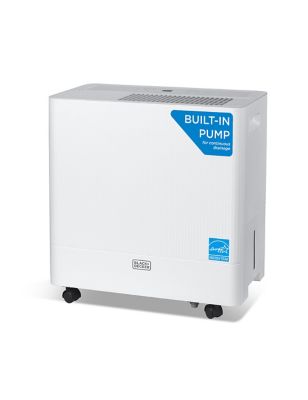
Drainage is one of the biggest differences between a basement dehumidifier that fits the routine and one that becomes another chore. A removable collection tank works well where no drain is nearby, especially when its handle is comfortable to carry and its opening makes emptying straightforward. Tank capacity is worth comparing separately from daily moisture-removal capacity: a unit that pulls plenty of water from the air may still need frequent emptying if its bucket is small. Automatic shutoff helps stop collection when the tank fills, while a full-tank light makes the reason for a pause easy to spot. Continuous drainage can be a better match for homeowners who spend their days out on the property or simply do not want to carry a full bucket across the basement. With gravity drainage, the hose needs an uninterrupted downhill path to a suitable drain. A built-in pump can move collected water upward within its specified lift limit, which may suit a nearby utility sink or another approved drainage point above floor level. Hose compatibility, drainage distance, and the pump’s rated lift all matter more than the mere presence of a drain connection. Physical fit deserves the same attention. A cabinet needs room for air to enter and leave, plus enough clearance to remove the bucket and reach the filter. A tight spot behind stacked feed containers or beneath a crowded workbench can restrict airflow and make routine care awkward. Molded plastic housings are common on portable units, with internal metal coils handling heat transfer as moisture condenses. Easy-grip handles, rolling casters, and an accessible control panel are practical details for moving a unit between storage and living areas. Placement on a stable, level surface helps the tank seat properly and supports normal operation. Access to a grounded outlet, manufacturer-specified electrical requirements, and a hose route clear of foot traffic help keep the setup manageable without turning the basement walkway into an obstacle course.
Everyday features can make a meaningful difference when a dehumidifier runs near a family room, home office, or downstairs workshop. Adjustable fan speeds offer more flexibility between stronger air circulation and quieter operation, although sound levels vary by design and setting. An onboard humidistat lets the unit cycle according to a selected humidity level rather than run continuously without a target. Automatic restart can resume operation after a power interruption, but the details matter: some units retain the selected settings, and others handle restart differently. For basements that fall toward the lower end of a unit’s operating range, the manufacturer’s minimum operating temperature and an automatic defrost function are worth noting. Compressor coils can collect frost under certain conditions, and defrost operation helps clear that buildup so moisture collection can resume. This is a fit consideration, not a reason to assume every basement needs the same machine. Downstairs storage also benefits from a sensible moisture-control routine. Keeping boxes off concrete, leaving space around shelving, and allowing air to circulate near stored clothing and tools complement the work of a dehumidifier. For spaces where dampness is a recurring concern,
dehumidifiers for mold and mildew prevention can help limit moisture conditions that encourage growth, but they do not remove existing mold or replace repairs and cleanup. Care requirements are generally straightforward, though they vary by model. Accessible filters make it easier to clear lint and dust that can restrict airflow; washable filters need cleaning and drying according to the manufacturer’s directions, while replacement filters follow their specified schedule. Collection tanks also need regular cleaning to keep residue from building up. Drain hoses deserve occasional checks for kinks, clogs, or loose connections, particularly when the unit runs without frequent tank emptying. For a homeowner protecting stored belongings, a renter managing a downstairs living space, or someone keeping a basement workshop comfortable, the most useful match balances moisture-removal capacity, drainage, room layout, and manageable upkeep. Those practical details help a dehumidifier fit the space and the daily routine.