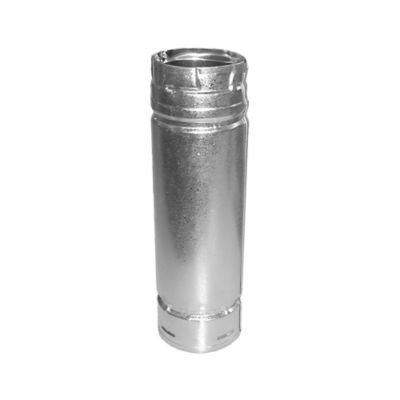
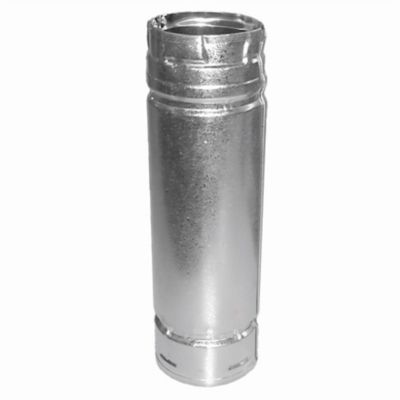
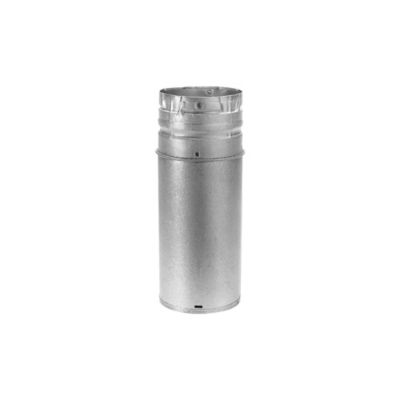
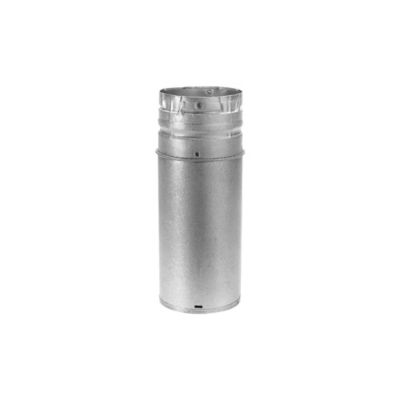
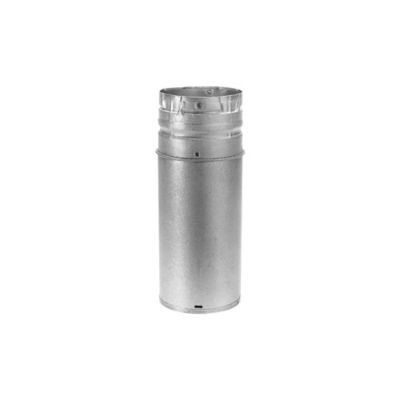
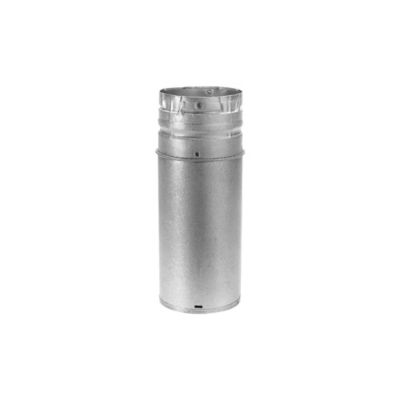
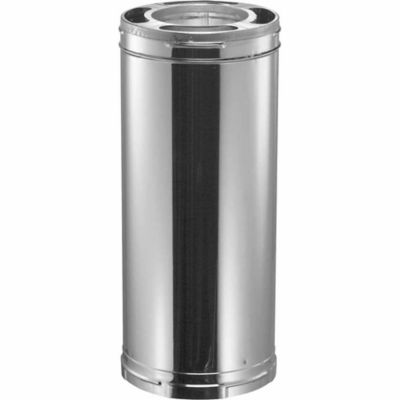
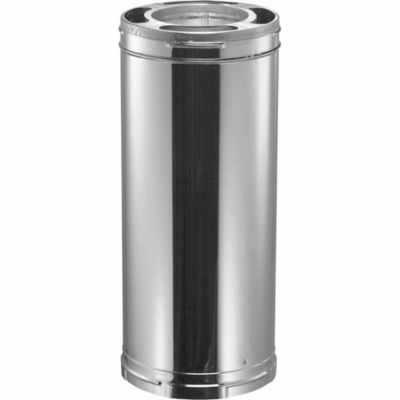
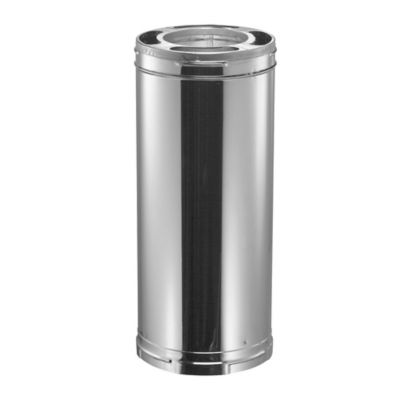
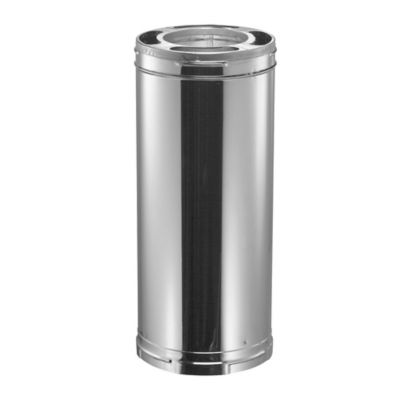
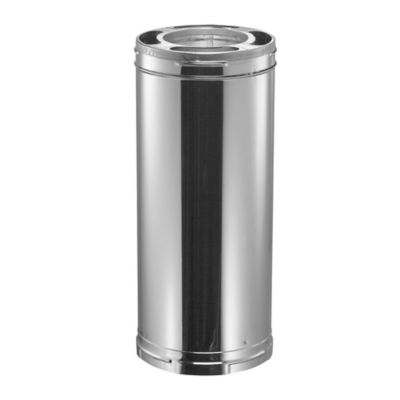
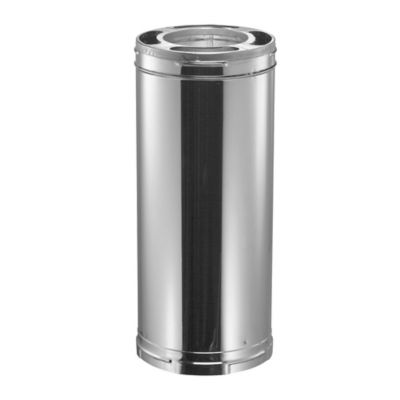
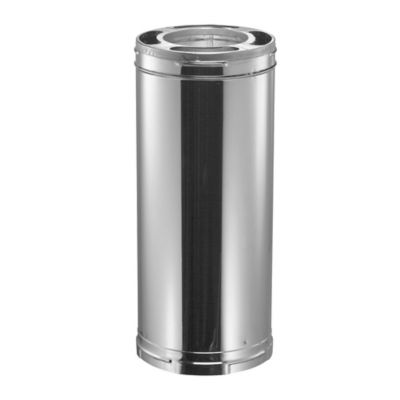
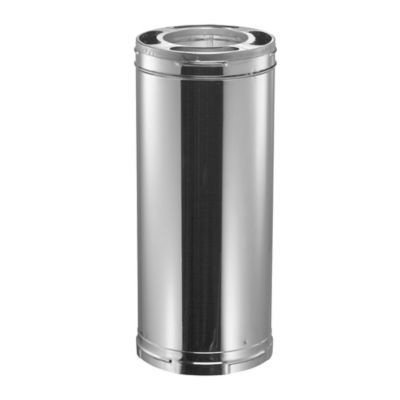
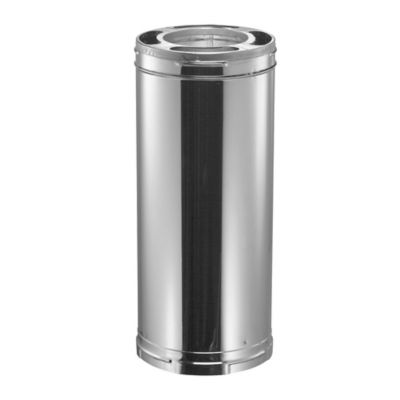
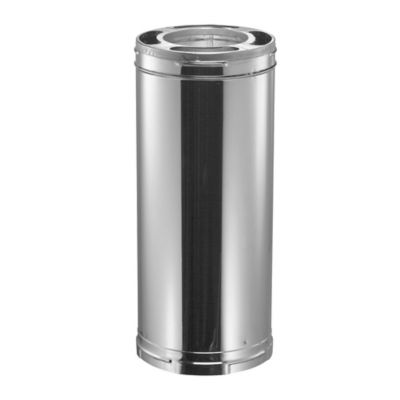
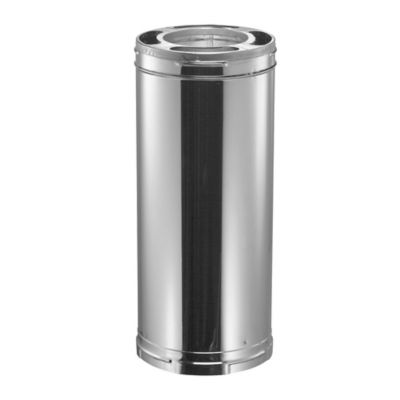
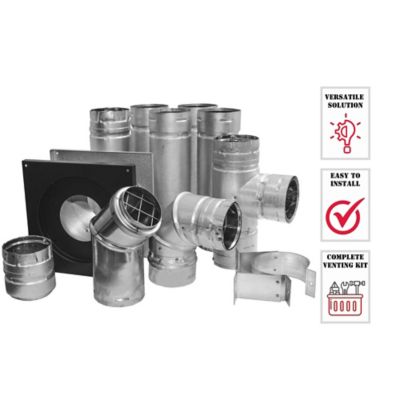
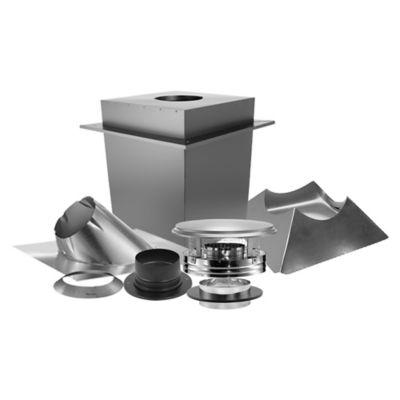
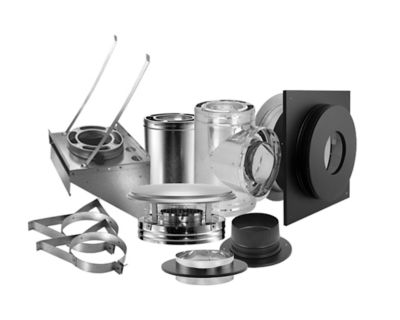
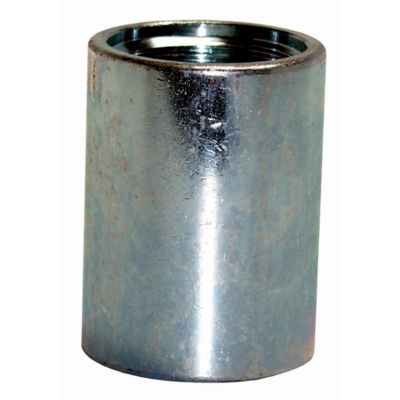
Galvanized chimney pipes are commonly used as the weather-protective outer casing on insulated chimney systems, making them a practical choice for wood stoves, fireplaces, furnaces, and other properly matched appliances. The galvanized steel exterior helps shield the chimney from rain, snow, wind, and everyday outdoor wear, while the inner flue wall is typically stainless steel for better resistance to high heat, moisture, and corrosive byproducts from combustion. Many of these systems use double-wall or triple-wall construction, with an air space or ceramic and mineral wool insulation between the walls to help maintain safe temperatures as the chimney passes through ceilings, attics, walls, and the roof. When you are comparing galvanized chimney pipes, start with the appliance fuel and the listing for the venting system. Solid-fuel appliances such as wood stoves require a listed Class A chimney system designed for high-temperature service, not ordinary snap-lock stovepipe. Single-wall galvanized vent pipe may be intended for certain lower-temperature gas or oil applications, but it should not be substituted for an insulated Class A chimney where wood, coal, or another solid fuel is burned. A properly listed Class A system is generally built for normal continuous flue temperatures around 1,000 degrees Fahrenheit and tested to withstand brief high-temperature events, including creosote fire conditions up to approximately 2,100 degrees Fahrenheit under standards such as UL 103HT. Always match every section, adapter, support, flashing, cap, and connector to the same listed system, and follow the appliance manufacturer’s instructions along with local building and fire codes. A pipe that looks like it will fit may still have the wrong locking connection, diameter, insulation package, or temperature rating.
These chimney components are useful for homeowners installing or repairing a heating setup, farmers outfitting a workshop or cabin, landlords maintaining a rental property, and contractors handling a roof or chimney project. They can also be a thoughtful practical gift for someone restoring an old farmhouse, setting up a hunting cabin, or preparing a detached shop for cooler weather, though chimney parts should be chosen for the exact appliance and layout rather than bought as a surprise without measurements. Before ordering, measure the required inside diameter, map the route from the appliance to the termination point, and note whether the chimney will run straight through the roof or use an approved wall-supported configuration. Plan for the required clearances around combustible framing; many insulated Class A systems call for at least 2 inches between the chimney and wood framing, but the manufacturer’s instructions and local requirements control. Keep attic insulation, roof decking, drywall, rafters, stored boxes, and other combustible materials outside that clearance zone, and use the proper firestop, radiation shield, attic insulation shield, wall thimble, roof flashing, storm collar, and chimney cap for each part of the installation. A roof that catches afternoon rain or blowing snow may need careful flashing work, while a tall chimney on an exposed barn or shop may need additional bracing to stay steady in hard wind. Galvanized exteriors are often selected for their balance of cost and weather protection, but stainless exteriors may be required by certain codes, severe-weather conditions, or exposed installations, so check before making a final choice. Look closely at gauge, insulation type, connection style, overall length, adjustable sections, and the listed clearance—not just the outside finish or price. For jobs that use support hardware, these
Galvanized Steel Pipe Clamps may help with compatible pipe-related tasks, but they are not a substitute for listed chimney supports, wall bands, or bracing specified by the chimney manufacturer. Proper height above the roof is important for draft and safe exhaust, and the termination must be positioned away from windows, doors, overhangs, and other openings according to code. After installation, inspect connections, flashing, supports, and the cap before firing the appliance. During the cooler months, have a qualified chimney professional check the system and remove creosote when needed, especially if the appliance burns wood regularly. With the right listed parts, sound clearances, and careful installation, galvanized chimney pipe can provide a dependable, weather-ready path for moving combustion gases safely out of a home, shop, cabin, or farm building.