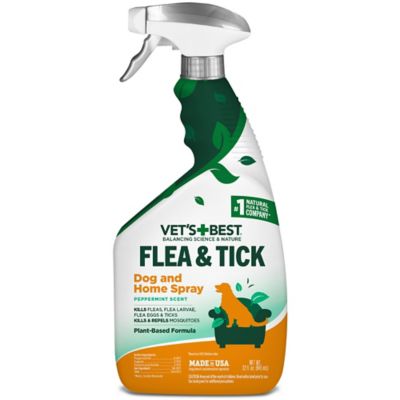
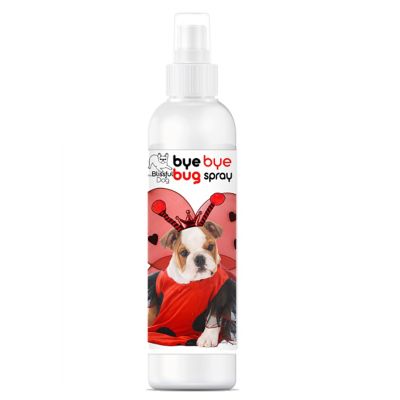
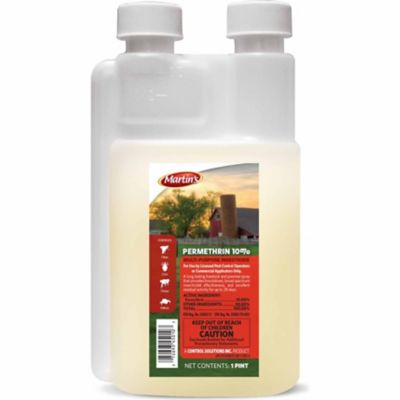
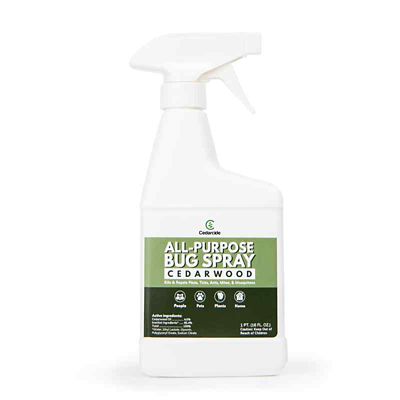
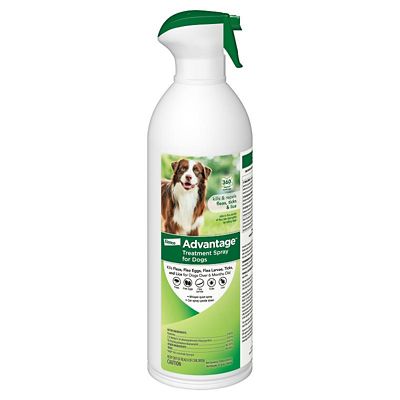
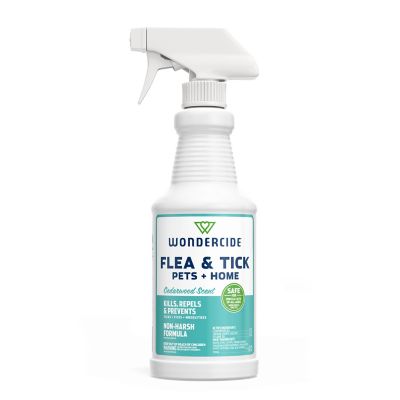
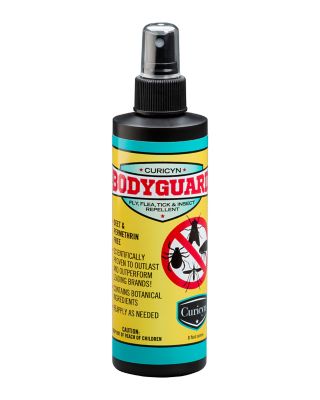
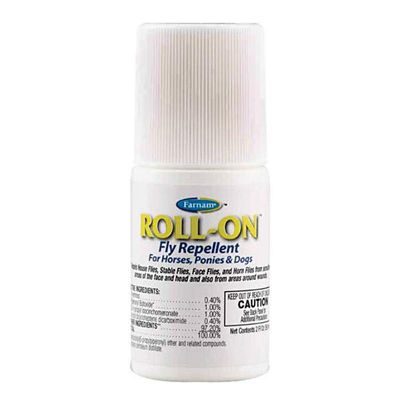
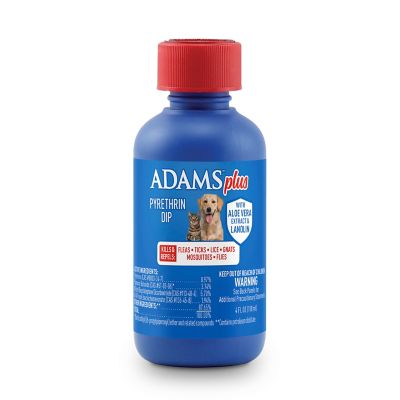
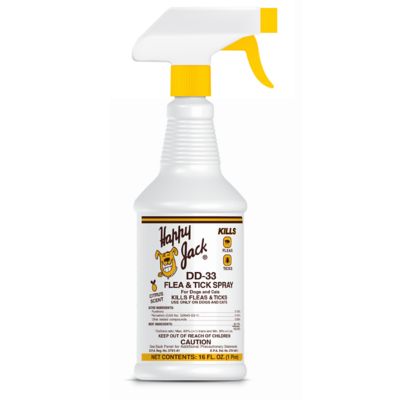
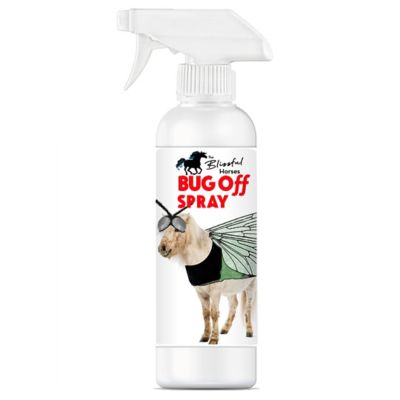
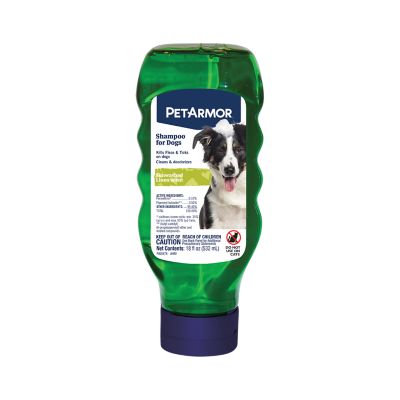
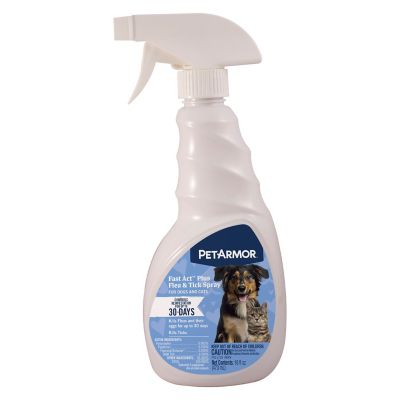
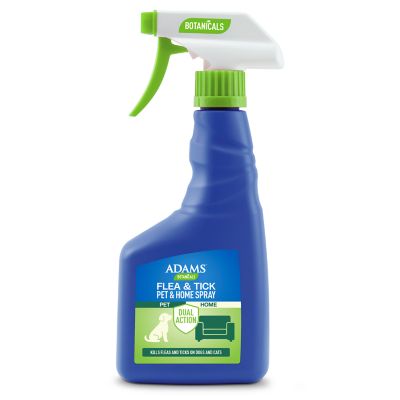
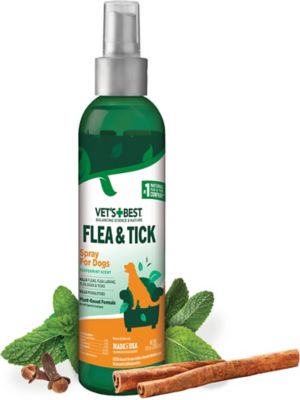
Dog insect repellent helps discourage biting pests from landing on or biting a dog, with protection that depends on the formula, application method, and pests named on the label. For dogs that tag along to the barn, nose around fence lines, or stretch out beside the porch steps, the right repellent fits both their daily routine and their individual needs. Mosquitoes, biting flies, fleas, and ticks call for different considerations, and a product labeled for one pest may not address another. Ticks are not insects, but some dog insect repellents also carry tick-repellent claims. That makes the labeled pest list more useful than a broad promise of bug protection. Repellents also differ from treatments that kill parasites after contact or feeding; a flea and tick treatment does not necessarily repel mosquitoes or flies. Sprays, wipes, and wearable options offer different ways to put protection where it belongs, while certain topical treatments combine repellent action with other pest-control benefits. A spray may suit a dog comfortable standing still for coat application, while wipes allow more controlled placement when the label permits it. Wearable repellents may appeal to folks who prefer less frequent handling, though their protection period and care requirements vary. Households with several dogs may need different formats rather than one approach for every animal. A short-coated hound, a thick-coated livestock guardian, and a small companion dog can have very different application needs, even when they share the same stretch of ground. Age, weight, skin condition, and health history matter just as much as time spent outside. Dog-safe insect repellent means a product specifically labeled for dogs and appropriate for that particular animal, not simply a bottle with a familiar scent or a plant pictured on the front. Clear directions, readable ingredient information, and a stated protection period help make those differences easier to compare.
Ingredients deserve a close look because a repellent’s source does not, by itself, establish its safety or effectiveness. Some formulas contain plant-derived ingredients, while others rely on different registered active ingredients; each comes with its own directions, limitations, and target pests. Essential oils are not automatically safe for dogs, and concentrated oils or home-mixed preparations can cause harm. Clove oil and other essential oils can pose risks, depending on concentration and exposure, so a pleasant herbal smell is no substitute for a dog-specific label. Human insect repellents containing DEET should never be applied to dogs. Swallowing DEET, including through licking a treated coat, can cause serious poisoning and neurological signs such as tremors or seizures. A DEET-free label alone is not enough, either, because other ingredients may still be inappropriate for pets. In homes where a cat curls up against the dog or shares a sleeping spot, cross-species safety is another important consideration. Certain dog treatments containing permethrin are highly toxic to cats, and some essential oils also pose risks to cats. Any label restrictions about separating animals after application are part of choosing a suitable formula for the household. Puppies, pregnant or nursing dogs, dogs taking medication, and animals with sensitive skin or a history of reactions may need a veterinarian’s input before a repellent joins their care routine. The same goes for combining repellents with flea and tick collars, spot-on treatments, or other parasite products. Compatibility should come from the label or a veterinarian, not an assumption that two different formats cannot overlap. Mosquito repellents do not replace veterinarian-recommended heartworm prevention, and repellent claims do not guarantee protection against every bite or pest-borne illness. For shoppers comparing formulas, the most meaningful details are the approved species and ages, any weight limits, active ingredients, application frequency, and restrictions around bathing, swimming, or contact with other animals. Those details say far more about everyday suitability than scent or packaging alone.
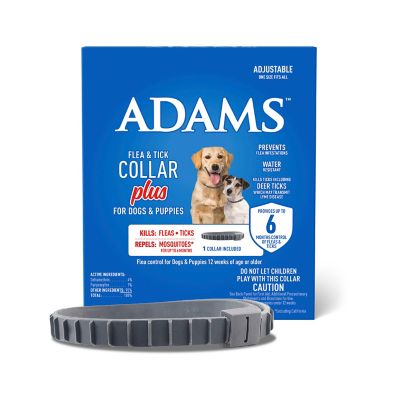
Application style, fit, and upkeep help determine how comfortably a repellent fits into life with a dog. Spray bottles differ in how easily they can be gripped and how precisely they dispense liquid, which matters when a dog would rather head toward the feed shed than stand for coat care. Wipes offer a contained format for label-approved application, but they still require attention to coverage and handling directions. Neither format belongs in a dog’s eyes, nose, or mouth, and direct spraying toward the face should be avoided. Any application near the head must follow the product’s specific instructions; some labels call for applying to a cloth or gloved hand first, while others restrict those areas altogether. Thick coats can make even coverage more demanding, and more product is not a substitute for following the stated amount. Dogs that lick or groom each other may need separation until the label’s drying or contact requirements are met. For a wearable format,
Mosquito Repellent Collars for Dogs offer another category to compare by labeled pest coverage, dog size, and protection period. Collar materials, flexibility, fastening style, and adjustment range affect comfort, particularly for dogs that spend plenty of time bending, running, or settling down in their beds. Fit should follow the manufacturer’s directions and allow comfortable movement without excess looseness or a dangling end that invites chewing. Repellent collars are not leash-attachment collars unless expressly designed for that purpose. Water-resistance claims also need a careful read: resistance to occasional splashes does not necessarily mean unrestricted swimming or bathing, and exposure may affect performance. Bottles with secure closures, resealable wipe packs, and clear storage directions help keep routine care manageable between applications. Products belong in their original containers, away from feed, food, children, and animals, with disposal handled according to the label. Whether a dog spends the day checking gates alongside a farm family or taking neighborhood walks, a suitable repellent offers clearly defined pest protection with handling and care requirements that fit the household.