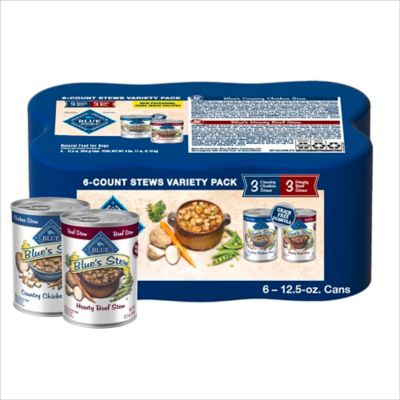
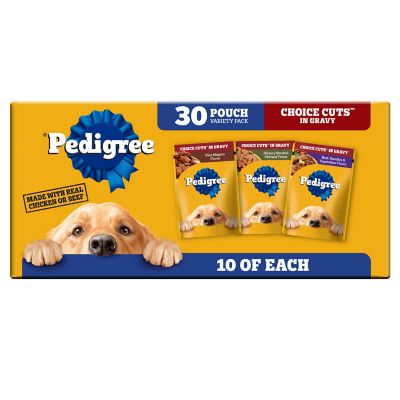
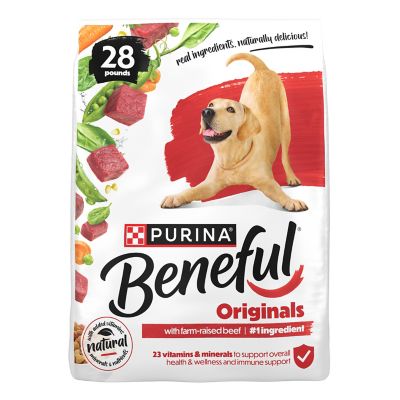
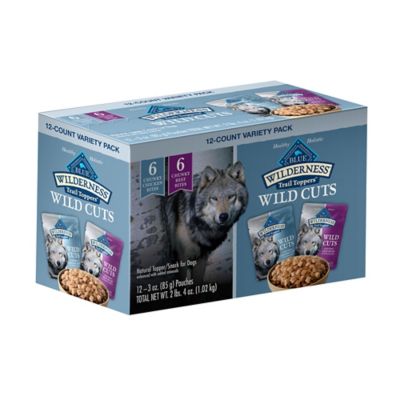
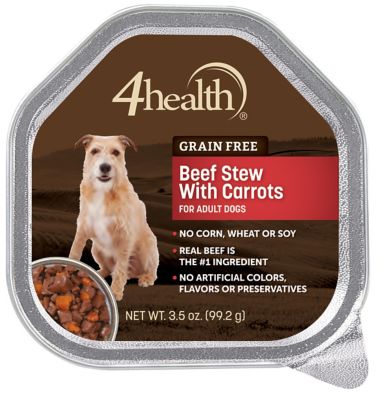
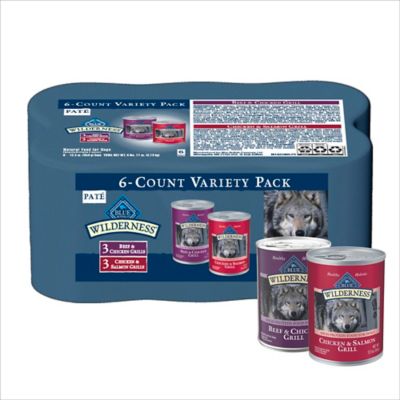
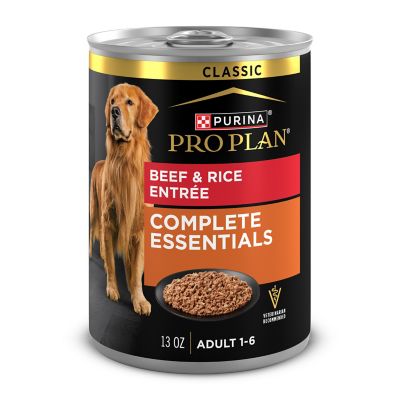
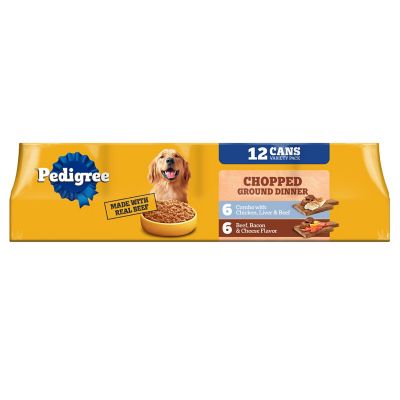
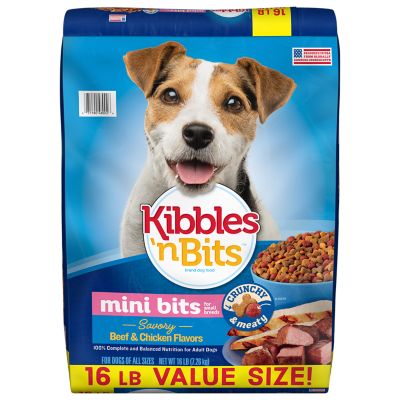
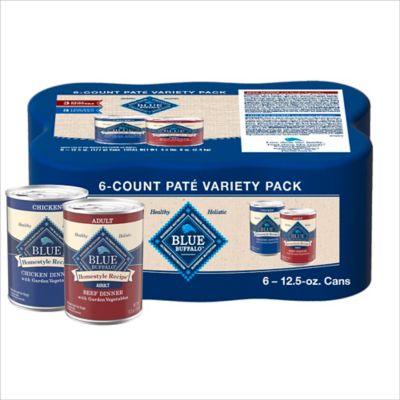
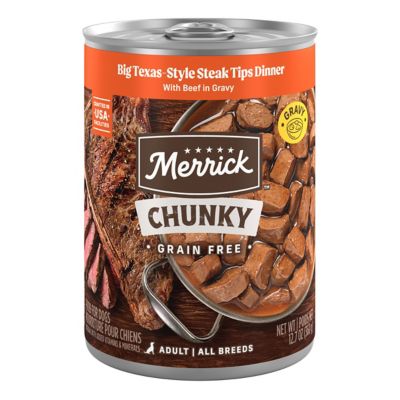
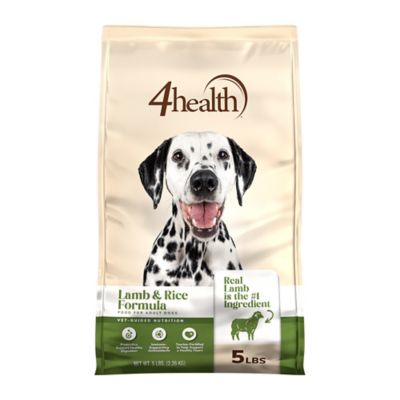
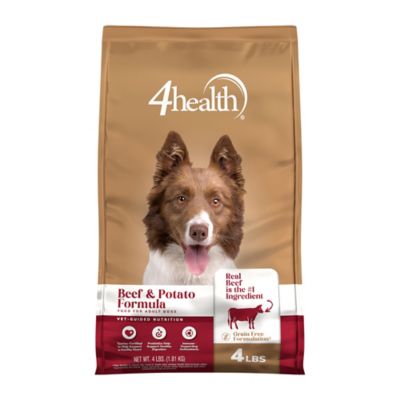
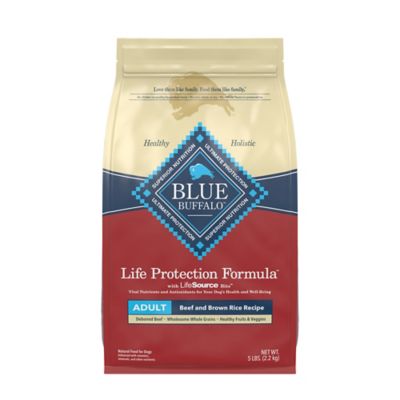
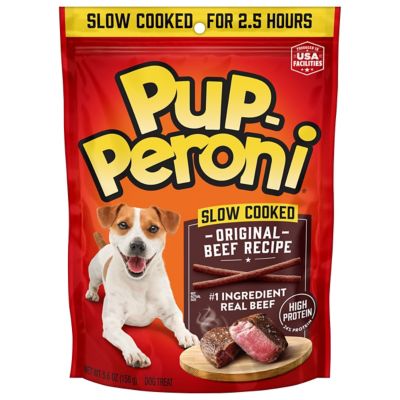
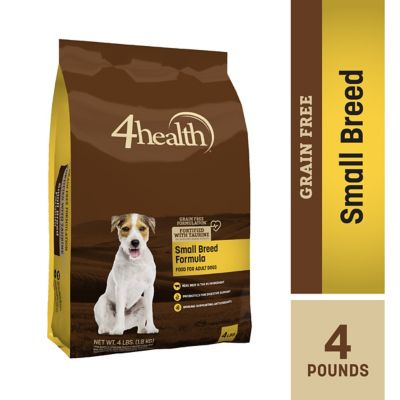
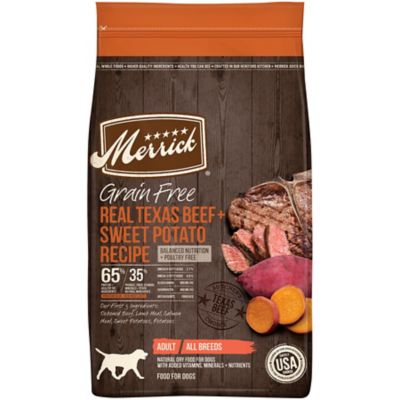
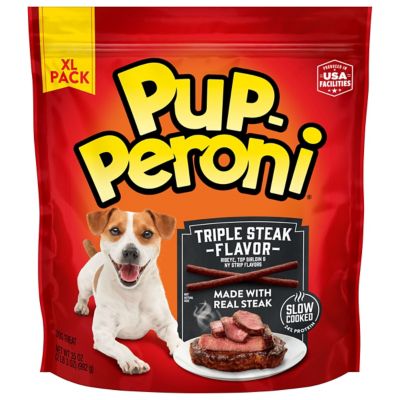
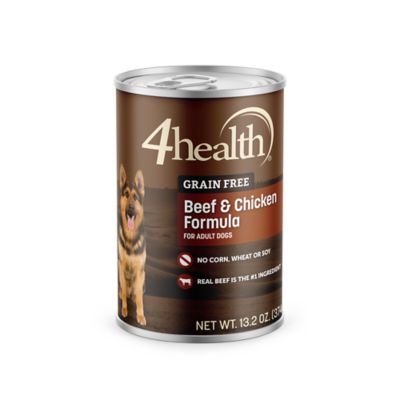
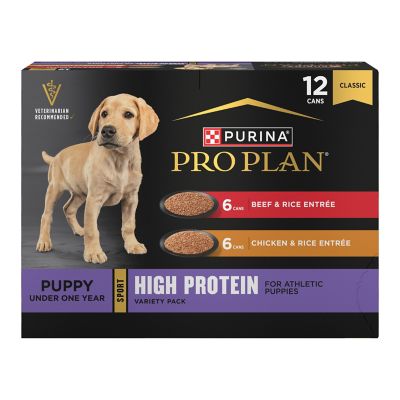
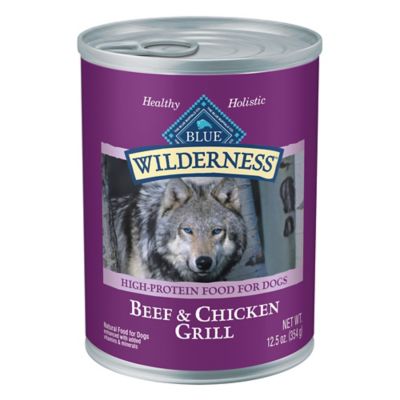
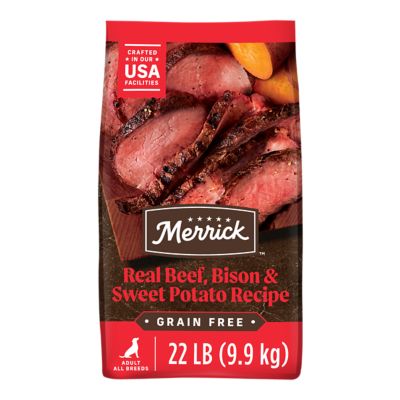
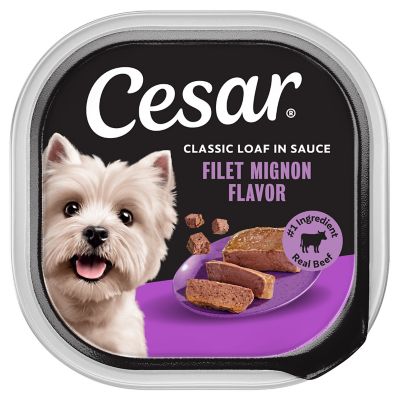
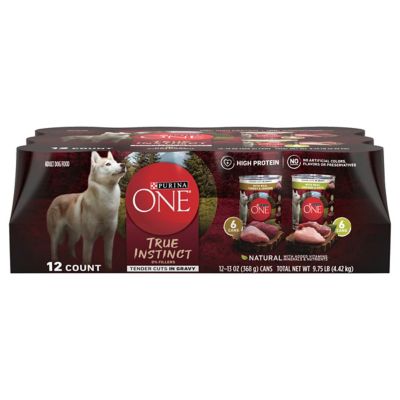
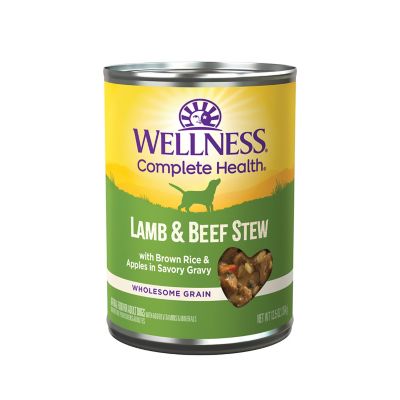
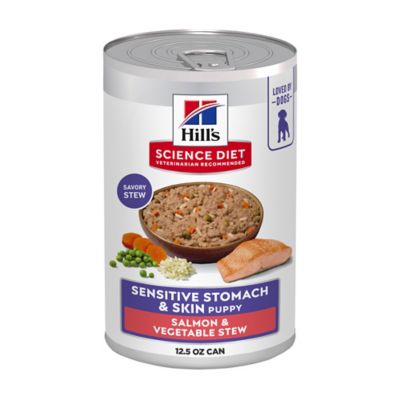
Beef-flavored dog food brings a familiar, savory taste to everyday meals, whether the dog at your feet spends the day checking fence lines or keeping watch from the porch. The category includes dry kibble, wet food and softer textures, with recipes intended for different ages, body sizes and activity levels. Beef flavor describes the taste of a food, but it does not, by itself, tell you how much beef the recipe contains or whether beef is the main protein source. The ingredient list gives a clearer picture of what goes into the bowl. Beef, beef meal, other animal proteins and flavoring ingredients can appear in different combinations, so the front of the package is only part of the story. Beef meal is a rendered ingredient with much of its moisture removed; it is not the same thing as a flavoring. Ingredients are listed by weight before processing, which also means fresh meat and concentrated meals are not direct, pound-for-pound comparisons. For shoppers looking specifically for recipes that contain beef rather than choosing by flavor alone,
Dog Food With Real Beef offers a related place to explore. Taste matters when a dog settles in at the feed bowl, but everyday nutrition depends on the full recipe. Protein supplies amino acids that help maintain muscle, fat provides energy and essential fatty acids, and vitamins and minerals support normal body functions. A nutritional adequacy statement indicating that the food is complete and balanced for the appropriate life stage helps distinguish a daily diet from a topper or supplemental food. Look for the life stage named in that statement and a reference to Association of American Feed Control Officials, or AAFCO, nutrient profiles or feeding tests. AAFCO does not approve individual foods. A beef-flavored meal can fit a regular feeding routine when its nutritional purpose matches the dog eating it, not simply because the flavor sounds appealing.
Texture and format make a difference in how beef-flavored dog food fits life around the house, barn and yard. Dry dog food is straightforward to measure into regular meals, and its lower moisture content makes proper storage especially important after the bag is opened. Kibble shape and size vary, so a small dog with a narrow mouth may handle a different bite than a broad-jawed adult. Crunch alone should not be taken as proof that a food cleans teeth; dental benefits require more than a firm texture. Wet beef-flavored dog food has a higher moisture content and can offer a softer bite for dogs that prefer it. Tender pieces, minced textures and smooth pâtés each feel different in the mouth, while gravy adds another texture to the meal. Some dogs do well with a combination of wet and dry food, provided the portions account for calories from both. Package directions matter for any food intended to have water added, and moistened kibble needs the same attention to prompt cleanup as other perishable food. Beyond texture, nutritional fit starts with age and expected adult size. Puppies need food suited to growth, and large-breed puppies need a diet appropriate for the growth of large-size dogs. Adult maintenance food serves a different purpose, while senior-labeled recipes can vary in calories, fiber and other nutrients. An older dog slowing down around the homestead does not automatically need the same meal as another senior still eager for long walks. Body condition, chewing comfort and medical needs help shape that choice. Grain-inclusive and grain-free beef-flavored recipes also differ in their ingredients, but neither description alone establishes a better fit. Grains can contribute energy and nutrients, and grain-free does not mean carbohydrate-free. For a dog with suspected food allergies, beef flavor is not a promise of a single-protein recipe. Other animal ingredients may be present, and beef itself can be an allergen. A veterinarian can help sort out recurring itching, digestive trouble or a diet change tied to a health condition.
The right bag size or container format should suit the pace of feeding, not just the space on a pantry shelf. A household with several dogs may go through dry food much faster than one with a small companion, and food needs protection from moisture, heat and pests between meals. Keep dry dog food in its original bag, with the opening secured, inside a clean, covered storage container when practical. The bag preserves the feeding directions, lot information and best-by date, while a cool, dry indoor spot helps protect the contents. A sun-warmed shed or damp feed room is not a good storage location. Wash and fully dry the container between bags rather than pouring fresh food over leftover crumbs and oils. Opened wet food belongs in the refrigerator in a covered container, following the package’s directions for storage and how soon to finish it. Clean bowls and fresh drinking water belong in the daily routine regardless of food format. Serving size deserves the same steady attention. Feeding charts provide a starting point, but calorie needs vary with body size, age, activity and whether a dog is spayed or neutered. Calories per cup or container can differ substantially between recipes, so the same scoop does not always deliver the same meal. A measuring cup or kitchen scale helps keep portions consistent, and treats and toppers count toward the daily total. During cooler weather, a dog spending long, active stretches outdoors may have different energy needs than a house dog taking shorter walks; changes should follow body condition and veterinary advice rather than the season alone. When moving to a different beef-flavored food, a gradual transition over about seven to ten days often helps dogs adjust, unless a veterinarian recommends another approach. Mixing increasing amounts of the new food into the previous diet gives the change a gentler pace. For everyday feeding, the best fit comes down to a meal the dog enjoys, nutrition suited to its needs and a routine that stays manageable from the first morning chores to the last trip outside.