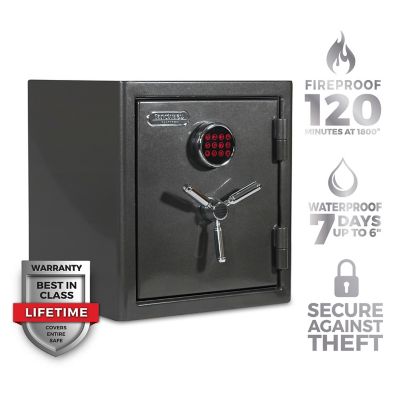
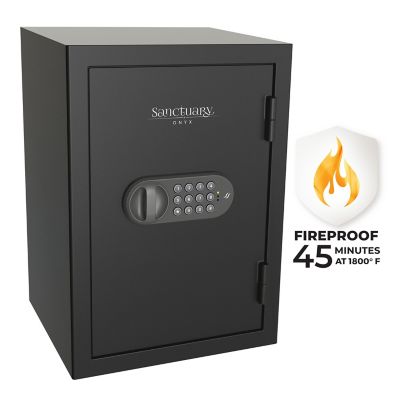
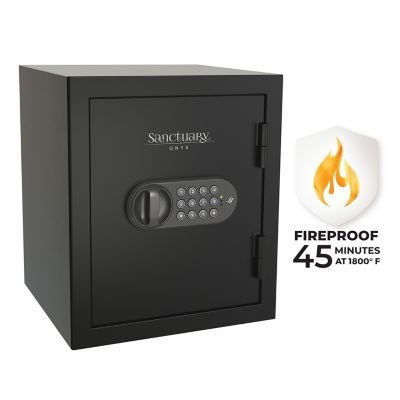
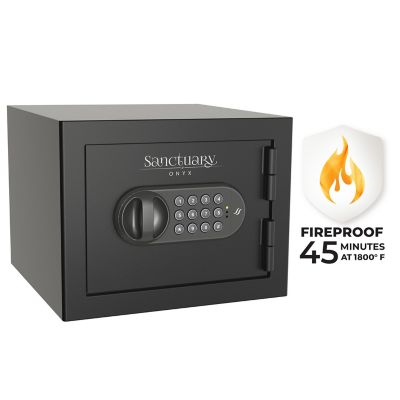
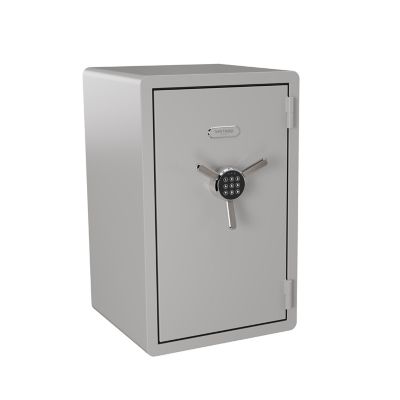
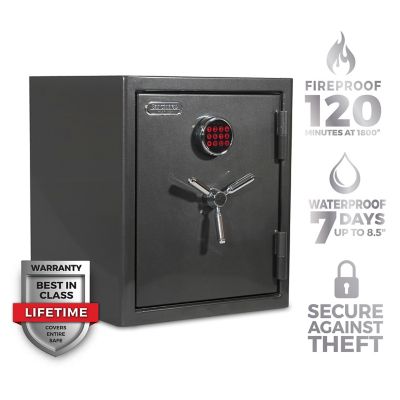
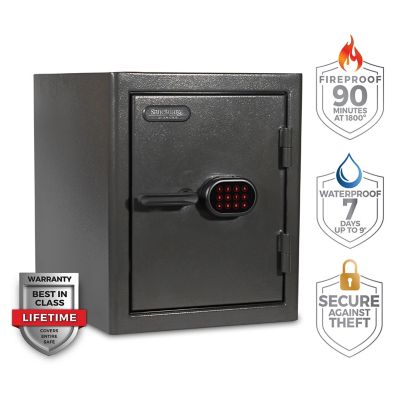
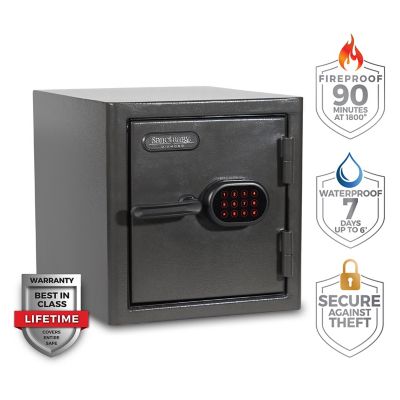
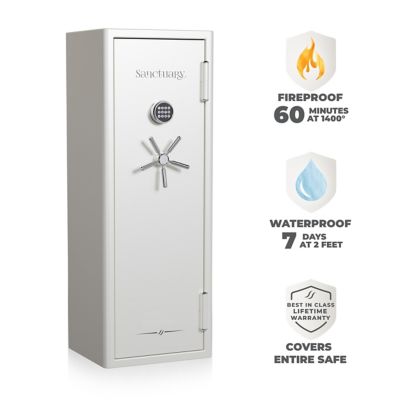
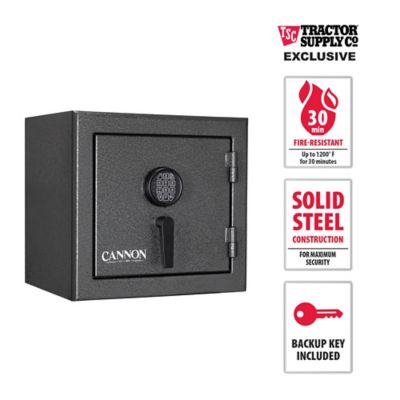
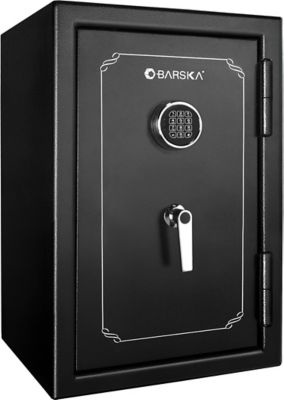
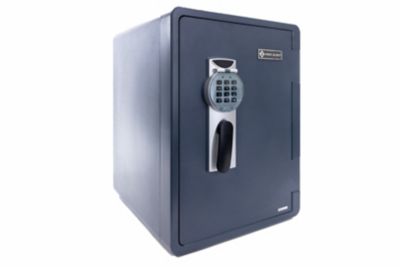
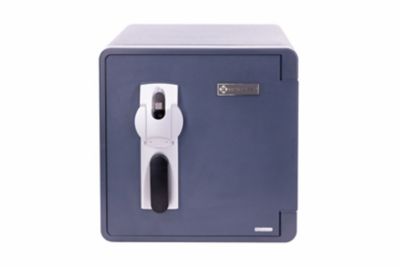
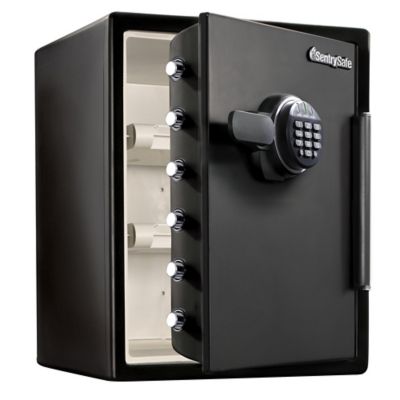
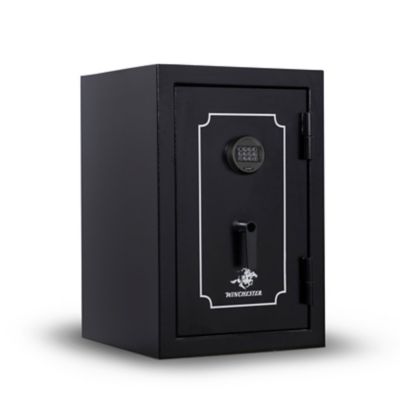
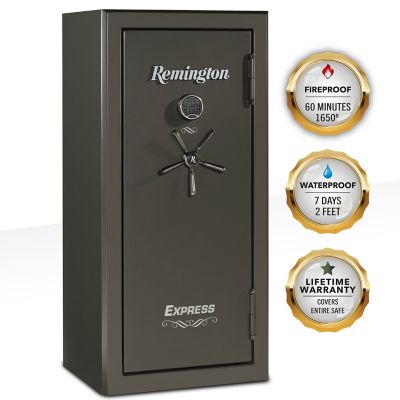
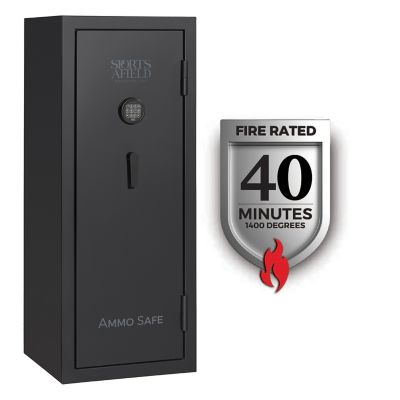
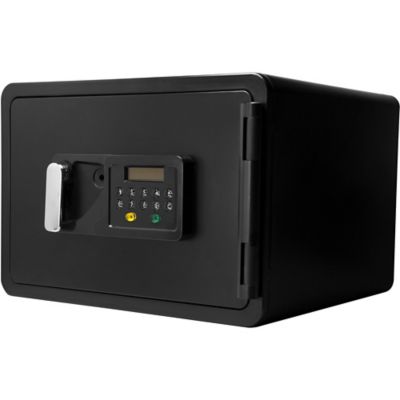
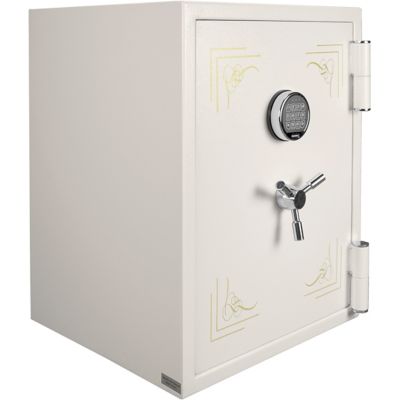
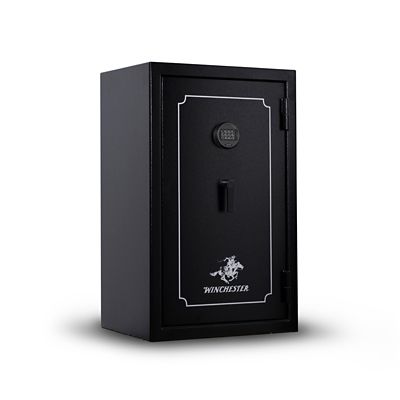
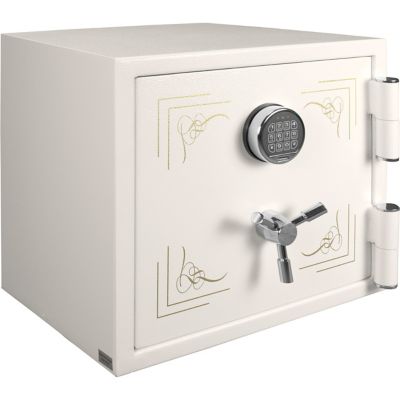
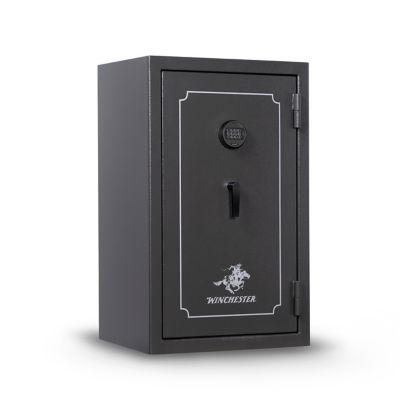
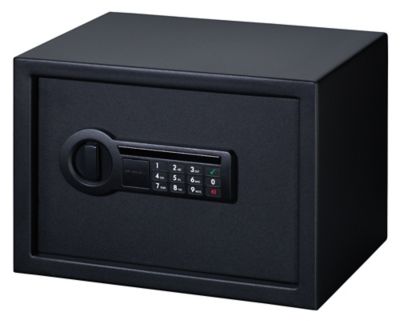
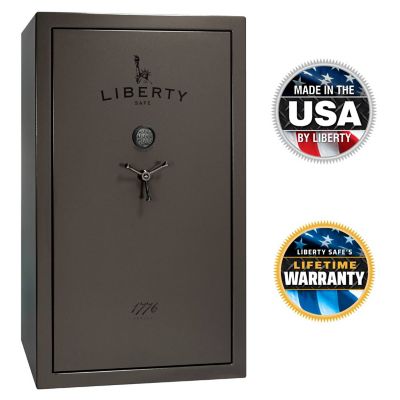
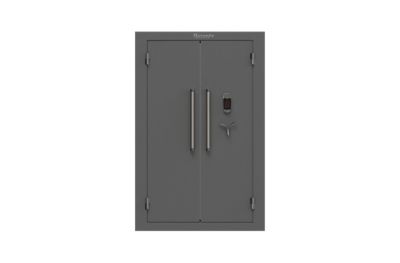
A fireproof safe for home gives important papers and small valuables a protected place to wait out a house fire, burst pipe, storm, or other unexpected trouble. In everyday use, it may hold birth certificates, Social Security cards, passports, property records, insurance paperwork, vehicle titles, wills, cash, spare keys, and family keepsakes that would be difficult or impossible to replace. Some models are also designed for digital media, such as USB drives, memory cards, external hard drives, and backup files. A kitchen drawer or closet shelf may seem handy, but ordinary furniture and lockboxes can offer little protection from the intense heat and water used during a fire. A home fireproof safe is built to help keep its contents below damaging temperatures for a tested period, while its heavy construction and secure lock help protect against casual theft. When comparing options, look for clear fire-resistance information from a recognized testing organization, including the length of time and temperature rating shown in the certification. A rating for paper documents is not always the same as a rating for digital media, which can require a lower interior temperature. Water resistance is another useful feature, since sprinkler systems, fire hoses, and roof leaks can leave paperwork soaked even when flames never reach the safe. Certification details matter more than a broad “fireproof” label, so read the product specifications carefully and match the protection to what you plan to store. For a convenient place to compare styles and features, browse
Top Rated Safes before settling on the best fit for your home.
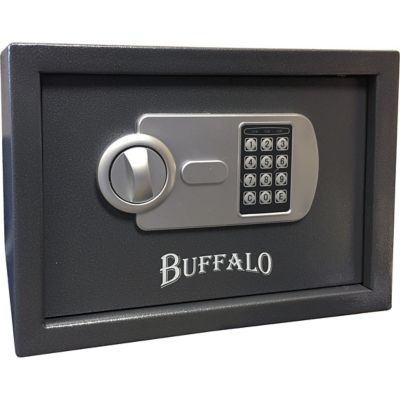
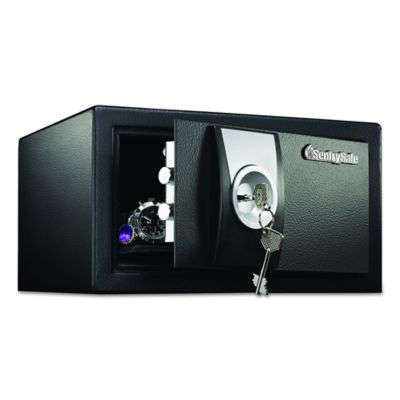
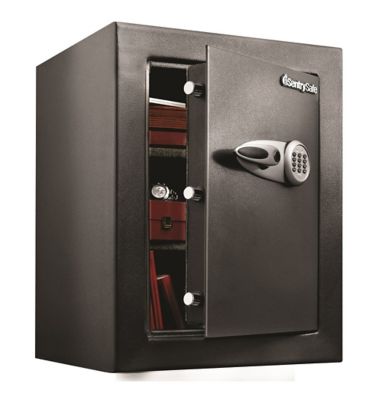
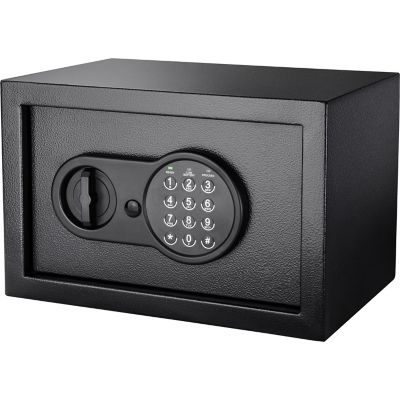
Size and placement deserve just as much thought as fire protection. Compact fire-resistant chests can be a good choice for a handful of passports, folded certificates, emergency cash, or a small stack of family photos. They are often easy to move, which works well for renters, dorm rooms, home offices, and households that need basic document protection without taking up much room. A larger document safe gives folders and binders more breathing space and may be a better match for a farmhouse, workshop, or busy family home where records tend to pile up over time. Measure the shelf, cabinet, closet, or floor space before buying, and leave enough room to open the door fully and operate the lock without bumping into stored items. Remember that a safe’s outside measurements determine where it will fit, while the inside dimensions tell you what it can actually hold. Electronic keypads offer quick access and may include low-battery warnings or backup entry features, while dial combinations do not rely on batteries and have a familiar, old-school feel. Biometric locks can make access fast for approved users, though every electronic or fingerprint system should be backed up according to the maker’s instructions. A traditional key lock may be simple to operate, but the key needs to be stored somewhere secure and separate from the safe. If theft is a concern, consider a model with a bolt-down option and install it into a suitable floor or wall structure using the included hardware and directions. Anchoring can make it much harder for someone to carry the safe away, especially with portable chests and smaller boxes. Keep the safe in a dry, accessible location away from regular heat sources, and avoid hiding it so well that family members cannot reach vital documents during an emergency.
Think through who needs access and how often the safe will be used before choosing the lock and capacity. One household may open it only a few times a year for tax records or travel documents, while another may use it regularly for cash, business receipts, farm paperwork, or emergency information. Label folders inside so a loved one can find insurance details, medical records, or property documents without emptying the entire safe onto the floor. Keep an up-to-date inventory of what is stored, and check batteries, seals, hinges, and locking parts from time to time. It is also smart to make secure digital copies of irreplaceable records and store those backups separately; a safe adds protection, but no single storage method covers every kind of loss. Fire-resistant safes can make thoughtful gifts for newlyweds, first-time homeowners, parents setting up a nursery, older relatives organizing estate papers, or anyone moving into a new place. They are practical housewarming gifts with a purpose that lasts well beyond the first season in a home. During the warmer months, a safe can provide extra peace of mind when storms, outdoor work, and travel leave a house unattended, and during the cooler months it gives families a dependable spot for documents before the busy stretch of gatherings and home projects. Choose a capacity that leaves a little room for future paperwork, make sure the protection level suits the contents, and select a lock style that the people using it can operate confidently. With the right fit and a sensible storage routine, a fireproof home safe becomes a quiet part of household preparedness—easy to overlook on ordinary days, but valuable when important papers and personal keepsakes need an extra layer of protection.