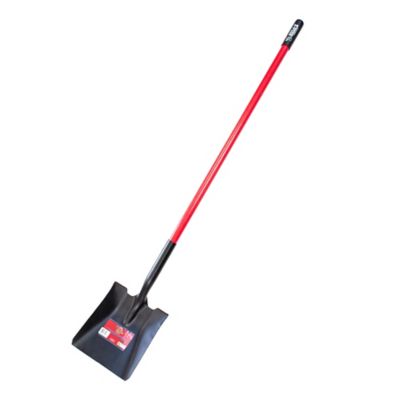
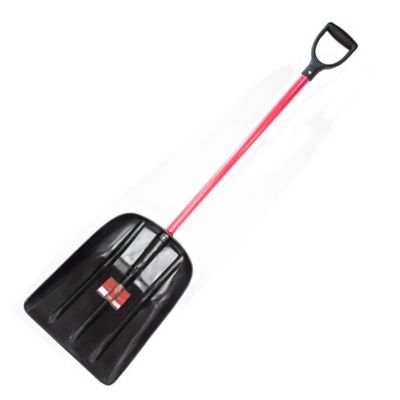
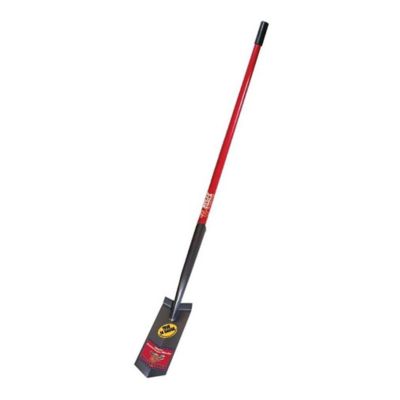
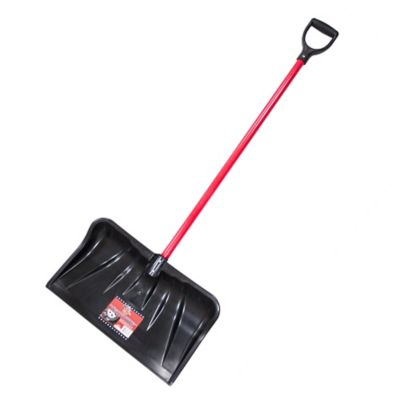
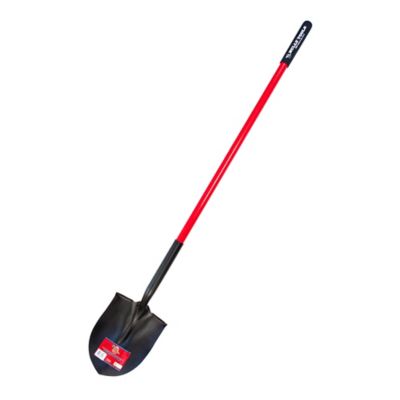
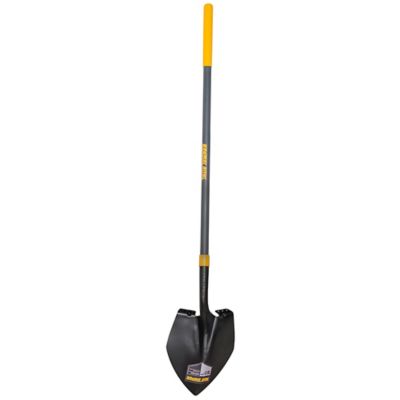
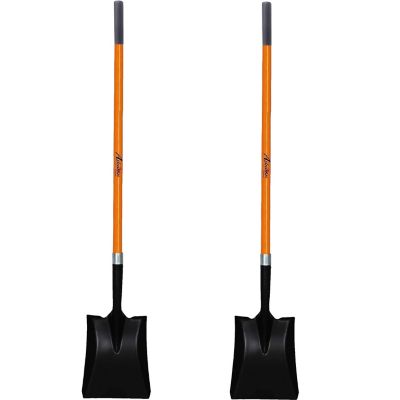
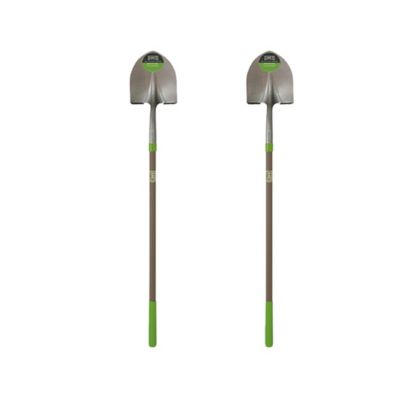
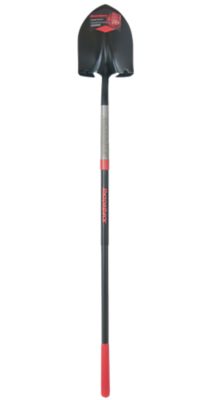
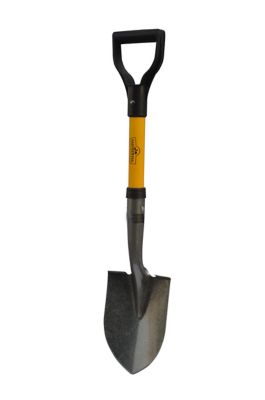
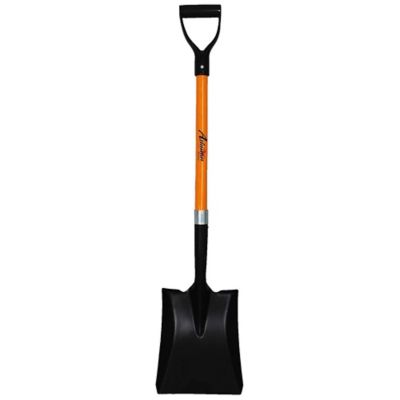
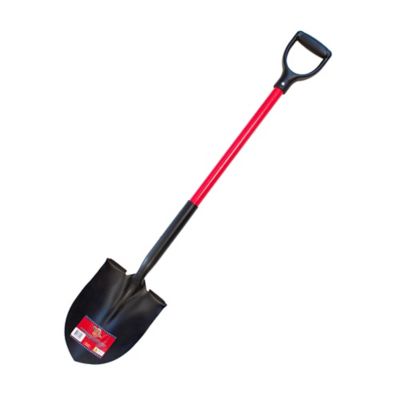
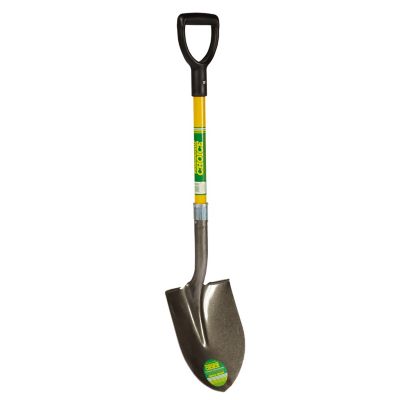
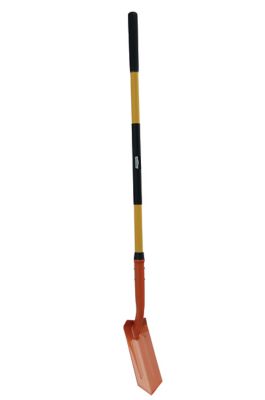
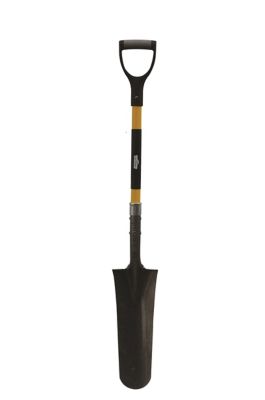
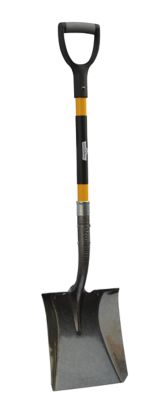
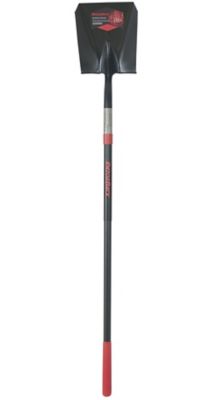
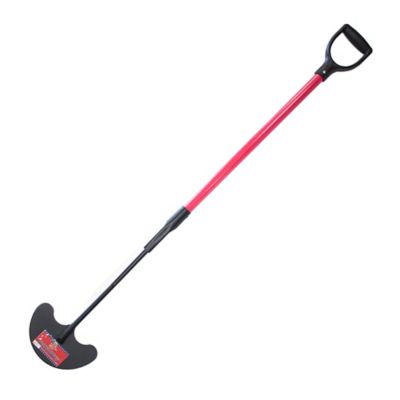
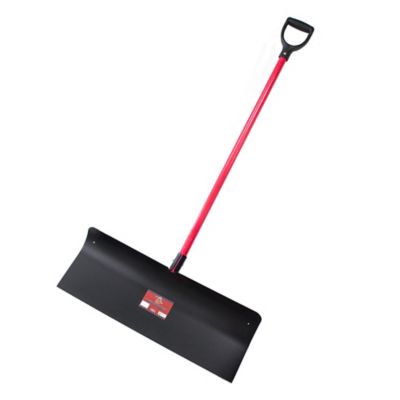
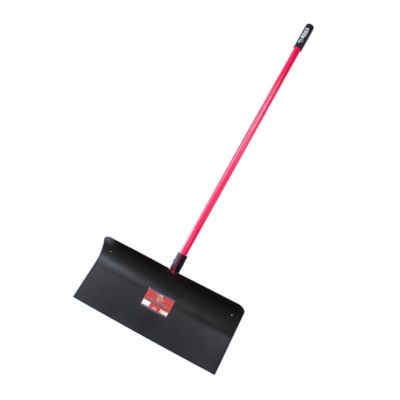
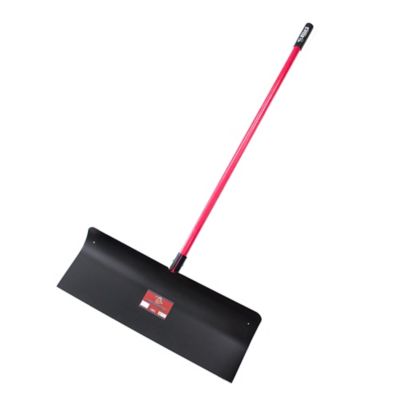
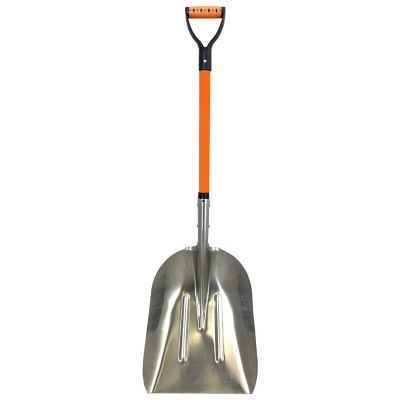
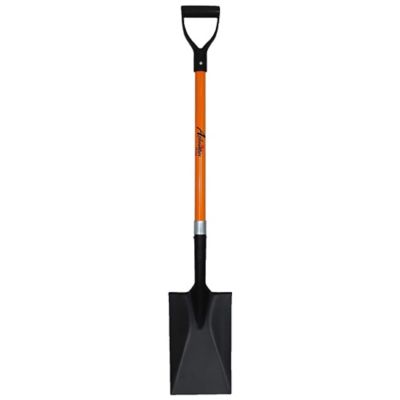
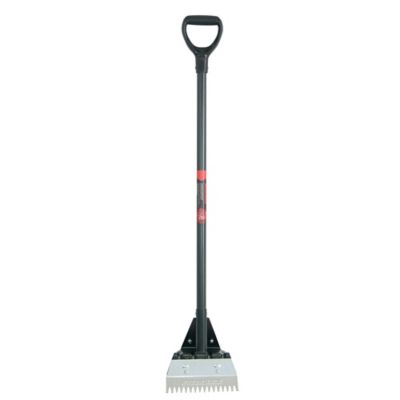
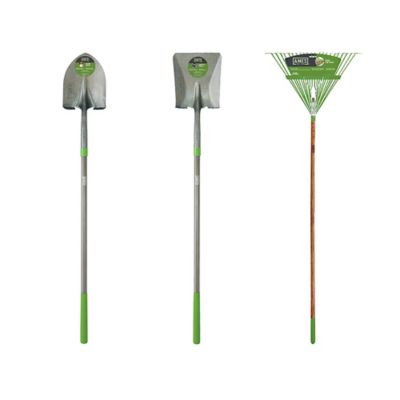
Fiberglass shovels earn their place in the shed by handling the everyday digging, lifting and cleanup that come with keeping a yard, garden or small acreage in shape. The name generally refers to the handle rather than the blade: a fiberglass shaft pairs with a metal working end, bringing together a handle that resists moisture and rot with a blade built to get into the ground. That combination suits everything from opening planting holes along a fence to moving loose soil beside a barn. Fiberglass handles do not have the grain of wooden handles, and their construction can offer a balance of strength and manageable weight. The feel still varies with the thickness of the shaft, the length of the handle and the weight of the head. A shovel that feels comfortable for a few scoops of compost may feel quite different after an afternoon of turning over a neglected bed. Blade shape makes just as much difference. Round-point shovels concentrate force at the tip, helping break into soil and start holes for shrubs or other plantings. Square-point blades suit scooping loose material, gathering soil from a flat surface and tidying the bottom of an already loosened area. Narrower digging blades can fit confined spaces where a broad head would be awkward, while wider blades carry more loose material with each load. Across these shapes, fiberglass shovels serve gardeners, homeowners, grounds crews and folks tending livestock properties, with different designs suited to different chores. During the cooler months, those chores might include moving finished compost, refreshing mulch around established plantings or clearing loose dirt from a drainage channel before wet weather settles in. A shovel is also a practical gift for someone settling into a place with a garden or taking on more outdoor work, especially when its size and shape match the jobs already waiting by the back gate. It is the sort of tool that can stay close at hand through several seasons of work.
The details where the handle, blade and hands meet have a lot to do with how a fiberglass shovel works through a full load. Steel is a common blade material, and blade thickness, shaping and reinforcement all contribute to how well the head holds its form under normal digging pressure. A protective finish can help limit surface corrosion, though contact with gravel and gritty soil gradually wears that finish away. The socket, collar or other connection between the head and shaft deserves attention because this joint transfers force from the handle into the blade. A secure connection should not shift or rattle during ordinary work. At the top end, a straight handle provides room to change hand positions, while a D-shaped grip gives the upper hand a defined hold for lifting and directing a load. Grip size matters with work gloves on; cramped finger space can become bothersome long before the chore is finished. Cushioned sections can make the shaft more comfortable to hold, but texture and grip shape matter too, particularly when hands are damp. Handle length is another part of fit rather than a simple matter of longer being better. A longer shaft can provide reach and leverage for digging in an open bed, while a shorter shovel may be easier to maneuver near raised beds, along a foundation or inside a tight storage space. Overall weight should make sense for both the person and the material. Damp clay packs heavily onto a blade, and a large scoop of wet soil can turn a manageable tool into an awkward lift. Broad foot steps along the top of a digging blade give a boot somewhere to press, spreading contact more comfortably than a narrow edge. For a gardener working through firm ground, those small construction details can matter as much as the shape of the point. Balance, grip clearance and blade size together help distinguish a shovel suited to occasional planting from one that feels right for repeated digging around a property.
Fiberglass handles stand up well to damp conditions, but the whole shovel still benefits from a little attention between chores. Soil left packed around the socket holds moisture against metal, and fertilizer residue can encourage corrosion. Knocking off loose dirt, rinsing away stubborn buildup when needed and letting the tool dry before storage help keep those trouble spots in check. A light protective oil on exposed steel, applied according to the maker’s care directions, can help reduce rust during stretches between jobs. Covered storage also shields the shaft from prolonged sun exposure, which can weather its outer surface over time. Fiberglass does not rot like wood, but it can crack, split or develop exposed fibers after damage or hard wear. A roughened shaft, a loose head or a bent blade calls for attention before the next load goes up. These shovels belong in digging and material-moving work, not in place of a pry bar for levering out large rocks or stubborn stumps. Rocky ground, roots and hard-packed soil may call for another tool to loosen the area before the shovel carries material away. Fiberglass handles also should not be treated as protection against electricity; ordinary garden tools are not a substitute for equipment specifically rated for electrical work. Around buried lines, arranging for utility marking before digging remains part of preparing the job. For properties with several kinds of ground work, fiberglass shovels fit naturally alongside
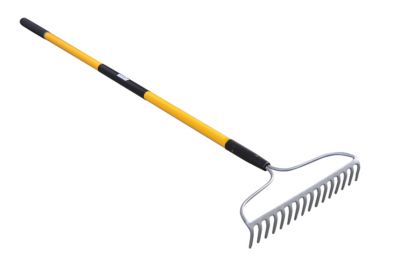
Fiberglass Gardening Tools that handle raking, cultivating and other planting chores. A sensible mix lets each tool do the work its head and handle were built to handle, whether that means loosening a compacted patch beside the driveway or spreading material after the shovel has moved it. With a blade matched to the ground, a handle that fits the person and a dry place to rest between tasks, a fiberglass shovel can become a familiar part of caring for the land around home, from the first scoop beside a new planting to the last bit of cleanup before putting the tools away.