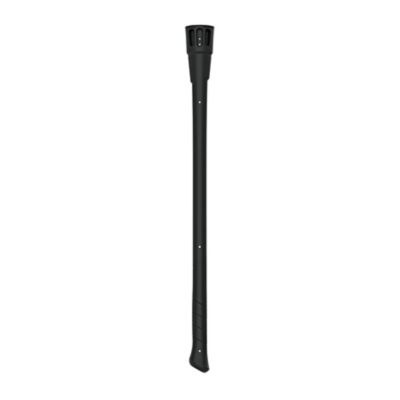
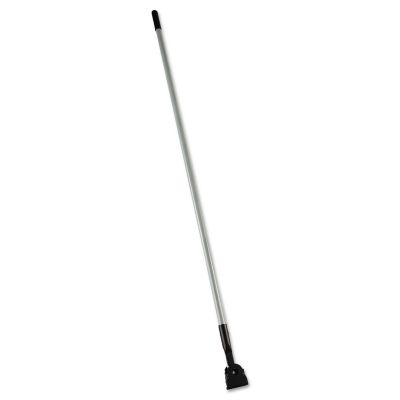
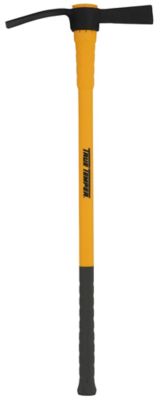
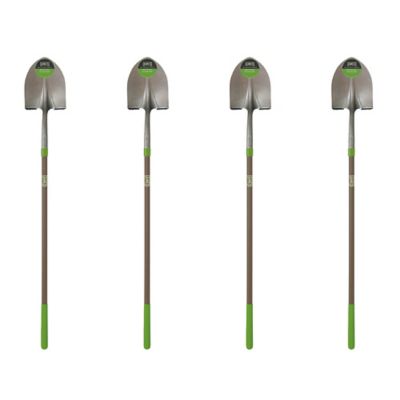
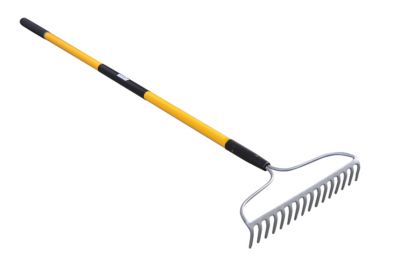
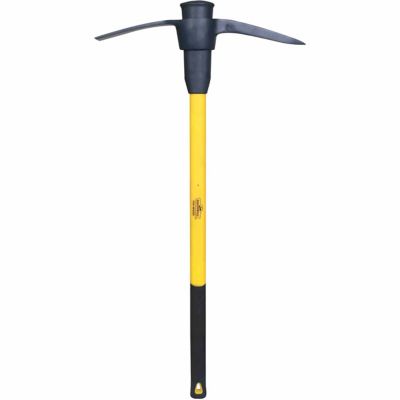
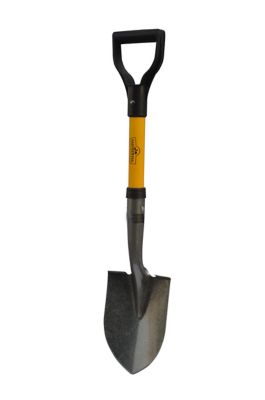
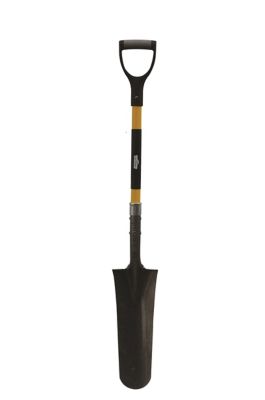
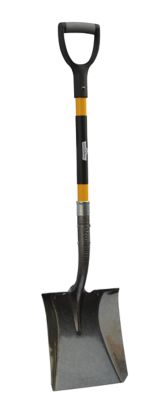
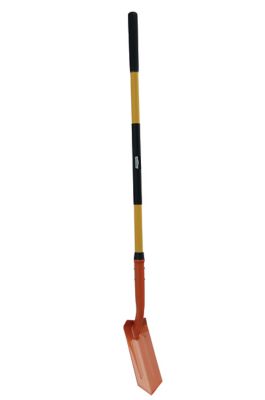
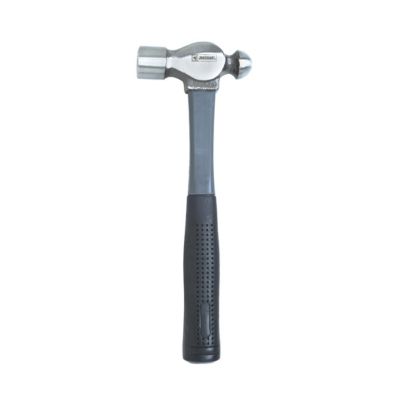
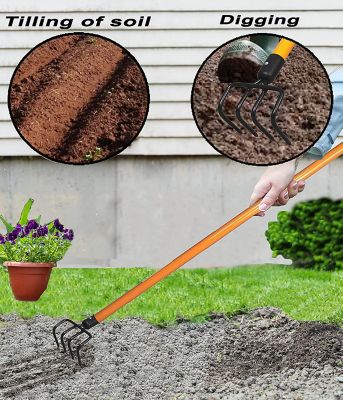
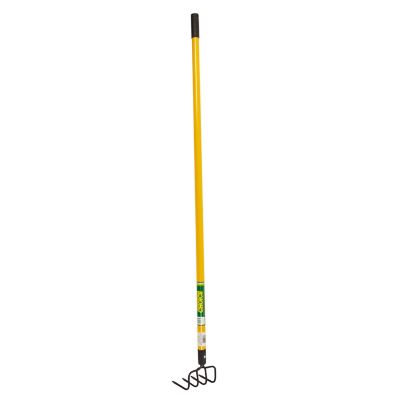
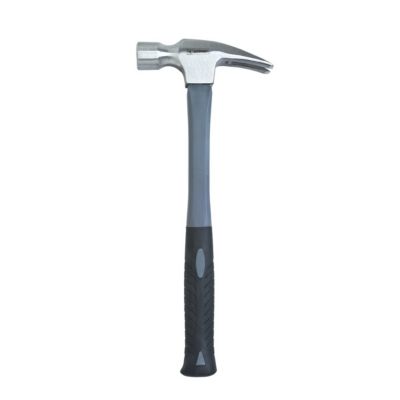
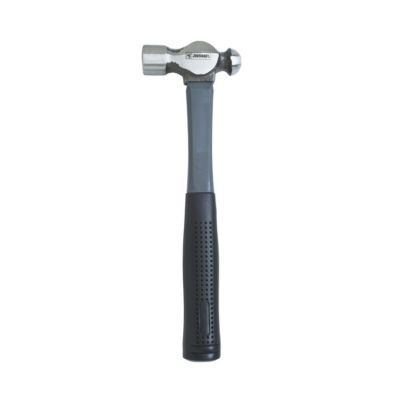
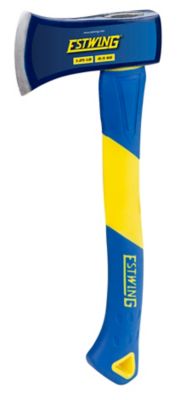
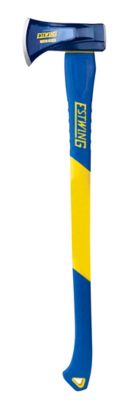
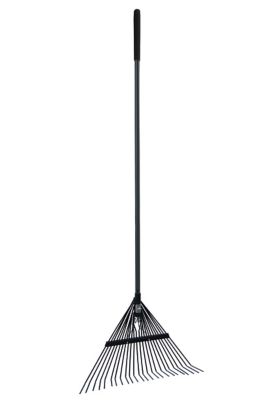
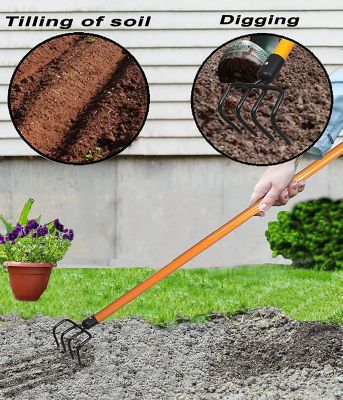
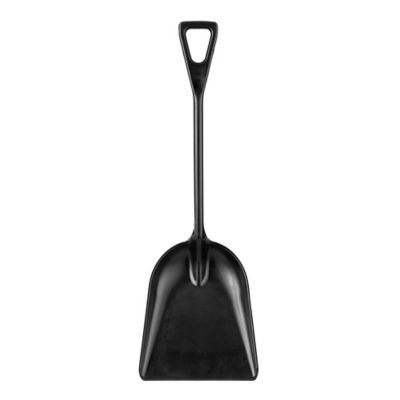
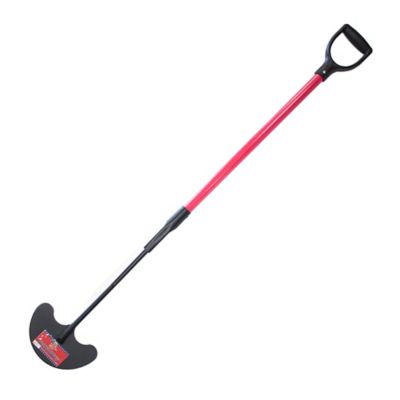
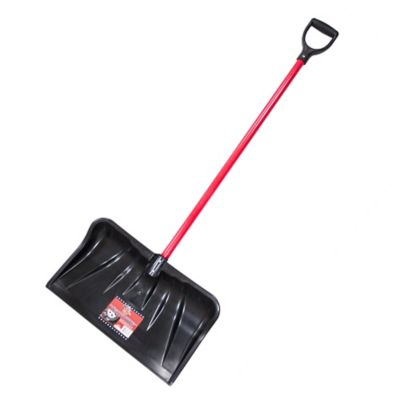
Fiberglass handles are a dependable choice for farm work, property maintenance, gardening, and everyday jobs around the house. Made with glass fibers set in a strong resin, these handles offer a useful balance of strength and lighter weight, making long work sessions easier on the hands and shoulders than many traditional materials. They are commonly used with striking tools such as sledgehammers, axes, splitting mauls, and pick mattocks, as well as long-reach tools including shovels, hoes, brooms, rakes, and maintenance brushes. A fiberglass replacement handle can give a well-loved tool more working life when the original handle is worn, loose, or damaged, while a complete handle-and-tool setup can be a smart addition to a new homeowner’s shed, a busy farm truck, or a household cleanup kit. Fiberglass will not rot, swell, or shrink when exposed to rain, damp soil, or changing humidity, which is especially helpful for tools that spend part of the day outdoors or get put away before they are completely dry. Quality handles also resist oil, grease, and many common jobsite chemicals, though they should still be wiped clean and checked regularly. During the cooler months, a sturdy handle is handy for splitting firewood, clearing fallen branches, breaking up compacted soil, moving mulch, or sweeping mud and leaves from a barn entrance. Around a rural property, the right handle may be used before breakfast to repair a gate, later in the afternoon to work a garden bed, and again at dusk to tidy up the equipment area. Fiberglass handles also make practical gifts for new landowners, gardeners, hunters, do-it-yourselfers, and anyone who takes pride in keeping a dependable set of tools close at hand. They are useful gifts because they solve a real problem without taking up much storage space, and a replacement handle can help preserve a tool that already fits the user’s grip and working style.
When choosing fiberglass handles, start with the tool and the job rather than the handle length alone. Replacement handles for striking tools need to match the head’s eye size, shape, and intended use, while a handle for a shovel, broom, or brush needs the correct thread, taper, socket, or connection style. A handle that looks close but does not seat properly can wobble, affect balance, or become unsafe under force. Measure the old handle and compare its overall length, diameter, eye dimensions, and connection details with the replacement information. For long-reach tools, consider both working height and storage space. A longer handle can help you reach brush, gutters, stalls, or garden beds without bending as much, but a shorter option may provide better control in tight spaces, raised beds, trailers, and crowded tool sheds. Grip shape matters, too. A surface that feels secure with gloves can make a big difference when handling wet soil, cold-weather gear, or rough materials. Look for a handle with a comfortable grip area and enough texture to help reduce slipping without creating hot spots in the palm. Fiberglass is often chosen for its high strength-to-weight ratio, but it is not indestructible. Avoid using a handle as a pry bar unless it is specifically designed for that purpose, and do not strike one fiberglass handle against another. Before each use, look for deep cuts, splinters, exposed fibers, crushed areas, loose heads, or unusual bending. Surface fuzzing or small wear marks deserve attention, particularly on tools used hard and often. Store tools off wet ground and away from direct sunlight when possible, and keep them where they will not be run over, dropped from a loft, or crushed beneath heavy equipment. Good storage costs nothing and can add years to a handle’s useful life. For garden and yard chores that call for a lighter touch, browse
Fiberglass Gardening Tools for options suited to digging, cultivating, sweeping, and general outdoor maintenance.
Installation details depend on the type of tool, so take time to make a secure connection instead of rushing the job. A striking-tool replacement may require a specialized two-part epoxy kit or another method recommended for that handle and head. Clean the tool head and handle surfaces, remove dirt and old material, and make sure the parts are dry before assembly. Follow the adhesive directions closely, including the mixing ratio, working time, curing time, and temperature range. A head that feels tight before the adhesive has cured is not ready for heavy use. Never rely on loose wedges, makeshift fasteners, or a head that only appears to fit. After installation, inspect the connection before the first job and continue checking it as the tool is used. For threaded handles, tighten the attachment fully and periodically check it after vibration or repeated swinging. The same practical care applies to long-handled tools: keep threads clean, avoid forcing a cross-threaded connection, and replace worn hardware rather than working around a loose fit. Fiberglass handles are a solid option for muddy chores, dusty barns, woodpiles, fence rows, driveways, and garden plots because they handle moisture and changing conditions better than many wood handles, but proper fit and sensible use still matter most. Whether you are replacing a tired handle on a favorite tool, outfitting a new shed, or putting together a useful present for someone who spends weekends working outdoors, compare the handle’s length, connection, grip, and intended application before ordering. The best choice will feel balanced in the hands, stand up to the work at hand, and be ready when the next chore comes calling.