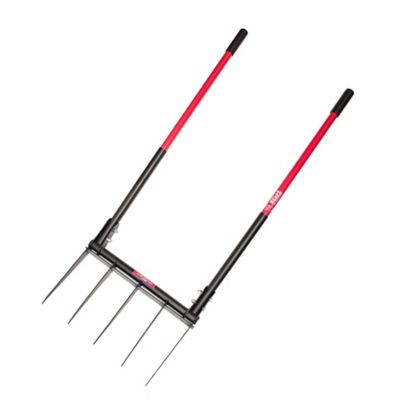
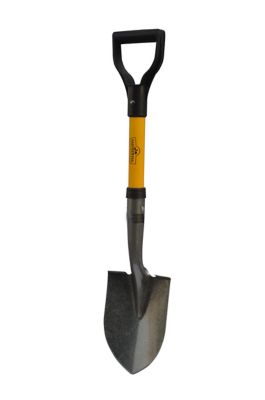
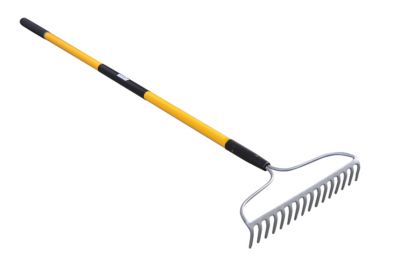
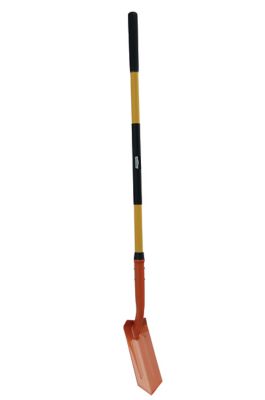
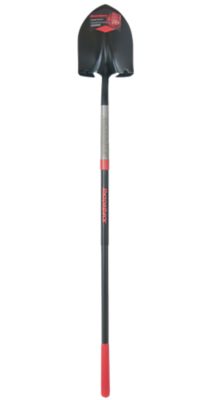
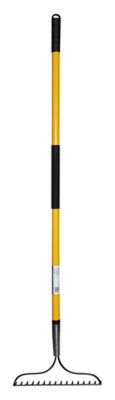
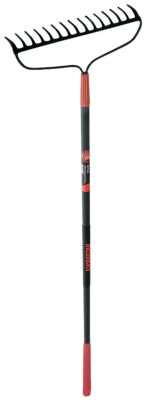
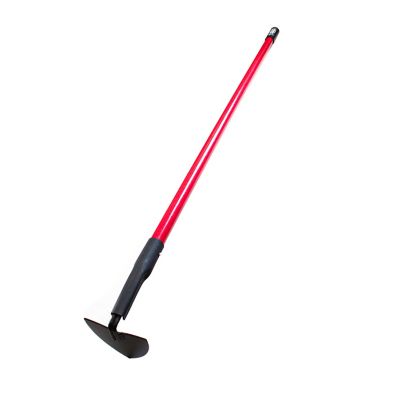
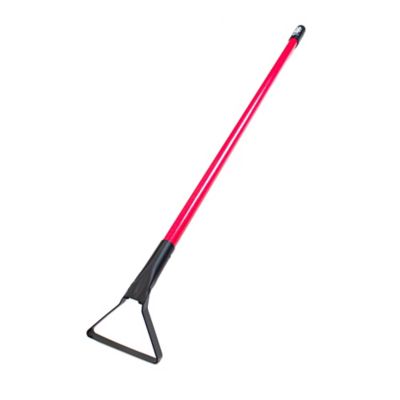
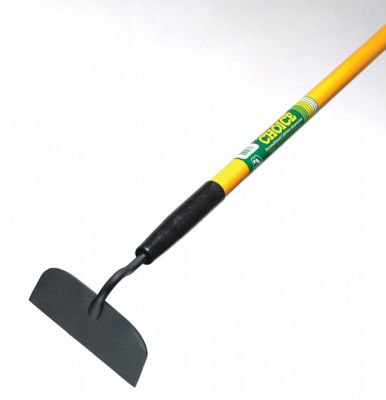
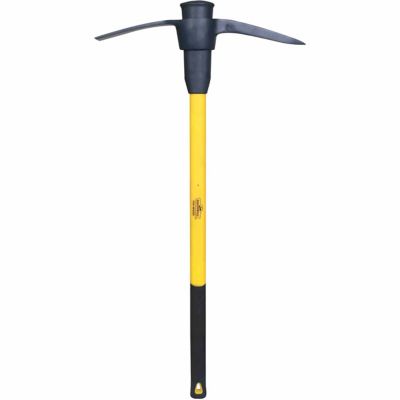
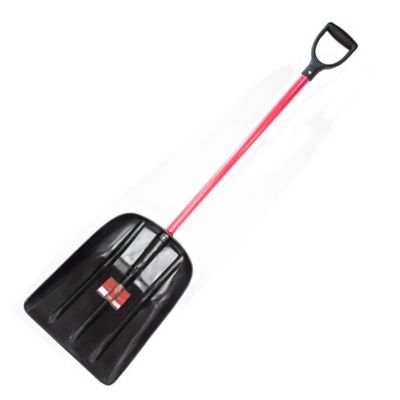
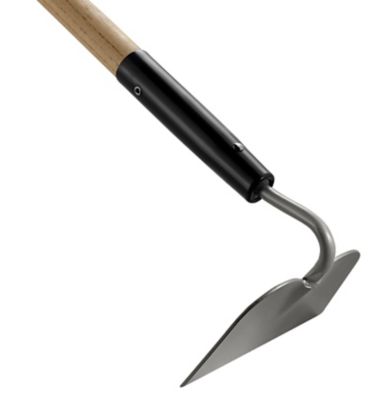
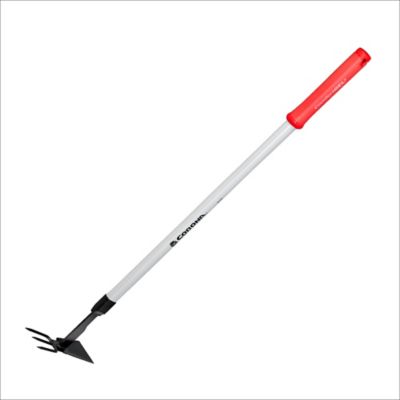
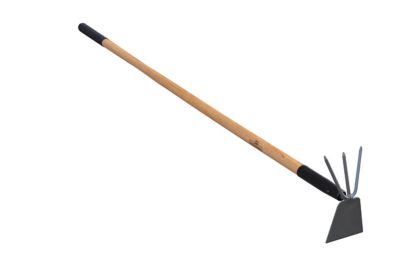
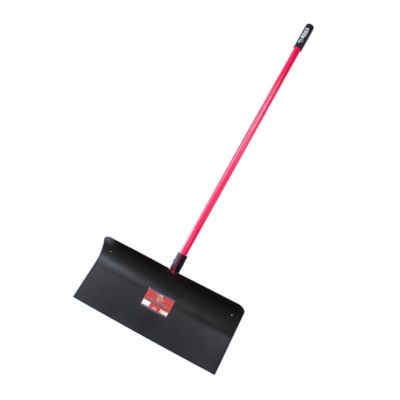
Fiberglass gardening tools generally pair a fiberglass handle with a metal working head, giving gardeners a practical option for digging, loosening soil, moving compost, and keeping planting beds in shape. The fiberglass is usually in the shaft rather than the blade or tines, so both parts matter when comparing tools. Fiberglass handles resist rot and do not absorb moisture the way untreated wood can, while their weight and stiffness depend on the handle’s construction, length, and reinforcement. Some have hollow sections, some include reinforcing cores, and others have cushioned grips where hands do most of the pushing and pulling. A fiberglass handle is not automatically lighter than every wood or steel alternative; the complete tool’s weight and balance tell more about how it will feel through a full stretch of work. That distinction matters when there is a wheelbarrow of compost to spread or a long vegetable row to prepare. A tool that feels manageable for one scoop may feel quite different after repeated lifting. Head shape helps define the job, too. A pointed digging blade enters soil differently from a square blade meant for scooping loose material or making a straight edge. Broad rake heads draw material across a wider area, while narrower heads fit more easily between established plants. Hoes and cultivating tools offer different blade angles and tine arrangements for cutting shallow weeds or breaking up the soil surface. For a backyard gardener, someone tending a community plot, or a landowner keeping beds around the farmhouse in order, the appeal is straightforward: a handle material that resists rot, paired with a working end suited to the chore. Fiberglass-handled gardening tools can also make a thoughtful gift for someone setting up a vegetable patch, especially when the tool matches a task they already enjoy and a size they can handle comfortably.
Fit makes a real difference with long-handled garden tools, particularly when the work involves repeated bending, lifting, or pulling. A longer shaft can provide reach across a bed and help limit stooping for some tasks, but too much length can become awkward beside a fence or in a tight planting area. A shorter handle offers closer control, though it may require more bending when working at ground level. Straight handles allow different hand positions along the shaft, while D-shaped grips give the upper hand a defined place to hold during lifting and turning. Grip size deserves attention, especially for anyone wearing work gloves or dealing with reduced hand strength. A thick cushioned section may feel comfortable to one gardener and difficult for another to wrap a hand around. Texture, grip placement, and the transition between the grip and shaft all affect how securely the tool sits in the hands. Balance is just as important as overall weight: a heavy head on a light shaft can help with certain digging tasks, but it can also take more effort to reposition. At the working end, steel is common because it can support a cutting edge or hold the shape of a blade or tine under appropriate loads. Head thickness, blade profile, and the connection between head and handle influence how a tool performs in packed soil or loose garden material. Foot steps on a digging blade provide a place to apply pressure with suitable footwear, and their width affects how that pressure feels underfoot. Welds, sockets, rivets, and other fastening methods deserve a look because this junction carries much of the strain. The
Steel Gardening Tools category offers another point of comparison, though the categories can overlap when a steel head is fitted to a fiberglass shaft. Matching the whole tool to the work matters more than choosing by handle material alone.
Care for fiberglass gardening tools centers on keeping the head clean, protecting the handle surface, and checking connections before a small problem interrupts the job. Soil packed into a blade socket or between rake tines adds weight and can hold moisture against metal. Brushing or rinsing away dirt after work, then drying the tool before putting it away, helps limit corrosion on steel parts. Follow the manufacturer’s care directions for any protective coating or oil, particularly on cutting surfaces. Fiberglass does not need the same conditioning as a bare wood handle, but that does not make the entire tool maintenance-free. Deep scratches, cracks, crushed sections, or exposed fibers are signs to stop and assess the handle rather than cover the damage and keep digging. Damaged fiberglass can splinter or leave irritating fibers at the surface. A loose head or shifting grip also calls for attention before the next job. Handle replacement depends on the tool’s design; some assemblies accept replacement parts, while others are bonded or built in a way that makes repair impractical. Checking repair options can be worthwhile for tools expected to see frequent work. Storage on a rack or in a sheltered shed keeps blades out of walkways and helps prevent shafts from being knocked around beneath heavier equipment. Intended use remains the biggest factor in service life. A digging shovel can open a planting hole, but using its handle as a pry bar against a buried rock puts a different kind of stress on the shaft and socket. Likewise, a garden rake meant to level loosened soil is not a substitute for equipment built to break hard ground. Smaller shovel loads, steady pressure, and a head shape suited to the material can make work easier on both the tool and the person holding it. Whether the chore is pulling compost over a raised bed, tidying the edge of a kitchen garden, or loosening a patch for planting, a well-matched fiberglass-handled tool earns its place through comfortable handling, sound construction, and sensible care.