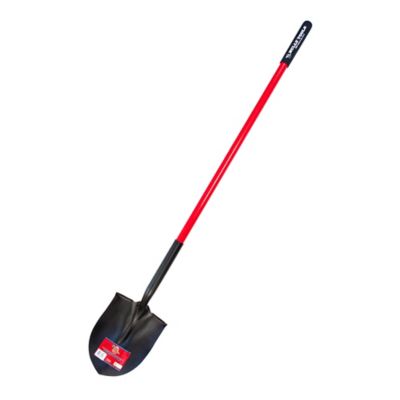
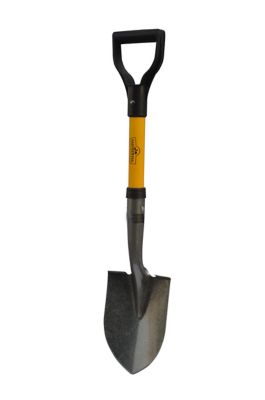
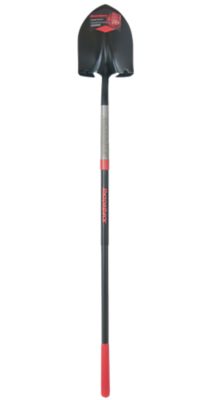
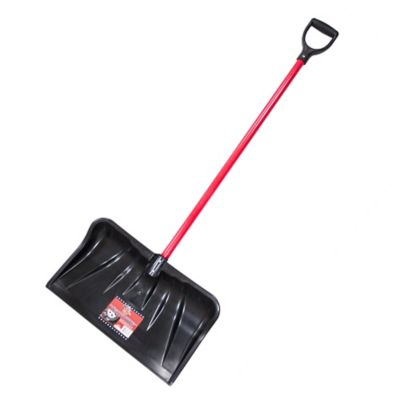
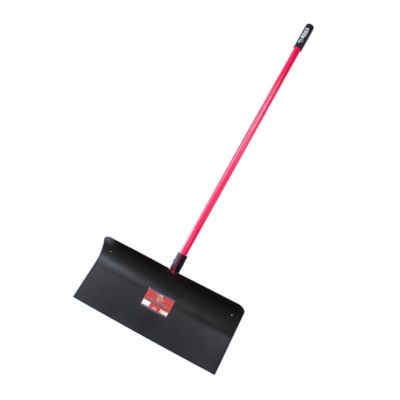
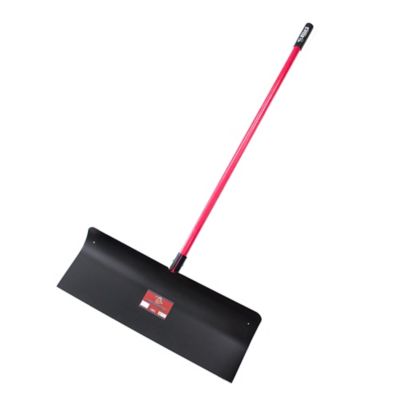
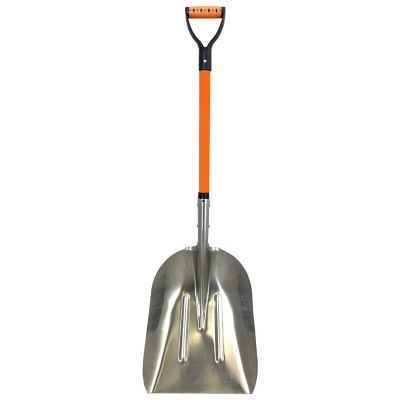
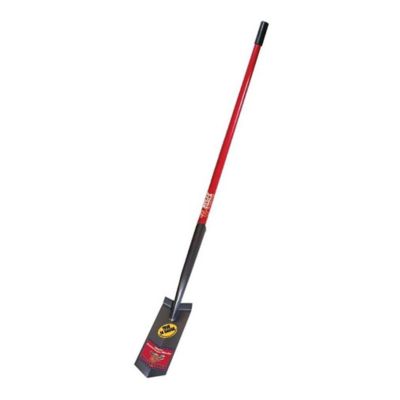
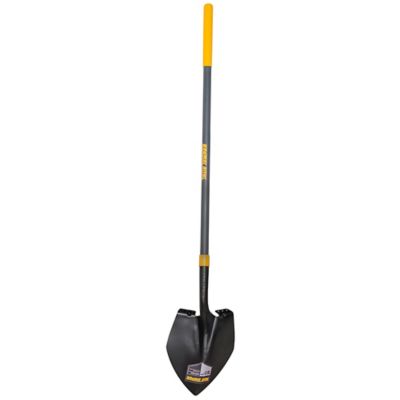
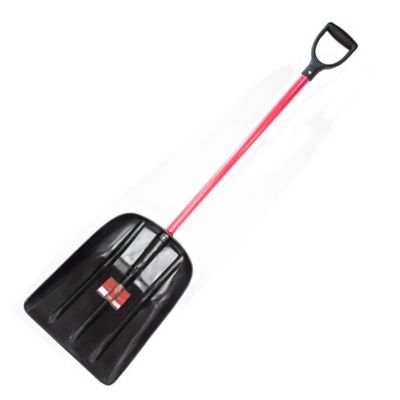
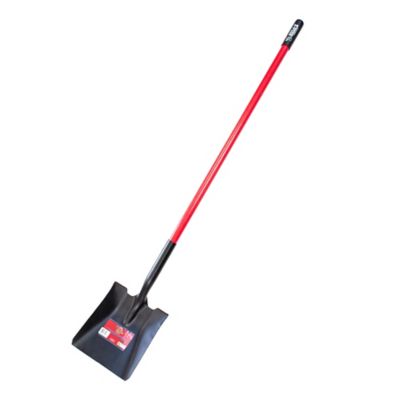
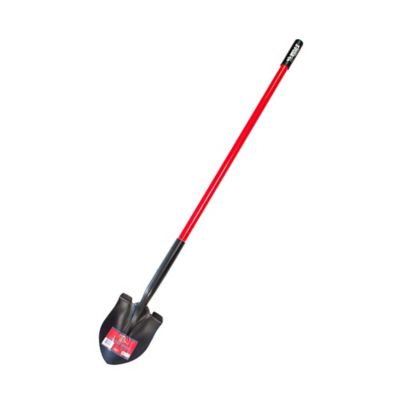
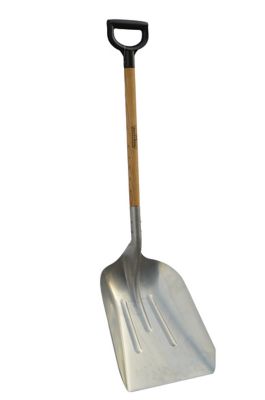
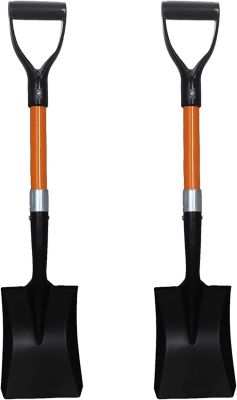
Fiberglass handle shovels pair a reinforced composite shaft with a working blade built for digging, lifting, and moving material around the yard, barn, or jobsite. They suit the everyday work that comes with keeping a place in shape, from opening a planting hole beside the porch to clearing loose soil out of a drainage channel. Fiberglass resists moisture absorption and does not swell or rot like an unprotected wood handle can, making it a practical choice for tools that regularly meet wet ground and muddy gloves. It also resists the grain-related splitting common to wood, though a damaged fiberglass shaft can crack or expose fibers and should come out of service. Overall weight and strength depend on the whole shovel, including the blade, shaft construction, reinforcement, and grip; a fiberglass handle alone does not guarantee a lighter tool. Many digging shovels combine fiberglass with a steel head because steel provides the stiffness and edge strength needed to enter soil. Heat treatment, blade thickness, and the connection between the head and handle all affect how that tool stands up to repeated work. A solid connection matters when a blade meets firm clay or lifts a scoop of damp earth, while a well-balanced design helps keep the head from feeling overly heavy at the end of the shaft. For gardeners, landscapers, farmhands, and homeowners with a stretch of ground to tend, these details make more difference than appearance. Fiberglass handle shovels also make practical gifts for someone setting up a shed or taking on a new garden, especially when the blade style fits the chores already on their list. During the cooler months, those chores might include planting suitable trees and shrubs, tidying beds, or moving loose material before it settles into a wet, heavy pile. The right match starts with the ground and the task, rather than the handle material alone.
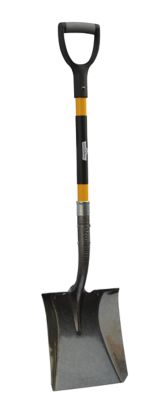
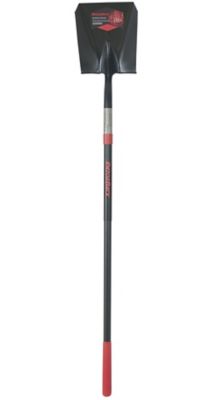
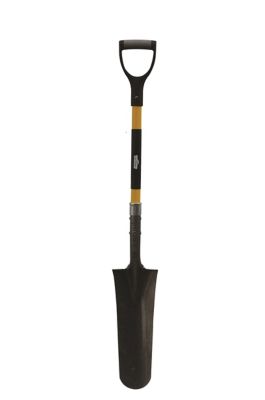
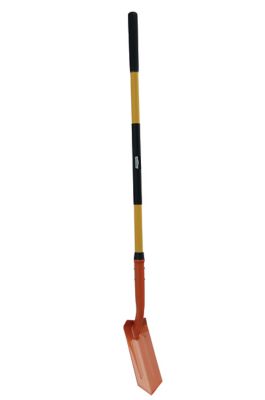
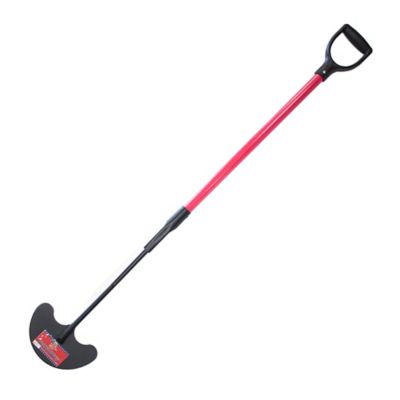
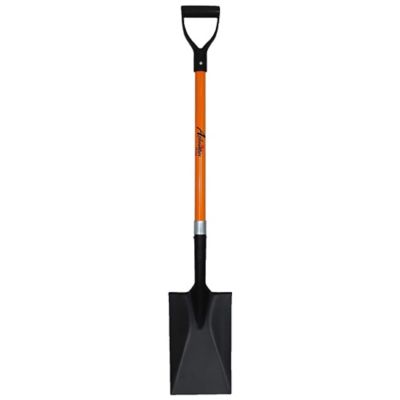
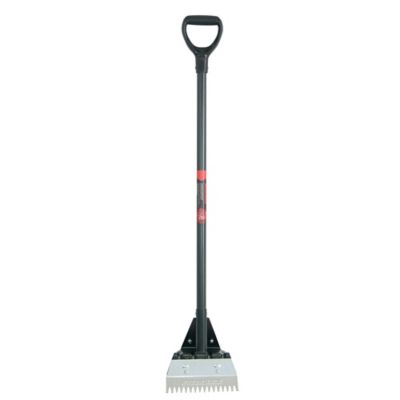
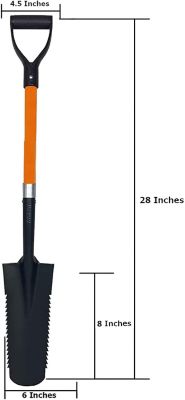
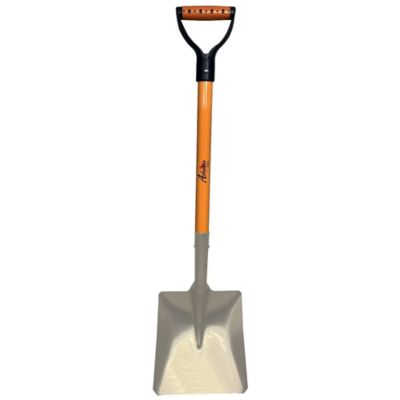
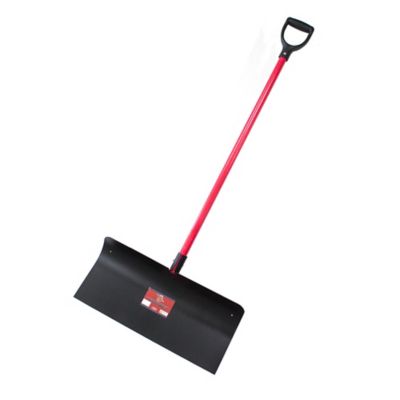
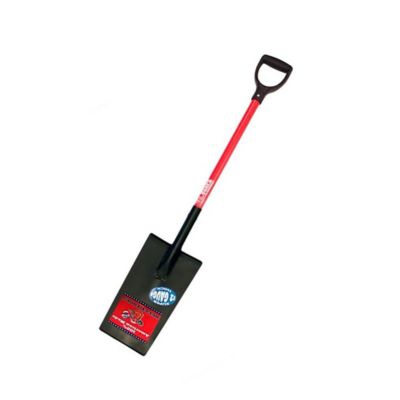
Blade shape separates a digging shovel from a tool better suited to loading and cleanup. A round-point shovel concentrates pressure at its tip, helping it enter soil for planting holes, garden work, and general digging. Its curved blade holds loosened earth as it comes out of the hole, making it handy where the job involves both breaking ground and shifting dirt a short distance. A square-point shovel has a straighter front edge that works well for gathering loose soil, sand, or gravel from a firm surface. Along a barn aisle or the edge of a driveway, that shape can pick up material a pointed blade might leave behind. It is generally less suited to starting a hole in hard, undisturbed ground. Narrow drain spades fit jobs where a broad blade would remove more earth than necessary, such as cleaning a slim channel or working in a confined planting area. Broad scoop shapes favor moving lighter, loose material rather than cutting into packed soil. Blade size matters, too: a wide head carries more per scoop, but wet clay and gravel quickly turn that extra capacity into extra lifting weight. A smaller load can be easier to manage through an afternoon of repeated work. Foot steps along the top of a digging blade provide a place to apply pressure with a boot, and wider steps offer more contact area underfoot. The socket, collar, and fasteners deserve attention alongside the cutting edge because they carry force between the shaft and head. Reinforced connections can support demanding digging, but a shovel is still not a pry bar for buried boulders or stubborn stumps. Rocky ground may call for a digging bar, and large roots are better addressed with a suitable cutting tool. For projects that disturb soil, having underground utilities located before digging is part of getting the job ready. Matching the blade to the material helps the shovel do its share without asking it to take on work meant for another tool.
Handle fit affects how a shovel feels just as much as the blade does. Longer shafts offer reach and can reduce bending during some digging and transfer tasks, while shorter shafts are easier to maneuver near raised beds, inside close quarters, or where storage space is tight. Neither length is best for everyone; the useful fit depends on the person's height, working position, and usual chores. A D-shaped grip gives the upper hand a defined hold for steering the blade and controlling a lift, while a straight handle allows hand placement to shift along the shaft. Grip size and clearance matter with work gloves, especially when cooler weather calls for thicker pairs. Cushioning and textured surfaces can improve comfort and help maintain a hold, but they do not eliminate the jolt of striking hard ground. Fiberglass can feel stiff in the hands, and comfort varies with shaft design, balance, and the material being moved. Keeping loads manageable and turning with the feet instead of twisting under a loaded blade can make repetitive work less taxing. For handle replacement, the broader category of
Fiberglass Handles is relevant, but shaft dimensions, socket shape, and fastening requirements must match the tool manufacturer's specifications. Care between jobs also affects service life. Soil left packed against the steel can hold moisture, so cleaning the blade and letting the shovel dry before storage helps limit rust. A light protective oil on exposed steel, applied according to the manufacturer's directions, can help during longer breaks between chores. Covered storage away from prolonged sunlight protects the shaft's surface, while an occasional check for loose fasteners, cracks, exposed fibers, or movement at the socket can catch trouble before the next load. Fiberglass does not make an ordinary shovel safe around electrical lines. With the right blade, a comfortable handle, and sensible care, a fiberglass handle shovel earns its place among the tools that get regular work done around a property.