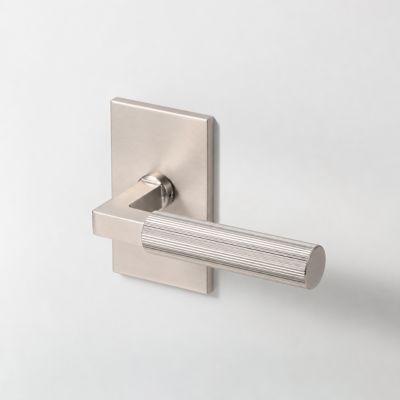
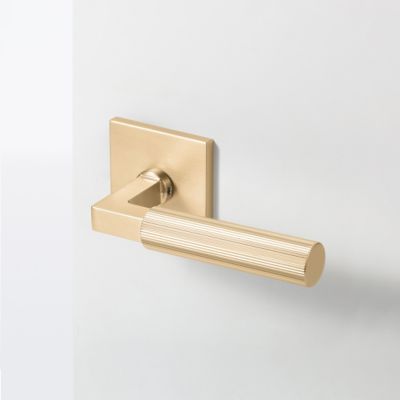
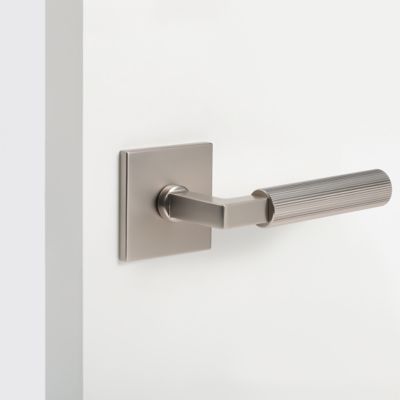
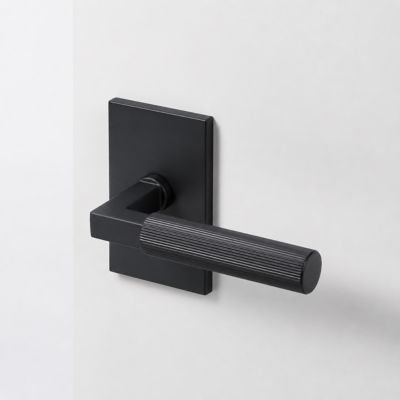
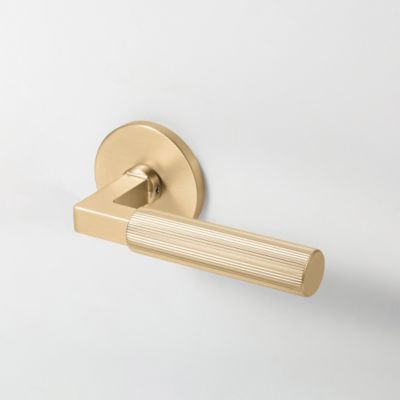
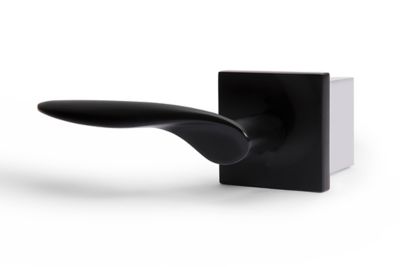
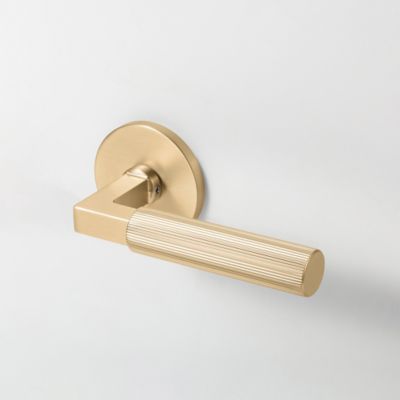
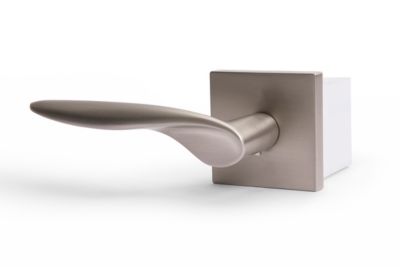
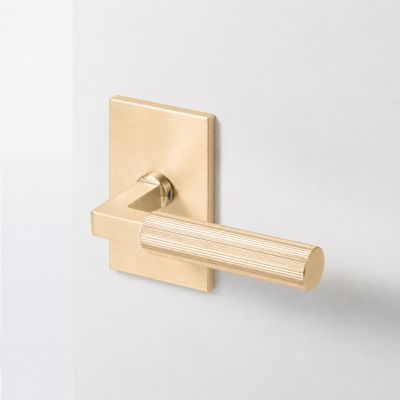
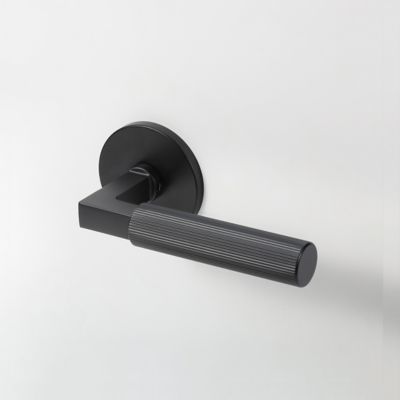
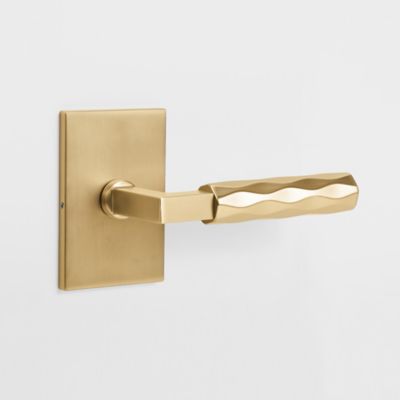
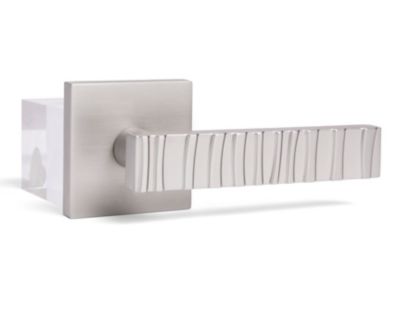
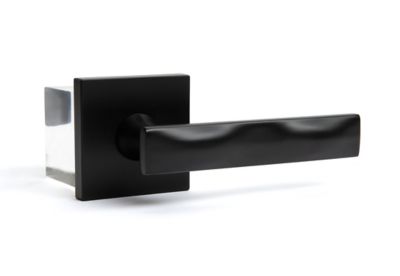
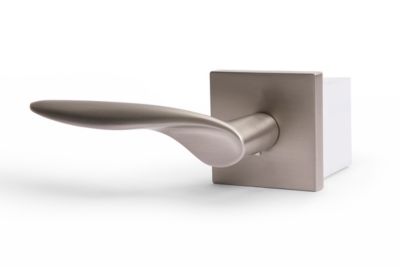
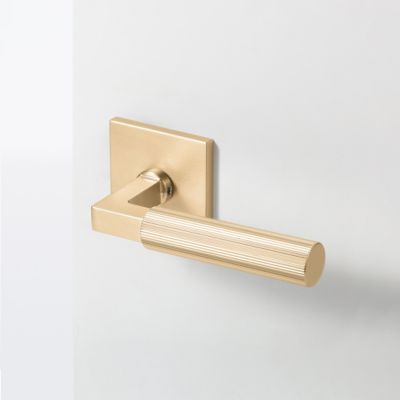
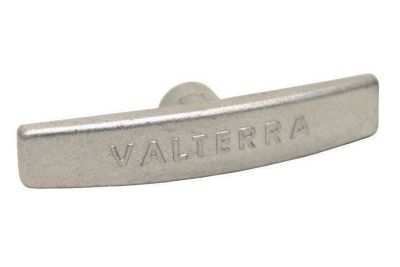
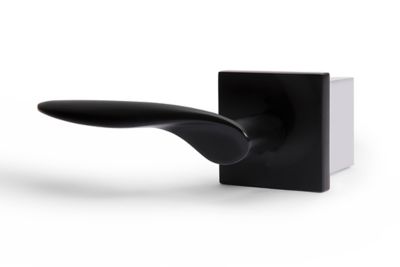
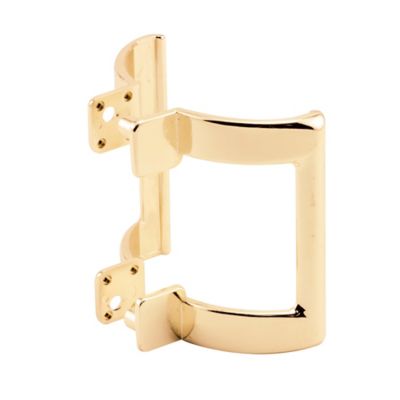
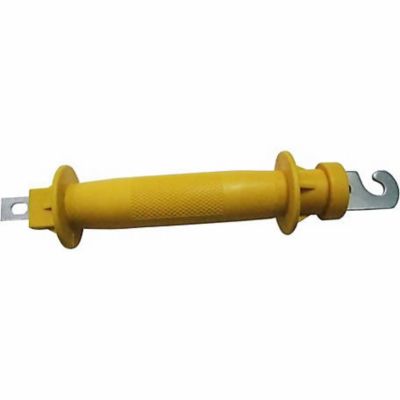
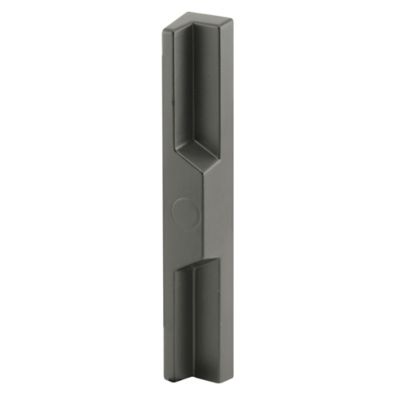
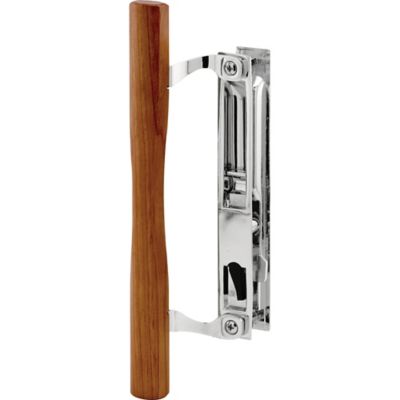
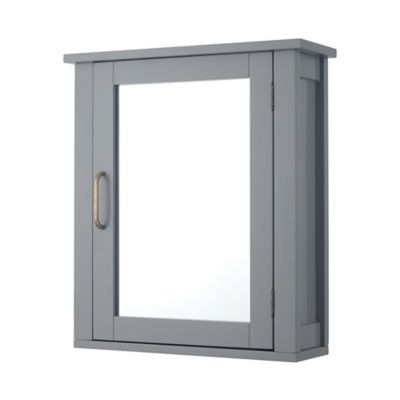
Metal handles provide a firm place to grip when opening cabinets, drawers, doors, gates, and equipment panels. Common materials include steel, stainless steel, aluminum, brass, and zinc alloys, with shapes ranging from simple bars and curved bows to recessed grips and folding designs. The right fit depends on mounting-hole spacing, hand clearance, the surface receiving the hardware, and the effort needed to move it. Around a farm, home, or workshop, those details matter every time a drawer sticks under the weight of tools or a feed-room door needs a solid pull. Steel offers strength for many everyday applications, though its resistance to rust depends on the coating, plating, and conditions around it. Stainless steel resists corrosion, with performance varying by grade and exposure to moisture or cleaning chemicals. Aluminum brings less weight to a door or panel, while brass and zinc alloys offer different combinations of shape, heft, and finish. Material alone does not establish how much force a handle can take; construction, attachment points, fasteners, and the supporting surface all play a part. A solid-looking grip attached to thin material may need reinforcement behind the mounting area. Finishes such as black, brushed nickel, chrome, and natural metal tones help coordinate handles with hinges, latches, and nearby fixtures, but finish color does not reveal the metal underneath. A brushed surface can make small handling marks less noticeable, while a polished surface reflects more light and tends to show fingerprints. In a working space, a handle that feels comfortable through repeated opening and closing often matters more than extra detailing. A broad, smooth grip on a storage drawer, for example, gives a different feel from a narrow pull on a small cabinet, even when both have similar mounting dimensions. Matching the handle to the task keeps the hardware from feeling too small, too bulky, or awkward to reach.
Fit involves more than overall length. Center-to-center spacing is the distance between the centers of the mounting holes, and it is one of the most important measurements when replacing existing metal handles. Two handles can look nearly identical from the front yet require different hole spacing. Overall length describes the full span of the hardware, while projection describes how far it stands away from the mounting surface. That projection affects both finger room and clearance around nearby doors, walls, and equipment. A grip on a workshop cabinet may need enough space for a gloved hand, while a handle along a narrow walkway may call for a lower profile that is less likely to catch clothing. The opening beneath a bow handle also matters; a long handle with a shallow opening can still feel cramped. Options within
Pull Handles suit applications where a fixed handhold supplies the pulling action, separate from any latch or lock. Lever handles and other operating hardware perform a different job, so shape alone is not enough to establish compatibility. Mounting style deserves the same attention as grip size. Face-mounted handles have fasteners that pass through the mounting feet into the supporting material, while many cabinet pulls accept machine screws from the back of a drawer or door. Through-bolted arrangements require access to both sides, and screw length must suit the material thickness without interfering with moving parts. Wood, sheet metal, and hollow doors each present different attachment needs. Existing holes, internal bracing, and clearance behind a panel can narrow the suitable choices. For carrying applications, a handle needs a stated load rating appropriate to the intended task, along with a supporting structure and fasteners that meet the same demands. A handle meant to open a lid should not be assumed suitable for lifting a filled container. Likewise, a gate pull provides a handhold, not a substitute for sound hinges or a properly working latch. Those distinctions help keep everyday chores straightforward without asking a small piece of hardware to do a job it was not built to handle.
The way metal handles feel in the hand becomes especially noticeable with frequent use. Rounded edges, smoothly finished ends, and enough room around the knuckles can make repeated trips into a tack room or tool cabinet more comfortable. A textured grip may offer more purchase when hands are slick, though deep grooves can also collect dust and residue. Folding handles can sit closer to a surface when not in use, while recessed designs keep the grip within a panel opening; both styles depend on enough room for the mechanism or recess. Fixed handles have no folding joint, which keeps their operation simple, but their projection needs to suit the space. Keeping several handles consistent across neighboring cabinets can make a work area feel orderly and give each drawer a familiar reach. Replacing a single handle may instead call for matching the existing hole pattern, finish, and general proportions as closely as possible. Care requirements vary with the base metal and surface treatment. Mild soap, a soft cloth, and drying after cleaning are suitable starting points for many finishes, with the maker’s care directions taking priority. Abrasive pads and harsh chemicals can scratch a surface or damage a coating, and residue from cleaners should not linger around mounting feet or joints. Brass may develop a darker patina, while plated finishes need care that protects the thin outer layer. Scratches that expose steel beneath a coating deserve attention because corrosion can begin at the exposed spot. Loose fasteners, movement at the mounting points, sharp damage, or cracking around the supporting material are signs that the connection needs inspection before further strain. For homeowners, farm operators, maintenance crews, and anyone keeping a shop in working order, a well-matched handle is a small detail that earns its place through steady everyday service. The most practical choice brings together a comfortable grip, suitable metal and finish, correct mounting dimensions, and the right construction for the job.