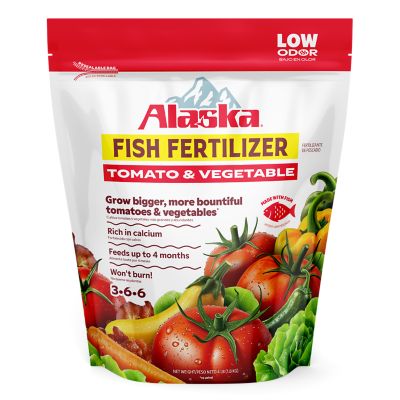
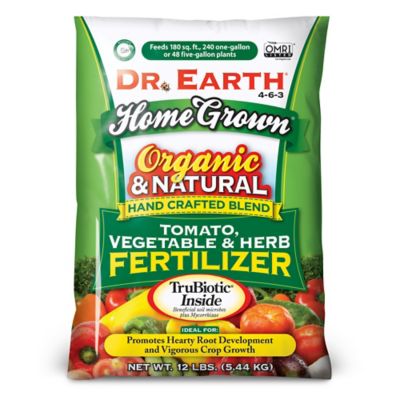
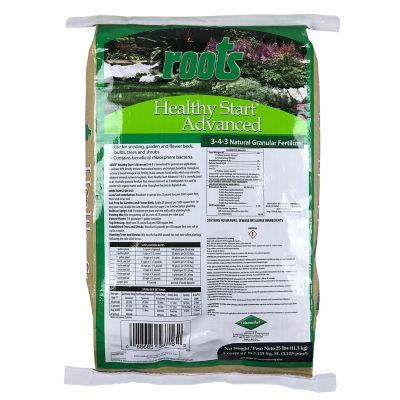
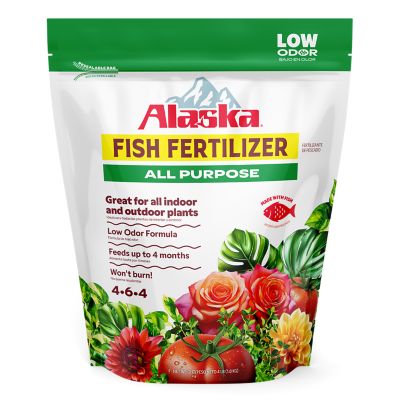
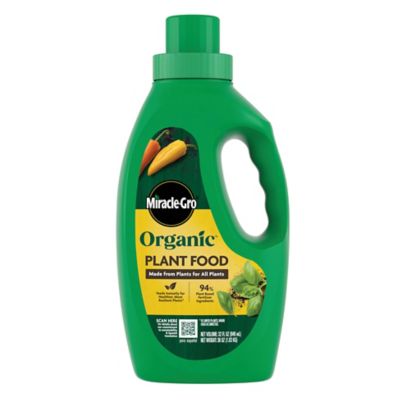
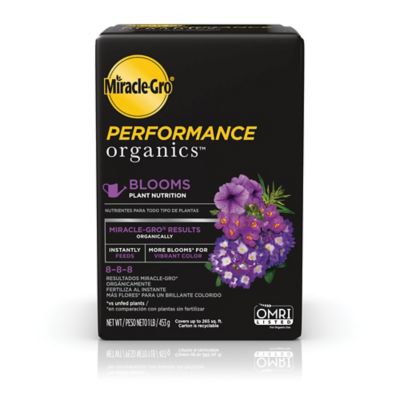
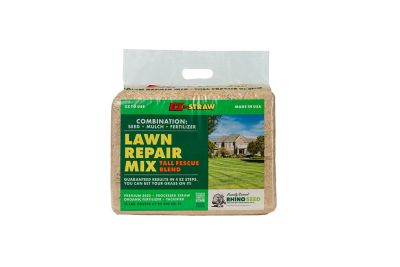
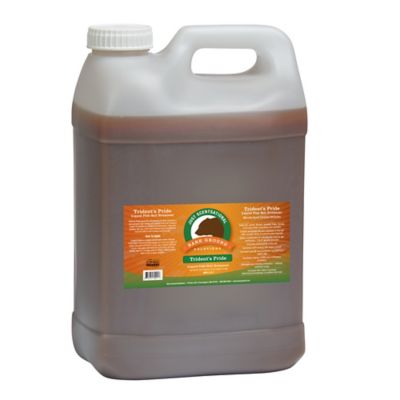
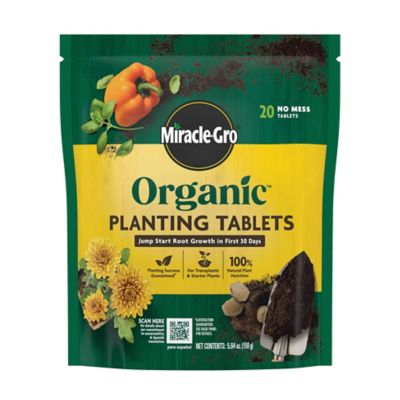
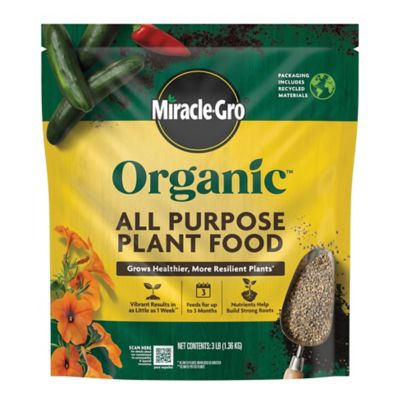
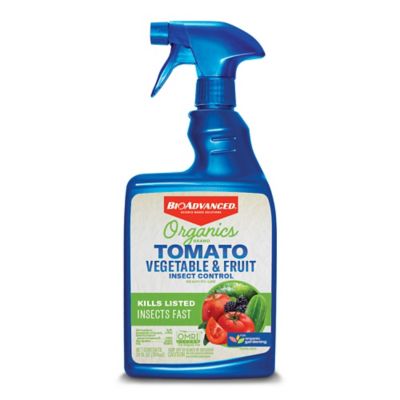
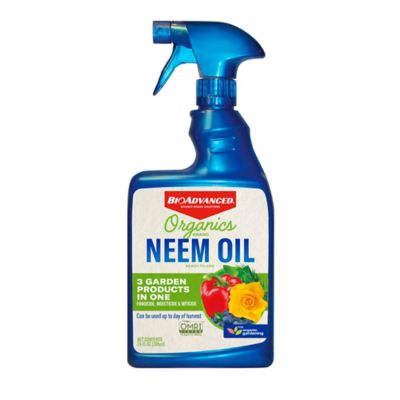
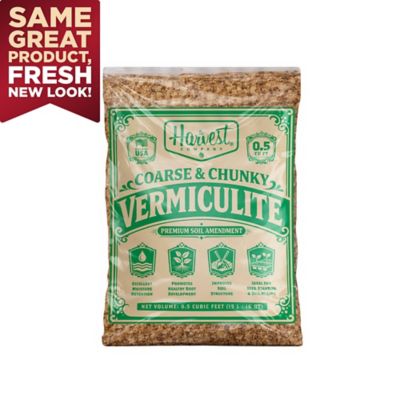
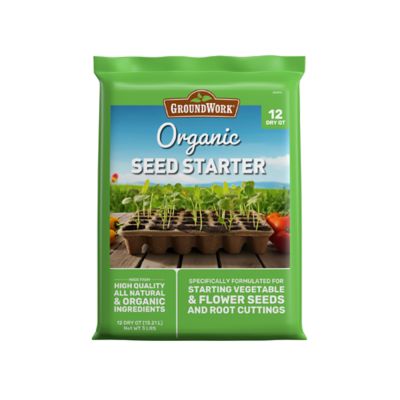
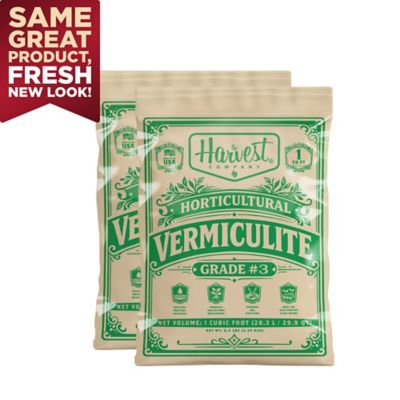
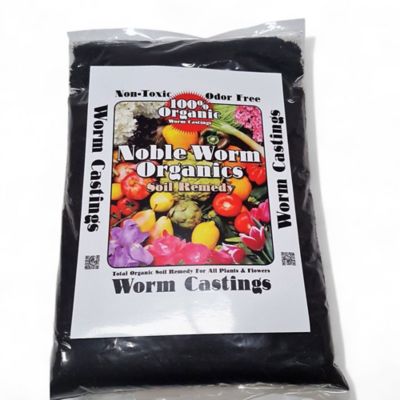
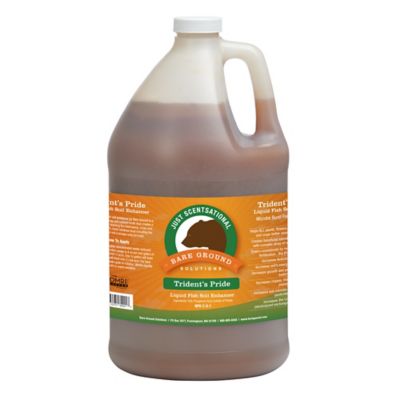
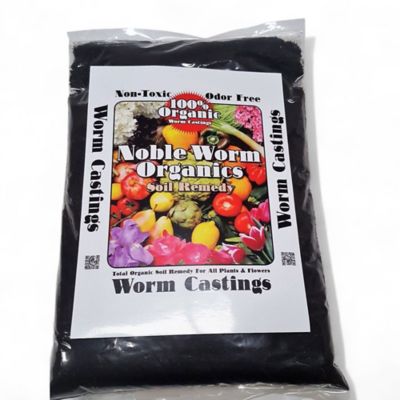
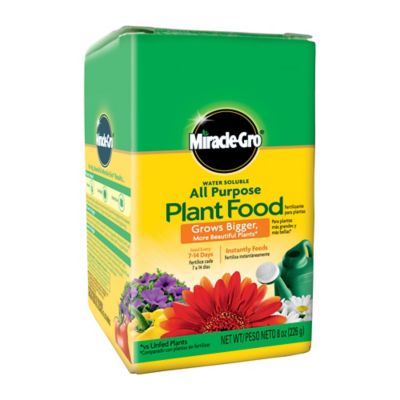
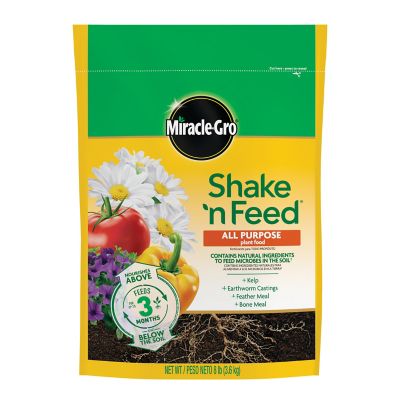
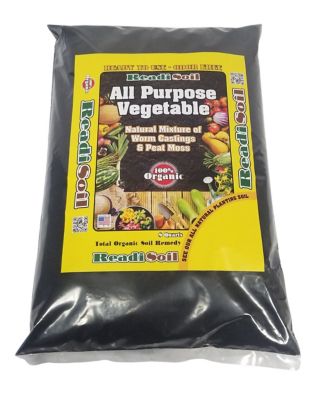
When it comes to keeping an organic farm healthy and productive, the right fertilizer makes all the difference. Folks who raise crops without synthetic chemicals know how important it is to work with nature, not against it. That’s why organic fertilizers—made from things like compost, aged animal manures, plant meals, and even fish emulsions—are so popular. These natural options feed the soil just as much as they feed the plants, helping build up organic matter and encouraging all those helpful microbes that make soil rich and crumbly. Whether you’re spreading composted chicken manure to boost water retention in your vegetable beds, mixing in kelp meal for a slow, steady trickle of nutrients, or giving your fruit trees a shot of fish-based liquid fertilizer, you’re not just growing crops—you’re investing in the long-term health of your land. And because organic fertilizers break down gradually, they’re less likely to wash away in a heavy rain, keeping nutrients where your plants need them most. For folks who are certified organic growers, it’s worth keeping an eye out for OMRI-listed products to make sure everything you use fits the bill.
Organic fertilizers aren’t just for big operations, either. Backyard gardeners, homesteaders, and anyone with a few raised beds or a small flock of chickens can put them to good use. These products make thoughtful gifts for anyone passionate about sustainable living—think of a neighbor who’s always trading tomatoes over the fence, or a family member who loves starting their own seedlings each spring. There’s nothing quite like seeing the difference a good organic fertilizer makes, from bigger, brighter blooms to bumper crops of heirloom veggies. As the weather shifts from the heat of summer into the cooler months, many folks start thinking about building up their soil for next season, whether that means top-dressing beds with compost, side-dressing row crops with feather meal, or stirring in a bit of bone meal before planting garlic. Organic fertilizers are a smart choice for anyone who wants to protect local waterways, avoid chemical runoff, and keep their soil in top shape year after year. If you’re looking to learn more about options for larger-scale crop production, check out our page on
Fertilizers For Agricultural Crop Production for more details. With the right approach, you can keep your land thriving and your harvests strong, all while staying true to organic principles.