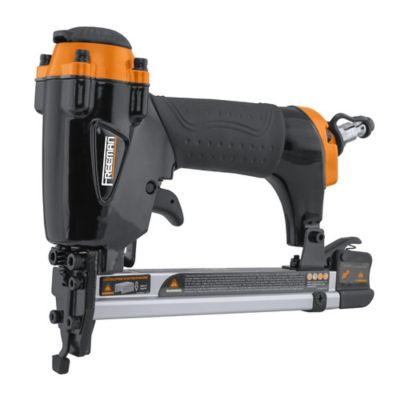
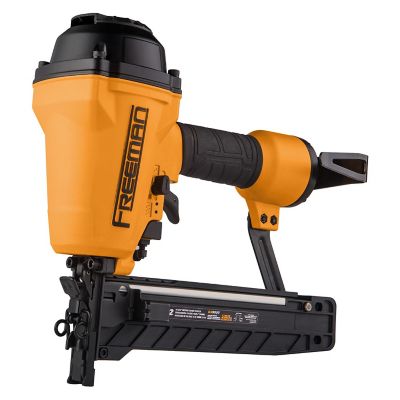
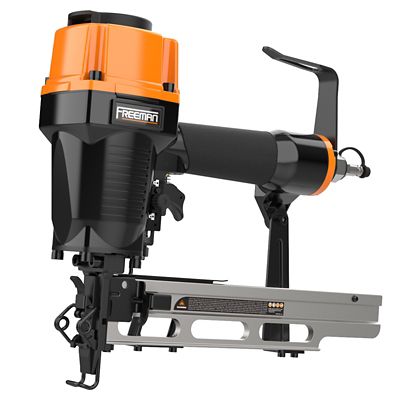
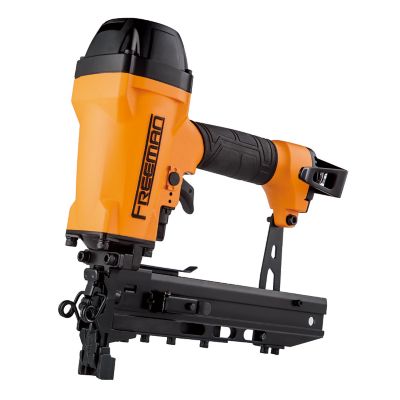
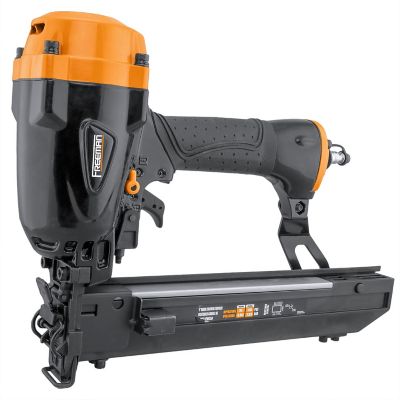
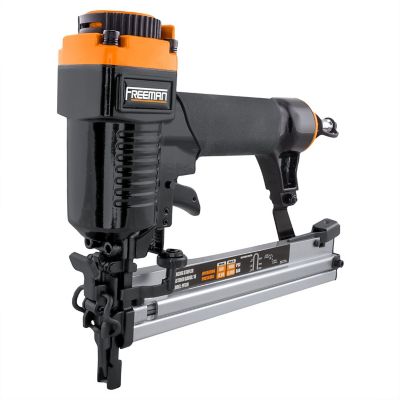
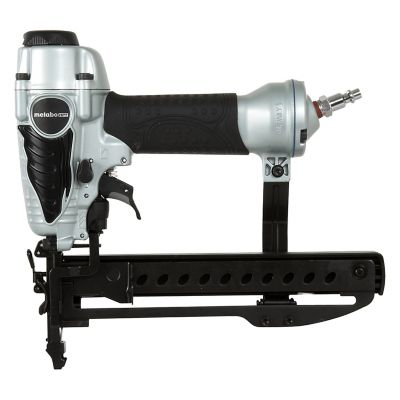
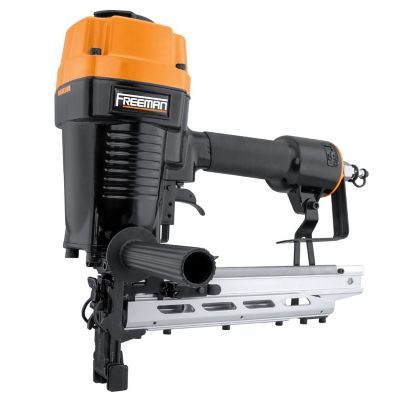
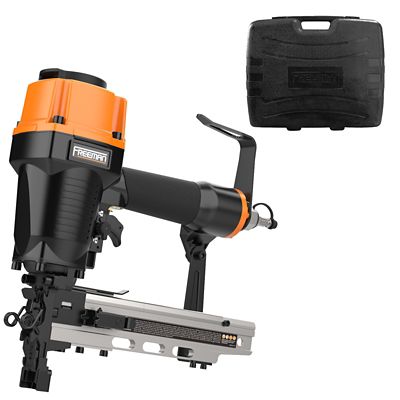
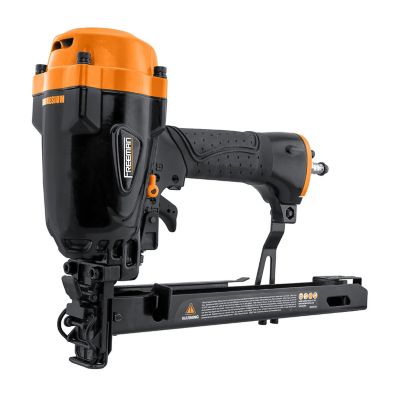
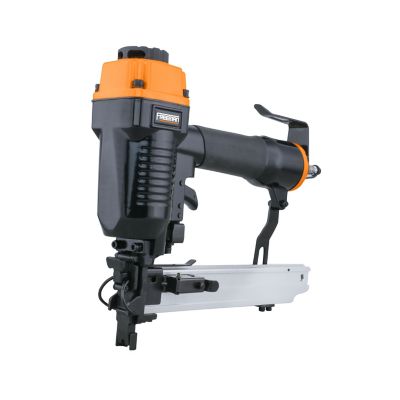
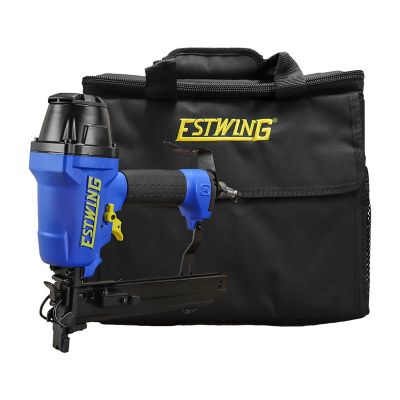
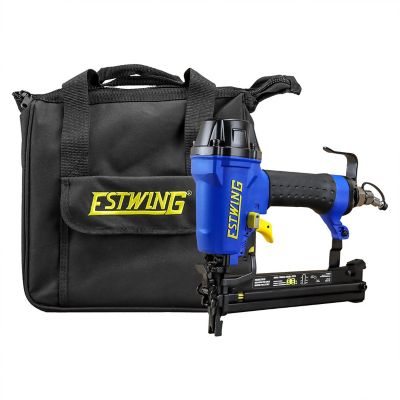
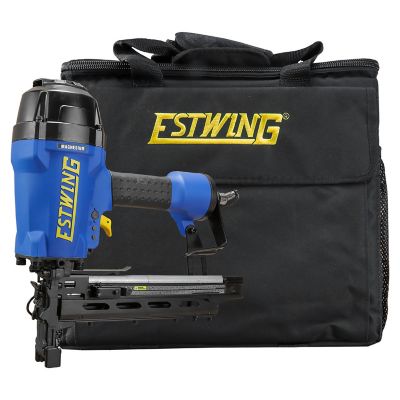
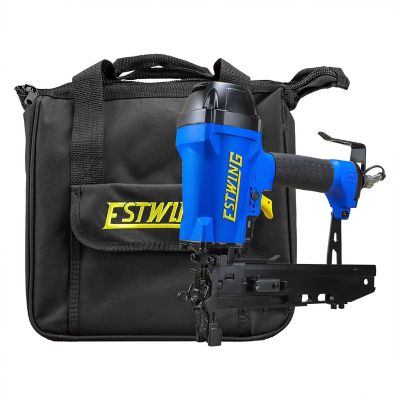
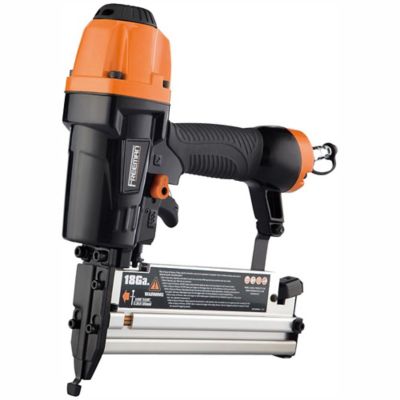
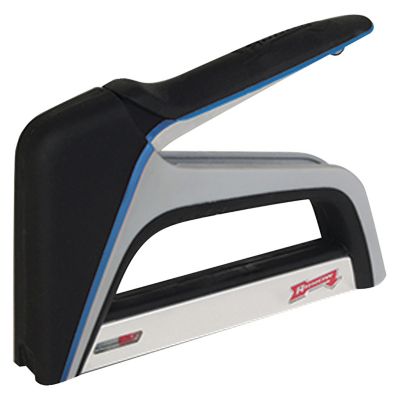
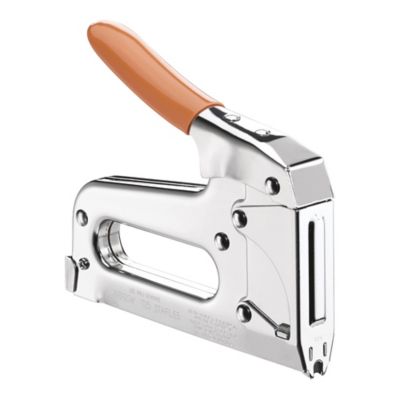
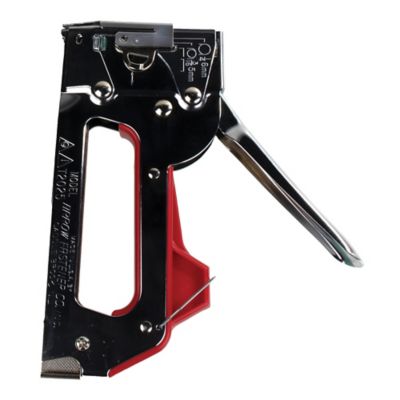
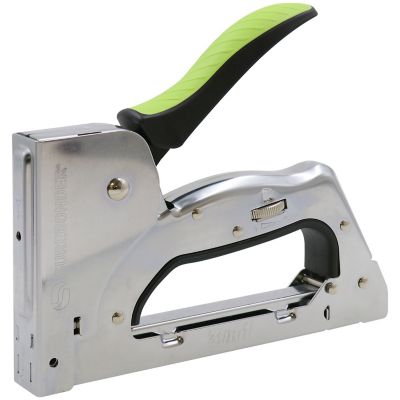
Pneumatic staplers put compressed air to work on fastening jobs around the shop, garage, and home. From securing fabric beneath a chair seat to attaching a thin panel to a wooden frame, they can make repetitive work move along without swinging a hammer for every fastener. The broad crown of a staple spreads its hold across two legs, which can help secure flexible materials or thin pieces when the staple and tool match the job. That match matters more than the general shape of the tool. Fine-wire upholstery staplers, narrow-crown woodworking staplers, and heavier construction staplers handle different fasteners and serve different purposes. A tool suited to fabric and batting is not automatically suited to cabinet assembly, and a construction stapler can be too much for delicate trim or fabric. Staple gauge describes wire thickness, crown width describes the span across the top, and leg length helps determine how far the fastener reaches into the backing material. All three measurements need to agree with the tool’s specifications. For cabinet backs, drawer bottoms, and similar woodworking tasks,
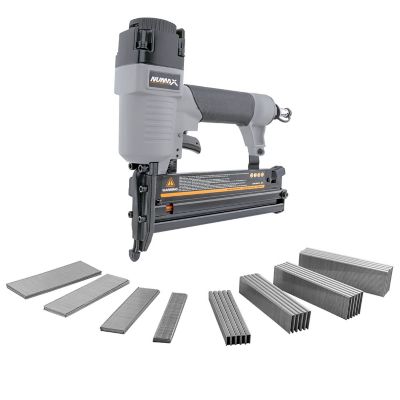
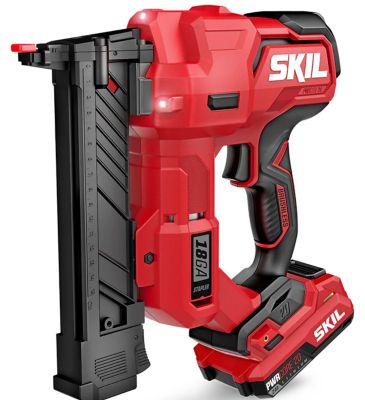
18 Gauge Staplers are worth a look when the required crown style and staple lengths fit the work. Gauge alone does not establish compatibility, even when two strips of staples look much alike. Material thickness also changes the picture: a short leg may not get enough hold, while an overly long one can break through the other side of a thin frame. Dense hardwood, soft pine, plywood, and layered upholstery each respond differently under the nose of a stapler. On visible work, the width of the crown and the depth of the finished fastener affect how tidy the surface looks. On concealed fastening jobs, a firm hold without splitting the backing or tearing the surface material often matters more. The right pairing leaves the staple seated where it belongs rather than crushed into the face or standing proud.
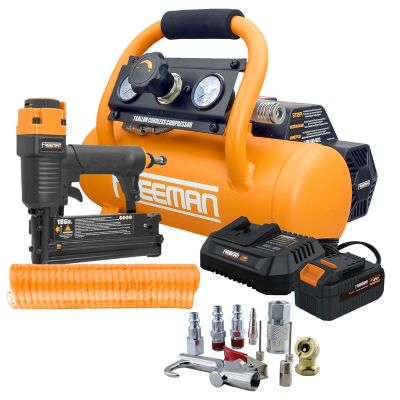
An air-powered stapler also needs to fit the air setup and the way the workspace runs. Operating pressure, air consumption, hose connections, and compressor output belong in the same conversation as staple size. A compressor that handles a few spaced-out shots may cycle more often when someone is fastening a long run of panels or working steadily around several seat frames. Tank size provides stored air, while the compressor’s delivery rate helps determine whether it can keep pace with ongoing demand. The tool’s stated requirements give a better basis for that match than tank size alone. A regulator helps keep pressure within the stapler’s specified range, and a hose with suitable fittings keeps the connection straightforward. Hose weight and routing matter, too. Dragging a stiff line across a bench can tug at a small frame, while excess hose underfoot gets in the way of moving around a larger assembly. Tool balance becomes noticeable during those longer stretches of work. A comfortable grip, manageable body size, and a nose that reaches into corners can make a real difference beneath a chair rail or inside a shallow box. Magazine capacity affects how often fastening stops for another strip, and a visible fastener indicator can make those stops easier to anticipate. Depending on the design, depth adjustment, an accessible jam-clearing mechanism, and adjustable exhaust can add convenience without changing the need for proper setup. More pressure is not a cure for every fastening problem; the backing material, staple length, and tool settings all play a part. Trigger design and any contact safety mechanism also deserve attention because firing controls differ among staplers. A tool that feels comfortable on a flat workbench may feel quite different when held sideways against a frame, so working position belongs among the practical considerations alongside weight and size.
Materials and upkeep help determine how a pneumatic stapler holds up to regular shop work. Metal housings, protective bumpers, grip coverings, and magazine construction all affect handling and resistance to everyday knocks, though no housing takes the place of careful storage. Keeping grit out of the magazine and nose helps fasteners feed smoothly, especially on a bench shared with sanding or woodworking tasks. Compressed air can carry moisture, making compressor drainage and any manufacturer-specified air treatment important parts of the overall setup. Lubrication requirements vary: some staplers call for pneumatic tool oil, while others have an oil-free design. The manual, rather than a general shop habit, should determine that routine. Hoses, fittings, seals, and safety controls also benefit from regular inspection, and a damaged connection or sticking control calls for attention before the next job. Disconnecting the air supply before loading, clearing a jam, or performing maintenance, as directed by the manufacturer, keeps those tasks separate from powered operation. Eye protection and keeping hands clear of the fastening path matter even on a small repair, since a staple can deflect or emerge through an unexpected spot. Fastener material deserves the same care as tool selection. Plain steel, coated steel, and stainless steel staples have different corrosion characteristics, and suitability depends on the materials being joined and the demands of the finished project. Treated lumber, for instance, may require a particular fastener material or coating. Structural assemblies and code-governed work call for the specified fastening system rather than a general-purpose substitution. For furniture repair, shop-built storage, and other suitable projects, a well-matched pneumatic stapler can become a steady part of the bench setup. It can also make a practical gift for someone who already works with compressed air, provided the tool fits that person’s projects, compressor, and preferred fasteners. The best fit is the one that handles the actual work comfortably, with compatible staples and straightforward care between jobs.