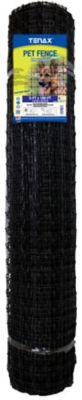
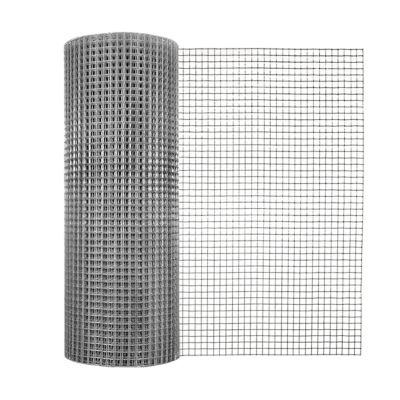
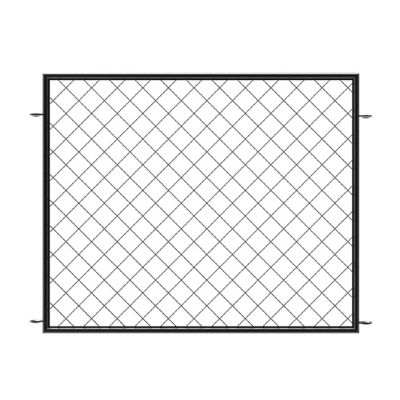
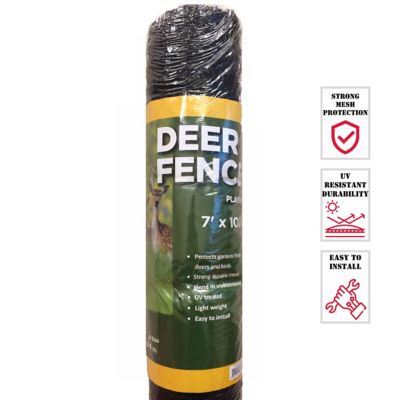
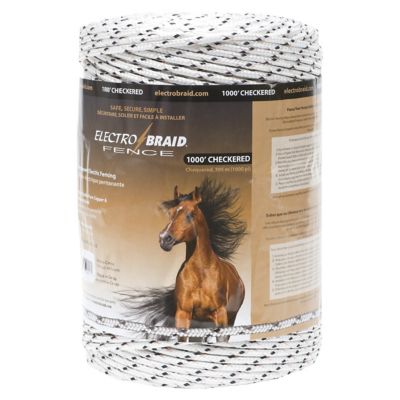
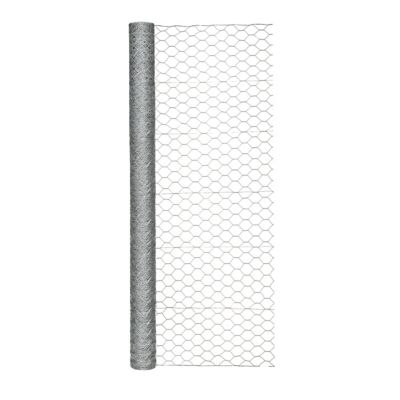
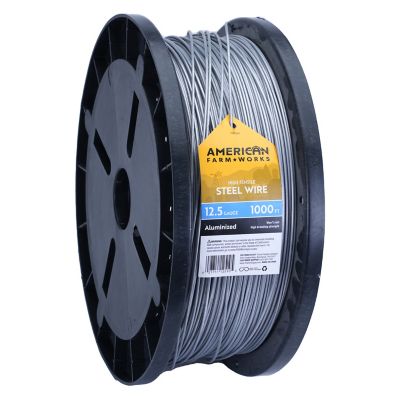
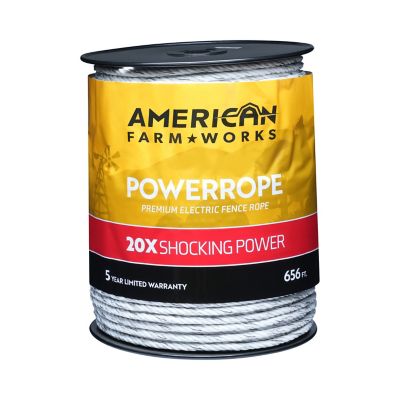
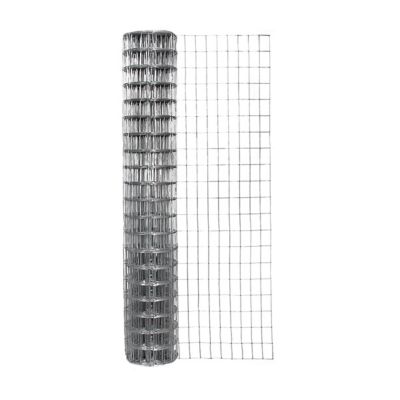
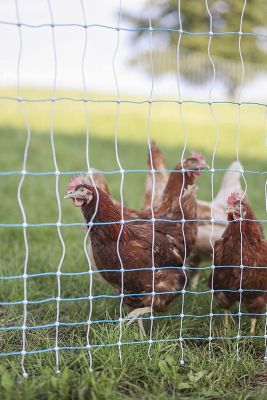
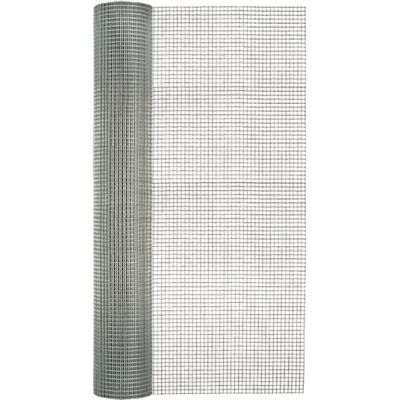
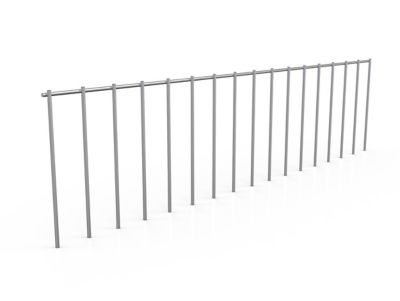
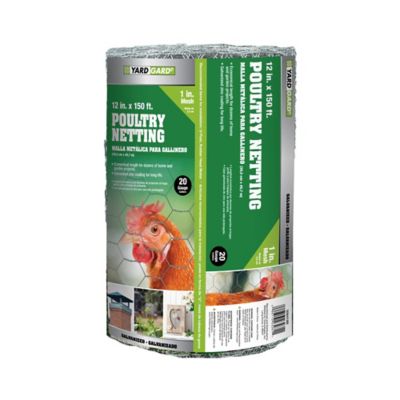
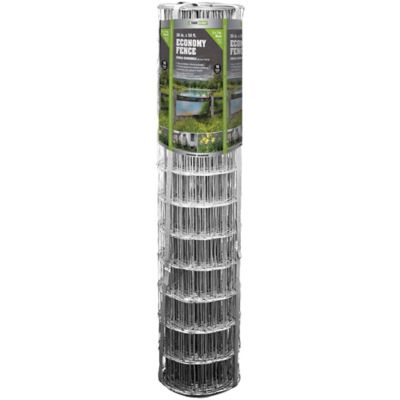
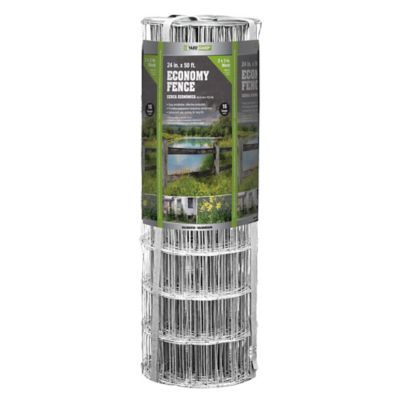
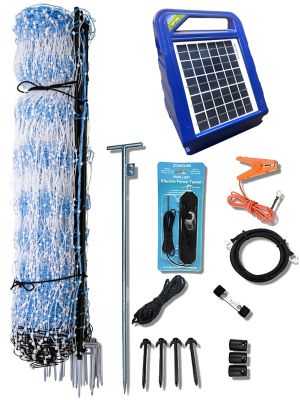
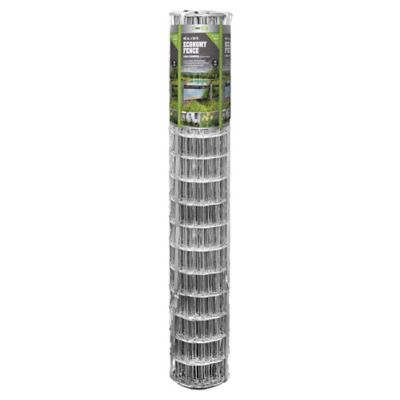
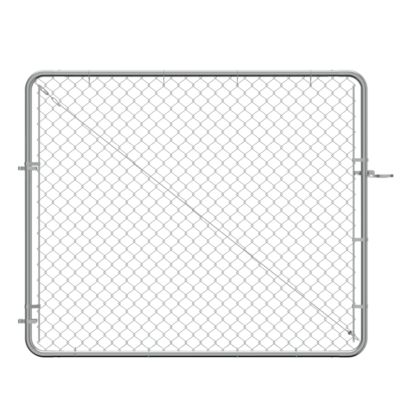
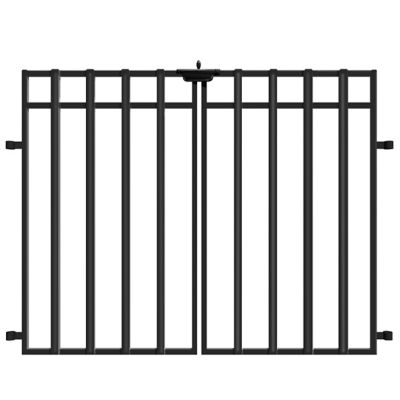
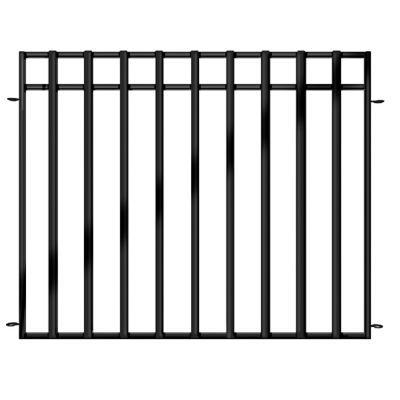
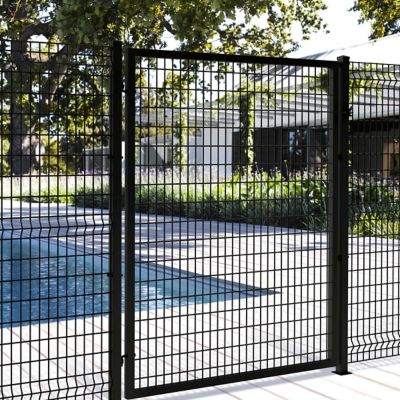
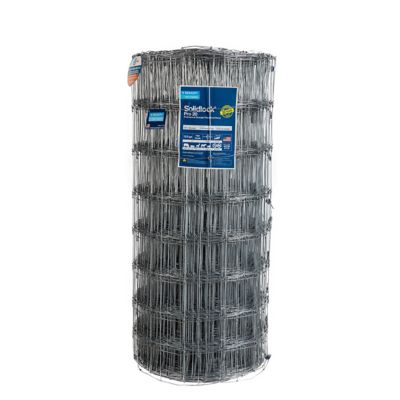
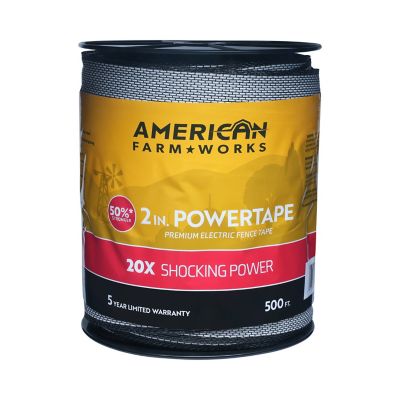
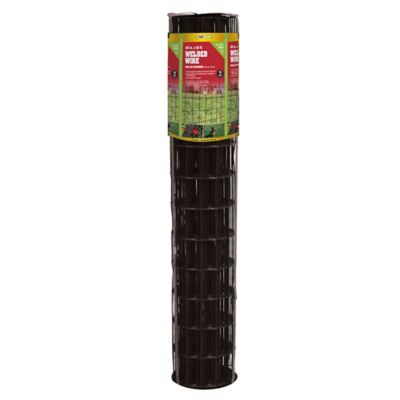
When it comes to fencing supply for rural homes, the right materials and tools can make all the difference in keeping your property safe, organized, and looking sharp through every season. Folks living out in the country know that a good fence isn’t just about marking boundaries—it’s about protecting what matters most, whether that’s a herd of cattle, a backyard flock, a prized garden, or just the peace of mind that comes with a little privacy. This time of year, as fields are still green and the days start to cool, is when many rural homeowners take stock and get ready for the months ahead, checking fence lines, patching up any weak spots, or even planning bigger projects before the ground gets too hard. Whether you’re new to country living or have been mending fences for decades, it pays to think through your options. There’s woven wire for keeping in mixed livestock, high-tensile electric setups for rotational grazing, and classic barbed wire for those long stretches where you need something tough and time-tested. Folks with horses or looking for a tidy front yard might lean toward vinyl or PVC rails, which are easy to maintain and look sharp year-round. For smaller critters or garden plots, welded wire and poultry netting help keep chickens where they belong and rabbits where they don’t.
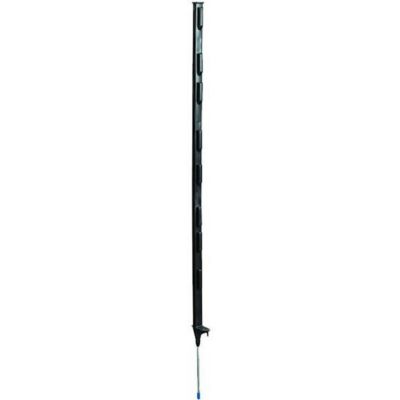
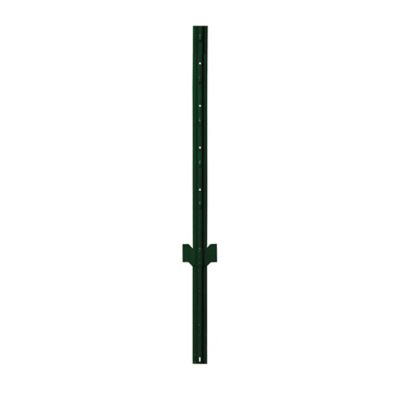
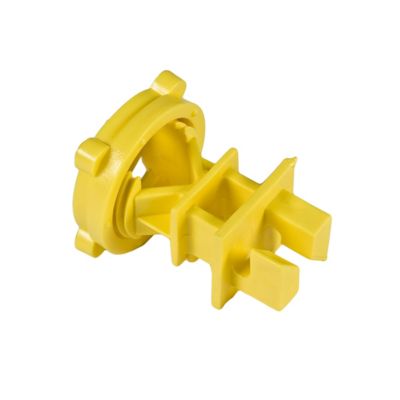
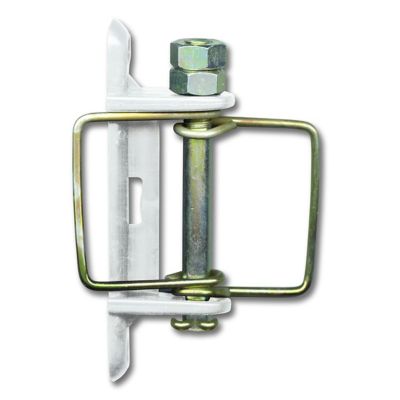
Every rural property is different, and so are the needs that come with it. Some folks are looking to keep coyotes out of the chicken coop, while others want to make sure their dogs don’t wander too far from home. Grandparents might be gifting a starter kit to a grandkid who just got their first 4-H project animal, or neighbors might pitch in together on a new stretch of fencing to keep cattle from straying into the hayfield. No matter the reason, it’s important to consider not just the type of fencing, but the posts, gates, and tools that go with it. Treated wood posts or sturdy steel T-posts are the backbone of any strong fence, and you’ll want the right post hole diggers or drivers to get the job done without wearing yourself out. Don’t forget about tensioners and strainers—especially if you’re running high-tensile or woven wire over a long distance—as well as reliable gates and latches for easy access to pastures or driveways. Electric fences need a dependable energizer, whether you’re plugging into the barn or going solar out in the back forty. And if you’re ever unsure about what’ll hold up best in your neck of the woods, you can always check out more tips and ideas on
Durable Fences for Farm Use for a closer look at what works for farms and rural homes alike.
Choosing the right fencing supply means thinking ahead—not just about the animals or crops you have now, but about how your place might grow and change in the future. Maybe you’re planning for new calves in the spring, or want a little extra protection as wildlife gets more active during the cooler months. With the right setup, you can spend less time worrying about repairs and more time enjoying the land you call home. And let’s be honest, there’s a certain pride in driving past a fence line you built yourself, knowing it’ll stand up to whatever the season brings. Whether you’re tackling a big project or just picking up a few replacement parts, having quality fencing supplies on hand is a smart move for anyone living the rural life.