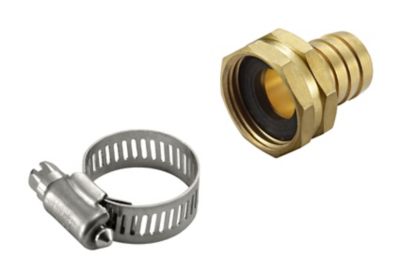
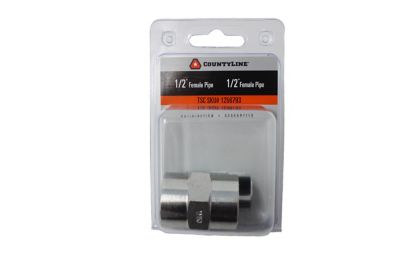
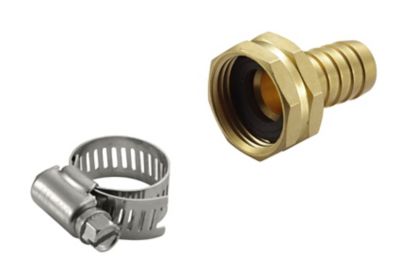
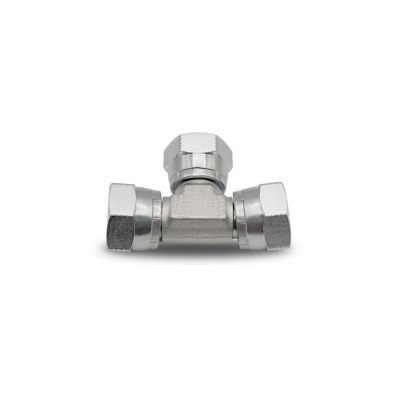
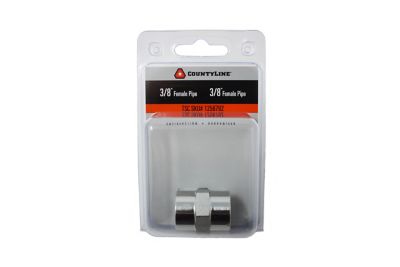
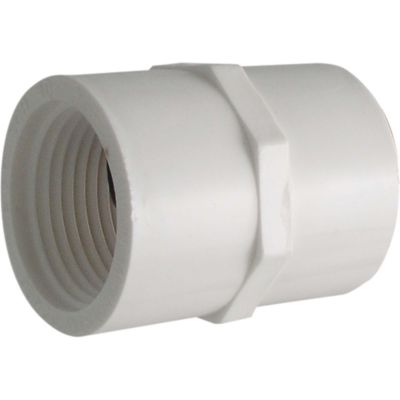
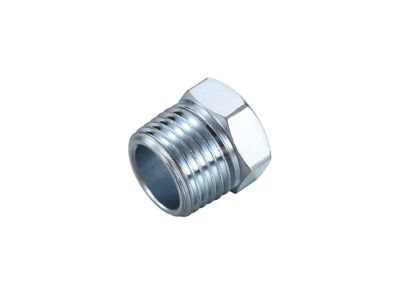
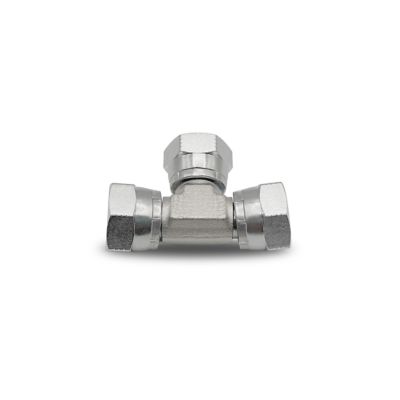
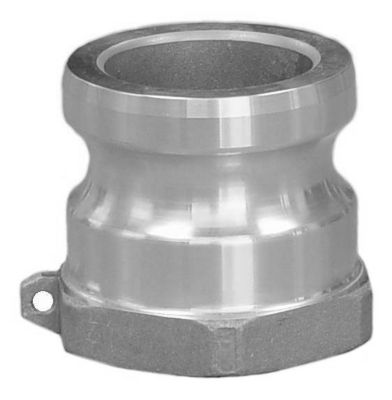
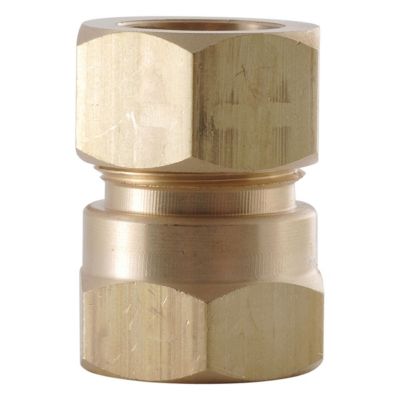
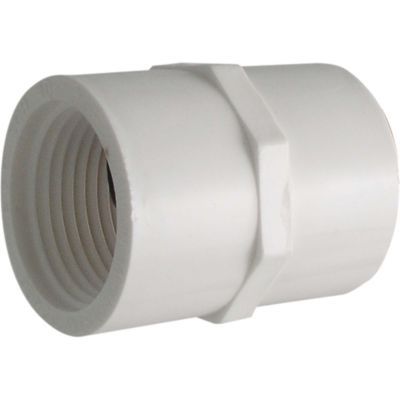
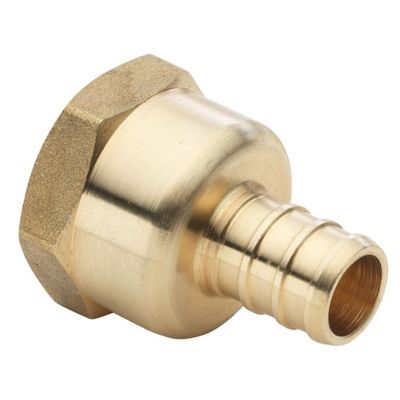
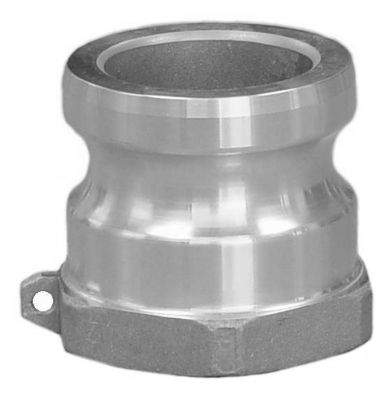
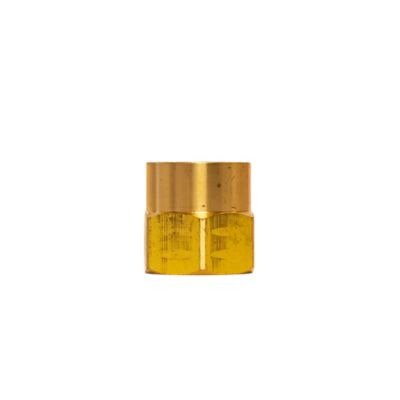
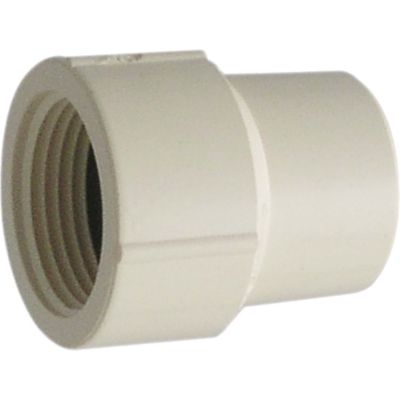
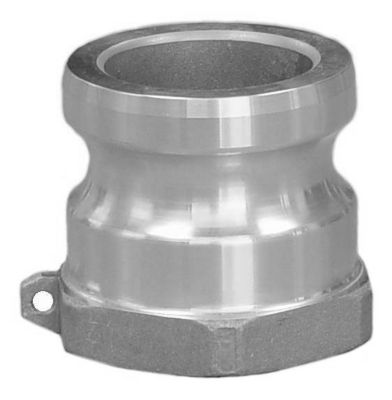
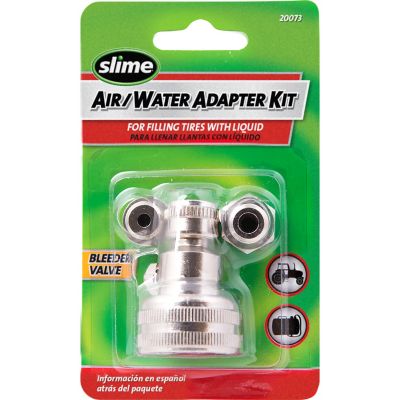
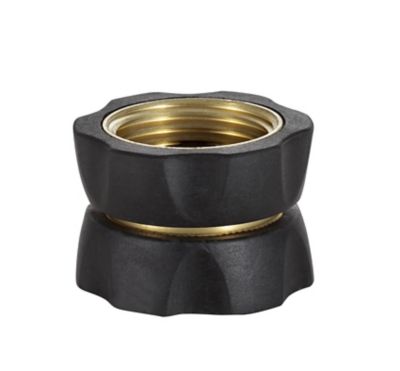
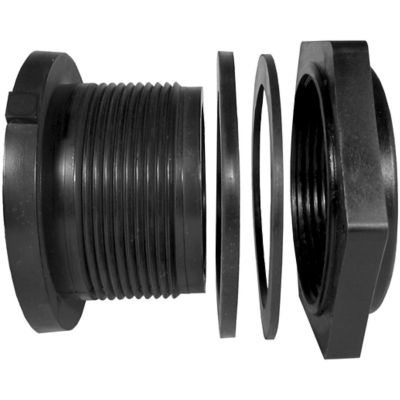
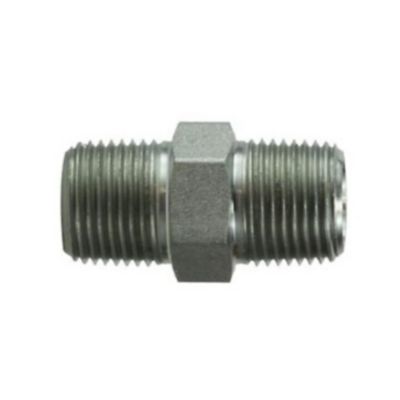
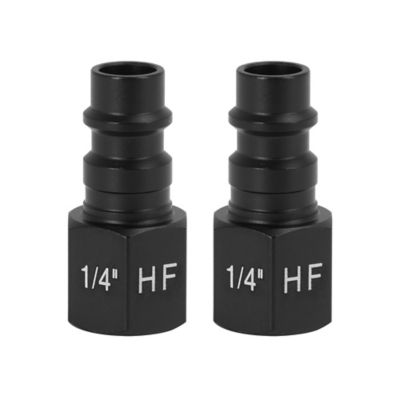
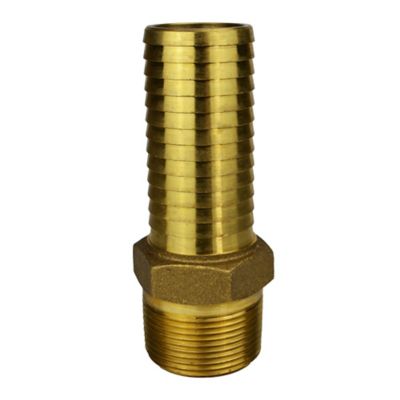
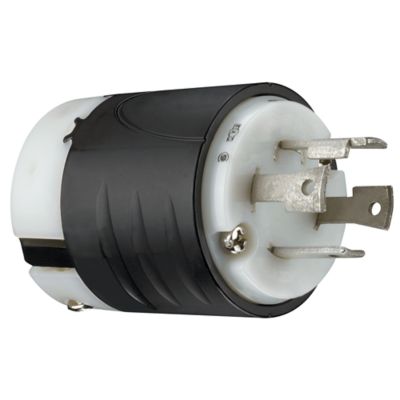
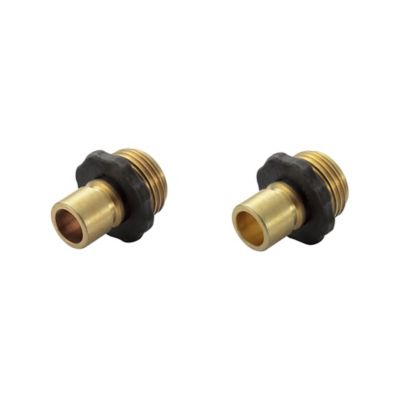
A female adapter is a connector with internal threads or a receiving socket that accepts a matching male end. In plumbing, it often joins a male-threaded pipe or fitting to another connection style, such as a solvent-weld socket, hose barb, or compression connection. That small transition can make a big difference when a water line needs to meet a pump, a supply pipe reaches a utility sink, or irrigation tubing connects to a threaded outlet. Female adapters help bridge those connections without replacing an entire run of pipe, provided both ends match the system’s specifications. The female designation describes the receiving side, not the material, size, pressure rating, or suitability for a particular job. Those details matter just as much as the shape of the fitting. A threaded opening that looks close may still belong to a different thread standard, and forcing the connection can damage both parts. National Pipe Taper threads, commonly marked NPT, are different from garden hose threads, even when their nominal sizes sound similar. Tapered pipe threads generally seal through thread engagement with an appropriate sealing material, while many hose connections depend on a washer seated against a mating surface. Nominal pipe size also does not necessarily equal the measured diameter of the threaded opening. Clear size markings and connection descriptions help sort out those differences before a repair leaves a trough line or shop sink out of service. In electrical applications, female can describe receiving contacts rather than pipe threads, so electrical connectors belong to a separate matching system. Jobs involving
female plugs call for the same attention to connector type and intended service. Across these applications, the useful question is what each end connects to, not simply whether the adapter has a female opening. Farm owners, maintenance crews, plumbers, and homeowners all benefit from that distinction when matching fittings to existing equipment.
Material choice gives female adapters much of their character, from the heft of metal fittings to the lighter feel of plastic connections. Brass is common in many water and utility applications because it machines well and offers corrosion resistance in suitable conditions. Stainless steel can suit demanding environments where the particular alloy and service requirements line up. Galvanized steel belongs with compatible systems, though coating condition and contact with dissimilar metals deserve attention. PVC and CPVC adapters serve different piping systems and require the correct pipe, joining materials, and service ratings; a similar appearance does not make them interchangeable. A plastic adapter with a threaded end and a socket end also has two distinct connection requirements, so the whole fitting needs to match the job. Pipe schedule, fitting design, and manufacturer ratings all play a part in determining suitability. For drinking-water lines, fittings need the appropriate potable-water designation and compliance with applicable lead-content requirements. Water-service ratings do not establish suitability for fuel, gas, chemicals, or compressed air. Those systems call for components expressly approved for the application and installation that meets applicable codes. On a farm, that distinction can separate a straightforward water-line repair from a connection that needs a different fitting family altogether. Material selection also affects how a connection handles vibration, corrosion, repeated handling, and strain from attached piping. A fitting beside a pump may face movement that a supported line along a wall does not. A hose hanging from an adapter can put leverage on the threads, especially when someone pulls the hose around a corner. Supporting the line and keeping heavy attachments from hanging on a small fitting can help extend service life. Where metal and plastic meet, the manufacturer’s connection guidance matters, since excessive tightening or the wrong fitting arrangement can put damaging stress on the plastic side.
Fit goes beyond matching the numbers stamped on a fitting. The connection needs room for assembly, enough clearance for the proper tool, and an alignment that does not pull the pipe sideways. In a cramped pump enclosure or beneath a wash sink, the adapter’s overall length and outside dimensions can matter nearly as much as its nominal size. A straight adapter changes the connection type without changing the direction of the line, while a reducing adapter also transitions between designated sizes. Neither function makes up for mismatched threads or an unsupported pipe. Threads should start squarely and turn without force; resistance at the start can signal cross-threading, debris, or incompatible connections. Thread sealant or tape needs to suit the fitting material and the substance moving through the line, and it belongs only where the connection design calls for it. Washer-sealed and compression connections have different sealing requirements, so adding material to every threaded surface is not a substitute for identifying the joint. Plastic threaded fittings warrant particular care because tightening harder can split the female opening rather than stop a leak. Solvent-weld connections require compatible joining materials and the specified preparation and cure time before service. Care afterward is mostly about keeping strain, damage, and buildup from turning a small connection into a recurring repair. An occasional look for seepage, cracked plastic, corrosion, or movement around the joint can reveal trouble before nearby surfaces become soaked. Dirt in an open fitting can interfere with the seal or travel farther into the system, making clean storage and protected openings worthwhile. Before a connection is opened for inspection or replacement, the system needs to be shut down and relieved of pressure using the equipment’s prescribed procedure. For a barn water line, workshop supply, or irrigation connection, a well-matched female adapter provides a straightforward transition between compatible components. The right material, correct connection standard, suitable rating, and supported installation matter far more than whether two ends merely appear to fit.