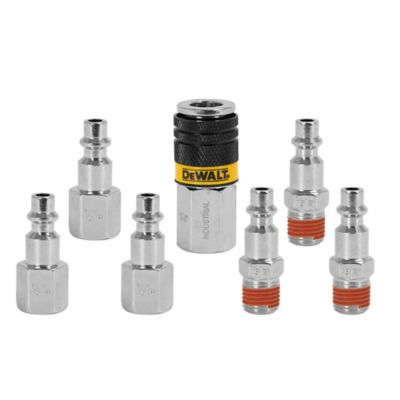
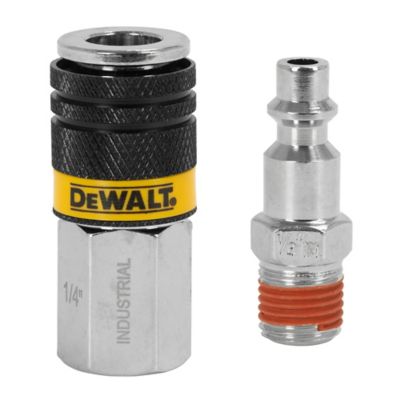
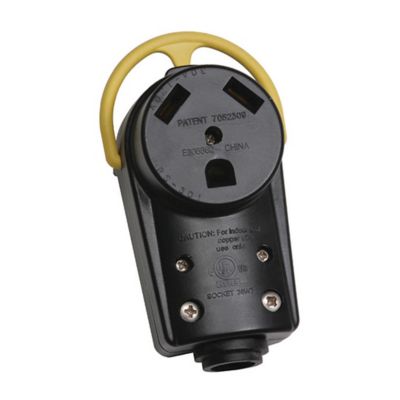
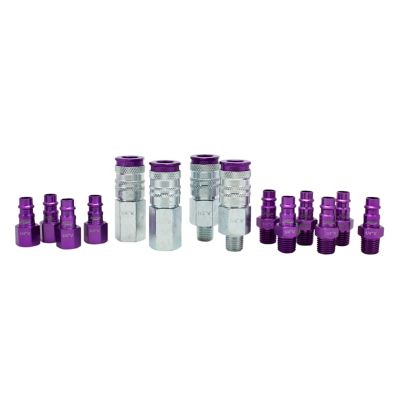
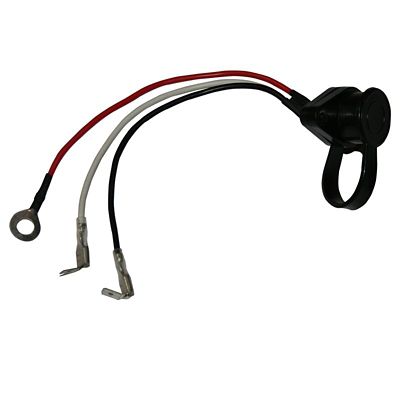
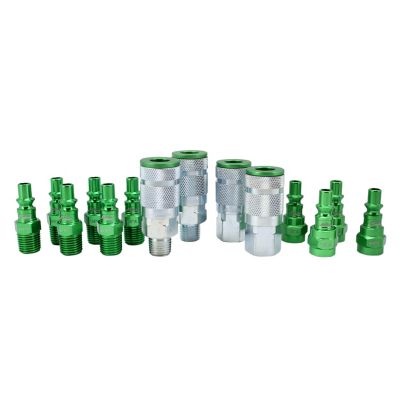
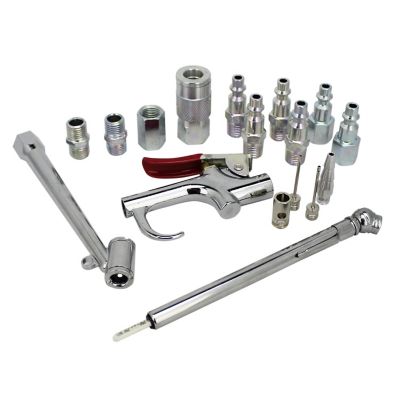
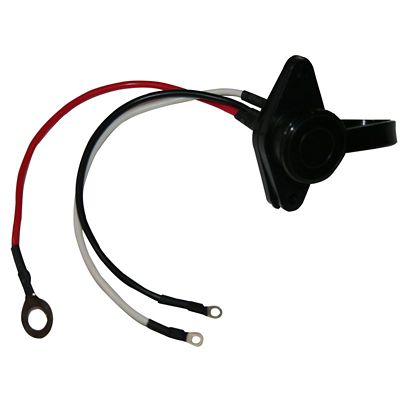
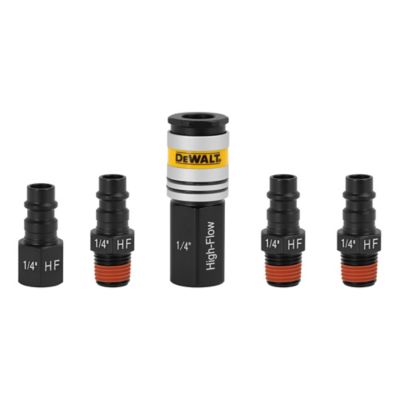
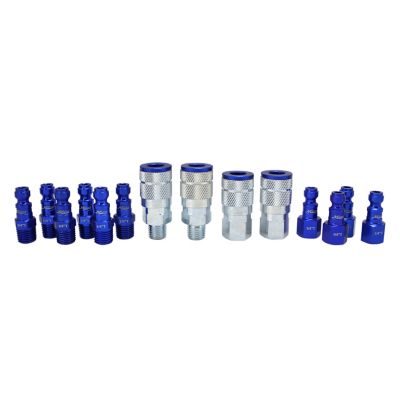
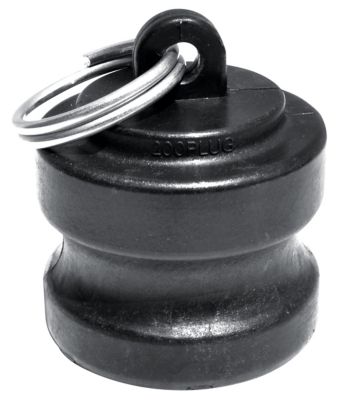
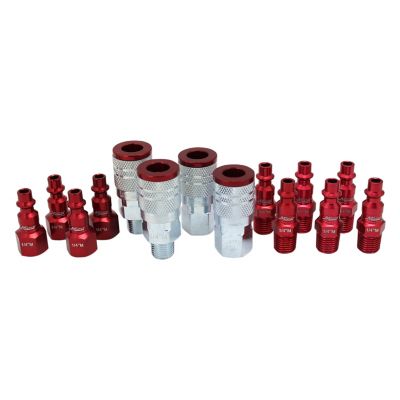
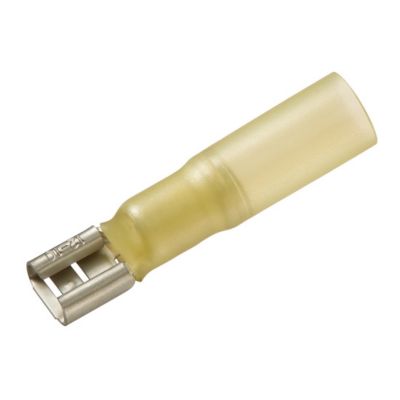
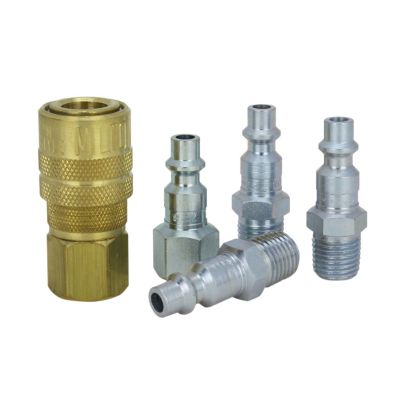
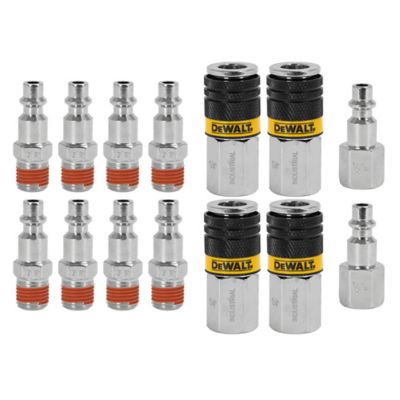
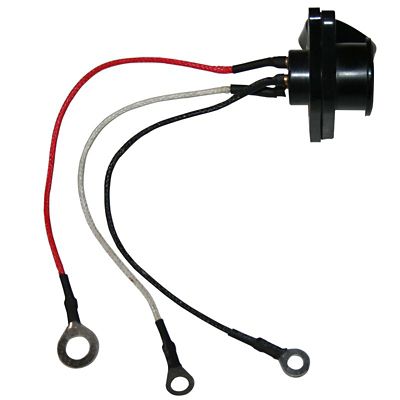
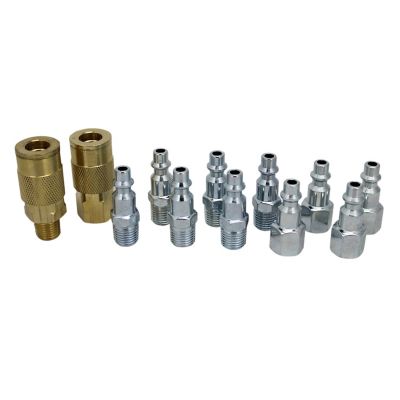
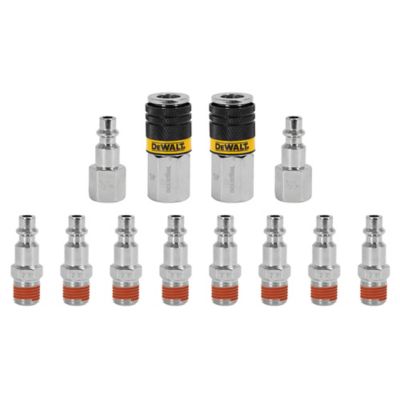
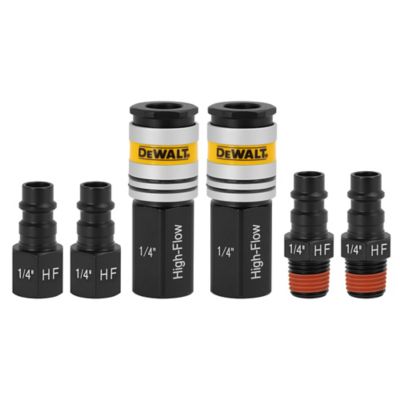
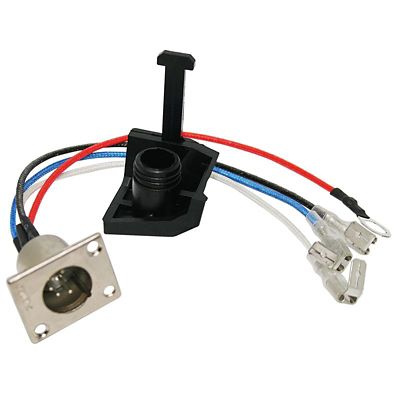
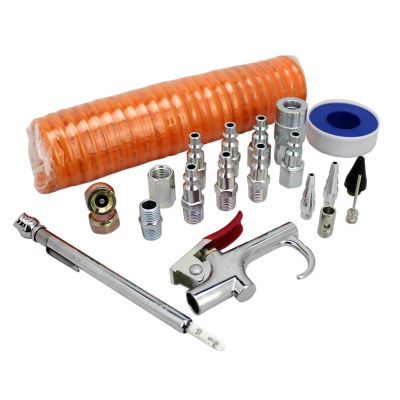
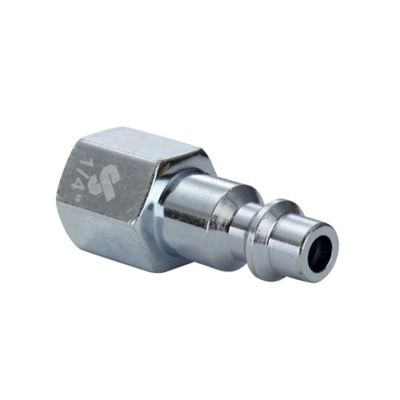
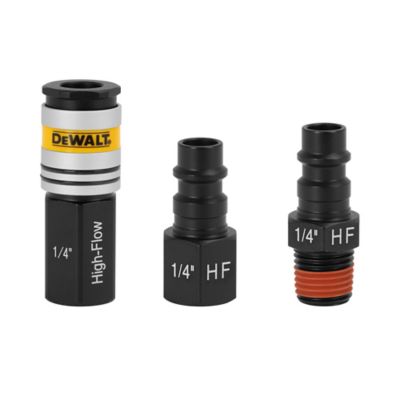
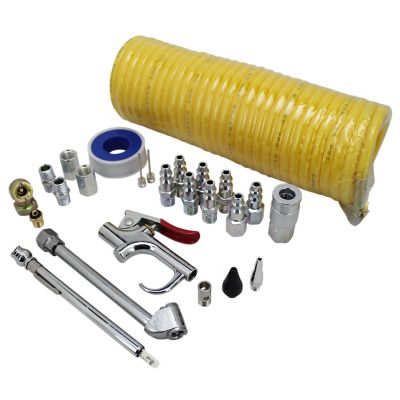
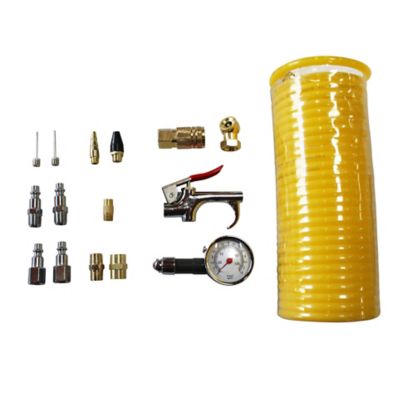
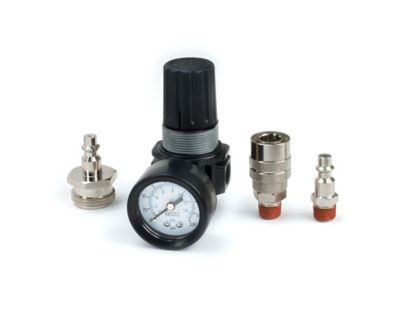
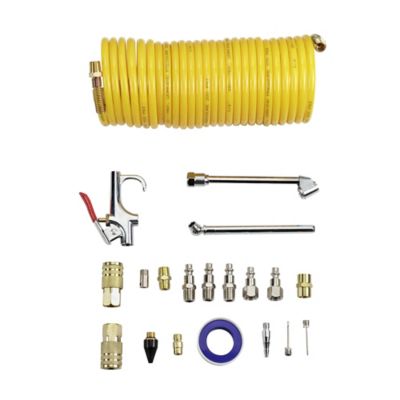
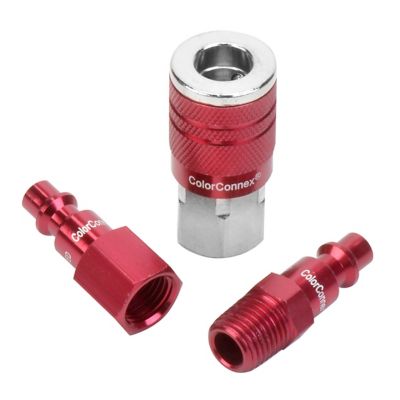
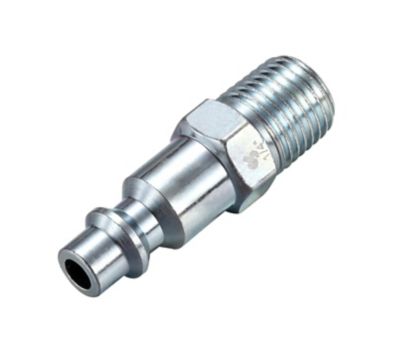
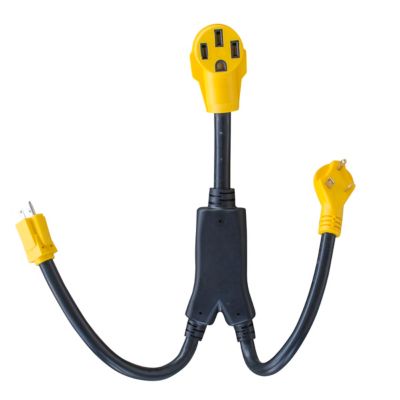
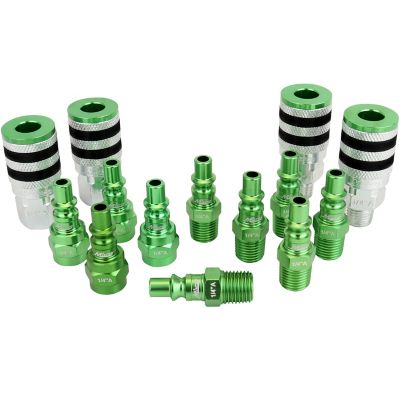
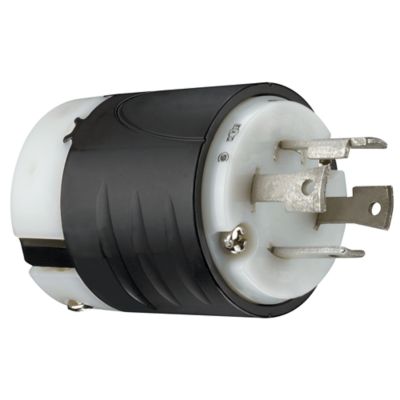
Female plugs are connectors with recessed slots, holes or sockets made to receive the pins or blades of a matching male plug. They help create a secure connection for electrical cords, temporary lighting, air tools and other equipment used around the home, farm, shop or jobsite. Depending on the application, a female plug may be part of an extension cord, a replacement cord end, a wall-style receptacle, a power strip, a custom lighting run or a quick-connect fitting for compressed air. The right choice depends on more than the shape of the opening. Check the plug type, number of prongs, voltage and amperage rating, wire size, grounding style and intended environment before you buy. A connector used indoors in a dry workshop may not be suited to a damp barn, open trailer or outdoor work area. Look for construction that can stand up to the way you work, whether that means a flexible rubberized body for cords that get dragged across concrete, a durable metal fitting for repeated air-tool connections or a weather-resistant design for seasonal lighting. Female plugs are often purchased alongside matching
Male Adapters, and the two pieces must be compatible in size, configuration and rating. A loose connection can create heat, arcing or equipment problems, while forcing mismatched fittings can damage the connector and leave the connection unreliable. For air systems, match the socket to the plug series, thread size and hose or tool requirements, and remember that pipe-thread measurements do not always equal the outside diameter of the fitting. Brass and steel fittings may both be useful, but the best material depends on corrosion exposure, pressure demands and how often the connection will be coupled and uncoupled.
For household and farm electrical work, pay close attention to grounding and polarity. A standard grounded connection uses a hot conductor, a neutral conductor and a grounding path, with the grounding prong and terminal providing an important safety feature rather than simply filling an extra hole. On polarized connectors, the wider slot is intended for the neutral blade and the narrower slot for the hot blade. Replacement cord ends should be matched to the cord’s conductor count and rated load, and the wire should be secured under the correct terminal so the connection stays tight when the cord is moved. In common color coding, black or copper-colored conductors connect to brass or dark terminals, white conductors connect to silver terminals and green or bare grounding conductors connect to the green grounding terminal, but always follow the instructions that come with the connector and the applicable electrical code. Turn off and verify power before working on any cord or receptacle, and do not rely on a wall switch alone. If the cord is damaged, the wiring is unfamiliar or the job involves fixed household wiring, have a qualified electrician handle the work. Never use a female-to-female cord or any homemade connector that could leave energized blades exposed. Those setups can create a severe shock or fire hazard because power may be present where someone expects a safe plug end. Keep connections dry, avoid running cords through standing water or beneath rugs where heat can build up, and use outdoor-rated equipment with ground-fault protection in damp locations. For pneumatic applications, shut off the compressor and release pressure before changing fittings. Push the plug fully into the socket until it locks, give the connection a gentle pull to confirm it is seated and inspect the seal, coupler and hose for wear. A little care at the connection point can prevent a frustrating air leak when you are halfway through a fence repair or trying to finish a project before the weather turns.
Female plugs also come in handy when building or maintaining seasonal lighting, shop setups and portable power arrangements. Slide-on or vampire-style sockets are used with compatible two-conductor lighting wire to create custom runs, letting you place lights where a preassembled strand may not reach. Match the socket to the wire type and size, keep the cut end clean and fully inserted, and use only components intended for the voltage and outdoor conditions involved. Before hanging a lighting run, inspect every connection for cracked insulation, loose parts and exposed copper. As the weather warms, these connectors can support temporary work lights, fans and equipment around a garage, shed or livestock area; during cooler months, they may be part of outdoor decorations, task lighting or a portable setup for chores that begin before daylight. Keep cords routed away from gates, sharp edges, hot surfaces, animal traffic and places where snow, rain or wash water can collect. A female plug can also serve as a practical addition to a tool kit or a useful gift for a homeowner, hobby farmer, maintenance worker or do-it-yourselfer who regularly repairs cords, sets up air tools or builds custom lighting. The most helpful gift is one that matches the recipient’s equipment, so note the plug pattern, amperage, wire gauge, air-fitting series or thread size before purchasing. Store spare connectors in a dry container, label uncommon fittings and keep electrical parts separate from oily hardware. With the correct match and a careful installation, female plugs make it easier to extend, repair and organize the equipment that keeps a busy property running.