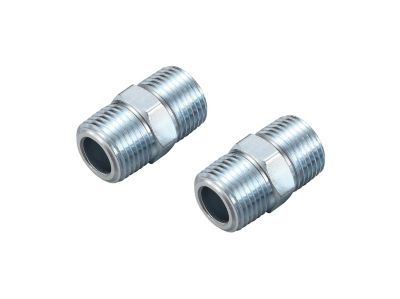
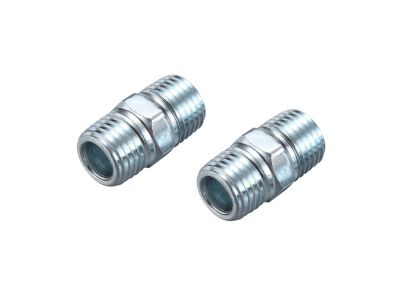
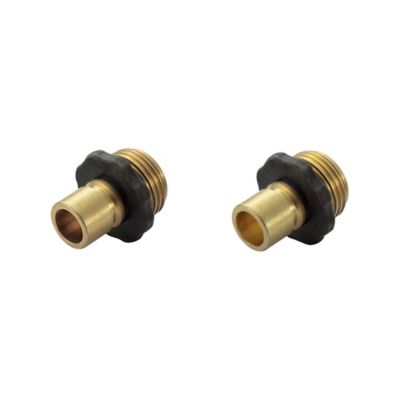
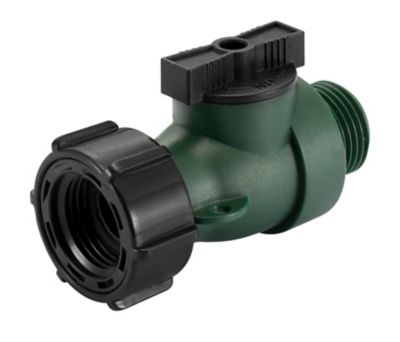
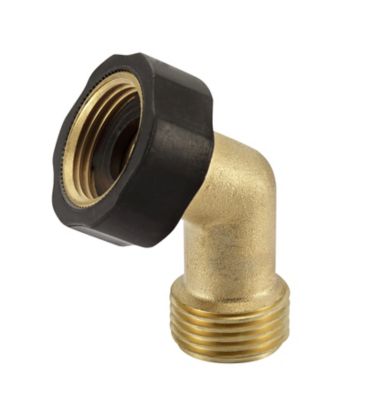
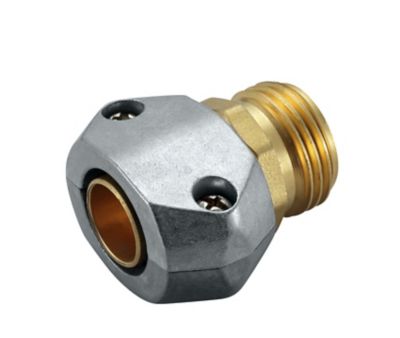
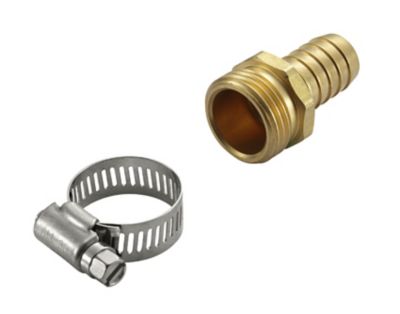
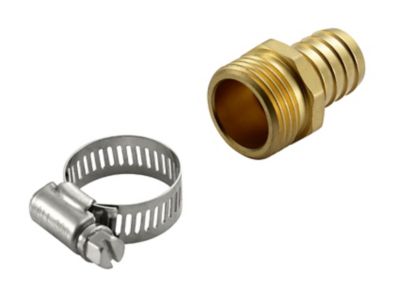
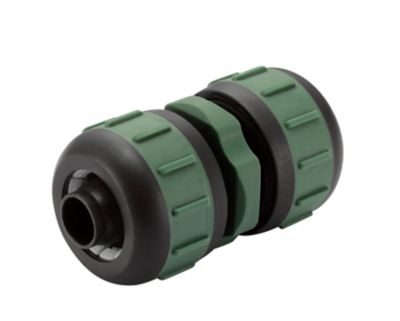
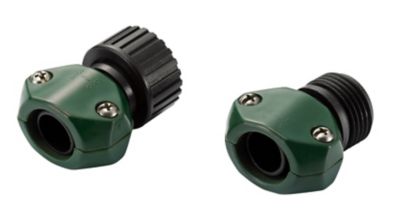
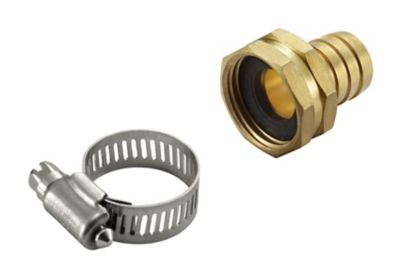
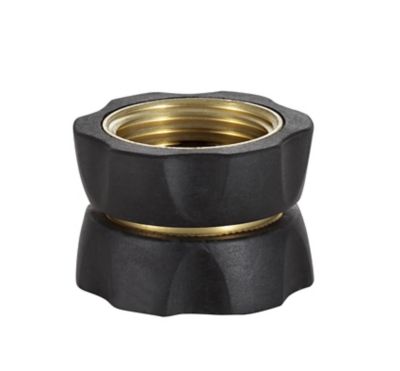
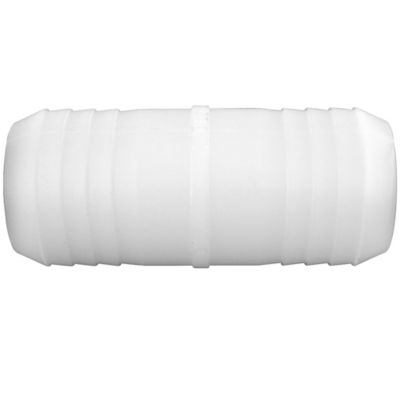
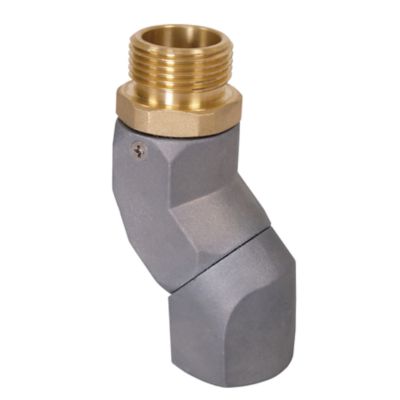
When the days start stretching out and the sun gets a little stronger, there’s nothing handier than having your hoses and watering gear in tip-top shape. Whether you’re tending to a backyard vegetable patch, keeping livestock watered, or just making sure your flower beds stay bright and lively, reliable hose connections are a must. That’s where male hose connectors come in—they’re the unsung heroes of every outdoor setup, making it easy to hook up, extend, or repair your existing hoses without a fuss. Folks who spend their days working the land or just enjoy a bit of weekend tinkering know the value of having a few spare male garden hose ends on hand. These little fittings can save the day when a hose gets a split or the original end wears out, letting you cut back to good hose and fix it up without needing to buy a whole new length. For anyone with a collection of hoses in the barn or garage, having a couple of hose male to male connectors is a real time-saver, especially when you need to stretch your reach to the far corners of a pasture or garden.
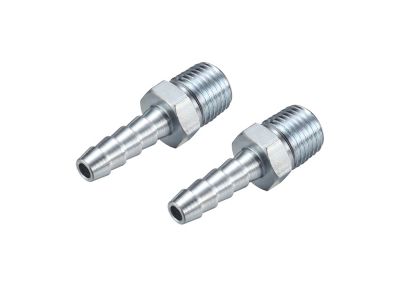
There’s a whole world of hose connector types out there, and picking the right one depends on what you’re working with and what you need to get done. A garden hose adapter male to male is perfect for joining two hoses together, giving you the extra length you need for bigger jobs—like washing down equipment after a long day in the field or filling up a stock tank that’s just a little out of reach. If you’re running drip irrigation or specialty watering systems, you might need something more specific, like a hose to 1/4 adapter, which lets you hook up smaller tubing to a standard-size hose. This can make all the difference when you’re setting up a system to keep young trees watered or getting a greenhouse ready for the season. Male hose connectors aren’t just for the pros, either—they make a thoughtful gift for anyone who loves to garden, keep animals, or just enjoys spending time outdoors. From seasoned ranchers to folks just starting their first raised beds, these connectors are the kind of practical, everyday tools that get used all season long.
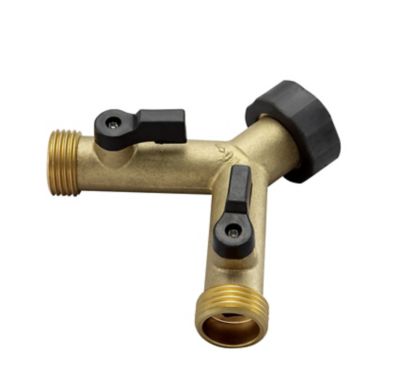
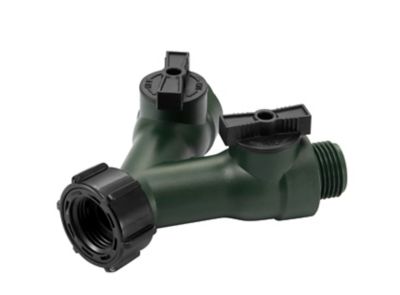
As the weather warms up and outdoor chores pile up, it’s a good idea to check your hoses and fittings for leaks or wear, and swap out any parts that look past their prime. A sturdy male hose connector can help you patch things up quickly and keep your watering routine running smooth, whether you’re prepping for a summer barbecue or making sure the livestock stay cool and hydrated. And if you’ve got a more complicated setup with multiple hoses running at once, you might want to explore options like
Multi Hose Connectors to make your system even more versatile. No matter what you’re working on, having the right connectors on hand means less time fussing with leaks and more time enjoying the fruits of your labor—whether that’s a lush lawn, a bumper crop, or just a little peace and quiet at the end of a long day.