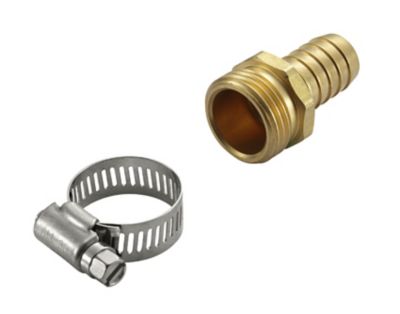
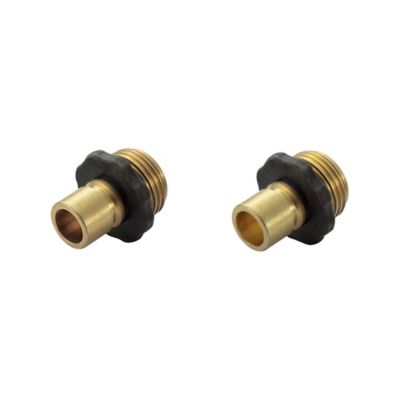
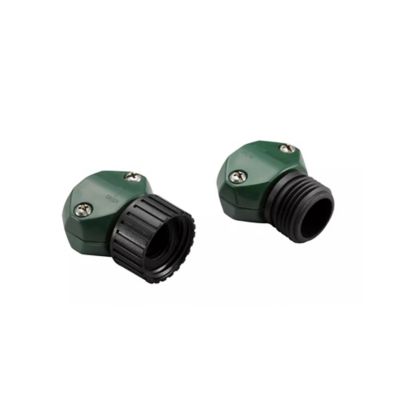
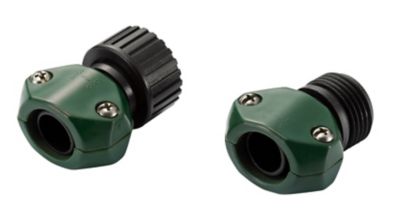
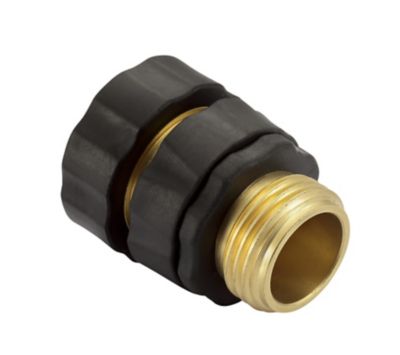
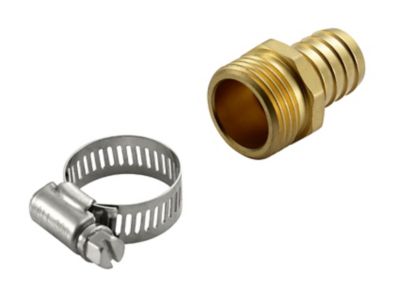
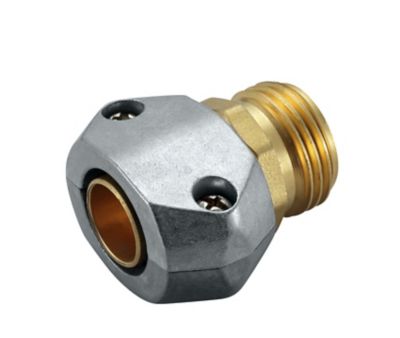
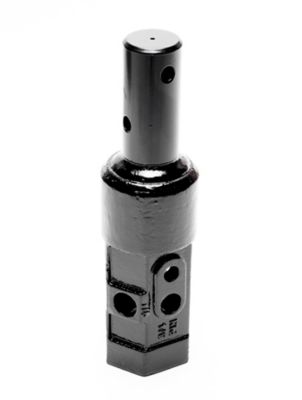
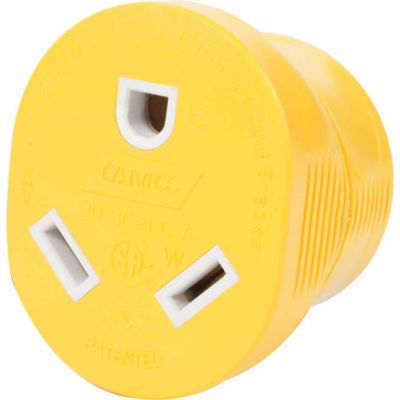
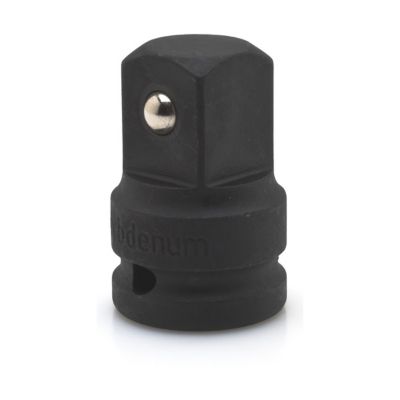
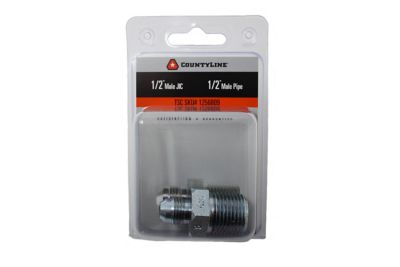
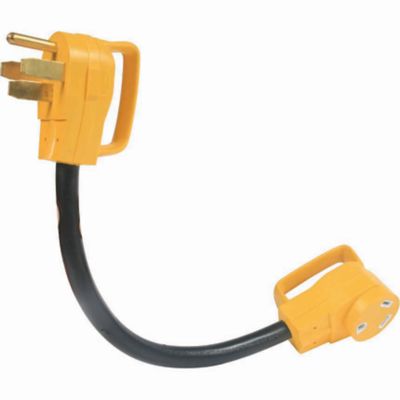
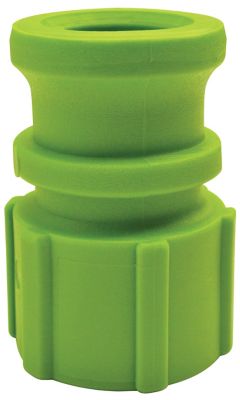
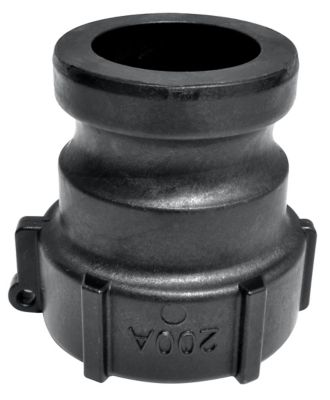
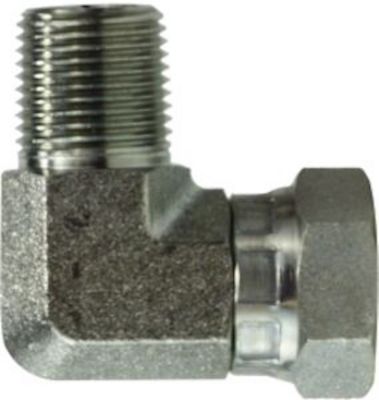
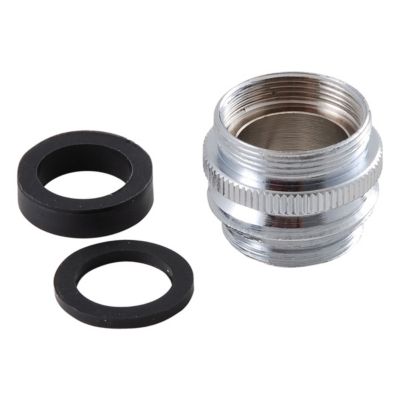
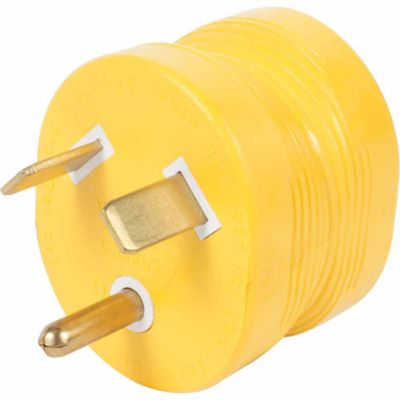
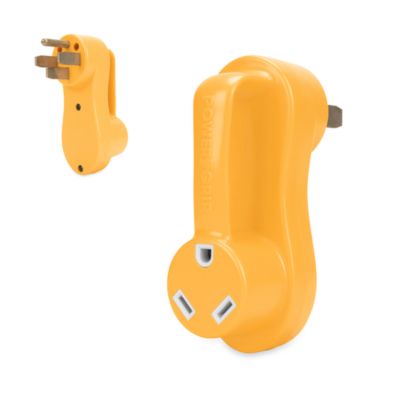
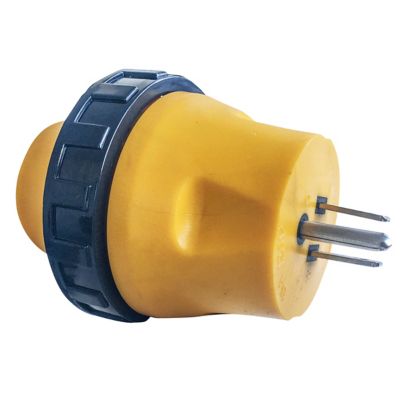
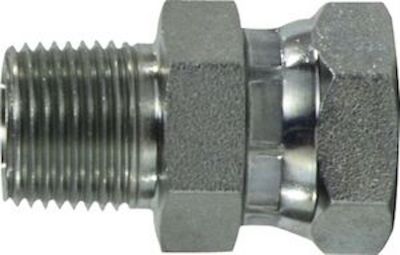
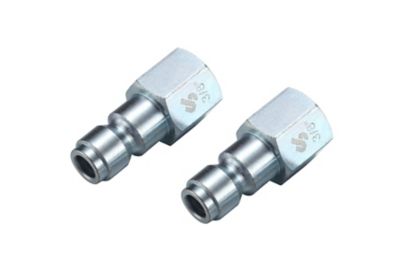
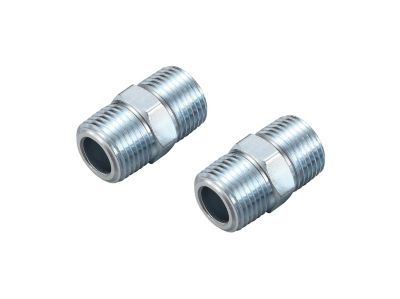
Male adapters are handy connection fittings for plumbing, irrigation, water transfer, and electrical conduit projects around the farm, ranch, home, shop, or outbuilding. They typically have external male threads on one end and a smooth slip socket or another type of connection on the other, allowing smooth pipe to connect with a female-threaded valve, pump, fitting, junction box, or other component. This simple changeover can make a big difference when you are tying together parts that were not made with the same connection style. A farmer repairing a stock-tank line, a homeowner replacing a section of outdoor plumbing, and a maintenance worker adding conduit to a weatherproof electrical box may all reach for a male adapter, though the right choice depends on the job. Plumbing adapters are commonly made for PVC or CPVC pipe and may be rated for different schedules and pressure conditions, while electrical conduit adapters are designed to secure conduit to boxes and enclosures with the proper locknut and fitting arrangement. Before choosing one, check the pipe or conduit material, nominal size, connection type, and intended use. Pipe size refers to a standardized nominal measurement rather than an exact measurement across the outside, so comparing the markings on the pipe and existing fittings can help prevent a frustrating mismatch. It also helps to note whether the threaded opening uses tapered pipe threads, often identified as MPT or MIPT, or a straight thread intended for a different connection. When you are working with a female-threaded component, a male adapter may provide the clean transition needed; when the connection needs to go the other direction, related options such as
Female Plugs may be useful to keep on hand. Having a small assortment of common sizes in the barn cabinet or workshop can save a long drive into town when a fitting cracks during a cold snap or a watering line needs attention before chores.
The material and rating matter just as much as the size. Plastic male adapters are lightweight, resist rust, and work well for many water, irrigation, and utility applications when matched to the pipe and pressure requirements. Schedule 40 fittings are common for general-purpose projects, while Schedule 80 options have thicker walls and may be selected for applications that call for additional strength or a higher pressure rating. Metal adapters may be preferred in areas where extra durability, heat resistance, or a more rugged connection is needed. Always confirm that the fitting is approved for the fluid, temperature, pressure, and environment involved. A fitting used on a low-pressure garden line may not be suitable for a pressurized water system, chemical transfer, compressed air, or fuel. For plumbing connections with male pipe threads, wrap approved thread-sealing tape around the threads in the direction they will tighten, or use a compatible thread sealant when appropriate. Keep the tape and sealant off the first thread so loose material does not work its way into the line. Tighten the connection firmly, but take care with plastic: tapered threads can split a female plastic fitting when overtightened, especially if the fitting is cold or already under strain. On the smooth slip side of a PVC or CPVC adapter, use the proper primer and cement for the pipe material and follow the product directions for cleaning, assembly, and cure time. A good connection should be supported so the adapter is not carrying the weight of a long pipe run, pump, valve, or hose. In the same way, conduit adapters should be sized for the conduit and enclosure, seated properly, and secured with the correct locknut so the assembly stays protected from movement and moisture. Shut off water or electrical power before making repairs, and follow local plumbing and electrical codes for permanent installations. When a project involves household wiring, buried utilities, drinking-water lines, gas, or a high-pressure system, professional help can be the safest choice.
Male adapters are useful to keep in a repair tote, service truck, greenhouse cabinet, or tool drawer because they often solve the kind of small connection problem that stops a much larger job. They can help connect a pump or filter to a threaded valve, transition an irrigation run to a hose bib, attach smooth-wall pipe to a threaded tank fitting, or bring PVC conduit into an electrical box. They are also practical for seasonal property upkeep: watering systems may need adjustments as the weather cools, outdoor lines benefit from inspection before freezing conditions, and sheds, workshops, barns, and livestock areas often see more maintenance as people prepare for shorter days and colder nights. Store spare fittings out of direct sunlight, dirt, and extreme heat, and keep them organized by size and material so the right one is easy to find with muddy boots on and a job waiting. For a dependable repair, inspect mating threads for damage, make sure pipe ends are cut square and clean, and avoid forcing parts that do not line up naturally. A properly matched adapter can make future servicing easier by giving a valve, pump, or conduit run a clean, accessible transition. These fittings can be a thoughtful practical gift for a new homeowner, hobby farmer, gardener, do-it-yourself repairer, or anyone setting up a workshop, especially when paired with a basic plumbing or electrical maintenance kit. Whether the work is a quick fix near the garden, a better-organized utility connection in the shop, or a planned improvement around the homestead, choosing a male adapter made for the right material, size, thread, and working conditions helps create a connection that holds up through everyday use and changing weather.