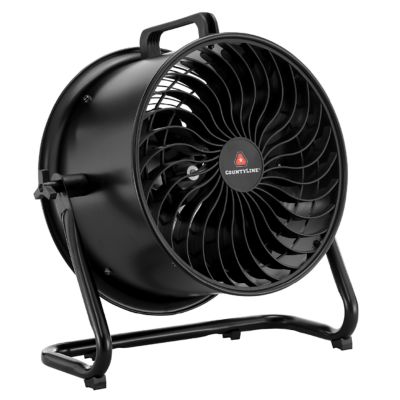
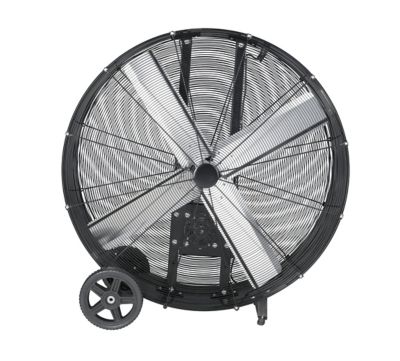
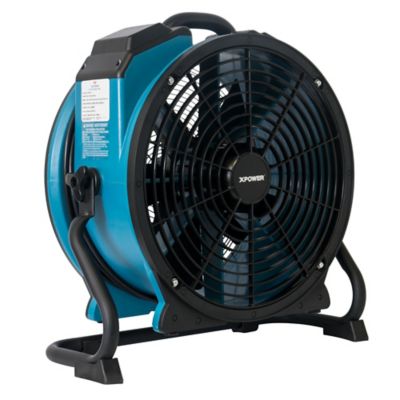
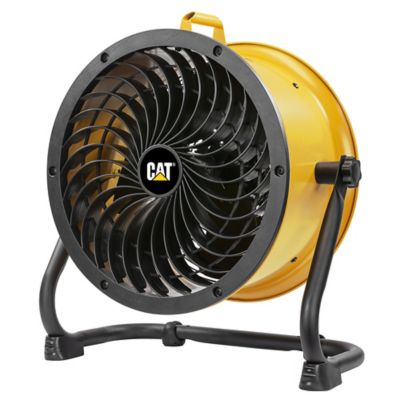
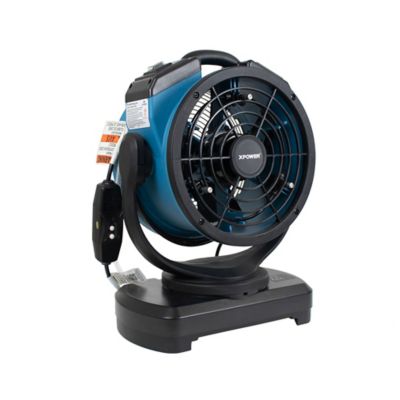
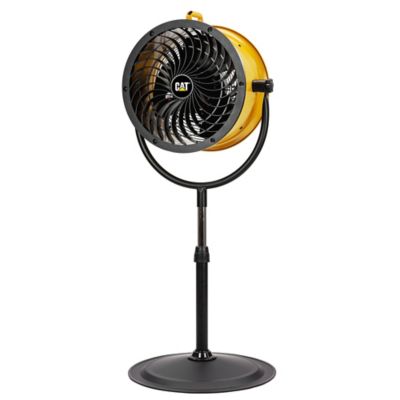
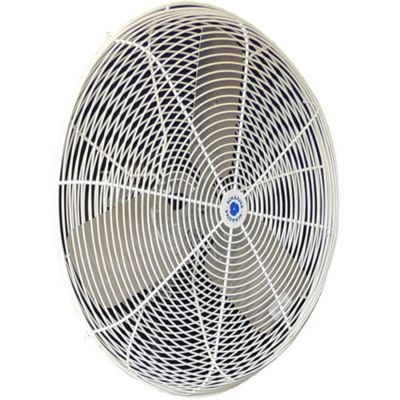
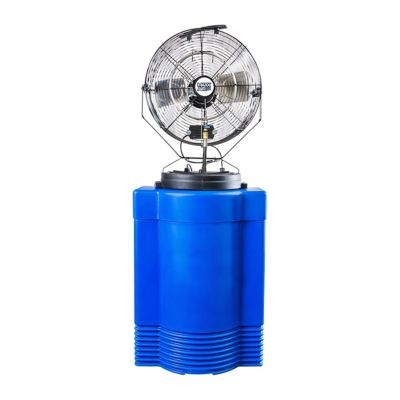
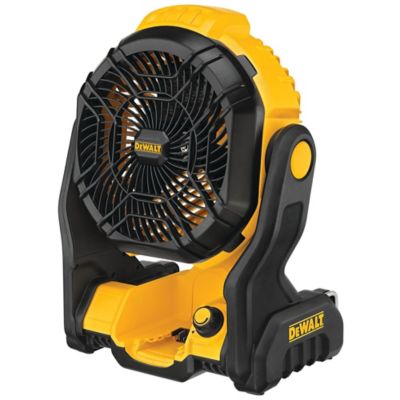
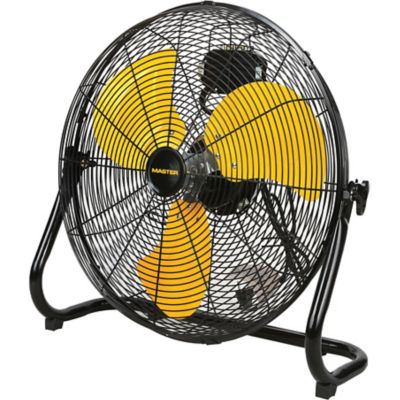
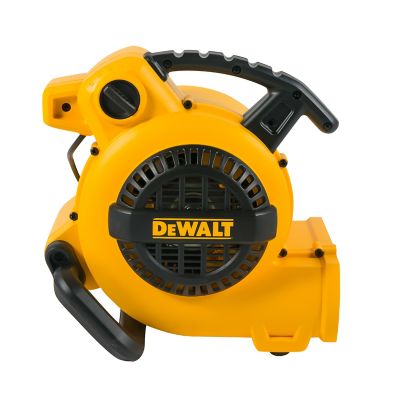
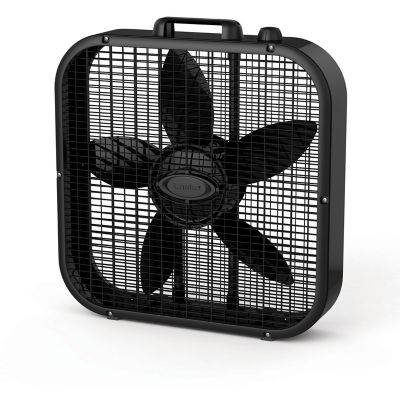
Animal shelters have a lot going on between feeding rounds, kennel cleaning, laundry and animals settling into unfamiliar surroundings. Fans for animal shelter air circulation help keep air moving through these busy spaces, with designs suited to different room layouts, mounting locations and daily routines. A kennel aisle with rows of runs calls for a different setup than a quiet cat room, a livestock rescue barn or a feed storage area. Circulation fans move air within a space, while exhaust fans move air out through an opening as part of a ventilation arrangement that also needs a path for replacement air. That distinction matters: a fan stirring the same air around a room does not provide fresh air on its own. Air movement works alongside the building’s ventilation, filtration and cleaning practices rather than taking their place. In animal housing, airflow direction deserves just as much attention as airflow strength. A strong stream blowing from one occupied enclosure toward another can carry dust, hair and other airborne material between animals. Shelter ventilation plans, particularly around isolation rooms, belong with a veterinarian and a qualified ventilation professional. For everyday circulation, adjustable speed settings give staff more flexibility than a single forceful setting, especially where resting areas sit close to the fan. Broad, gentle air movement may suit a shared room better than a concentrated blast aimed at bedding. Dogs stretched out after a walk, cats tucked into resting cubbies and animals recovering under veterinary supervision all need spaces where airflow does not interfere with comfort or care. Staff benefit from practical placement, too, with fans positioned away from leash routes, feeding stations and the spots where carts turn into an aisle. The best fit depends on the whole room, not simply the largest fan that will fit through the door. Ceiling height, partitions, open doorways and equipment can all change where air travels once a fan is running.
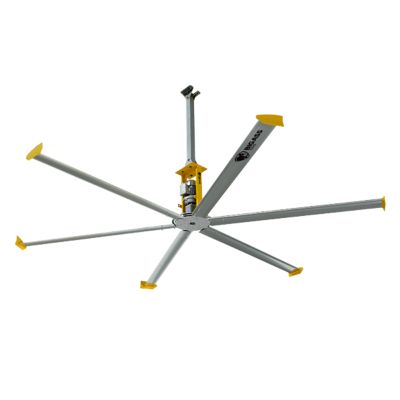
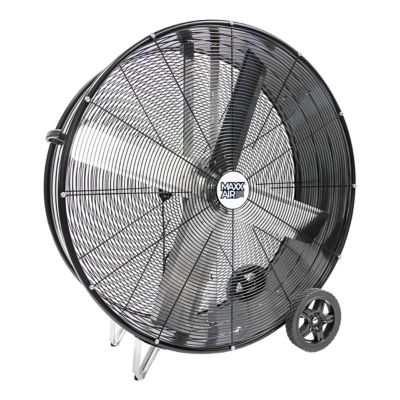
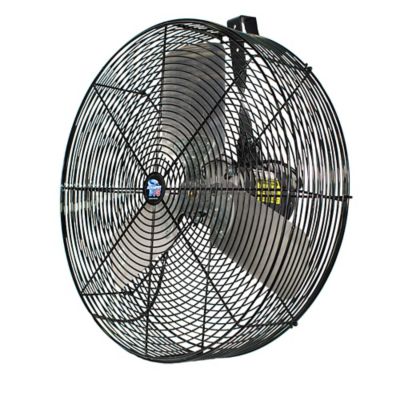
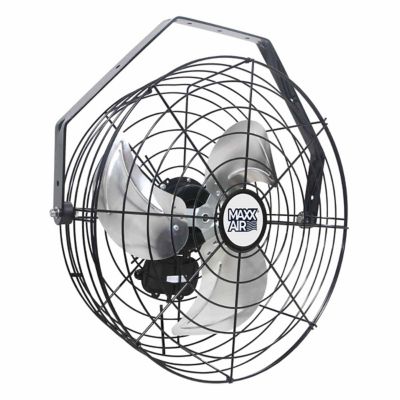
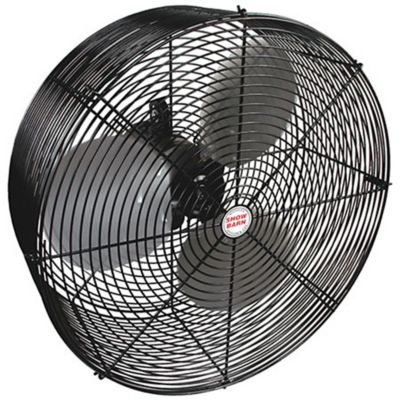
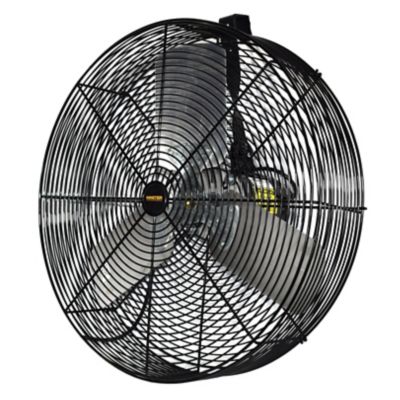
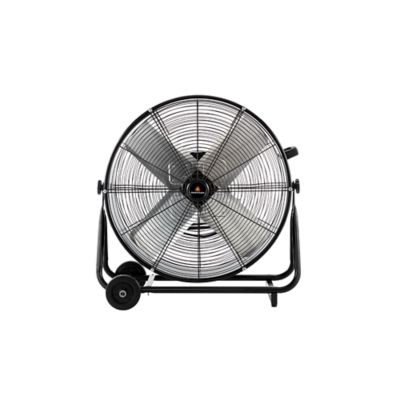
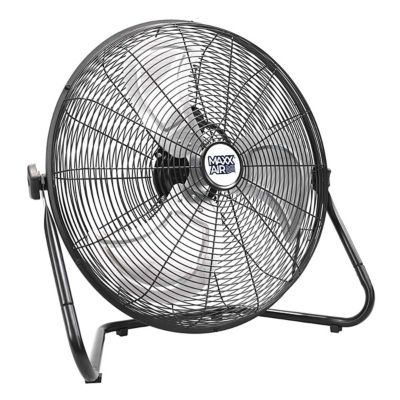
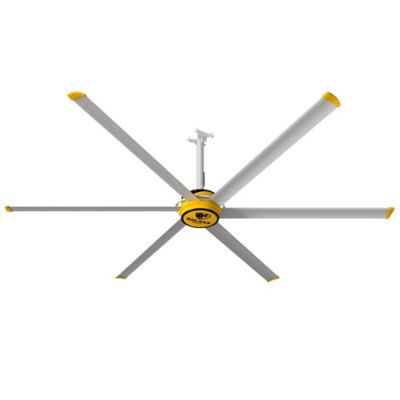
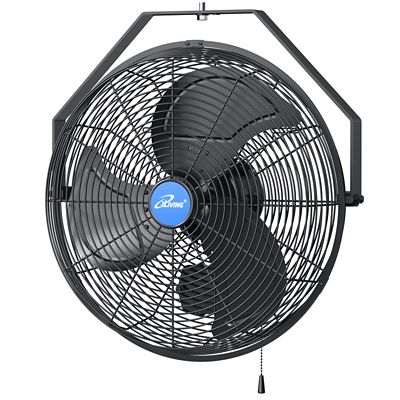
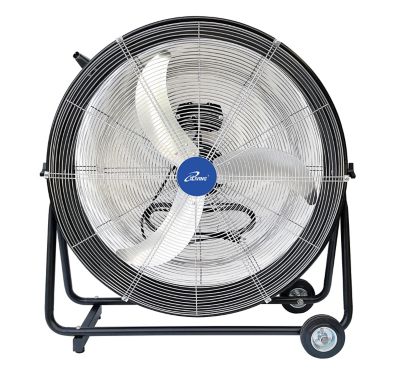
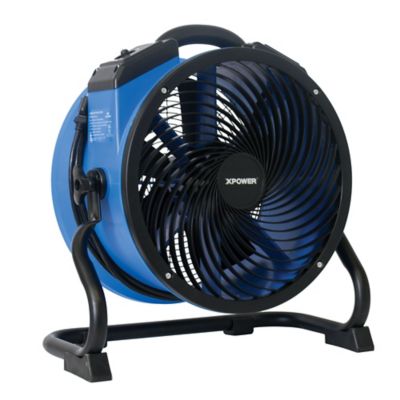
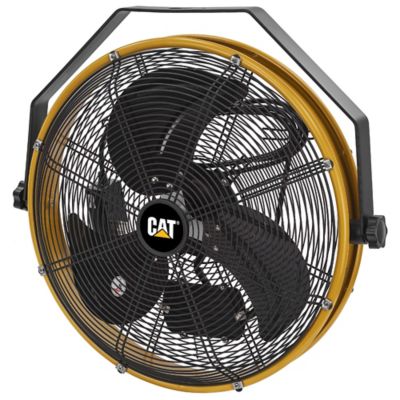
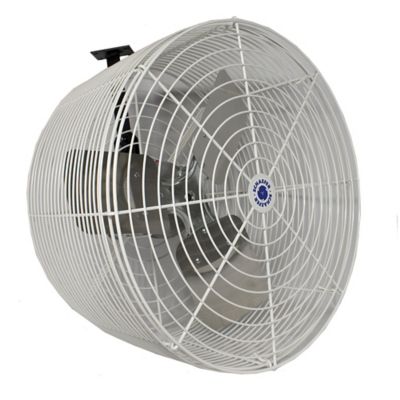
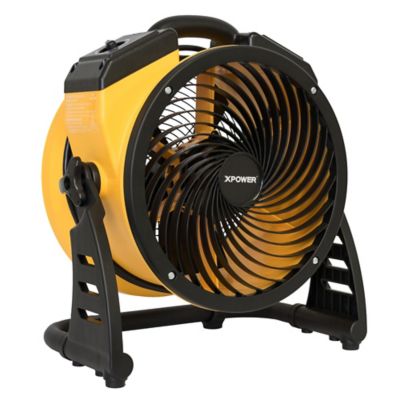
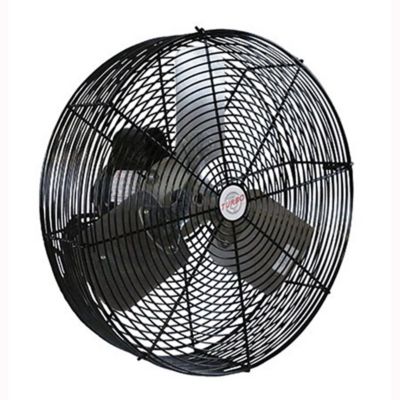
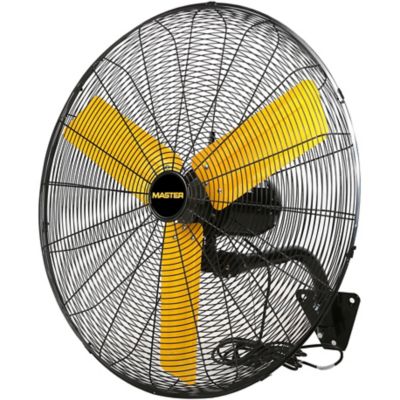
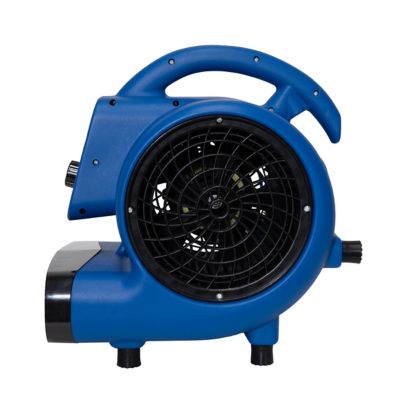
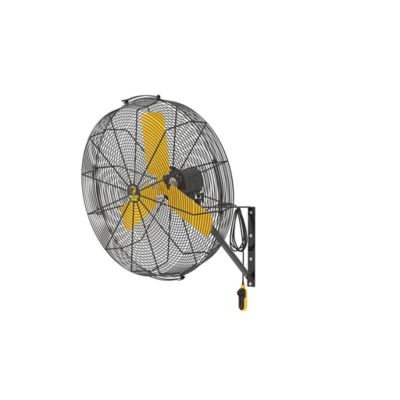
Fan construction makes a difference in a shelter, where loose fur, dust and frequent cleaning are part of the workday. Steel housings and frames provide a sturdy structure, while protective finishes can help resist surface corrosion when maintained according to the manufacturer’s directions. Some designs feature plastic components that are lighter to handle and easy to wipe down, though the full assembly still needs to match its intended setting. No material alone makes a fan suitable for splashing water, damp locations or washdown cleaning. Those applications call for equipment specifically rated for the conditions, including its motor, controls, cord and connections. Wall-mounted fans can keep floor space clear in narrow kennel aisles, provided the wall structure and mounting hardware support the equipment and its operating forces. Pedestal and floor fans offer more placement flexibility, but their bases need room away from paws, swinging gates and busy walkways. In a large rescue barn, overhead circulation equipment may keep equipment out of reach, though mounting height, structural support and service access remain important considerations. Protective guards belong between moving blades and curious animals, but a guard should never be treated as permission to put a fan within reach of noses, paws or climbing cats. Cords also need protection from chewing, snagging and contact with cleaning water. Electrical protection should match local requirements and the manufacturer’s instructions, with a qualified electrician handling installations where needed. Airflow ratings, often listed in cubic feet per minute, help describe how much air a fan moves, but they do not tell the whole story about coverage. Blade size, discharge pattern, distance and obstacles affect the result. Sound matters as well. A rattling housing or pronounced mechanical hum can be distracting in an adoption room or intake area, especially for animals already reacting to unfamiliar voices and barking. Smooth operation, secure mounting and accessible speed controls are practical features for staff who need to make adjustments without interrupting animal care.
Day-to-day upkeep is another part of choosing fans for shelter spaces. Hair can collect on guards, and dust can build up on blades and motor openings, so accessible surfaces make a difference when cleaning time comes around. Removable guards may simplify maintenance where the design allows them, but power must be disconnected before cleaning or servicing, and the manufacturer’s directions should govern disassembly. A fan that fits the room but sits beyond safe cleaning access can become a headache once fur starts gathering along its grille. Shelters with several animal areas may benefit from equipment that is straightforward to inspect, with controls that are easy to recognize and mounting points that remain visible. Loose fasteners, a damaged cord, unusual vibration or a new scraping sound call for taking equipment out of service until the issue is addressed. Fans also need clear space around their intake and discharge sides; stacked bedding, feed bags and supply carts can block airflow even when the motor sounds normal. In rooms with litter, bedding or feed dust, placement should avoid stirring settled material into occupied areas. Odors deserve attention at their source through waste removal, cleaning and appropriate ventilation, rather than simply being pushed farther down the aisle. Separate shelter support spaces can have different needs from animal rooms: laundry areas, utility rooms and below-grade storage each have their own layout and moisture considerations. For a separate below-grade space,
Fans for Basement Ventilation offers a related selection centered on that setting. Across a shelter property, thoughtful fan choices come down to matching the equipment to the space and the work happening there. Clear aisles, protected wiring, manageable sound and reachable cleaning surfaces make everyday operation easier for the people handling feed buckets, washing bowls and caring for animals. Well-matched circulation equipment supports those routines without getting in the way of the shelter’s larger ventilation and animal-care plans.