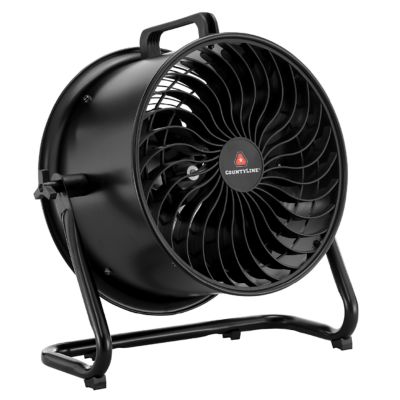
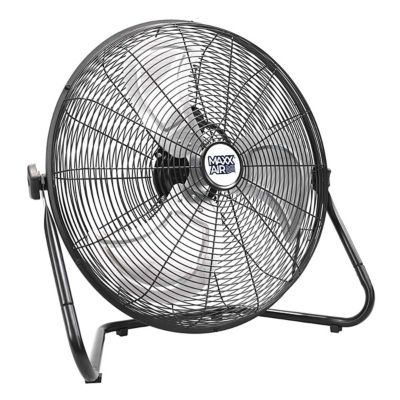
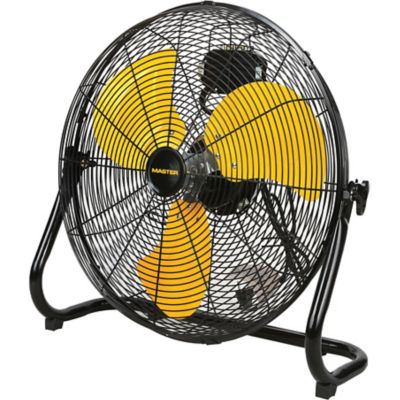
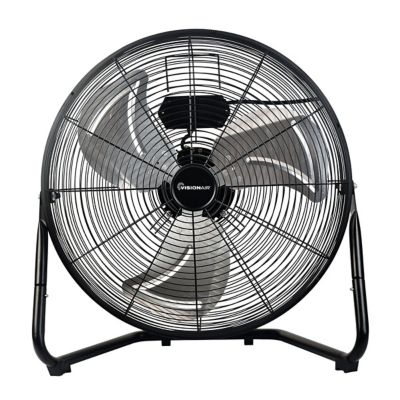
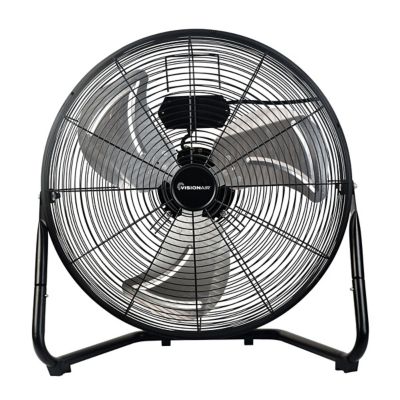
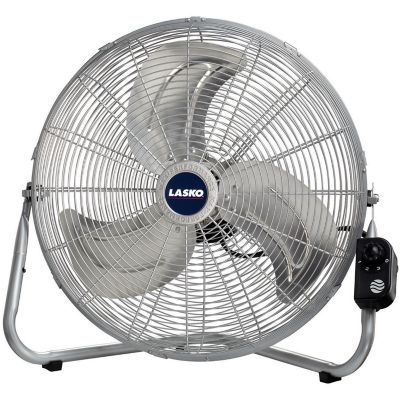
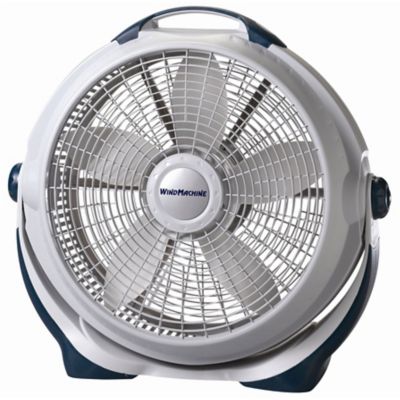
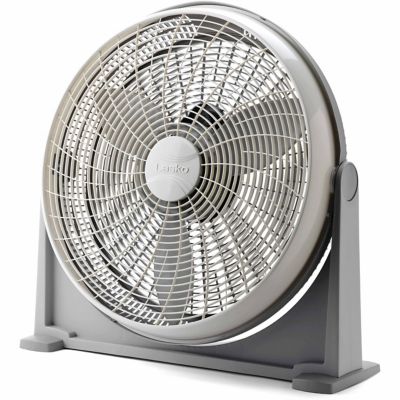
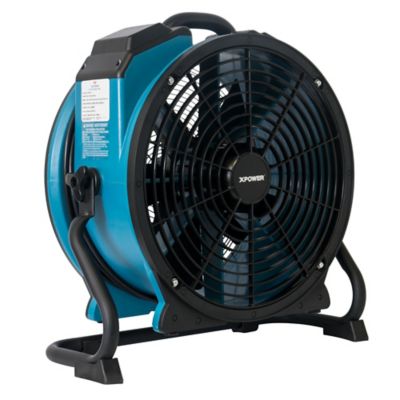
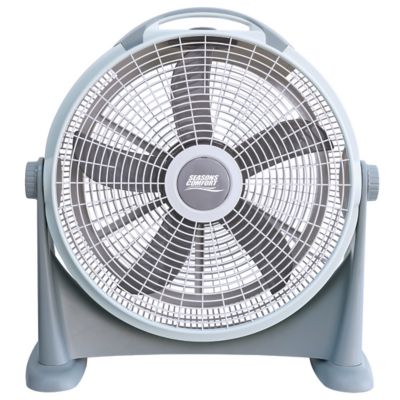
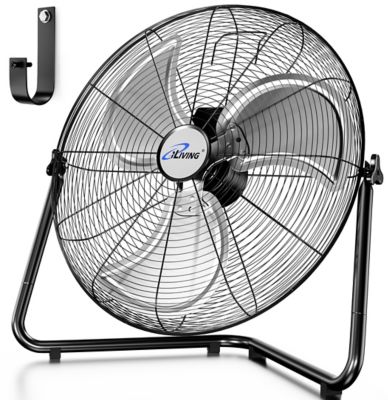
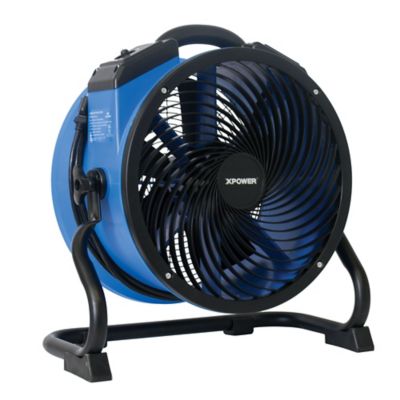
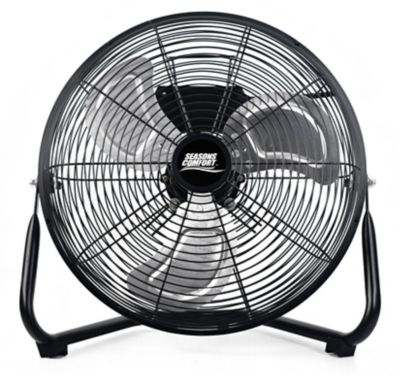
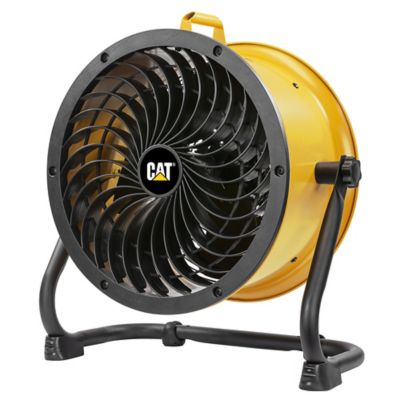
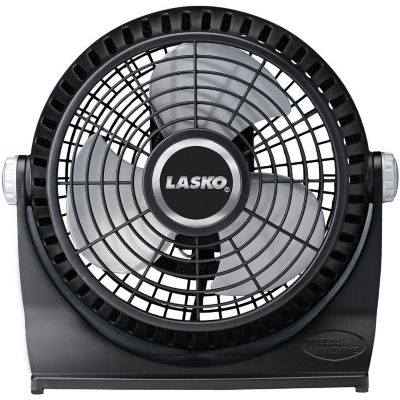
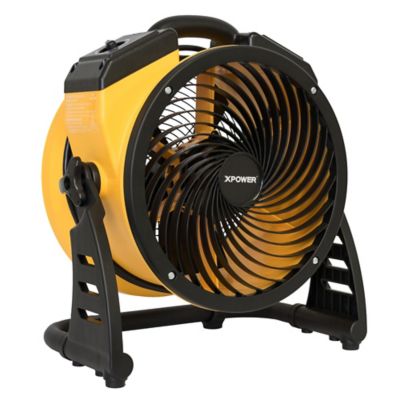
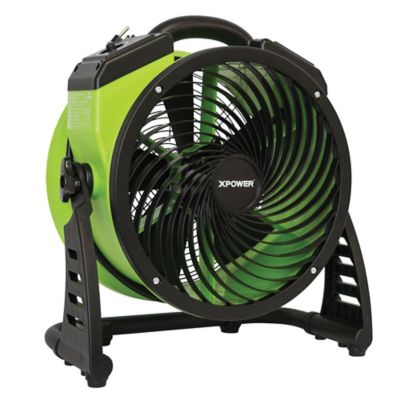
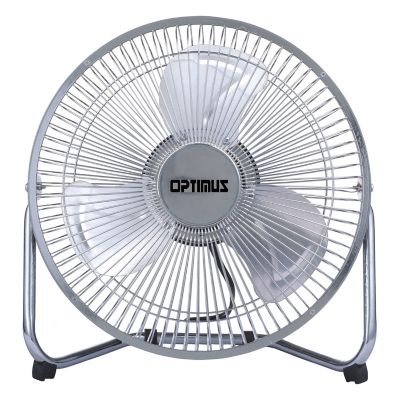
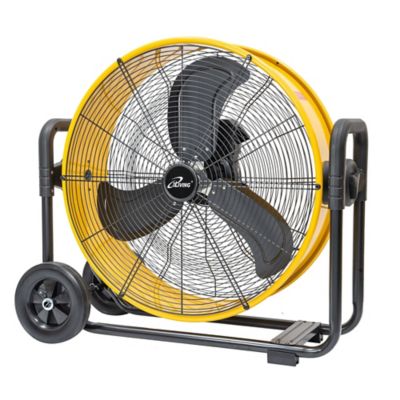
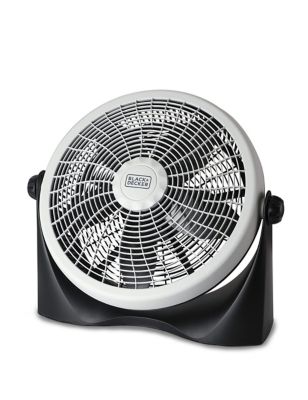
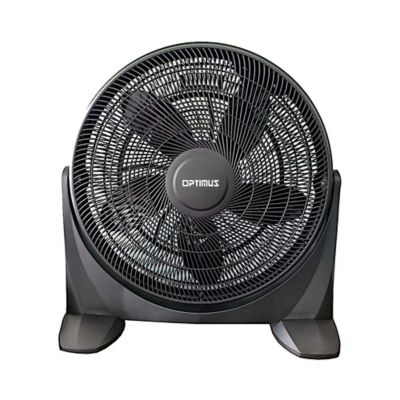
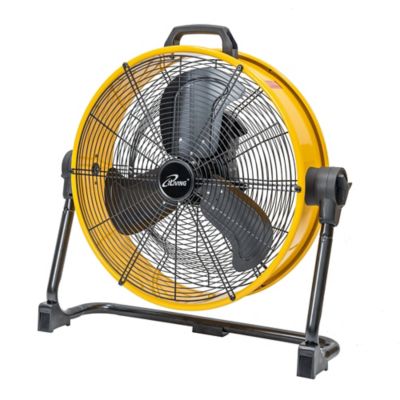
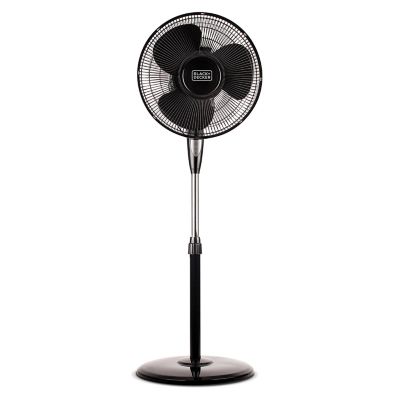
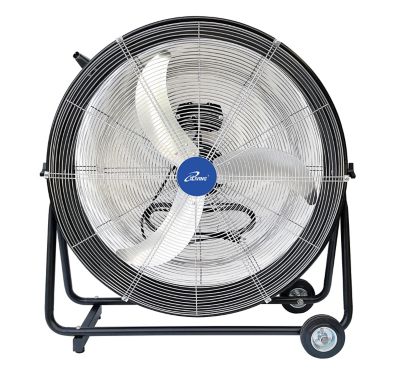
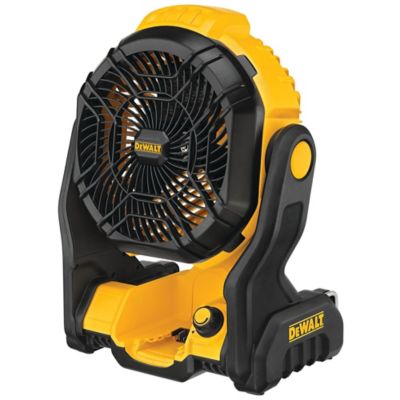
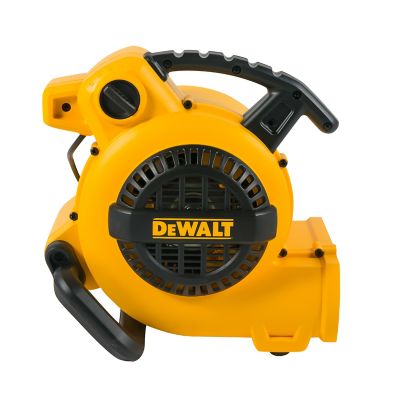
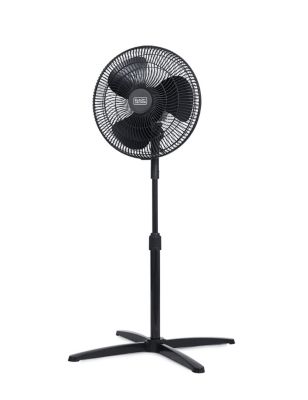
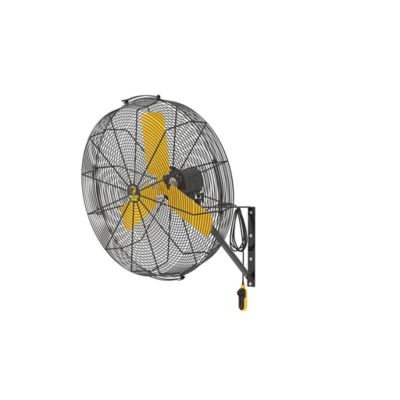
Floor Fans for home air circulation keep air moving through living rooms, bedrooms and other everyday spaces, helping a room feel less still without a permanent installation. A floor fan draws in surrounding air and sends it across the room, creating a breeze and encouraging air to mix instead of sitting in one spot. It does not lower the room’s temperature like an air conditioner, remove moisture like a dehumidifier or filter particles like an air purifier. Its job is straightforward: move air where it makes the space more comfortable. That can mean a gentle breeze beside a reading chair, steady circulation across a family room or airflow through an open doorway between connected rooms. Low-profile designs sit close to the floor and can tuck beside furniture, while larger housings need more open space around them. Box-style fans, round floor fans and pivoting designs offer different footprints and airflow patterns, so the fit depends on both the room and the way the household spends time there. A narrow bedroom walkway calls for a different setup than a roomy den where people gather after chores. Room dimensions matter, but furniture placement, doorway locations and the distance between the fan and the seating area matter, too. Air needs a clear path into the intake and out through the grille; a fan crowded behind a sofa will not circulate air as freely as one with breathing room. In connected spaces, placement near an open interior doorway can help move air between rooms, though one fan cannot promise even airflow throughout an entire house. For households running heating or air conditioning, a floor fan can supplement air movement, but it does not replace the home’s ventilation system or guarantee lower energy bills. The most useful choice is one that fits the space, reaches the occupied area and makes sense for daily routines, whether that is folding laundry, settling in with a book or spending an evening around the kitchen table.
Airflow strength, speed settings and sound level all shape how a floor fan feels in the home. Air delivery is often listed in cubic feet per minute, or CFM, which describes the volume of air the fan moves. A higher rating generally means more airflow, but blade size alone does not tell the whole story, and ratings are most helpful when test conditions are comparable. A strong, concentrated stream may suit a broad, open room, while a gentler setting can be more pleasant beside a desk or bed. Multiple speeds give the fan more flexibility as activities change throughout the day. Pivoting heads let airflow angle upward or across a room, and oscillation, where offered, spreads the breeze from side to side rather than keeping it fixed on one spot. For watching television or talking across the dinner table, the sound at the intended setting deserves as much attention as the maximum output. Motor hum, blade noise and vibration can all affect how noticeable a fan becomes, especially on a hard floor. A steady base and non-slip feet help keep the housing planted, while a carrying handle makes room-to-room moves easier. Controls within easy reach can be handy for someone who does not want to bend down each time the speed needs changing; remote controls and timers, when included, offer another way to manage everyday operation. Materials also affect weight, handling and upkeep. Metal housings and guards often have a substantial feel, while plastic housings can be lighter to carry between a bedroom and living room. Neither material tells the full story about service life: secure fasteners, a stable frame, protected blades and proper care all matter. A compact fan may be easier to put away, but its cord, base and adjustment range still need to fit the intended spot. For a gift, those practical details usually matter more than choosing the largest fan, particularly for someone furnishing a first home or setting up a small office.
Everyday care and sensible placement help a floor fan stay ready for regular use. Household dust and pet hair can collect on the grille, blades and intake, restricting airflow and adding to the cleanup when the fan starts again. A housing with accessible cleaning points can make maintenance less of a chore, though guards should only come off as directed by the manufacturer. The fan needs to be switched off and unplugged before cleaning, with electrical parts kept dry and everything fully dry before operation. Motor lubrication is not a routine requirement for every design; the owner’s manual determines whether any is appropriate. A soft brush or vacuum attachment may help lift loose dust from accessible surfaces when the care instructions allow it. Between cleanings, a steady, level floor surface helps prevent rocking, and the power cord belongs out of walkways rather than under a rug or pinched behind furniture. Keeping curtains, bedding and loose clothing away from the intake gives air room to move and helps prevent fabric from catching. Blade guards reduce access to moving parts, but they do not make a fan childproof or petproof, so placement still matters in a busy household. Indoor-only models belong in dry indoor spaces, not beside a sink, on a damp floor or out on an exposed porch. A floor fan also should not pull vehicle exhaust, fumes or dusty air from an attached garage into the house. For normal household circulation, a spot with a clear airflow path and some distance from loose papers, pet bowls and lightweight curtains is usually more practical than an out-of-the-way corner blocked by furniture. When the fan moves between rooms, carrying it by its designated handle rather than its cord helps protect the wiring and connections. With the right footprint, manageable sound and straightforward upkeep, a floor fan can settle into the household routine without taking over the room.