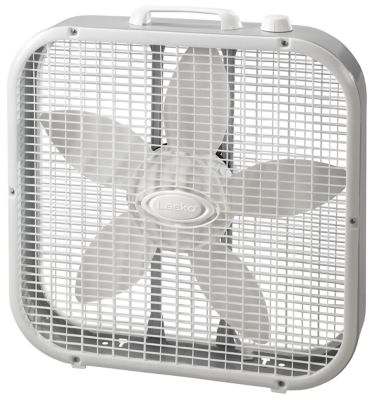
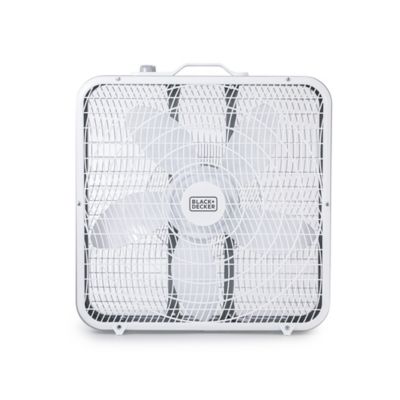
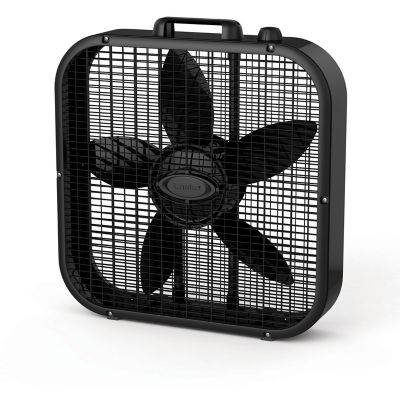
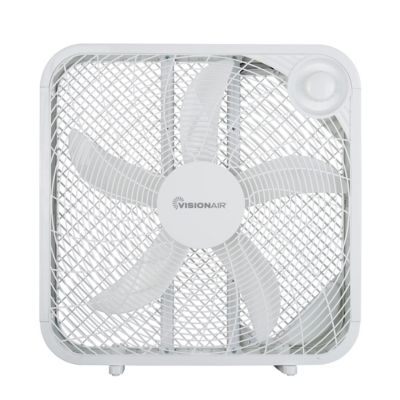
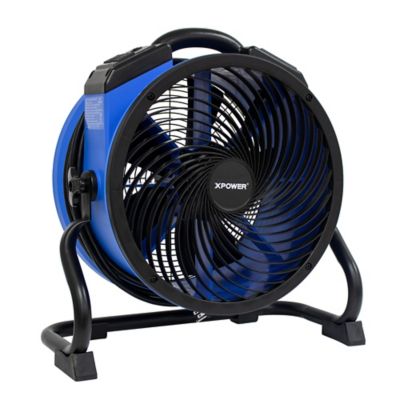
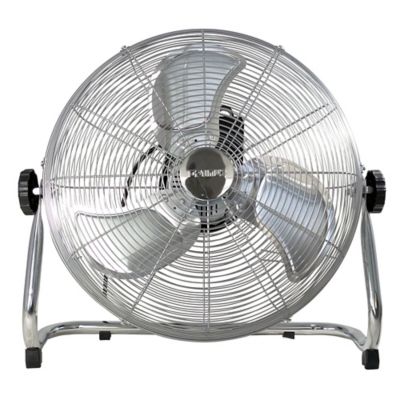
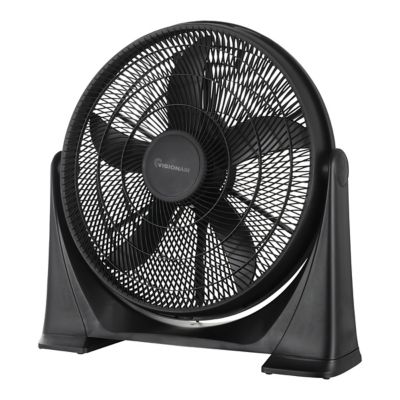
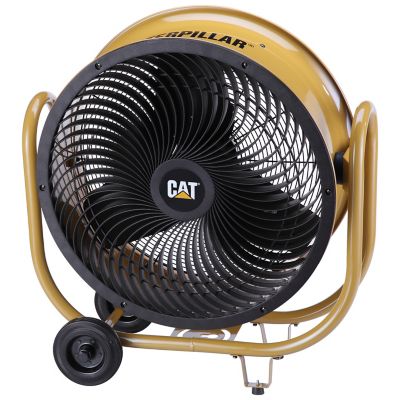
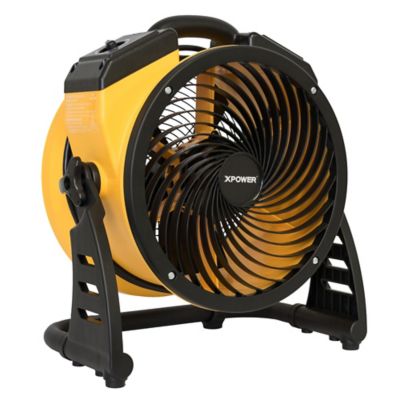
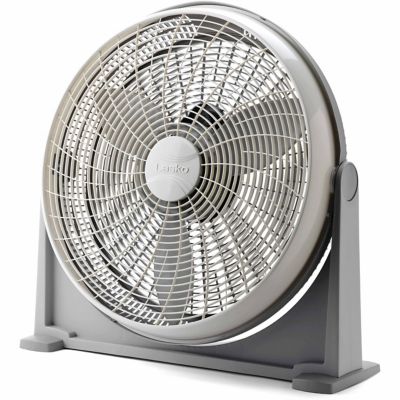
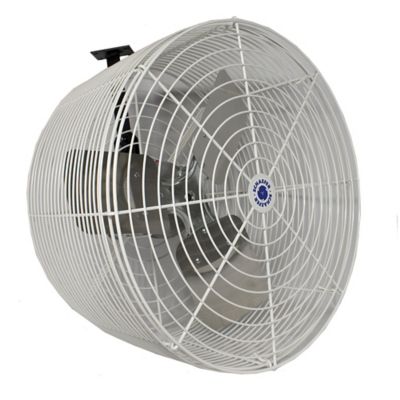
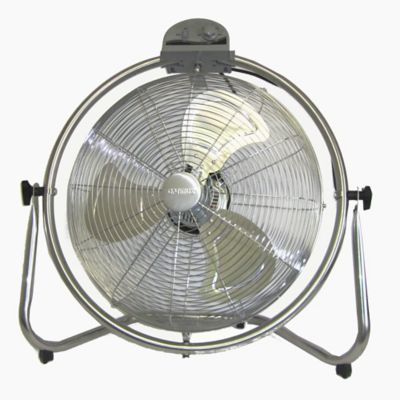
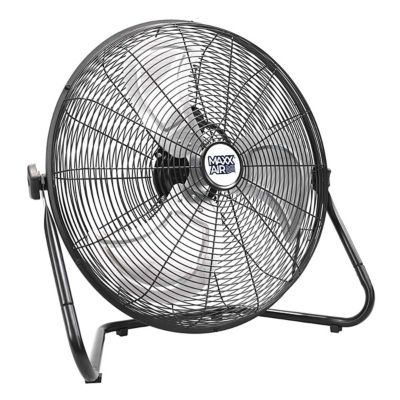
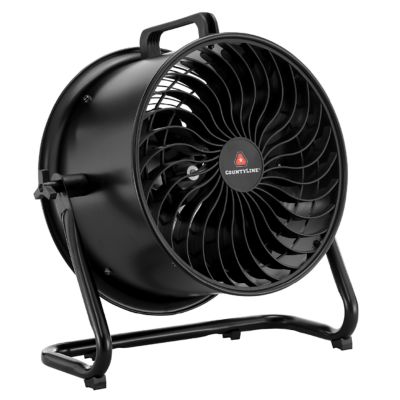
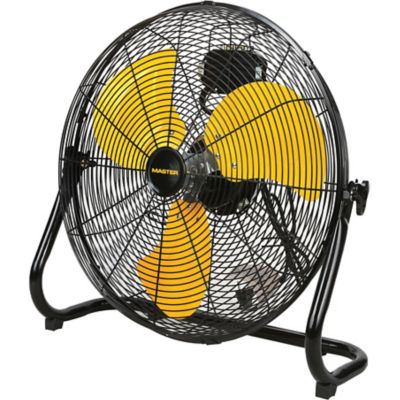
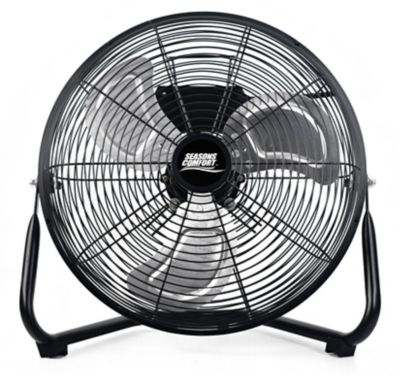
Box fans for air circulation help keep air moving through everyday spaces, from a living room with a deep seating area to a spare bedroom that doubles as an office. Their familiar square housing surrounds a spinning blade, while front and rear guards help keep objects away from moving parts. The broad face sends air in one main direction, making this style a practical choice when a room needs a steady breeze without a tall stand or a permanent installation. A box fan can support circulation within a room or help with air exchange through an opening when its placement and operating instructions allow. Those are different jobs: circulation moves air already inside, while ventilation exchanges indoor and outdoor air. Neither makes an ordinary box fan an air purifier, and moving air alone does not remove moisture from a room. For everyday comfort, the right match depends on more than blade size. Overall dimensions, airflow output, speed settings and the distance between the fan and the occupied area all affect how well it suits the space. Airflow may be listed in cubic feet per minute, or CFM, which describes the volume of air the fan moves under test conditions. That number helps with comparisons, but furniture, doorways and placement still influence the breeze that reaches a chair or worktable. A higher setting can move more air across an open room, while a lower setting may be a better fit beside a desk or near a television. Sound matters, too, especially where conversation, sleep or phone calls are part of the day. Motor noise, blade sound and vibration against the supporting surface can all contribute to what someone hears. For a bedroom, home office or shared living area, having several speed choices gives more flexibility than looking at maximum airflow alone. A clear path in front of and behind the housing helps the fan do its job without a curtain, couch cushion or stack of boxes blocking the breeze.
The frame, guards and base deserve a close look because they affect how a box fan fits into daily routines. Housings may feature plastic, metal or a combination of materials, with different tradeoffs in weight, handling and resistance to everyday bumps. A lighter frame is easier to carry from a bedroom to a den, while a heavier build may feel more settled in one spot. Weight alone does not tell the whole story, though; the width of the feet, the balance of the housing and the condition of the supporting surface all matter. A level, stable base helps limit rocking and vibration, particularly on hard flooring. Overall depth is worth checking along with height and width, since a narrow-looking fan still needs room for its feet, handle and power cord. Listed fan size does not necessarily describe the full outside measurements. In a small farmhouse bedroom or a crowded home office, that difference can determine whether the fan fits without narrowing a walking path. Carry handles, accessible controls and clearly marked settings make frequent moves and everyday adjustments less of a fuss. Someone moving a fan between rooms after chores may value easy handling, while someone keeping it beside a reading chair may care more about reaching the speed control without stretching behind the housing. Guard construction matters as well, especially in a home with children or pets, although a guard never takes the place of keeping fingers, paws and loose objects away. Comparing box fans with other
Floor Fans can help match the frame shape, airflow direction and footprint to the space. Some layouts call for a straightforward stream of air near floor level; others benefit from a different support style or an adjustable angle. Electrical ratings and wattage are also useful comparison points, particularly for a fan expected to run for extended stretches. Controls, carrying features and construction all contribute to a good fit, but the intended operating location should stay at the center of the decision.
Everyday placement and care help a box fan stay ready for the next room that needs air movement. In a living area, a position clear of upholstered furniture gives the intake room to draw air, while a cord routed away from foot traffic reduces a tripping hazard. A doorway can provide a useful path between connected rooms, provided the fan does not block access or interfere with the door. Window placement requires more than a square frame that happens to fit: the manufacturer's instructions must allow that setup, the unit needs firm support, and electrical parts need protection from moisture. A window screen alone cannot hold a fan safely in place. Garages, sheds and work areas need extra consideration because a household box fan is not automatically suited to damp locations, airborne sawdust or other demanding conditions. Ordinary fans are not substitutes for equipment designed to handle combustible dust, flammable vapors or hazardous fumes, and airflow does not make it safe to run an engine indoors. Around a home workbench, loose paper, cloth scraps and cords need space away from the guards. For routine cleaning, unplugging the fan comes first, followed by the cleaning method allowed in its care instructions. Dust on guards and blades can interfere with airflow, so accessible surfaces and manufacturer-approved guard removal can make upkeep simpler. Motors, switches and cords should stay dry, and a damaged cord, cracked guard or unusual vibration calls for stopping operation rather than pressing on. Storage matters between uses, too: a dry spot away from heavy stacked objects helps protect the housing and keeps the cord from getting pinched. For apartment residents, families, students and folks making room for a home office, box fans offer a straightforward way to direct air where daily life happens. The most useful choice balances the space it occupies with the airflow, sound level, handling and care that suit the household, whether that means a gentle breeze beside a reading chair or broader circulation through an open living area.