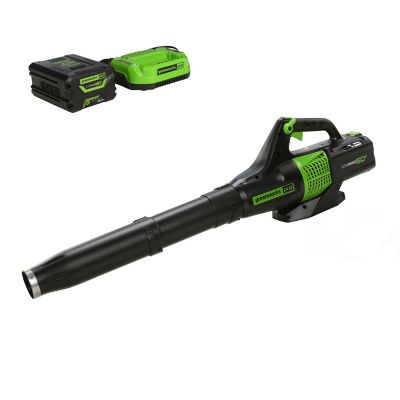
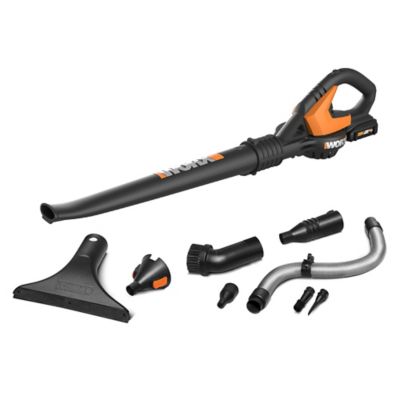
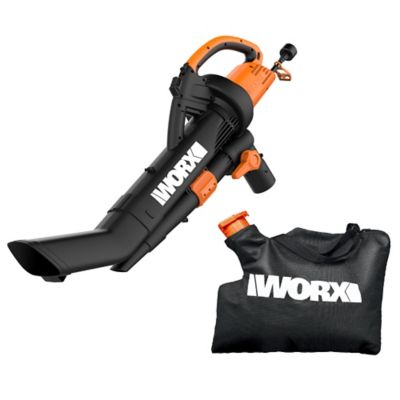
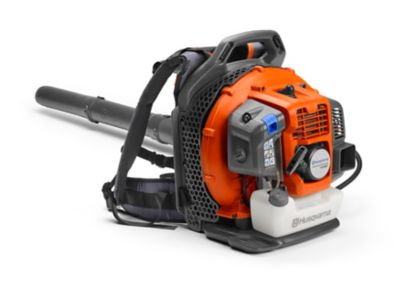
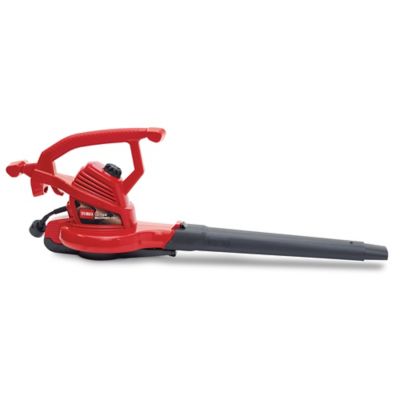
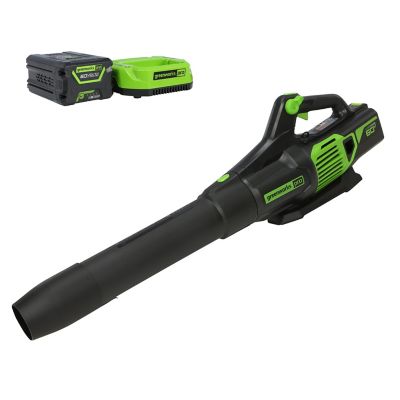
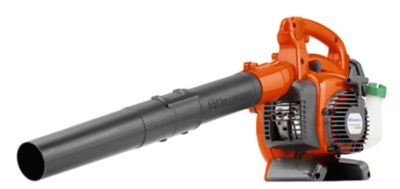
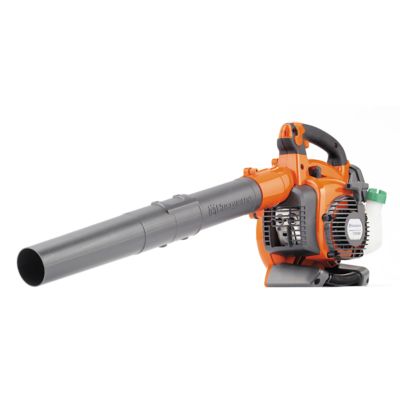
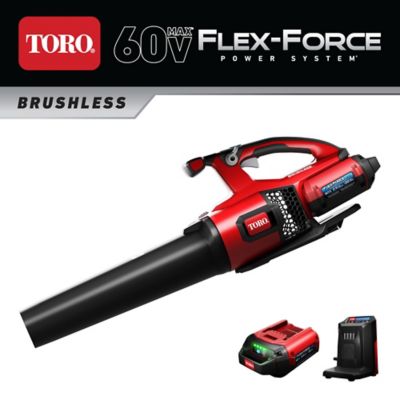
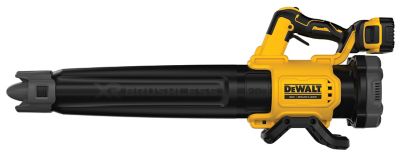
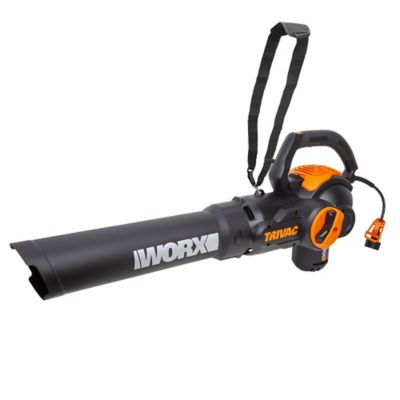
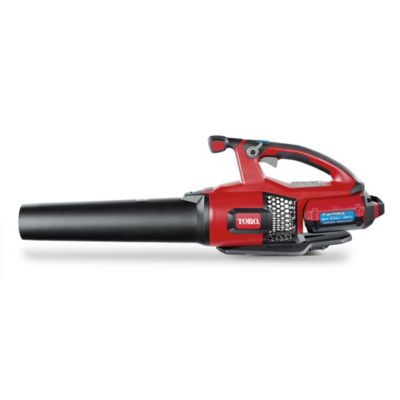
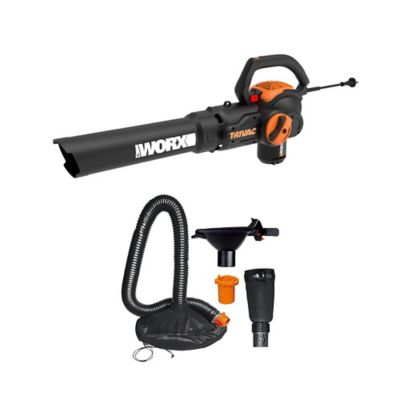
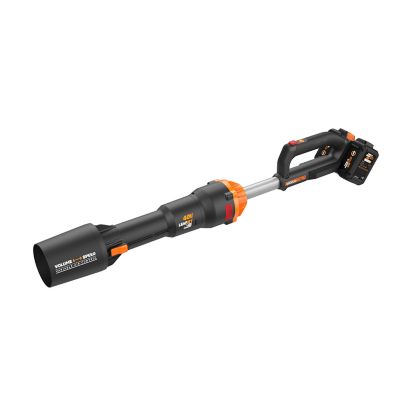
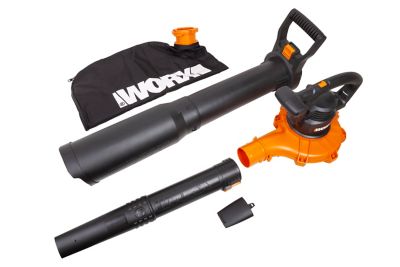
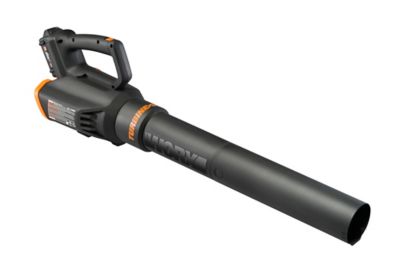
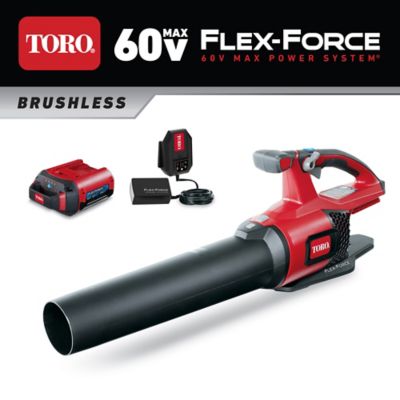
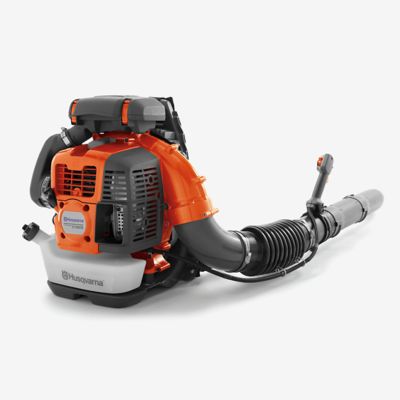
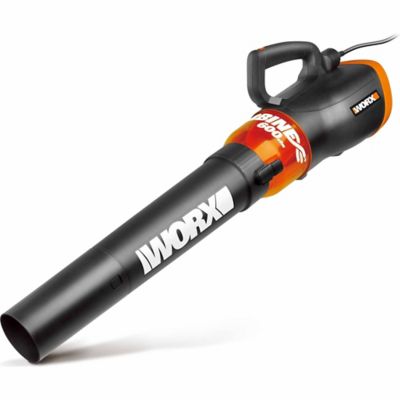
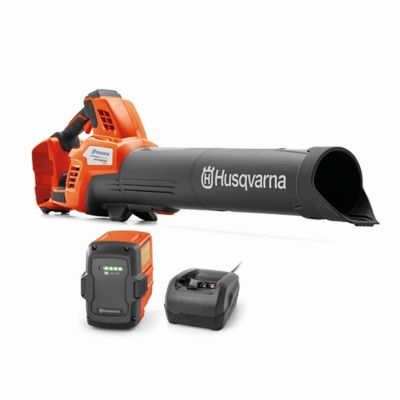
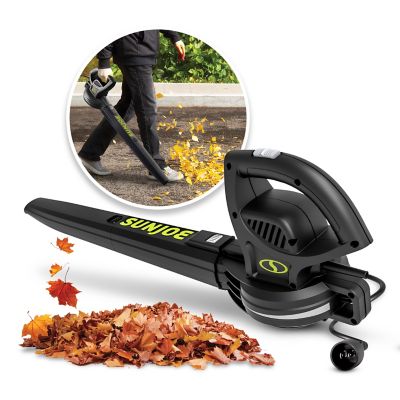
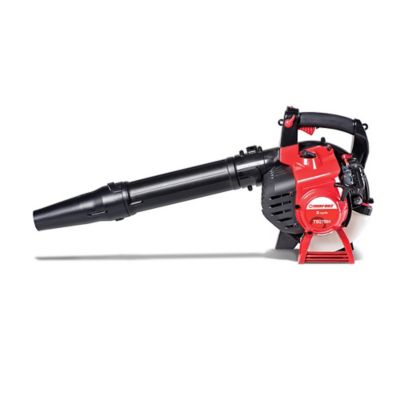
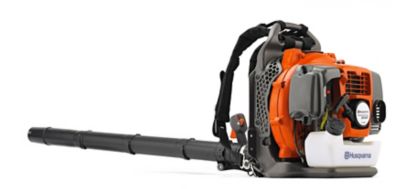
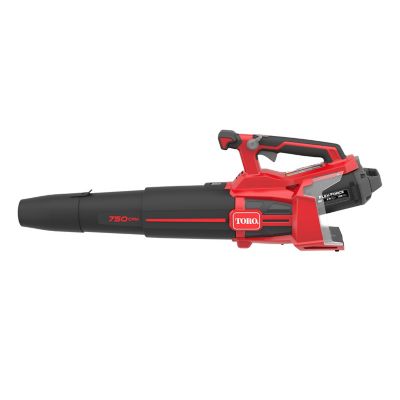
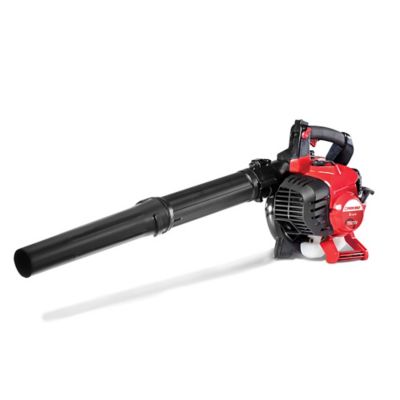
Leaf blowers for holiday yard cleanup help clear fallen leaves, grass clippings, and loose debris from lawns, driveways, and walkways before family and friends pull in. The right fit depends on the size of the property, the kind of debris on the ground, and whether corded electric, battery, or gas power suits the work. A short front walk and a small patch of grass call for a different setup than a long gravel drive, a broad lawn, or a yard lined with mature oak trees. Handheld blowers keep the tool close and maneuver easily around porch steps, fence corners, and outdoor furniture, while backpack designs shift much of the carrying weight onto the shoulders and hips for longer stretches of work. Air volume, measured in cubic feet per minute, describes how much air a blower moves; airspeed, measured in miles per hour, describes how fast that air travels. Both matter. Greater air volume helps push wider swaths of leaves, while a concentrated, faster stream can help loosen leaves caught along an edge. Neither number alone tells the whole story, especially when leaves are damp or tangled in grass. Variable speed makes it easier to move leaves without scattering gravel into the lawn or stripping mulch away from shrubs. A narrow nozzle can help reach cracks and tight corners, while a broader outlet covers more ground on open pavement. Tool weight, grip shape, balance, and vibration also affect how a blower feels after several passes around the house. Sturdy polymer housings and securely attached tubes suit routine outdoor handling, but fit matters just as much as construction. For Thanksgiving gatherings or Christmas visits, a blower that feels manageable can make the difference between clearing the main walk and finishing the side path to the guest parking area, too.
Power source shapes how leaf blowers fit into holiday cleanup around the home, barn, or outbuildings. Corded electric blowers suit smaller spaces within reach of an outdoor outlet, with no battery charging or fuel mixing to manage. The tradeoff is the cord itself: extension-cord length and wire gauge must match the tool’s requirements, and the cord needs a clear route away from steps, vehicle tires, and foot traffic. An outdoor-rated cord and a GFCI-protected outlet belong in that setup, along with attention to the manufacturer’s limits for damp conditions. Battery-powered blowers offer freedom to move between the front porch, detached garage, and mailbox without dragging a cord behind. Runtime depends on battery capacity, blower settings, debris conditions, and how often the trigger stays pressed. A high-output setting can move a stubborn pile faster, but it also draws down the battery sooner than a lower setting. For a property with several separate cleanup spots, battery compatibility and charging time deserve a look alongside blowing performance. The weight of the installed battery matters, too, since the bare-tool weight does not reflect everything carried during the job. Gas blowers can suit larger properties and longer cleanup sessions where access to electricity is limited. They also bring engine noise, exhaust, fuel handling, and regular maintenance into the picture. Two-cycle engines require the specified fuel-and-oil mixture, while other engine designs have different requirements; the owner’s manual sets the rules for each machine. Gas engines belong outdoors, never running inside a garage or shed. Across power types, controls that are easy to reach with work gloves, a comfortable carrying handle, and a tube length that suits the operator help keep the job comfortable. Backpack straps should adjust snugly without pinching, and handheld models should balance comfortably rather than pulling the wrist downward. Those details count when the cleanup route stretches from the roadside fence to the back patio.
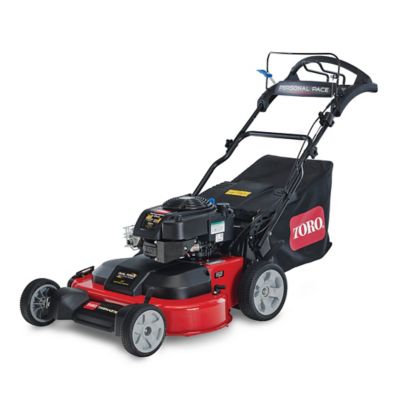
Holiday yard cleanup often means working around more than leaves. Extension cords for lights, doormats, loose ribbon, children’s toys, and small stones can all sit in the same space that needs clearing. A controlled air stream helps gather leaves into a manageable pile without sending them toward parked trucks, open doors, neighbors’ property, or the road. Dry leaves generally move more readily than wet, matted piles, and packed debris may need loosening with a rake rather than repeated passes at full throttle. Low speed is useful near flower beds and along gravel edges, where the goal is moving leaves while leaving the ground covering in place. Eye protection, hearing protection, closed-toe footwear, and a clear working area belong with the task, even when the plan is only a quick pass before company arrives. Pets and children need space away from flying debris, and nearby windows and vehicles deserve the same care. Leaves gathered from walks and drives can go into an appropriate compost area or local collection system, keeping drainage openings and roadside ditches clear. For grass areas that also need mowing, browse
Lawn Mower For Quick Yard Cleanup for equipment suited to that part of the property. Blowers handle the edges and hard surfaces where a mower cannot do the same job. After cleanup, a little attention keeps equipment ready for its next outing: remove debris from air intakes, check that tubes and fasteners remain secure, and let the tool cool before storage. Battery packs, chargers, and fuel each need storage conditions that follow the manufacturer’s directions. A dry spot in the shed or garage protects the blower from unnecessary exposure between tasks. As a holiday gift, a leaf blower makes sense for a homeowner settling into a place with a yard, a family member tending a large property, or someone who prefers powered help with regular cleanup. Matching the tool to the recipient’s strength, storage space, existing battery system, and property layout makes the gift practical well beyond the holiday gathering.